 Upper East Side Winter Farmers Market Picker With a Dog
Weekend Plans
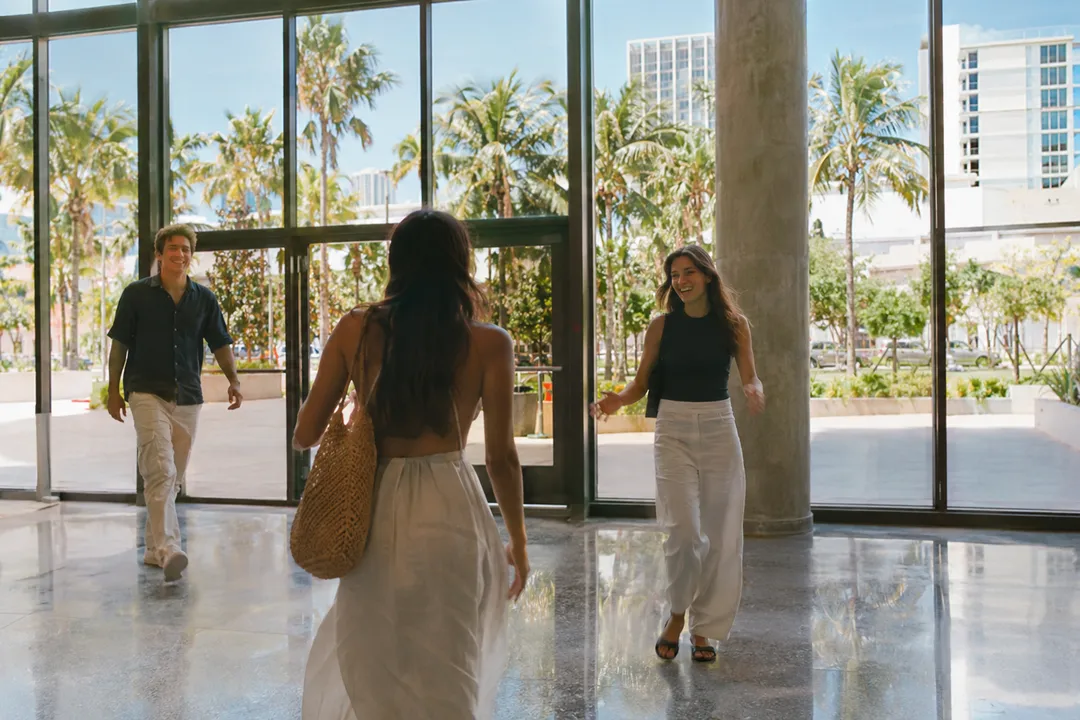
Miami Weekend Plan Builder: Friends From Two Directions
Bring friends from opposite sides of Miami to one comfortable meeting point, then keep the shared anchor and return route visible. Keep plans clear.
Friends crossing Miami from two directions need a meeting plan that respects traffic, heat, and different arrival times. In the Karpo APP, name both starting areas, the latest arrival, and the activity everyone wants to share. Ask for a central first stop, a merge point, and an optional branch for the person who arrives early. The tool can compare route shapes and timing. It cannot monitor traffic, promise parking, or record a provider booking.
List the two approaches
Write down each person’s starting neighborhood, travel mode, and realistic arrival range. Mention who can drive, who needs transit, and who will carry gear. Ask Karpo to compare a central meeting point with a plan that starts in one person’s area. The best choice may be less famous but easier for everyone. Give a finish time too, so the route does not optimize the meeting and ignore the return journey.
Choose a first stop that absorbs delay
The opening location should offer a simple activity and a comfortable wait. Tell the planner whether that means a shaded café, an indoor browse, or a casual meal. Avoid a timed ticket as the first chapter when arrivals are uncertain. Ask for a second option nearby if the earliest person arrives thirty minutes ahead. The early friend should be able to enjoy the beginning without committing the whole group to a new cost.
Make the merge moment explicit
Pick the exact time and place when the full group starts together. Ask for a recognizable entrance or landmark and keep it close to the first stop. Put a maximum wait and a backup communication method in the note. A planner can draft the instruction, but each friend must acknowledge it. A clear merge point prevents a citywide group chat from becoming the main activity.
Protect the shared anchor
Tell Karpo which activity should not move when traffic changes. It might be lunch, a performance, or a waterfront pause. Ask it to place flexible stops around that commitment and to show what gets cut if someone arrives later. Record the provider’s stated time and access before treating it as fixed. The route is a discussion of priorities until the booking is real.

Give the early friend a branch
An early arrival needs a short branch with an obvious end. Request something close to the merge point, easy to leave, and satisfying without the late friend. State whether a purchase is okay or whether the branch should be free. If the late arrival slips again, the branch can stretch slightly without creating a second itinerary. This keeps the first person from waiting in the heat or wandering too far.
Use a two-direction prompt
Try: “Plan a Miami Saturday for four friends, two arriving from Brickell and two from North Miami Beach. Meet by 1:30, use an indoor first stop, share a meal, and add one outdoor moment before 5. Keep the merge area easy for both drivers and show an early-arrival branch.” Add parking limits, budget, and heat tolerance. Ask for one alternative if traffic is heavy.
Record the route responsibilities
Once everyone agrees, assign navigation, booking, and the group update. Put the recorded anchor, merge point, and early branch in one note. Karpo can turn a long discussion into a checklist, but it does not send reminders or track a driver. If the meeting area changes, update the note and the brief together so nobody follows a stale screenshot.
Plan an early exit
One friend may need to leave before the rest. Ask for an exit point near a simple route home and choose a final shared moment that still feels complete. The continuing group can take an optional branch after the departure. Agree on the handoff before the day starts; it is easier than negotiating while everyone is deciding where to go next.
Practical Notes: keep the middle forgiving
Protect the meeting and anchor, then leave the middle flexible enough to absorb Miami traffic. Share the exact merge location, the early branch, and the early-exit plan. When one person’s timing changes, ask Karpo to rebuild only that middle segment. A two-direction weekend succeeds when people can arrive and leave without making the others feel stranded or responsible for every delay.
Give the drivers a quiet plan
A cross-city meet-up is easier when one person navigates and another reads the group note. Put the merge point, early branch, and departure in a short message that can be read at a red light. If traffic changes, update the actual arrival window and ask for a middle-segment revision. Do not make the driver compare three screenshots while moving.
Protect the social purpose
Friends coming from opposite directions are meeting for conversation, not for a perfect map. Tell Karpo whether the shared meal, a view, or a particular kind of room is the emotional anchor. When a road delay forces a cut, preserve that anchor and drop the least important detour. A clear reason makes a practical change feel like a group decision rather than a loss.
Write the group’s shared definition of success in the first line: everyone arrives, eats together, and has one unhurried activity. If a traffic delay removes a detour, the day still meets its purpose. That sentence also helps the early arrivals decide whether to extend their branch or simply wait without frustration.
If both directions are delayed, use the early branch as the temporary plan and move the merge time once. One controlled change is easier than a stream of guesses. Ask the Karpo APP to recalculate the middle segment from the real arrival windows, then send one new message so everyone reads the same answer.
Give the meeting a social ritual
Choose a small ritual for the full group: a shared first drink, one photograph without phones in hand, or a two-minute recap of the trip in. Ask Karpo to place it at the merge point and to keep it short. The ritual makes the arrival feel like the start of the day, even when friends have travelled different distances. Put the anchor and the departure beside it so the group does not lose the practical thread. A social marker can make a central meeting place feel personal rather than merely convenient.
Ask Karpo for more information.
Keep reading
- Upper East Side Winter Farmers Market Picker With a Dog
 Normandy Village Winter Farmers Market Picker for an Asado
 Coral Gables Winter Farmers Market Picker for New Gardeners