 Upper East Side Winter Farmers Market Picker With a Dog
Weekend Plans

Miami Weekend Plan Builder for Two Different Interests
A Miami outing for two can give both interests room. Compare a meal-first date with a culture-first afternoon, then choose a pace and budget you both enjoy.
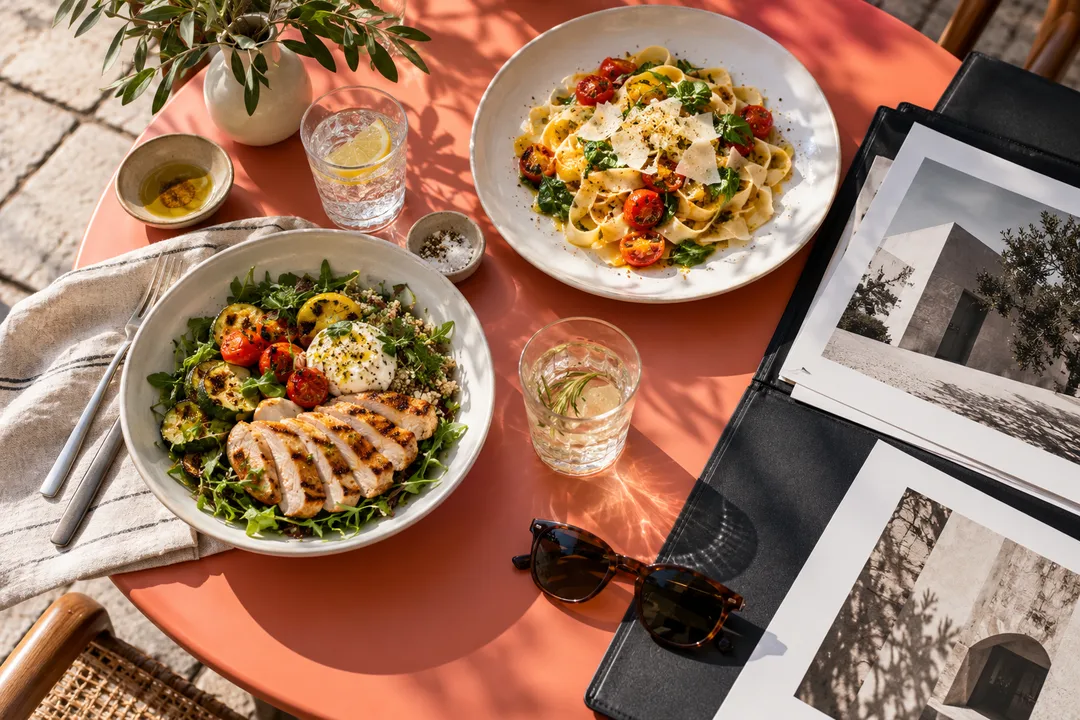
One person wants to look at art. The other wants a long meal and a chance to talk. A couple's Miami weekend need not become a contest between those preferences. A weekend plan builder is useful when you describe what each person enjoys, what each would rather avoid and how long you want to be out together. Start a conversation in the Karpo APP with both sides of the brief, then compare a few ways to combine them.
Name the enjoyment behind each request
"Culture" and "food" are broad labels. The first person might enjoy looking closely at a few objects, without wanting a full museum day. The second may care about relaxed conversation more than a particular cuisine. Ask each other what would make the outing satisfying. That discussion can reveal a natural pairing before you have selected a single destination or restaurant.
Describe both preferences in ordinary language. For example: "One of us enjoys a short art visit, and the other wants a seated lunch without rushing. We both want time to talk." This gives the planning conversation a shared objective. It also prevents a recommendation from treating the meal as a quick refueling stop when the meal is actually half the reason you are going out.
Compare three ways to divide the time
A culture-first outing gives the exhibition or gallery visit the fresh attention at the beginning. The meal follows as a place to linger and discuss what you saw. This arrangement works when neither person wants to interrupt lunch to meet another deadline. Its weakness is hunger: if you arrive at the first activity already wanting food, concentration can become a chore.
A meal-first outing starts with conversation and lets the cultural stop remain shorter. That can suit a couple who wants the day to feel social from the start. The tradeoff is the risk of allowing the meal to absorb the whole window. If the second activity matters, choose an order that gives it a realistic place rather than relying on a vague promise to go later.
A third shape is one shared destination with room for different attention. You might browse separately for a while and meet again for a seated break. This works when you both enjoy being together without doing every minute in lockstep. Ask Karpo to compare these three structures against your preferences, then choose the arrangement before asking for a long list of places.
Give each person a clear yes and a clear limit
A useful compromise includes something each partner actively wants. It should also respect a limit each has stated. One person might enjoy an hour of browsing but dislike standing through a long guided activity. The other may welcome a casual lunch but feel uncomfortable with a formal tasting format. Those are practical boundaries that can shape a good plan without either person being difficult.
Put the limits into the same message as the interests. "No long seated performance" is clearer than hoping the suggestions happen to avoid one. "A meal where conversation is the main event" tells more than asking for somewhere romantic. When the response comes back, assess whether both people have a real reason to look forward to it, rather than asking only whether either person objects.
Use the journey as part of the comparison
Choose a starting area and say how you intend to travel. For a Miami outing, broad labels can hide very different journeys. Ask for suggestions clustered around the cultural stop or the meal you prefer. You can compare a pairing in one area with a pairing that requires another transfer, while keeping the actual travel decision grounded in your own transport plans.
Walking together can be a pleasant transition when you both want it. It is less useful as an unspoken obligation after one person has spent their energy standing indoors. State a comfortable walking limit and whether you need seated pauses. The route should respect the partner with the lower tolerance, because the success of the outing depends on both people still enjoying the time together.
Discuss the budget before comparing restaurants
Different interests can imply different expectations about spending. A modest lunch paired with paid admission is one arrangement. A more substantial meal with a brief browse is another. Agree on the total you are comfortable allocating, then say which part deserves the larger share. That conversation is easier at home than after one person has become attached to an expensive recommendation.
Keep a distinction between a planning suggestion and a purchase. A restaurant recommendation does not establish a table booking, and an activity idea does not establish admission. Once you select the pairing, use the relevant venue's booking or ticket process for any commitment. Both partners should understand what has been arranged and what remains a flexible idea, especially when the order of the day depends on it.
A prompt that gives both preferences equal weight
You could write: "We want a Miami weekend outing for two. I like art in short visits, and my partner prefers a relaxed meal and conversation. Start from our neighborhood, keep travel simple and avoid a packed schedule. Compare culture before lunch, lunch before culture and one area where we can browse at our own pace. Give each person a reason to enjoy the plan."
Add an important constraint only if it affects the decision. Dietary requirements, step-free access and a firm return deadline belong near the beginning. A favorite color or a general preference for interesting places probably does not help choose the order. If the result feels uneven, name the imbalance directly: "The art portion dominates this version. Give the meal more room without adding another destination."
Make the handover between interests feel natural
Once you have chosen a structure, agree on a gentle transition. You might finish looking when each person has selected one work to talk about, or move from lunch when you are both ready for a short walk. This is a personal agreement, rather than a rule imposed by an app. It removes the awkward moment when one partner has finished and the other has no idea.
Have a small alternative for a mismatch in energy. If one person wants to stop early, the plan can end after the meal instead of expanding into another neighborhood. If both feel engaged, you can spend longer at the chosen activity. Keeping that flexibility inside a shared area allows the afternoon to breathe without making either person's enthusiasm a burden on the other.
Practical notes for a date you both recognize
Before you leave, each person should be able to describe the part they are looking forward to and the rough shape of the outing. Carry the actual booking details if you made any, and agree who is handling the journey home. Use the Karpo APP to begin with your two real interests. The strongest result is a day in which both preferences remain visible, with enough space between them for conversation.
Ask Karpo for more information.
Keep reading
- Upper East Side Winter Farmers Market Picker With a Dog
 Normandy Village Winter Farmers Market Picker for an Asado
 Coral Gables Winter Farmers Market Picker for New Gardeners