 Upper East Side Winter Farmers Market Picker With a Dog
Weekend Plans
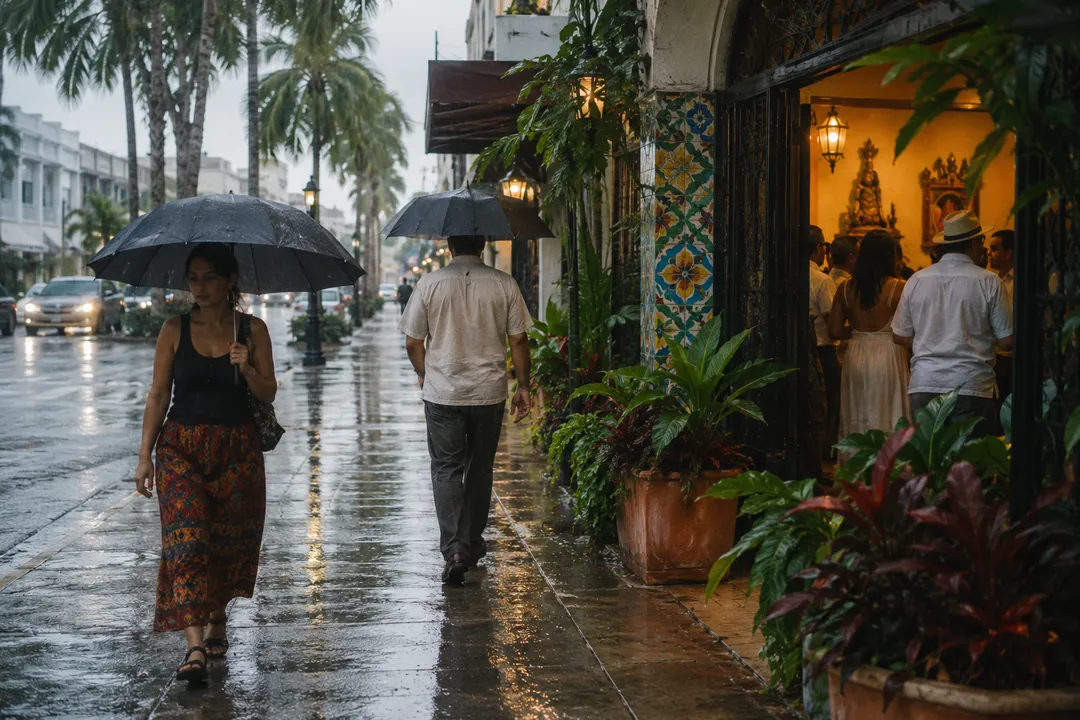
Miami Weekend Plan Builder: Rainy Day With a Pivot
Build a Miami rain plan that protects its food or cultural anchor, uses covered connections, and makes the switch point easy to follow. Keep plans clear.
A rainy Miami weekend can switch from open-air plans to indoor discoveries without feeling like a cancellation. Give the Karpo APP your starting neighborhood, the rain you are willing to tolerate, and the one experience you want to preserve. Ask for a primary route, a covered alternative, and a clear switch point. The planner can organize those options and follow-up questions. It does not know live storms, provider capacity, or whether a reservation has been accepted.
Classify the rain
A passing shower, steady downpour, and flooded street create different planning problems. Tell the assistant which condition you are designing around and whether an umbrella walk is acceptable. Mention a stroller, camera, or anyone who needs a dry entrance. Ask for a plan that does not rely on an outdoor queue. Clear weather language gives the fallback a real job instead of producing two itineraries that fail in the same way.
Protect the reason for going
Choose the anchor before adding substitutes. It might be a meal, an exhibition, music, or a neighborhood story you want to explore. Give the planner a stay length and any fixed start. Then ask for indoor support nearby, with one shorter route if rain intensifies. If the anchor itself closes, request a replacement with the same emotional purpose rather than a random indoor attraction.
Put covered connections on paper
Miami distances can look small while uncovered sidewalks and bridge crossings make them awkward in rain. State whether you will walk, drive, or use a short ride, and ask for the least exposed order. Leave time for coats, umbrellas, and finding the correct entrance. The assistant can describe those tradeoffs, but a live map and provider information decide whether a connection works today.
Use food as shelter
A meal can be the dry middle of a wet day. Tell Karpo whether you want a long table, a quick counter, or a snack that can be carried to the next stop. Add allergies, budget, and a latest departure. Ask for one fallback near the same anchor in case the first place is full. Read the published hours, menu, and booking terms before treating any option as real.
Choose a switch point
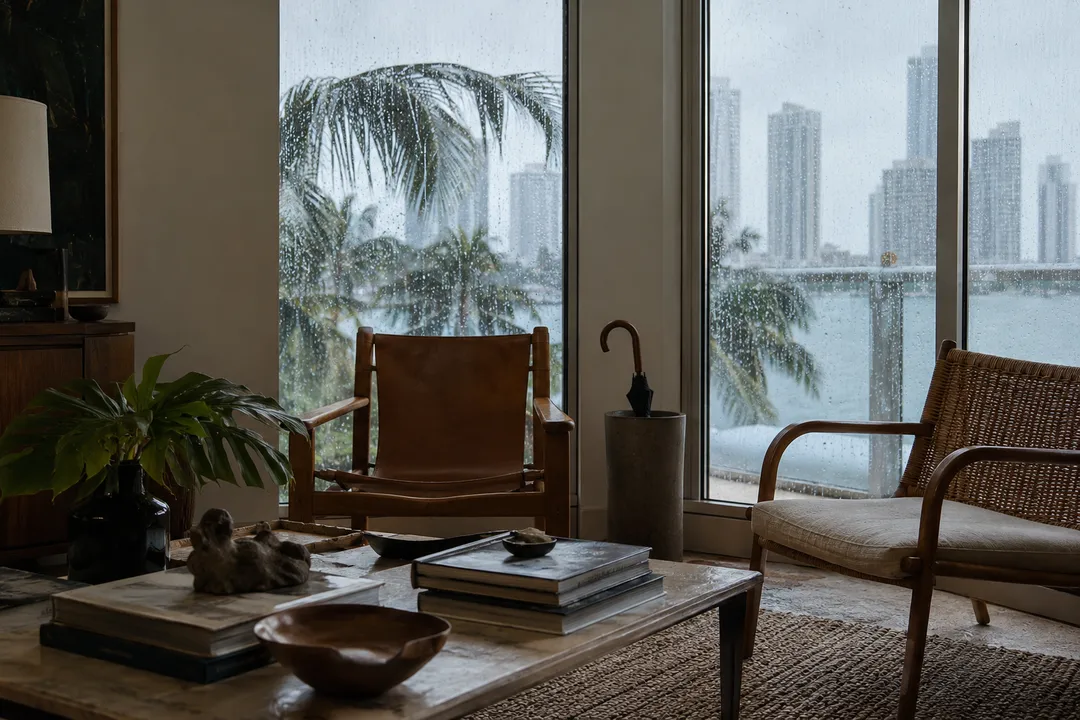
A pivot works when everyone knows what triggers it. It might be a second thunderstorm, a soaked first block, or a delay that makes the timed activity impossible. Ask the planner to keep the anchor and replace only the vulnerable leg. Write the rule in the shared note. That turns a weather change into a practiced decision and prevents the group from arguing while standing under an awning.
Send a complete rain brief
Try: “Plan a Miami Sunday starting in Coconut Grove at noon, with one food anchor and one cultural stop. Keep outdoor walking under ten minutes between covered entrances, offer a fully indoor version, and finish by 6 near a simple ride home.” Add who is driving, mobility needs, and the spending ceiling. Ask for a reason behind each transfer and a single trigger for switching.
Record the parts that matter
Before leaving, check the real address, current hours, parking or entrance instructions, and any timed admission directly with providers. Put those recorded details next to the suggested route. If a fact conflicts, ask for a replacement that solves the same problem. Karpo helps you make the comparison legible; it does not send payment, reserve space, or guarantee a weather window.
Keep the group informed
Send one compact update with the anchor, covered route, pivot trigger, and departure. Assign a driver or navigator so the whole group is not reading while moving. If the rain changes the start, update the brief with the actual time and ask for a targeted rebuild. A short revised plan is easier to trust than a stack of screenshots from the original idea.
Practical Notes: leave the last transfer easy
End near a known route home and make the final optional stop disposable. Save the provider record and the rain rule together. If the storm lingers, follow the indoor version without treating it as second-best; it was part of the design. Return to the Karpo APP when only one leg changes, and revise that leg instead of discarding the whole day.
Let the covered route feel intentional
A rainy version should have its own character. Ask for a sheltered detail to notice, a warm meal, or an indoor activity that would be enjoyable even under clear skies. That framing keeps the group from treating the pivot as a consolation prize. Write one sentence about what the day is for, then preserve that purpose when the route changes.
Carry the recorded facts forward
When a provider replies with an entrance or timing, paste the exact practical detail into the shared note and the Karpo brief. If the storm changes the start, the new plan can respect what is already booked. Keeping one current version prevents the common problem of a friend following a dry-weather screenshot while everyone else has switched to the covered route.
A rainy route also benefits from a dry place to regroup after the final stop. Ask for that buffer near the homeward ride and leave it unscheduled. If the weather clears, use the time for conversation; if it worsens, everyone already knows where to go. Small buffers are what make a flexible plan feel finished.
Keep a dry-weather idea out of the fallback unless it genuinely works in rain. A covered route, a warm meal, or a room with places to sit should carry the same emotional weight as the original. When the plan is built around that purpose, the group can stop watching the sky and enjoy the company.
Turn the pivot into part of the story
Rain can become the reason for a different kind of Miami afternoon: warm food, reflections on wet sidewalks, and a room where everyone can settle. Tell Karpo to preserve that mood in the indoor route instead of presenting it as a consolation prize. Keep one dry meeting point and one flexible finish. When the storm changes, the group already knows which chapter to choose. A plan with a designed pivot feels confident because both versions have a purpose and neither depends on pretending the weather will cooperate.
Ask Karpo for more information.
Keep reading
- Upper East Side Winter Farmers Market Picker With a Dog
 Normandy Village Winter Farmers Market Picker for an Asado
 Coral Gables Winter Farmers Market Picker for New Gardeners