 Upper East Side Winter Farmers Market Picker With a Dog
Weekend Plans
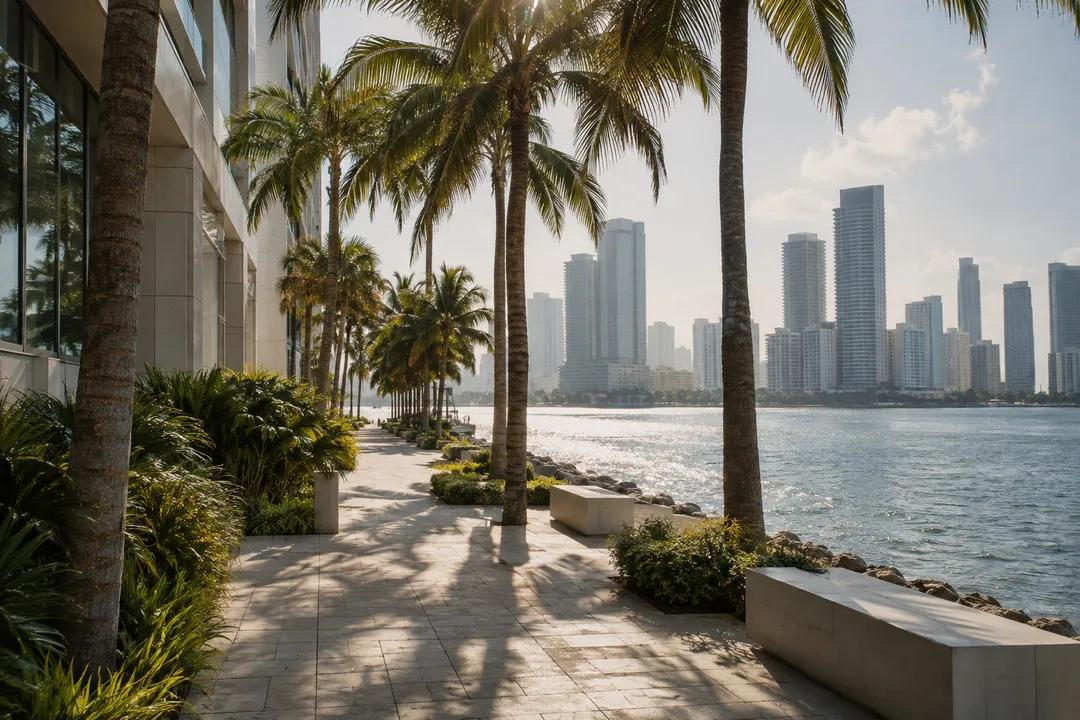
Miami Weekend Plan Builder: Hot Saturday, Shaded Stops
Balance Miami sun with shade, water, an early outdoor moment, and a cooled reset so the group can change course before heat takes over. Keep plans clear.
A hot Miami Saturday is easier when shade, water, and air-conditioned pauses are treated as the itinerary’s structure. In the Karpo APP, state your starting neighborhood, heat tolerance, and the time you need to finish. Ask for one outdoor highlight, a cooled indoor stop, and a shaded alternative if the sun becomes too strong. The planner can compare pacing and order. It cannot promise a breeze, a provider’s open door, or a reservation, so record those details independently.
Describe your heat limit
Heat is personal, so give a useful boundary: a ten-minute sunny walk, a midday outdoor block, or no exposed queue. Mention children, older companions, medication, or a need to refill water. Ask Karpo to distinguish shade from air conditioning and to place the hardest movement at the gentlest hour. That information is more actionable than simply asking for “cool things to do.” The plan should explain what happens if the forecast feels worse than expected.
Pick one outdoor reason
Choose the outdoor experience that makes the day worth leaving the house. It could be a waterfront look, a garden, a market, or a short architecture walk. Tell the planner how long you want to stay and whether the group can leave early. Then ask for food and an indoor reset nearby. A strong anchor survives a shortened visit; a long list of exposed stops does not. Use published access, shade, and provider details before committing.
Place shade before appetite fails
Food and hydration should arrive before anyone feels depleted. Give Karpo a preferred lunch window, dietary needs, and a request for seating or quick service. Ask for a substantial meal plus a portable backup that does not require another sunny crossing. The output can compare timing and comfort, but it is not a live menu or table guarantee. Read the provider’s current hours and policies yourself.
Use cooled pauses as punctuation
Air-conditioned pauses can divide a hot itinerary into manageable chapters. Ask for a short indoor browse, a quiet room, or a café break near the outdoor anchor. Label each pause with the problem it solves: cooling down, using a restroom, or resetting a child. Keep the sequence compact so the group is not constantly walking between climate zones. The planner can propose the rhythm; a live map and provider check finish the work.

Write a heat-triggered pivot
Decide when to switch: after one unpleasant block, when water runs low, or if the outdoor area has no shade. Ask for an alternate that preserves the neighborhood and the day’s purpose. Protect the meal or anchor, and replace only the exposed segment. A simple rule makes the change feel intentional. Without one, a group often stays outside too long because nobody wants to be the first to call the day short.
Give the tool a Miami brief
Try: “Plan a hot Saturday in Miami for two adults from 10:30 to 5. Include one waterfront moment before noon, a shaded lunch, an air-conditioned cultural stop, and a compact backup if the heat is intense. Keep transfers short and finish near an easy ride home.” Add the starting district, budget, and mobility needs. Ask the planner to state assumptions about sun, walking, and timing.
Keep weather and booking separate
A comfortable sequence is not a reservation. Record the actual venue address, current hours, admission rules, and any timed entry with the provider. Bring those facts back into the conversation and let flexible stops move around them. If a slot is unavailable, request a replacement with the same cooling or cultural role. Karpo can help compare the change, but it does not hold inventory or message your group.
Share the water plan
Put water breaks, shade points, and the pivot rule in the group note. Assign one person to carry supplies and another to watch the time. A short message is easier to follow than a long list of attractions, especially in heat. If someone’s condition changes, update the brief with the real situation and ask for a targeted revision. Do not force the original route because it looked good on paper.
Practical Notes: finish before the hottest stretch
End the outdoor portion early enough that the return trip feels kind. Keep the last stop cooled or shaded and make it optional. Save the recorded provider information, the heat trigger, and the departure route together. If the forecast shifts, revise only the affected segment in the Karpo APP. A Miami day succeeds when the group remembers the water and the view, not the moment everyone realized the plan ignored the sun.
Keep the cool-down visible
A shaded stop only helps if everyone knows it is coming. Put the water point, indoor reset, and heat trigger in the shared note instead of relying on one person to remember. If the group includes a child or older adult, assign a person to watch those needs while another handles directions. The Karpo APP can turn the discussion into a clean sequence, but the group still decides when comfort outranks a scenic idea.
Revisit the brief after the forecast
Heat and clouds may change between breakfast and departure. Enter the actual temperature or storm concern and the time left, then ask for a targeted revision. Preserve the meal or anchor that already works and change only the exposed segment. That keeps a good day from being discarded because one assumption changed. A deliberate adjustment is more useful than adding another destination to compensate for a lost one.
Before the first stop, ask each person to name a sign that they need shade or water. That shared language keeps the group from waiting until a small discomfort becomes a crisis. Put the sign and response in the note, then let the person who notices it call the pivot. Heat-aware planning is more humane when nobody must prove they are uncomfortable.
Let the body set the clock
Give the group a shared heat language: “shade now,” “water break,” or “indoor hour.” Put those words in the note and ask Karpo to place the corresponding pause before the outdoor anchor becomes uncomfortable. A person who calls for shade should not need to justify the request. The route can still include the view or market that motivated the day, but the body’s signal decides how long it lasts. That approach keeps Miami’s brightness enjoyable instead of turning endurance into the measure of a successful weekend.
Ask Karpo for more information.
Keep reading
- Upper East Side Winter Farmers Market Picker With a Dog
 Normandy Village Winter Farmers Market Picker for an Asado
 Coral Gables Winter Farmers Market Picker for New Gardeners