 Upper East Side Winter Farmers Market Picker With a Dog
Weekend Plans
Coral Gables Weekend Farmers Market Route Planner for Fruit
Plan a Coral Gables weekend farmers market route around fall tropical fruit: learn what is ripe, taste before you buy, then carry the bag under the banyans.
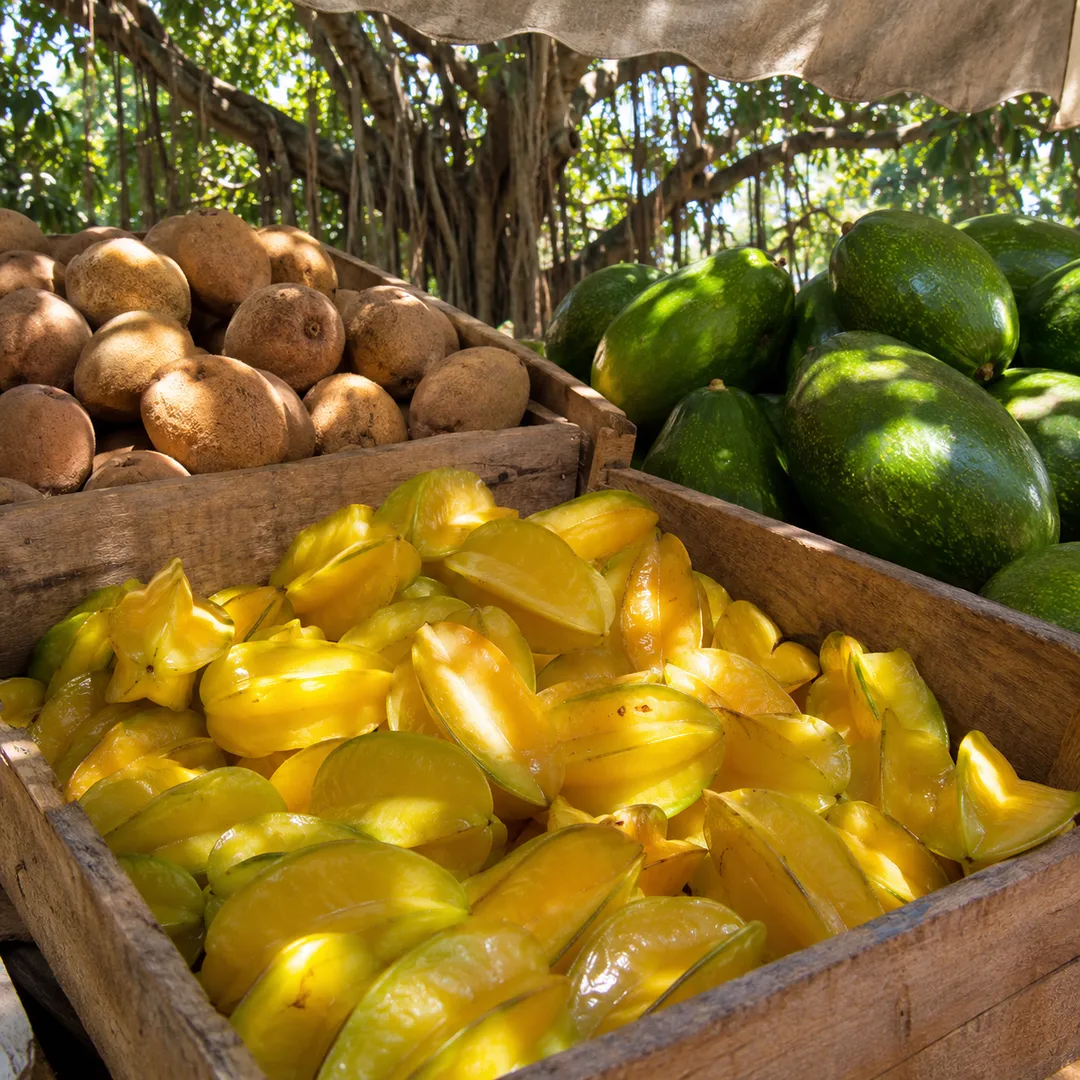
A Coral Gables weekend farmers market route planner is really a fruit lesson in disguise. Newcomers to Miami arrive knowing mangoes and maybe passion fruit, then stand in front of a stall in the Gables and see brown suede globes, starfruit glowing yellow, and avocados the size of a softball. The Coral Gables Farmers Market, held in the civic heart of a city built in coral rock and Mediterranean Revival stucco, is a calm place to learn them. The crowd is neighbors with tote bags, families after soccer, and a few retirees who have bought from the same growers for years. Treat the morning as tasting first and buying second, and leave room in the bag for a walk home under the banyans.
Why the Gables Market Suits a First Fruit Lesson
Coral Gables moves at a slower pace than Brickell or South Beach, and the market follows suit. Stalls are spaced out, shoppers linger, and growers tend to have a moment to explain what they are holding. That matters when the fruit is unfamiliar. Asking a farmer how to tell when a sapodilla is ready, or which avocado to eat first, gets you a real answer instead of a hurried nod. The setting helps too: wide sidewalks, old trees, civic buildings in pale stone, and a sense that nobody is in a rush to leave.
The other reason is the season. Fall and early winter in South Florida bring a shift on the tables. The heavy mango months are over, and a different cast appears: carambola, sapodilla, canistel, late Florida avocados, citrus starting to come in, and leafy greens that could not survive the summer heat. If you moved here in summer, this is the first time you will see the market change around you, and it is the right moment to learn what grows here when the rest of the country is turning cold.
A Short Glossary for the Fall Tables
Carambola, or starfruit, should be mostly yellow with only a hint of green at the ribs; the edges browning slightly is normal and often means sweetness. Sapodilla looks like a small brown potato and tastes like brown sugar and pear; buy it firm and let it soften on the counter until it gives like a ripe peach. Canistel, sometimes called eggfruit, is bright orange with a dense, almost custard texture that people either love or find too rich, so ask for a taste before committing.
Florida avocados are the surprise for most newcomers. They are much bigger and lighter in texture than the Hass type sold in supermarkets, with more water and a mild, fresh flavor. They do not turn black when ripe, so you judge them by a gentle press near the stem. Many locals slice them with salt and lime, or cube them into a salad with onion and oil. Bring this short list on your phone and match each name to what you see before you start buying.
Walk the Stalls Once Before You Buy
The route starts with one slow lap and empty hands. Note which growers have the fruit you want, which have samples out, and who seems to know the most about what they are selling. A first lap also tells you how ripe the tables are this weekend: some weeks the sapodillas are rock hard, other weeks they are nearly ready. Knowing this before you buy keeps you from filling a bag with fruit that will all ripen on the same day.
On the second lap, buy heavy items last. Avocados and pumpkins or squash go in the bottom of the bag at the end, soft fruit sits on top, and greens get their own small bag. If you are biking or walking home, this order matters more than anything else on the list. A crushed sapodilla is still edible, but a bruised starfruit browns fast and loses the crisp bite that makes it worth buying.
Questions That Get You the Good Fruit
Growers like specific questions. Instead of asking whether something is good, ask when it will be ready to eat and how they eat it at home. Ask which variety of avocado is on the table, since different types ripen across the fall and winter. Ask whether the starfruit is a sweet type or a tart one, since some are better sliced fresh and others are better in juice or chutney. You will learn more in five such questions than from an hour of reading.
It is also fine to admit you are new. Coral Gables has plenty of residents who moved from elsewhere in the country or from Latin America, and growers are used to explaining their fruit. Many will offer a sliver on a knife. Taste, then decide. If you are cooking for someone with an allergy or a dislike of strong flavors, say so; canistel and some sapotes can be intense, and a grower will steer you toward a gentler choice.
Building a Ripening Plan for the Week
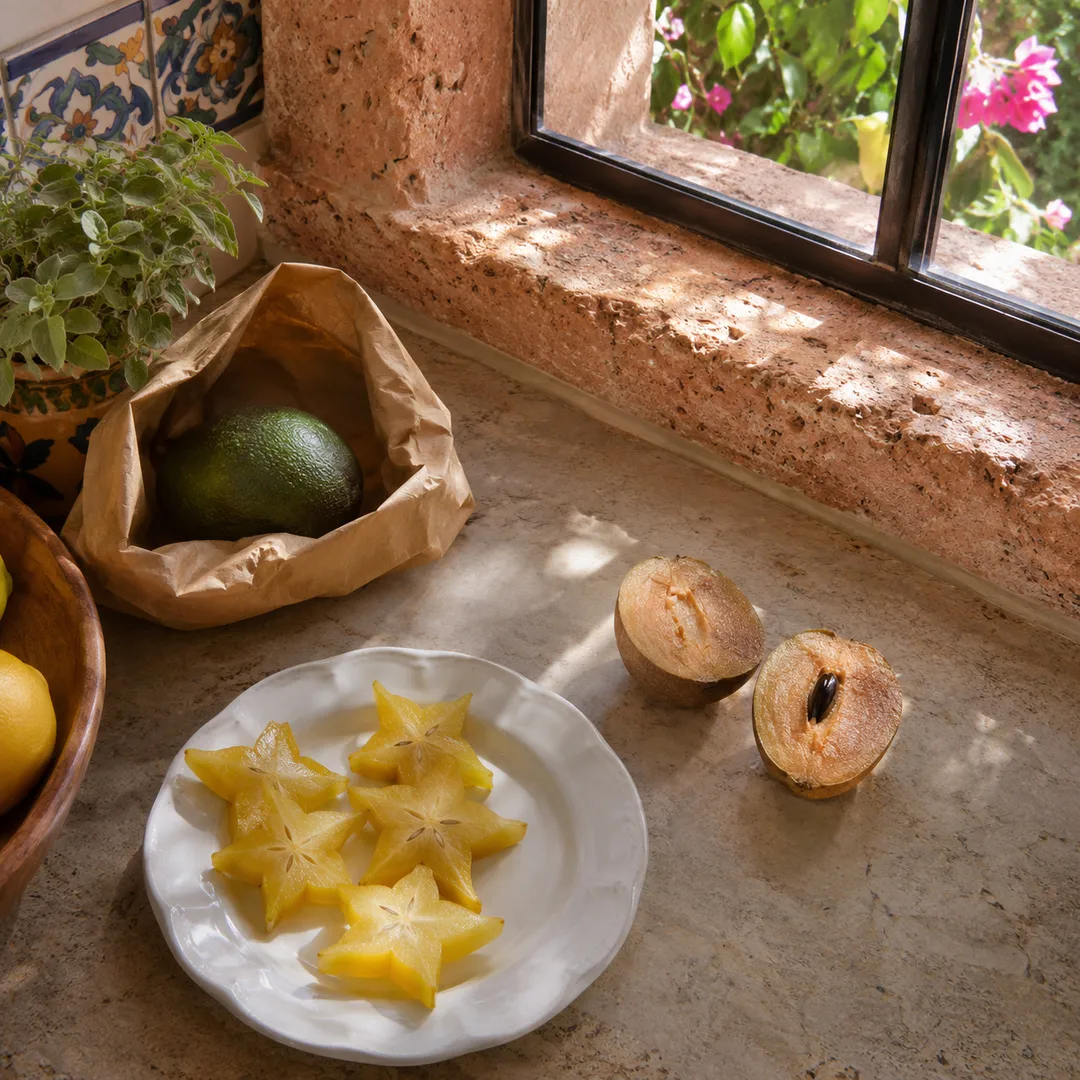
The trick to tropical fruit is staggering it. Buy one or two pieces that are ready now for a Sunday snack, a few that will soften by midweek, and one or two hard ones for the end of the week. Sapodillas and avocados are the easiest to stagger because their ripeness varies so much across a table. Starfruit keeps best in the refrigerator once it is fully yellow, while sapodilla and canistel ripen at room temperature and then move to the fridge.
At home, set out a shallow bowl on the counter away from the window and check it each morning. Press gently, and move anything that has softened into the refrigerator. A paper bag speeds up ripening if you want something sooner. This small routine turns one weekend market trip into a full week of fruit, and it means the next Saturday you will know exactly what you ran out of first.
A Banyan Walk to Carry the Bag Home
After the market, take the long way back through the residential streets. Coral Gables is famous for its tree canopy, with banyans and live oaks arching over roads lined with coral rock walls and tiled roofs. The shade is the point: in South Florida even a mild fall morning warms up quickly, and fruit fares far better under trees than on a sunny sidewalk. Walk slowly, look at the gardens, and notice how many front yards grow the same fruit you just bought.
That is part of the lesson. Mango, avocado, carambola and citrus trees are common in Gables yards, and seeing them in a garden helps you understand why the market tables look the way they do. If you have a friend in the neighborhood, this is the moment to ask about their tree and whether they have extra fruit to share; backyard surplus is a quiet South Florida tradition.
Pairing the Market With a Gables Morning
If you have time, link the route to one more Gables experience. The Venetian Pool, carved from an old coral rock quarry, is a short ride away and makes a good reward on a warm weekend. Miracle Mile and Giralda Avenue offer coffee and pastry for a sit-down break, though it is wise to drop the fruit at home first so it does not ride around in a hot car. Families often split up: one adult shops, the other takes the kids to a park, and everyone meets for lunch.
Cyclists can make the market a stop on a longer loop through the city's shaded streets, as long as they bring a rear basket or panniers. A backpack works for light fruit, but avocados and squash quickly become heavy. Whatever your plan, keep the market near the start of the day, when the fruit is freshest and the air is coolest.
What to Skip and When to Come Back
Skip buying a large amount of any fruit you have never tasted. One sapodilla is a lesson; six may be a week of something you did not enjoy. Skip the hardest avocados if you need guacamole the same day, and skip starfruit that is all green unless you want it tart for cooking. It is better to come back next weekend than to overbuy now. The market is not going anywhere, and your taste will improve with each visit.
Outdoor markets in South Florida follow the season, and the winter months tend to be the fullest. If you arrive on a rainy weekend or find the market smaller than you expected, treat it as a scouting trip and plan a return. Rain also brings quieter aisles and more time to talk with growers, so a gray morning is not wasted.
Practical Notes for the Gables Route
Bring two bags: a sturdy one for heavy fruit and a soft one for greens and delicate items. A small cooler in the car helps if you are combining the market with other errands. Wear comfortable shoes for the walk, and carry water, because even fall mornings can turn humid. If you are biking, a basket with a cloth liner keeps fruit from rattling.
Use the Karpo APP to find other weekend farmers markets and fruit stands near you, so you can compare what different growers bring through the season. Over a few months you will build your own map of who sells the sweetest carambola and who always has a good avocado, and the Coral Gables market will feel less like a lesson and more like a weekly habit.
Ask Karpo for more information.
Keep reading
- Upper East Side Winter Farmers Market Picker With a Dog
 Normandy Village Winter Farmers Market Picker for an Asado
 Coral Gables Winter Farmers Market Picker for New Gardeners