 Upper East Side Winter Farmers Market Picker With a Dog
Weekend Plans
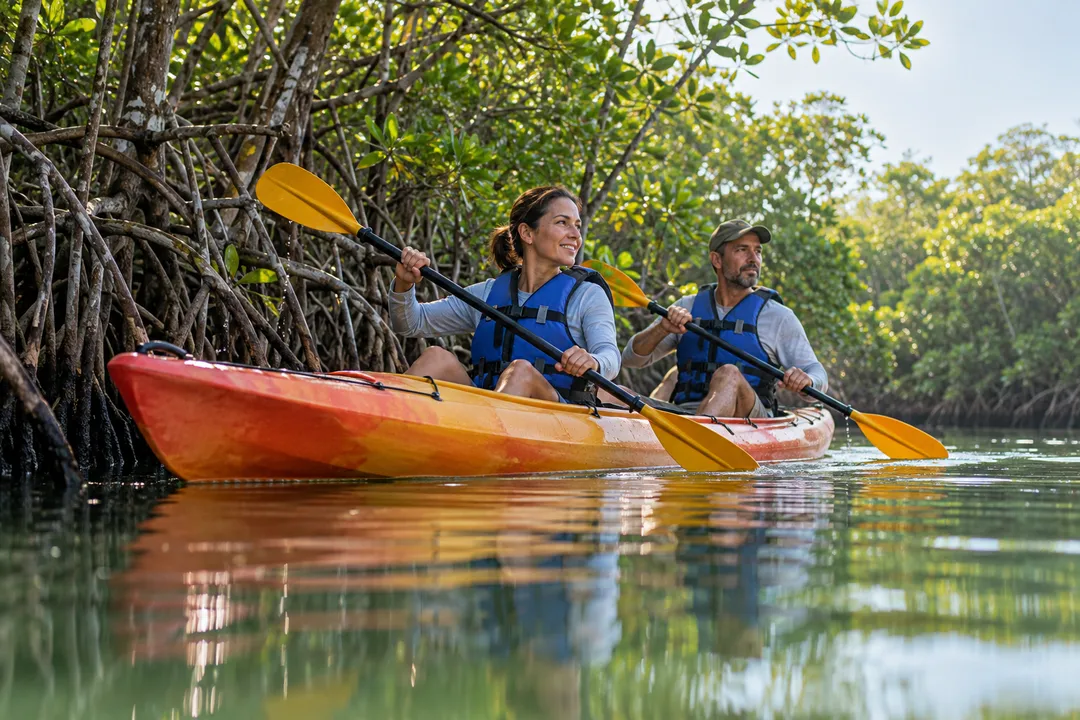
Miami Weekend Activity Comparator: Paddle or Cruise for You
Compare Miami kayaking and bay cruises by effort, total spending and time on the water, then choose an outing that suits the least energetic traveler.
A kayak outing among mangroves and a sightseeing cruise can both start with the same wish: spend part of a Miami weekend on the water. They ask different things of the people coming along. One involves taking part in moving the craft, while the other puts the emphasis on being a passenger. Use a weekend activity comparator in the Karpo APP to weigh the specific options you are considering, using your group's confidence, budget and preferred level of exertion as the starting point.
Decide whether participation is the attraction
For a kayaking proposal, describe what makes paddling appealing. Perhaps you want the rhythm of moving under your own effort, a closer view of the water, or an activity that holds everyone's attention. Say whether anyone has paddled before and whether an unfamiliar participant wants instruction. Those details help distinguish a suitable introductory experience from an outing that assumes skills the group does not share. A preference for activity should remain separate from an assumption that everyone can manage the same physical task.
For a cruise proposal, explain what you want from the passenger experience. Some people want conversation and a changing view, while others mainly want to rest. Ask for the comparison to acknowledge both purposes. A person who dislikes paddling may still enjoy a water outing without being persuaded into physical participation. Equally, someone seeking a small personal challenge may find a seated journey less satisfying. The useful question is which experience matches this particular weekend, rather than which activity sounds more adventurous in a photograph.
Account for getting into and out of the craft
Tell Karpo about practical limits that affect participation, including balance concerns, shoulder discomfort, difficulty lowering into a seat or anxiety about water. Treat the operator's stated participation requirements as essential inputs. The comparison should not infer suitability from a generic description of kayaking or cruising. Boarding arrangements, seating and assistance belong to the actual option you select. If a necessary detail is missing from the information you have, leave that candidate unresolved instead of declaring it suitable on the strength of its activity label.
Clothing and belongings also influence effort. Consider what happens to bags, shoes and anything that needs to stay dry. An otherwise appealing paddle can feel cumbersome if the group arrives carrying items that do not fit the arrangement. A passenger trip can have its own limitations on belongings or movement. Include those published conditions when they matter, and ask for them to appear beside the physical requirements. This makes the comparison about the complete experience of participating, including its awkward transitions, rather than only the attractive middle portion.
Measure exposure without turning a forecast into permission
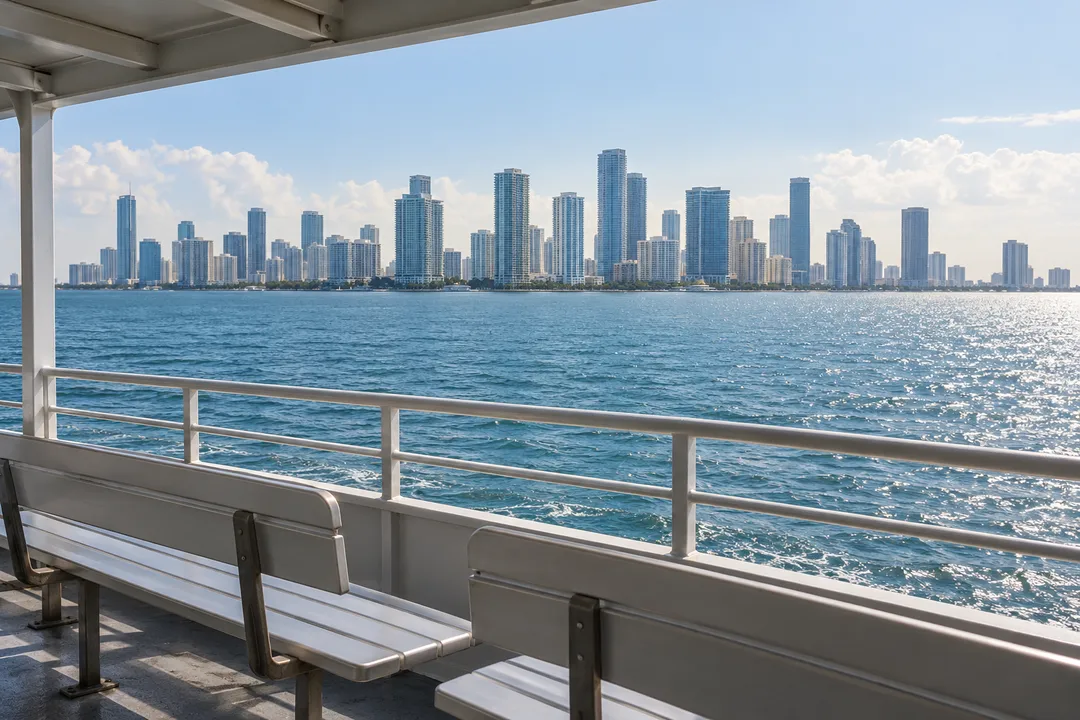
Bring the weather forecast you are relying on, with its location and date, into the conversation. Ask how the two plans differ under those stated conditions. A sheltered-looking image does not establish what the water will be like during your outing, and a roof in a promotional photograph does not prove that every passenger will have shade. Describe heat tolerance and comfort in wind separately. The comparison can organize these concerns, while the operator's operating and safety instructions determine whether its particular trip proceeds.
Choose a land-based alternative before making a water activity the centerpiece of the day. It should satisfy the same underlying wish, whether that is gentle sightseeing, family time or physical movement. This keeps an unsuitable water option from becoming a forced choice simply because everyone has already traveled. Ask Karpo to outline the alternative as a separate plan, with its own travel and spending assumptions. A comparison remains useful when it helps you decide to postpone both water choices rather than manufacture a winner under poor conditions.
Compare the amount you will actually pay
Use the quoted offer for each option, including the date, party size and what is explicitly included. For kayaking, list any equipment or instruction named in the offer without assuming that all rental packages provide the same things. For a cruise, separate admission from any optional refreshments or upgrades. Add travel and a meal if those are part of your proposed outing. The article assigns no current price to either activity, because value depends on the particular offers you bring to the comparison.
Keep optional spending outside the essential total. A souvenir, a drink or a longer rental should not quietly become necessary just because it appears in an appealing description. Ask for the comparison to show the base commitment and the extras you would genuinely choose. If one quote is per person and another covers a craft or group, normalize them to your actual party before judging the difference. The less expensive headline can become the more expensive outing when the units and inclusions are not aligned.
Reserve energy for the journey after the water
Outline departure, travel to the meeting point, preparation, the activity itself and the return. Use your intended times as planning inputs, not promises about actual traffic or boarding. A short session on the water can occupy a larger part of the day once these stages are included. Someone with a fixed afternoon commitment needs a different comparison from a group with no deadline. Ask for a comfortable return margin rather than a plan that reaches home at the last possible moment.
Consider what you want to do afterward before spending all available energy on the first activity. Wet clothing, tired arms or a need for a quiet meal may affect the next decision. A cruise could leave more physical energy, but a seated outing can still be tiring for someone who finds travel or heat difficult. Let each person describe the limit that matters to them. Then compare whether the proposed day remains enjoyable after the water portion, rather than calculating effort only while the activity is underway.
Ask for a recommendation with a clear tradeoff
A useful prompt is: Compare the mangrove kayaking option and Biscayne Bay sightseeing cruise I am considering for two adults with different activity preferences. I want some movement, my companion prefers a seated outing, and we need a relaxed return. Here are the offers, travel assumptions and forecast we are using. Show the physical requirements, essential costs and weather exposure separately, then explain which option better fits our shared priorities. Replace those example preferences with the actual needs of your own party before sending the request.
Read the answer for the reason behind its recommendation. If the choice turns on an uncertain boarding arrangement or an inclusion that has not been established, that uncertainty should remain visible. Choose a specific operator and offer only after its terms meet your requirements, and complete any transaction through the provider's own process. Karpo APP can help you frame the comparison and refine the plan through conversation. That planning step does not represent a held place, a safety clearance or a completed reservation. Keep the final decision tied to the offer you actually intend to use.
Ask Karpo for more information.
Keep reading
- Upper East Side Winter Farmers Market Picker With a Dog
 Normandy Village Winter Farmers Market Picker for an Asado
 Coral Gables Winter Farmers Market Picker for New Gardeners