 Upper East Side Winter Farmers Market Picker With a Dog
Weekend Plans
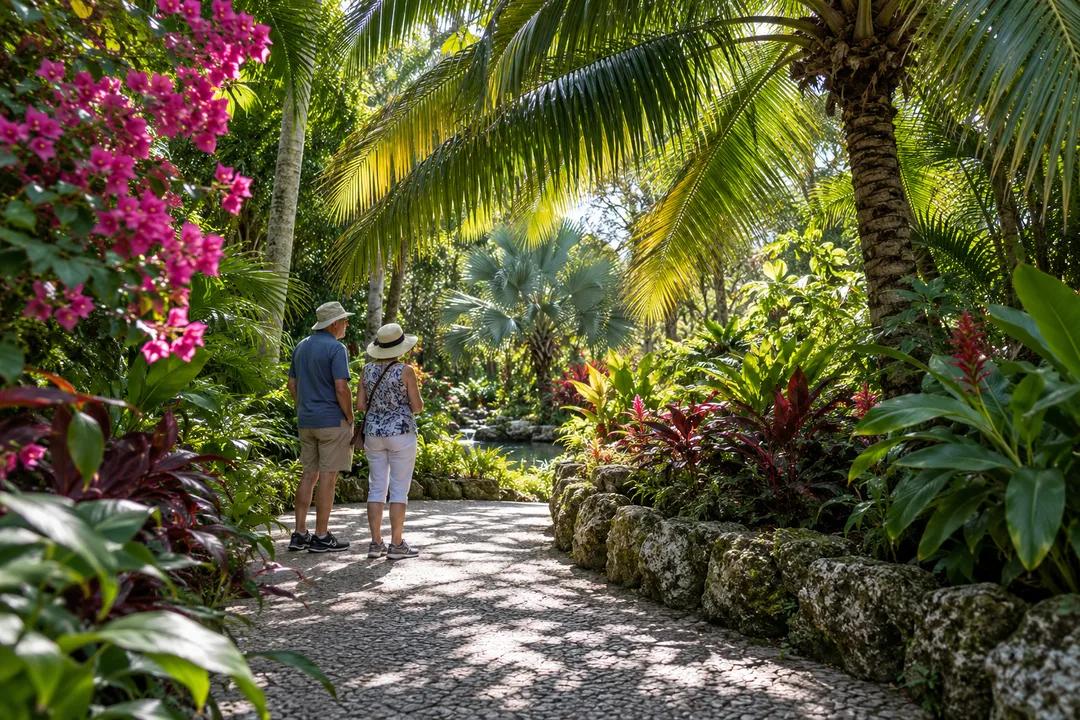
Miami Weekend Activity Comparator: Garden or Park for Shade
Compare Miami garden and coastal park walks by shade needs, walking pace and travel effort, then build a nature outing with a manageable return.
Choosing between Fairchild Tropical Botanic Garden and a coastal state park starts with the kind of nature time you want, rather than a contest between two attractive place names. A garden-focused stroll and a park walk can involve different routes, interests and expectations. Use a weekend activity comparator in the Karpo APP to compare the exact visits you are considering. Give it the walking pace, shade needs and travel limits of your group, so the answer addresses the outing you can comfortably take rather than an imaginary full-day tour.
Describe a satisfying short visit
Start by naming what would make the trip feel worthwhile. A plant enthusiast might want time to look closely at foliage and flowers. Another visitor may want an uninterrupted walk with a broad coastal setting. Someone recovering from a busy week may simply want an easy place to pause outdoors. Tell Karpo which of those purposes leads the decision. The comparison becomes clearer when a successful visit has a modest definition, such as an unhurried loop with a rest, instead of an obligation to see everything.
Set a minimum satisfying version for each candidate. For the garden, that might be a focused area selected from its visitor information. For the state park, it might be a short named route that meets your requirements. Do not let the larger destination automatically earn a higher score. A place with many possible activities is only useful if you want and can reach those activities. Ask the comparison to judge these two bounded visits against the same purpose, leaving unrelated attractions outside the decision.
Treat shade as a route question
Shade should be discussed for the intended walking route and time, rather than assumed from the words garden or park. Bring a map or route description into the planning conversation when you have one. Separate the approach from the main walk and the walk from any rest location. A route could have shaded stretches while still requiring an exposed arrival or return. Tell Karpo how long your least heat-tolerant companion is willing to spend in the sun, using that as a planning preference rather than a medical threshold.
Ask for a comparison that distinguishes what is documented from what is inferred. Trees in a photograph are not enough to establish continuous shelter along an entire path. A named resting place does not establish that it will be free for your party at arrival. If dependable shade is essential, a candidate with unresolved route exposure should remain a weak fit. This is more useful than a reassuring blanket description. You can then shorten the outdoor portion or choose a different type of outing without stretching the evidence to preserve the original idea.
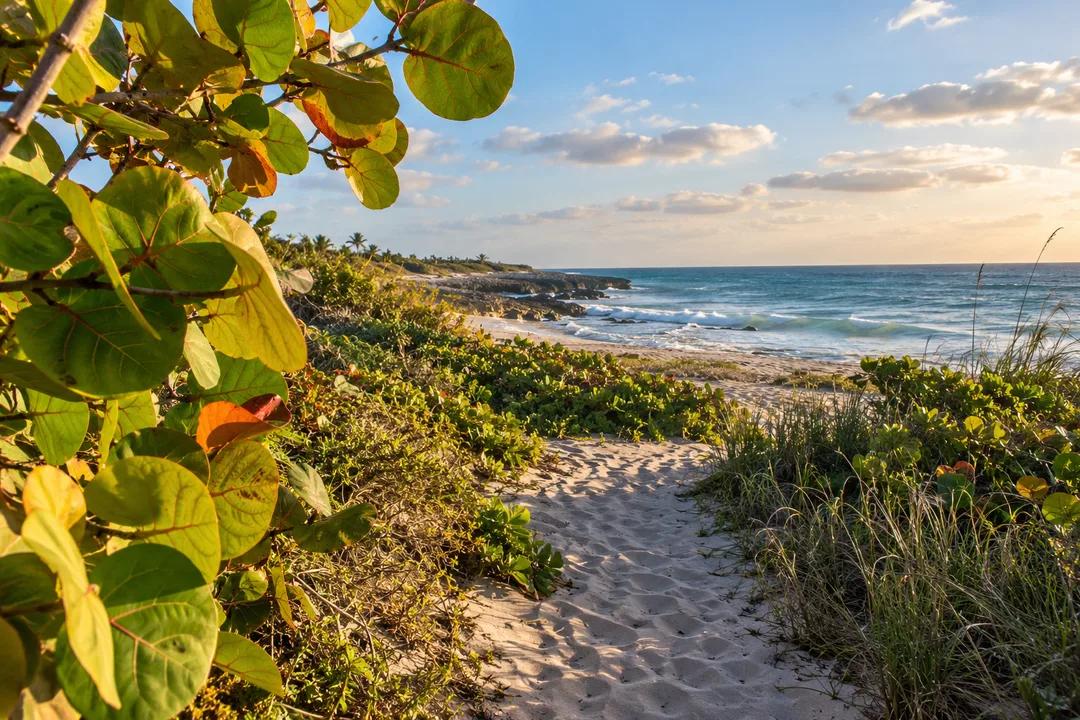
Let the slowest comfortable pace set the shape
Describe how the party walks. Include whether people enjoy stopping to inspect plants, take photographs or talk, and whether anyone needs frequent seated breaks. Those details can change the comparison more than a destination's overall size. Ask for an outward segment and return that remain comfortable at the group's actual pace. Avoid borrowing a route duration intended for brisk walkers and treating it as a promise for a family with pauses. Your plan should make room for the way you want to spend the time.
Route surfaces and access requirements deserve their own line in the comparison. Supply the official information for the particular path you are considering when a stroller, wheelchair or walking aid is involved. Do not infer accessibility from a destination's general reputation or from the presence of paved sections elsewhere. Explain any need for nearby toilets or a quick exit as a requirement to be resolved. The purpose is to avoid choosing a lovely setting whose practical details do not support the person who most needs them.
Build the budget around the visit itself
Add the admission terms and travel expenses relevant to your own party when those details are available. A garden admission and a park vehicle charge, if applicable to the offers you are considering, use different units. Ask Karpo to show the arithmetic rather than compare the headline amounts alone. Include the people traveling, the transport arrangement and any food you plan to buy. No specific price is assigned here to Fairchild or a state park. The comparison works from the actual terms you provide for your intended visit.
Value should also reflect what you want to do once inside. Paying for a broader experience may be worthwhile for someone who loves plant collections, while an additional feature can have little value to a companion who wants only a gentle walk. Ask which parts of the visit justify the commitment for your group. Keep optional purchases separate and avoid extending the route simply to feel that you have earned an entrance cost. A comfortable shorter outing can be the better use of money and attention.
Give the return journey its own space
Place the walk inside a realistic departure-to-home window. Include the trip to the entrance, any planned meal and time to regroup before leaving. Use transport estimates as assumptions that can be adjusted, rather than descriptions of live traffic. A coastal park that appeals on a map might involve a travel pattern your group finds tiring. A garden option may be easier or harder depending on where you start. Tell Karpo your departure area and preferred mode so the comparison reflects your own geography.
Work backward from the point at which the group would like to be home. Reserve some energy for the last stretch instead of spending the whole comfort allowance on the outward path. Agree on a turnaround cue, such as completing one chosen section or reaching a planned rest. It should not depend on covering the entire destination. If a member wants a longer visit, treat that as a separate future outing. This prevents the least energetic walker from feeling responsible for ending a plan that was oversized from the beginning.
Turn a nature preference into a usable request
Try a prompt along these lines: Help me compare a focused Fairchild garden visit with a short coastal state park walk for our Miami weekend. We enjoy plants and a relaxed pace, one person needs frequent rests, and avoiding prolonged sun matters more than seeing many attractions. Here are the routes and visitor details we are considering. Compare documented shelter, surfaces, essential costs and travel, and suggest a limited version of each. Add your own forecast information and intended time window so the comparison has concrete boundaries.
The final choice should identify which compromise you accept. You might select the garden for a plant-focused visit, or the coastal route for the setting you most want, provided its practical requirements fit. Ask Karpo APP to revise the weaker parts of the selected plan rather than adding more stops. Keep unresolved access details visible and use the destination's own process for any admission purchase. A conversational plan helps organize your decision, while the place's rules and your group's comfort determine the visit you actually take.
Ask Karpo for more information.
Keep reading
- Upper East Side Winter Farmers Market Picker With a Dog
 Normandy Village Winter Farmers Market Picker for an Asado
 Coral Gables Winter Farmers Market Picker for New Gardeners