 Upper East Side Winter Farmers Market Picker With a Dog
Weekend Plans
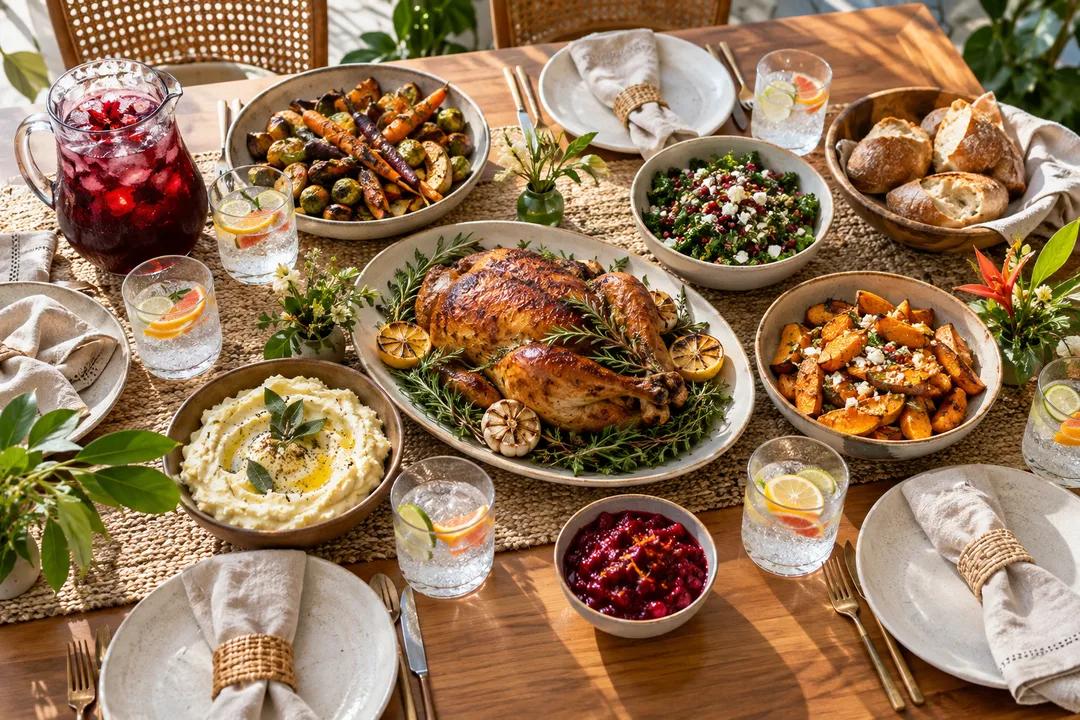
Miami Thanksgiving Outing Planner: 4 Friends, No Alcohol
Make your Miami Friendsgiving outing alcohol-free from the first invitation, with shared activities, clear spending choices, and an easy way to join.
For an alcohol-free Friendsgiving outing in Miami, make the activity the invitation. “Let's spend an afternoon together” gives people something to look forward to without making drinking the center of the plan. A Thanksgiving outing planner is useful here because the group may agree about skipping alcohol but disagree about everything else: noise, food, spending, competition, or how late to stay. Bring those preferences into the Karpo APP as a request for ideas, with alcohol-free participation stated clearly from the beginning.
Does alcohol-free mean the venue or the evening?
First decide what the group actually requires. Some friends want a setting where alcohol is absent. Others are comfortable around a bar but want an outing whose purpose and cost do not depend on drinking. Those are different selection rules. Ask privately when a public conversation would put somebody on the spot. A person should be able to set a boundary without giving a personal explanation to everyone attending.
Use precise language in the brief. “We need an alcohol-free venue” is stronger than “we would like interesting nonalcoholic drinks.” “We want a social activity without a bar stop” describes a different goal again. Keep the strongest requirement intact when reviewing suggestions. An appealing view or a clever activity does not cancel a participant's boundary. If the group needs separate options, acknowledge that early instead of negotiating the boundary after arrival.
Compare gatherings by what people will actually do
Consider a conversation-led outing first. Its appeal is time together, with little pressure to perform or compete. The group might want a short walk followed by a gathering in a host's home, or simply a seated afternoon where everybody can talk. This approach suits friends who have not seen one another recently. Its limitation is that the host may need to supply the structure, especially when participants do not all know each other.
An activity-led gathering offers a different advantage: a shared task gives people a natural subject. Ask for ideas involving a cooperative activity, a creative session, or a light game, depending on the group. Treat these as categories to explore rather than announcements of a holiday event. An activity requiring instruction or admission also requires a deliberate commitment from the participants. Do not let the attraction of “something different” obscure whether people want that level of effort.

A food-led version can feel festive, but it needs an appetite question. Friends coming from family meals may want company without another dinner. Specify whether the group wants a snack, a dessert, or no additional food. If somebody avoids an ingredient, include that as a selection requirement. A restaurant offering a dish or drink in general is not proof of a particular holiday offering, and a menu suggestion is not an allergy assurance.
Separate the social budget from the drinks conversation
Ask everyone for a comfortable total spend before selecting an activity. Include transport and admission in that discussion. A supposedly inexpensive outing can become awkward if the group agrees only on the cost of a drink or snack. There is no need to publish individual finances. The organizer can gather limits privately and use the lowest workable amount when requesting suggestions. Any amount you supply is your own ceiling, not a claim about a business's prices.
Avoid replacing alcohol with a requirement to buy specialty drinks. Some friends will want a celebratory beverage, while others will be happy with water or tea. Give both choices equal standing. If one person offers to pay for a shared item, make the offer explicit and voluntary. For separate orders, state that people handle their own purchases. Agreeing on payment before the outing prevents a relaxed gathering from ending with a calculation nobody expected.
Give Karpo the social details that affect the shortlist
A useful request could be: “I am organizing an alcohol-free Friendsgiving outing for four adults in Miami. We want an activity that helps friends talk, with no drinking games or bar crawl. Two people prefer a quiet setting. We have already eaten, and we want each person to choose whether to buy anything. Suggest different types of outing and explain the effort each would involve.” Add your starting neighborhood and the amount of time you have.
Choose between the resulting approaches using the group requirements. If a suggestion is centered on drinking, discard it even if a nonalcoholic option appears in the description. If a suggestion seems too noisy, ask for a quieter alternative while retaining the same social purpose. You can request a comparison of conversation-led and activity-led ideas. The useful output is a set of possibilities to evaluate, not an assurance that a venue has space or that an event is running.
Make the invitation easy to accept without questions
Send a short invitation that says what the outing involves, when the group will meet, what spending is optional, and when it will finish. Put the alcohol-free boundary in the first message. Friends should not have to ask whether the evening will become a bar crawl later. Include an uncomplicated way to decline or arrive for only part of the gathering, particularly when people have family commitments on the same day.
If you are welcoming a new friend, explain the social format. “We will play a casual cooperative game before going for a short stroll” is more useful than “come hang out.” Avoid assigning people roles, asking them to bring alcohol-free substitutes, or making the gathering a discussion of why they do not drink. The goal is ordinary companionship. A shared activity can support that goal without turning anyone's personal choices into the entertainment.
Keep a quieter version available
A lively group and a tired group may need different evenings. Decide what you can remove while preserving the gathering. Perhaps the competitive element becomes cooperative, the walk becomes a short outing near the host, or everyone stays seated rather than moving between places. Choose a fallback that does not introduce the very bar environment the original plan was meant to avoid. Familiarity is useful when energy falls and people no longer want another decision.
For a home-based alternative, decide whether the host wants guests to bring anything and whether cleanup is shared. A host who has already cooked Thanksgiving dinner may prefer to attend an outing rather than run another event. Put that person's capacity into the decision. “Free to attend” and “effortless for the host” are not interchangeable. A good Friendsgiving arrangement makes the labor visible enough that it can be shared fairly.
Practical notes for keeping the gathering comfortable
Keep one organizer responsible for the final details and let participants handle their personal travel. Agree on an ending instead of relying on the gathering to fade out. Give anyone leaving early a friendly exit without a group vote. When discussing the final plan, focus on the activity, companions, and comfortable pace. Alcohol-free should be a settled part of the invitation, not a rule the organizer has to defend repeatedly through the evening.
Open the Karpo APP with your group's boundaries when you are ready to ask for outing ideas. Start with the setting requirement, then explain the social mood and practical limits. A successful choice gives everybody a clear reason to come and equal freedom to participate. The memorable part can be a conversation, a shared game, or the pleasure of leaving the holiday table together, with no extra performance required from anyone who skips alcohol.
Ask Karpo for more information.
Keep reading
- Upper East Side Winter Farmers Market Picker With a Dog
 Normandy Village Winter Farmers Market Picker for an Asado
 Coral Gables Winter Farmers Market Picker for New Gardeners