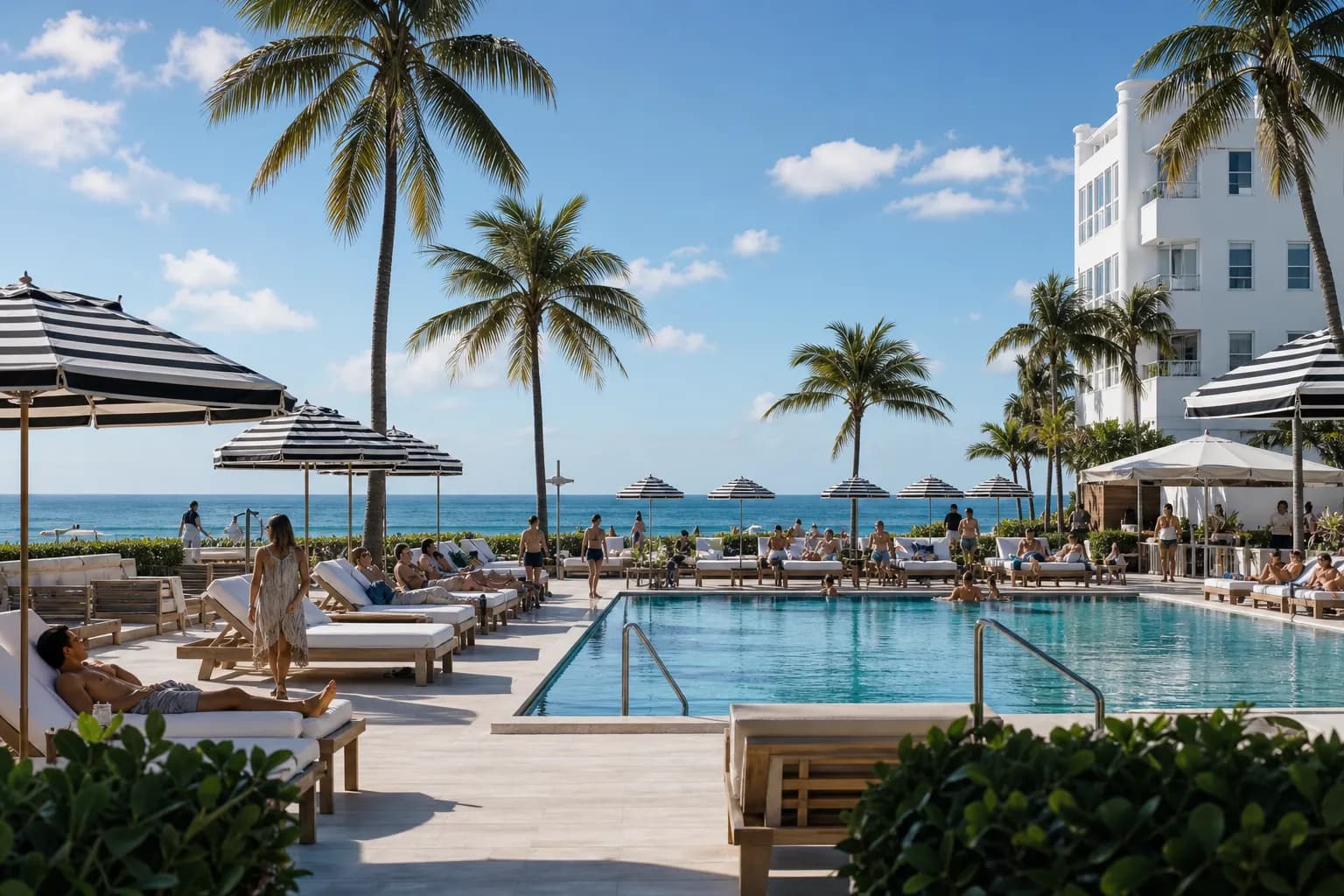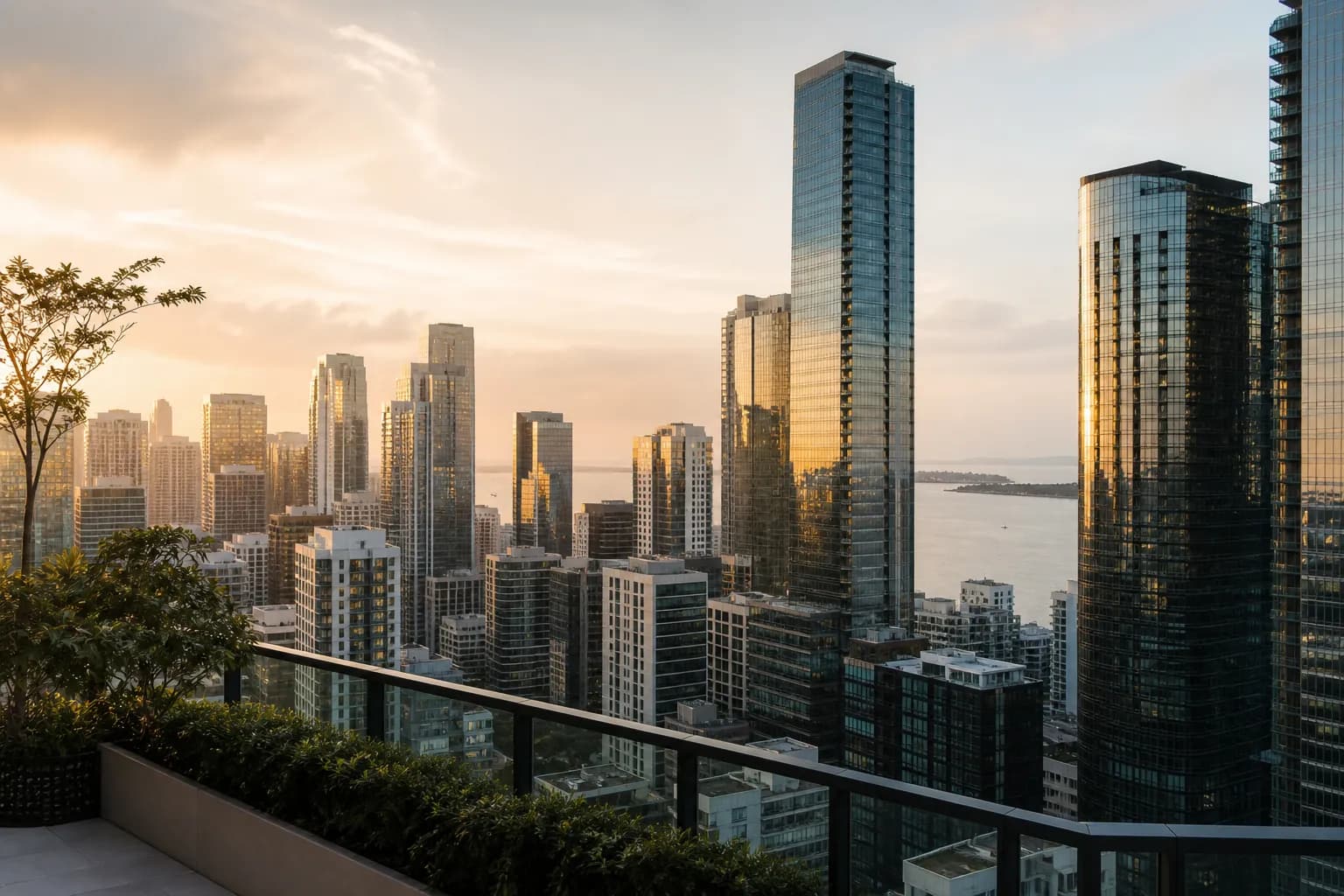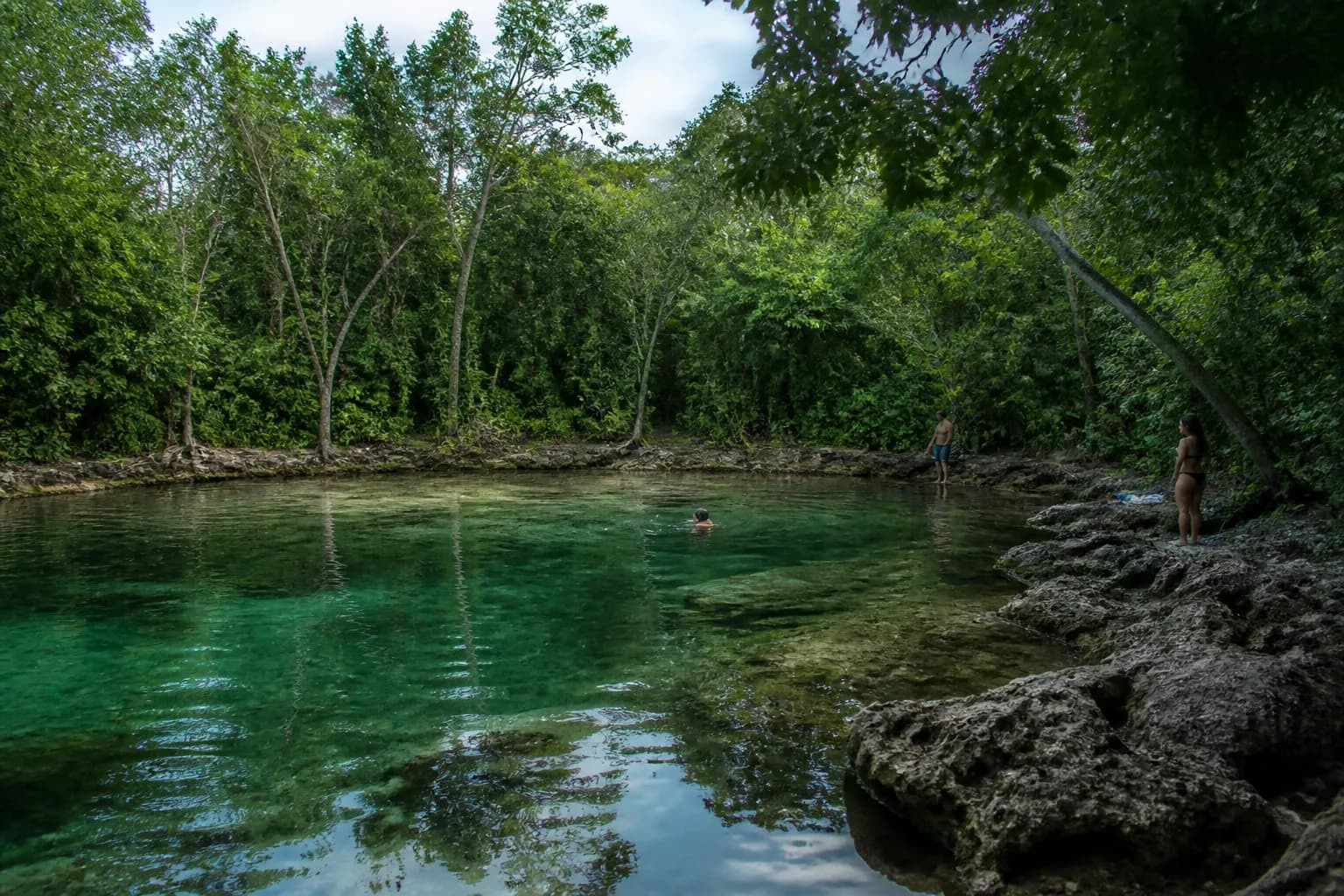
When you search for "swimming holes near me" in Miami, the results can feel wider than the phrase suggests. Around here, a relaxing evening swim might mean an oceanfront beach, a bay-facing shoreline, a lagoon-like area, a hotel or residential pool you already have access to, or a public aquatic facility if it is available at the time you need it. The easiest night begins by choosing the experience first, not the pin on the map. Ask whether you want open ocean energy, calmer protected water, a quick dip after dinner, or a place where non-swimmers can sit comfortably while others get in.
Map your calm-swim plan before sunset
For a low-stress evening, prioritize simplicity over novelty. In Miami, that usually means choosing a swim option near your starting neighborhood, with straightforward parking or transit, visible public access, and an obvious exit route if weather changes. If you are in Brickell, Downtown, Edgewater, or Wynwood, crossing to the beach can add uncertainty at peak traffic times, while a closer bay-side plan may be easier if swimming access is clearly allowed. If you are already in Miami Beach, Surfside, North Beach, Coconut Grove, Coral Gables, or Key Biscayne, your decision may come down to water conditions, lighting, and how far you want to walk after you park or get off transit.
Use the map, then verify the details live
A map search is useful for building a shortlist, but it should not be your final decision. Search from your current location and compare results with satellite view, recent photos, official city or county pages, and current navigation times. In Miami, a spot that looks close by distance can be slow by road, especially when bridges, causeways, events, or weekend beach traffic are involved. Look for signs that the access point is truly public, that swimming is allowed, and that there is a safe place to enter and leave the water. Avoid relying on old photos alone, because shorelines, construction zones, and access rules can change.
Before leaving, check live weather radar, marine conditions, beach advisories, and recent user reports. Evening plans are especially sensitive to thunderstorms, lightning, wind shifts, and rough surf. Miami can look clear in one direction while a storm builds fast inland or offshore. If you are considering ocean water, check for rip currents, wave height, wind direction, and any posted advisories. If you are considering bay or canal-adjacent water, be more cautious about runoff after heavy rain and avoid places where the water looks stagnant, smells unusual, or has visible debris. A beautiful sunset does not override a bad water-quality or lightning situation.
Match the neighborhood pattern to your stress level
Miami neighborhoods create very different evening swim logistics. Miami Beach and the barrier-island areas can be appealing because ocean access is often the most familiar choice, but the tradeoff is congestion, paid parking complexity, longer walks, and busier sand near popular corridors. North-south movement on the beach side can also be slower than it appears. If your goal is a calm night, consider whether you are willing to park farther away, walk with towels and dry clothes, and deal with crowds after sunset. If not, choose a less complicated area or plan to arrive earlier than you think you need to.
On the mainland, areas like Coconut Grove, Coral Gables, Downtown, Brickell, Little Havana, and the Upper Eastside may place you near beautiful water views without always providing easy or appropriate swim access. Do not assume that every waterfront park, seawall, marina edge, or causeway pull-off is a safe swimming spot. Many are better for sitting, walking, or watching the water than for entering it. For the simplest evening, favor locations where the entry is obvious, other swimmers are present, rules are posted, and you can leave quickly if the mood changes. If you cannot confirm those basics, treat the place as a scenic stop, not the main swim plan.
Time your evening around light, storms, and the trip home
A low-stress Miami swim often depends more on timing than on finding the most photogenic place. Late afternoon can give you better visibility, easier orientation, and more time to read signs before the light fades. Sunset is beautiful, but arriving right at sunset can make parking, walking, and judging water conditions harder. If you are unfamiliar with the location, aim to arrive with enough daylight to locate the entrance, identify restrooms or rinse areas if available, check posted rules, and decide where you will keep your belongings. Darkness adds friction, especially if you are with children, visitors, or anyone who needs extra time moving across sand or uneven ground.
Weather is the main reason to keep your plan flexible. In warm months, storms can develop quickly and lightning risk should end the swim immediately. Do not wait to see whether other people stay in the water. Wind can also change the feel of a place: a breezy oceanfront evening may be fun for a walk but less relaxing for swimming, while protected water may feel calmer if access is appropriate and conditions are clean. Also think about the ride home. A spot that feels easy at 6 p.m. can become annoying if post-dinner traffic, event traffic, or limited transit frequency stretches the return. Choose a place that lets you leave without a complicated detour.
Build a clear backup before you commit
The best evening plan has a backup that is not just another version of the same risk. If your first choice is ocean swimming, your backup should not be another oceanfront point with the same surf, lightning, or parking problem. Choose a second option that solves the likely failure: a dry waterfront walk if storms are nearby, a neighborhood dinner-and-stroll plan if parking is bad, a pool you are already allowed to use if open-water conditions are poor, or a sunset viewpoint where no one has to swim. The backup should be close enough that switching does not feel like starting over.
Set your switch point before you leave. For example: if navigation jumps beyond your comfort limit, switch; if radar shows storms moving toward the coast, switch; if you arrive and access is unclear, switch; if the water has warnings, strange color, strong odor, or rough entry, switch. This simple rule prevents the common Miami mistake of pushing ahead because you already drove across town. An easier night is not about finding the perfect hidden place. It is about choosing a safe, clear, low-friction swim option and having a backup that still gives you a pleasant evening near the water.
A simple plan before you go
- Check live radar and posted water advisories before leaving.
- Confirm public access and legal swimming before entering any waterfront area.
- Arrive with daylight if you do not already know the spot.
- Choose a backup that avoids the same parking, weather, or surf problem.

Tags: #weekend_plans #miami
Sources consulted: Official city information · Google Maps · Karpo local search
All trademarks are the property of their respective owners.