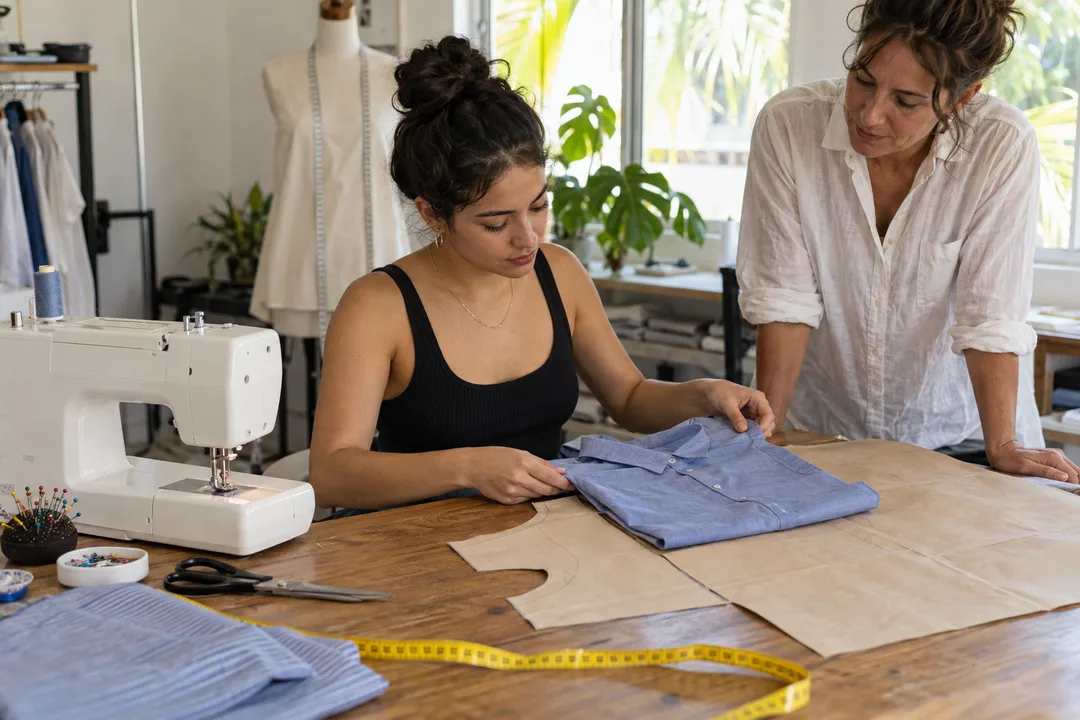
 Miami Sewing Class: $299 Courses And Flexible Hours
Weekend Plans
West Kendall Sewing Class: Free Monday Practice
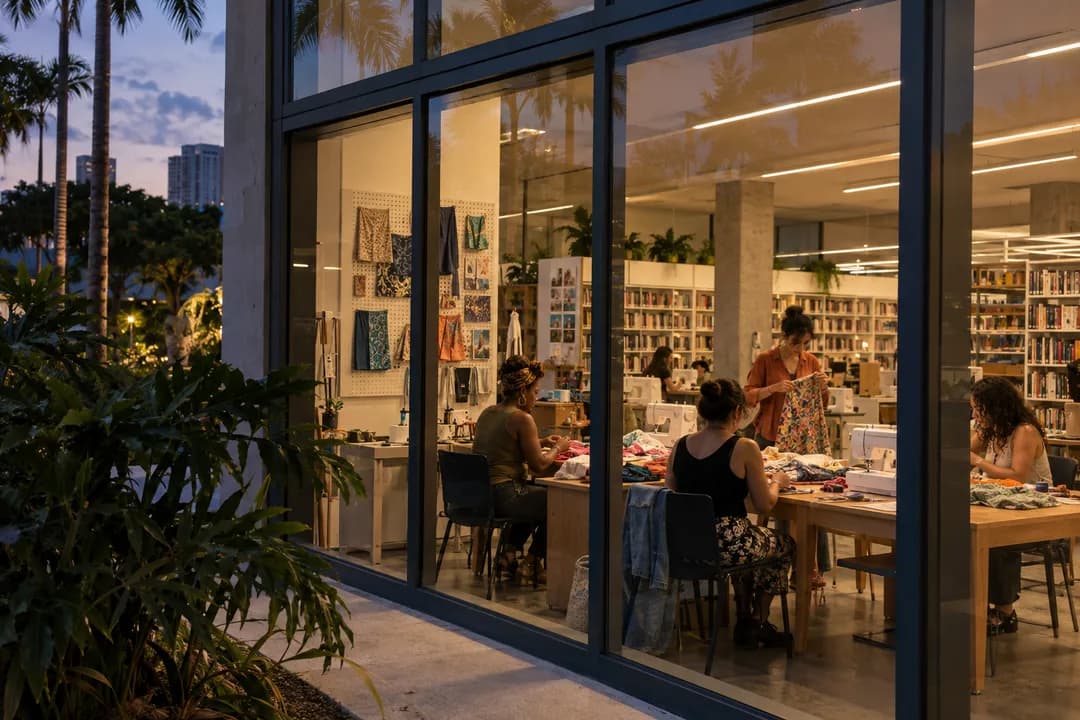
YOUmake Miami's West Kendall sewing class is a free, registration-only Monday session at 10201 Hammocks Boulevard, with eight seats and a shared practice table.
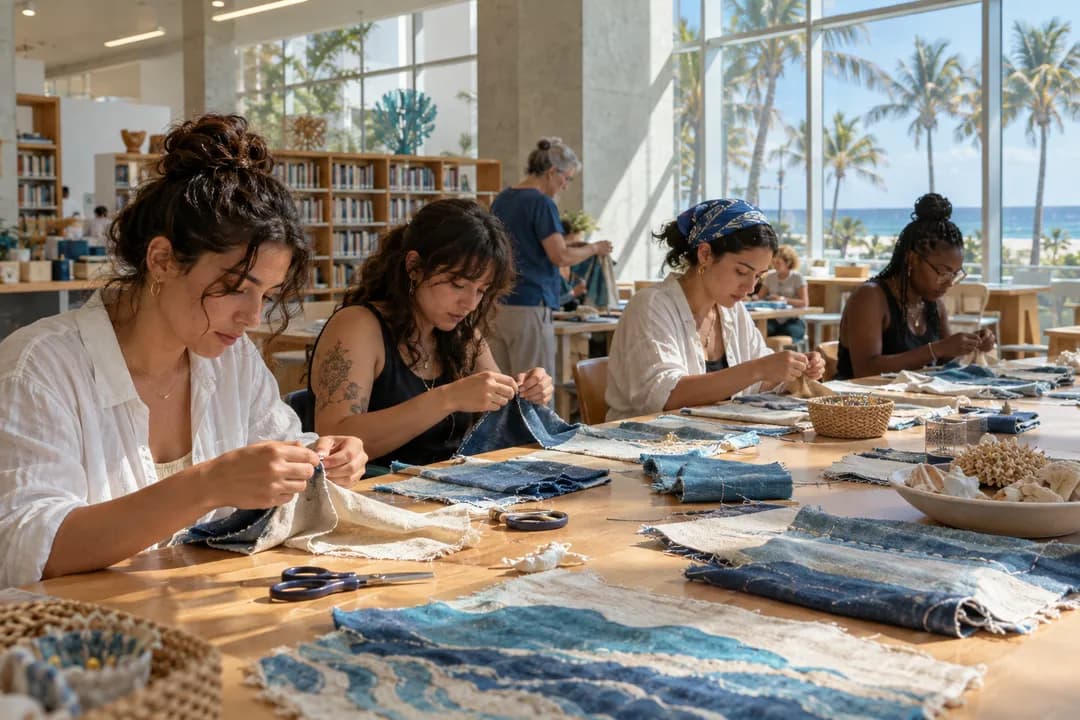
YOUmake Miami's West Kendall sewing class is the free Sip & Stitch Club at West Kendall Regional Library, 10201 Hammocks Boulevard, Miami, Florida. The Miami-Dade Public Library System lists the session for Monday, October 26, 2026, from 5–6:30 pm, with capacity for eight and registration required. That combination matters: this is a scheduled community table, not an all-day open studio where you can walk in whenever you like. The calendar gives a beginner a concrete arrival time, a finite group, and a clear reason to bring one small project instead of an entire sewing room. The branch setting also makes the class approachable for people who have never entered a dedicated sewing shop.
What The Monday Session Is
The listing puts the activity inside the library's YOUmake and Sewing and Fiber Arts programming. In practical terms, the attraction is a low-pressure place to continue a small project while other people work nearby. A participant who is still learning threading, seams, or fabric handling can ask a focused question without paying for a private course. Someone with more experience can bring a nearly finished piece and use the ninety-minute window to solve one stubborn step. A library calendar gives the evening a dependable boundary, which helps a first-time maker decide how much to pack.
The eight-person capacity shapes the entire visit. Seats are limited enough that registration is not an administrative detail; it is the rule that protects the working format. Save the event confirmation, arrive before 5 pm, and avoid treating the class like a drop-in craft shelf. If the calendar asks for a registration step, complete it before leaving home so staff are not trying to rebuild the attendance list while the group is starting. The small roster means every participant should protect the group's shared attention and keep questions tied to the project.
How The Small Table Works
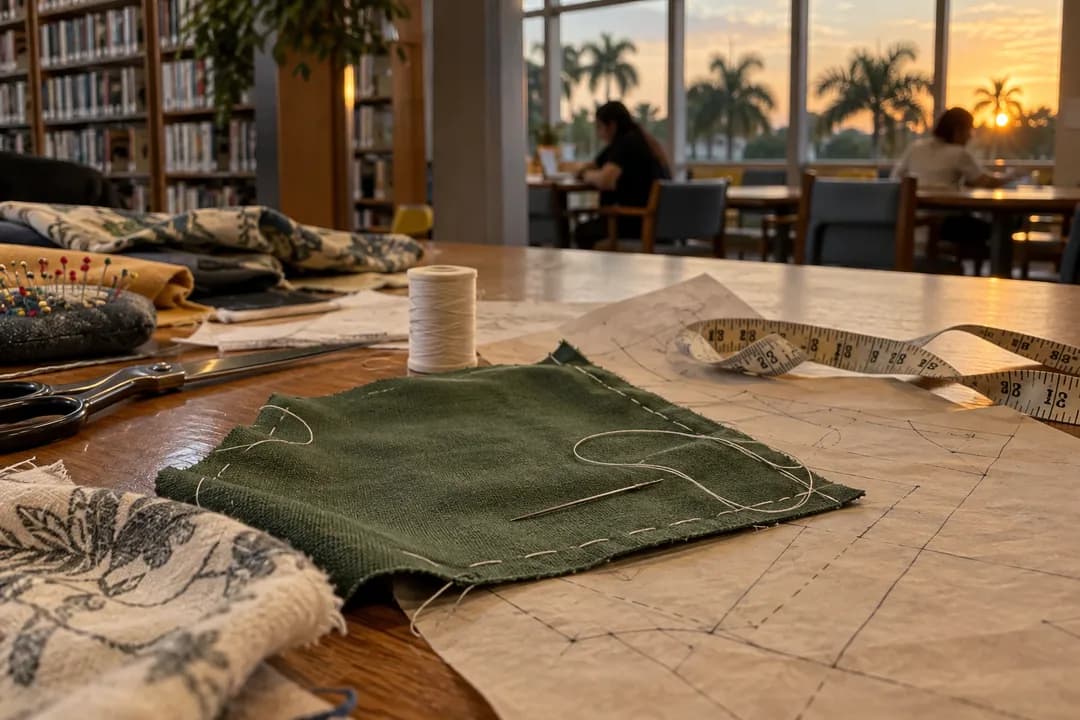
A useful first project is a hem, a small patch, or a simple pouch rather than a full garment. Bring one piece with a clear next action: mark the seam, attach the closure, or practice a straight line. That preparation gives the instructor and neighboring makers something concrete to discuss. It also keeps the evening from disappearing into the vague question of what to sew next. A fabric scrap with a visible grain lets the instructor explain alignment without risking the finished piece.
The best room etiquette is easy to see at a shared table. Keep scissors and pins in your own work area, collect thread ends, and return any borrowed tool before moving to a different task. Do not spread a whole wardrobe across a small seat. A labeled pouch for your fabric, bobbin, needle, and notes makes it easier to pack up at 6:30 pm without leaving scraps behind. The most useful improvement may be learning to stop, inspect, and unpick one crooked line before continuing.
What To Bring And Make
Beginners should say exactly what they are trying to do. 'My machine is not working' is harder to answer than 'the thread keeps looping on the underside of this seam.' More experienced participants can be equally specific when helping: demonstrate one motion, let the learner repeat it, and stop before the explanation becomes a second lesson. The quiet exchange is part of why a library sewing club feels different from a video tutorial. That kind of patient correction is easier to practice when several people are working through ordinary mistakes together.
There is no ticket price in the current public event listing, so the useful planning assumption is that this library session is free but requires registration. Do not confuse free admission with unlimited capacity. The listing states a capacity of eight, and a full roster is exactly what makes the small-group format workable. The program contact number published with the event is (305) 921-5819. The program's free format lowers the financial barrier, while registration keeps the teaching table manageable.
A West Kendall After-Class Plan
The Monday time is especially practical for people who work or study earlier in the day. Eat a small snack before arriving, then treat the class as a focused ninety-minute appointment rather than a long night out. Arriving at 4:50 pm gives you time to settle fabric and tools. Arriving at 5:20 pm means you may spend a meaningful part of the session catching up on a demonstration. Even a person with a full-time schedule can use the five o'clock start as a repeatable weekly craft appointment.
A good West Kendall rhythm is class first, then a short neighborhood walk after the table is cleared. Keep the route close to the Hammocks area instead of planning a cross-town errand. The point is to let a small project stay in your head while you walk: notice a seam that needs reinforcement, a pocket shape worth copying, or a color combination for the next visit. The Hammocks surroundings offer enough breathing room to review notes without turning the evening into another complicated itinerary.
Practical Notes For Registration
For a rainy evening, make the library itself the backup plan and bring a project that fits inside one pouch. For a full class, do not arrive hoping to negotiate a spare chair; use the published program phone and choose another listed event. A private studio is a different kind of alternative, so it should not be presented as the same free community experience. A simple backup project, such as visible mending, keeps a rainy-night visit useful even when the original plan changes.
The program is also a good fit for parents, retirees, students, and independent makers who want a recurring habit rather than a one-time makeover. The shared table gives each person a different reason to attend, but the ninety-minute limit creates a common pace. Nobody needs to finish a garment. Finishing one seam correctly is enough progress for one Monday. Parents and older learners can share the table because the activity rewards attention rather than speed or prior credentials.
Photographs and finished examples can be useful references, but keep the working goal modest. Write down the needle size, stitch length, or order of operations that helped. If the next Sip & Stitch listing changes topic, the note lets you carry the method forward even when the project changes. Sewing becomes easier when each visit leaves a small record instead of a memory that says only 'I practiced.' Writing the next action down prevents the common beginner problem of returning home with enthusiasm but no clear starting point.
West Kendall Regional Library is a public branch, so plan for a community setting rather than a boutique classroom. Use a quiet voice when someone is demonstrating, keep personal supplies compact, and leave the table as clean as you found it. Those expectations are not decorative; they protect the next person who needs the same shared surface for a different craft. A clean work surface is especially important in a public branch where the room may host another program afterward.
For a first visit, pack a small fabric project, one spool of thread, a seam ripper, a pencil, and a short list of questions. The library listing supplies the date, 5–6:30 pm schedule, capacity of eight, registration rule, address, and program phone. Those details are enough to plan a calm arrival without inventing a price or promising a lesson the event does not advertise. The contact number is most useful before the event, when a quick question can prevent an avoidable registration mistake.
YOUmake Miami's West Kendall Sip & Stitch is strongest when you want free practice, a little accountability, and a room where asking a basic question is normal. Register before Monday, reach 10201 Hammocks Boulevard before 5 pm, and bring one manageable task. The winning outcome is not a finished collection; it is leaving with a cleaner technique and a reason to return to the machine at home. The best measure of the session is a repeatable motion, not the number of inches finished before the clock reaches six thirty.
Ask Karpo for more information.
Keep reading
- Miami Sewing Class: $299 Courses And Flexible Hours
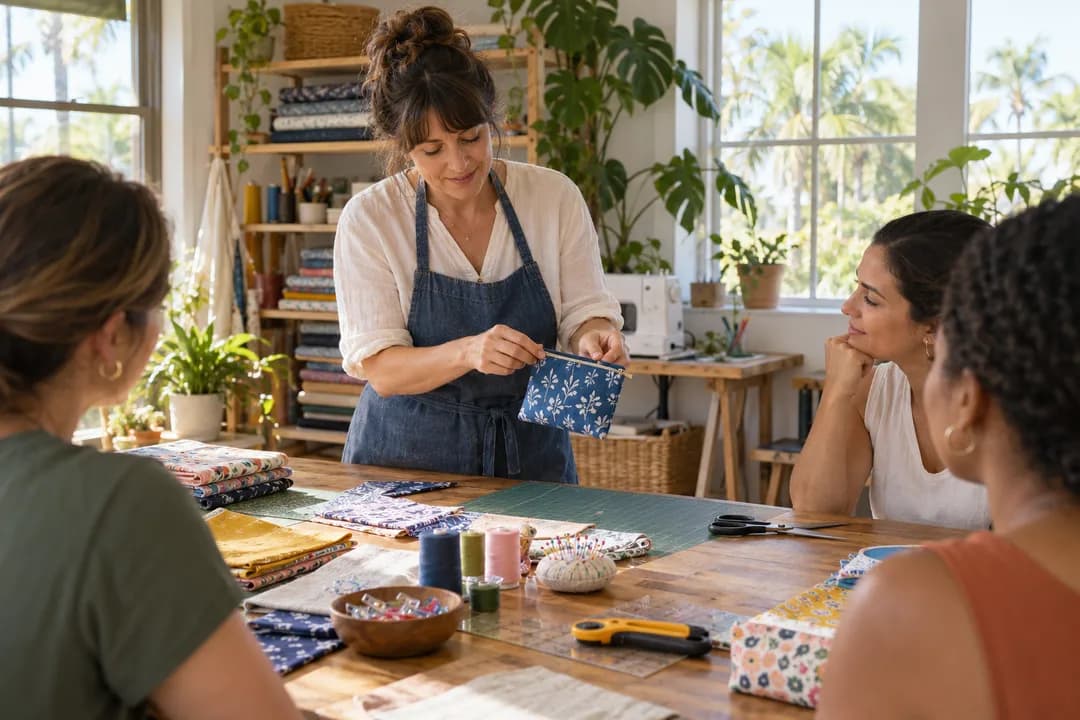 Palmetto Bay Sewing Class: $75 Projects With Supplies
 Miami Beach Sewing Class: Free Saturday Library Practice