 MOCA North Miami Contemporary Art Space: Saturday Hours
Weekend Plans
Miami Sewing Class: $299 Courses And Flexible Hours
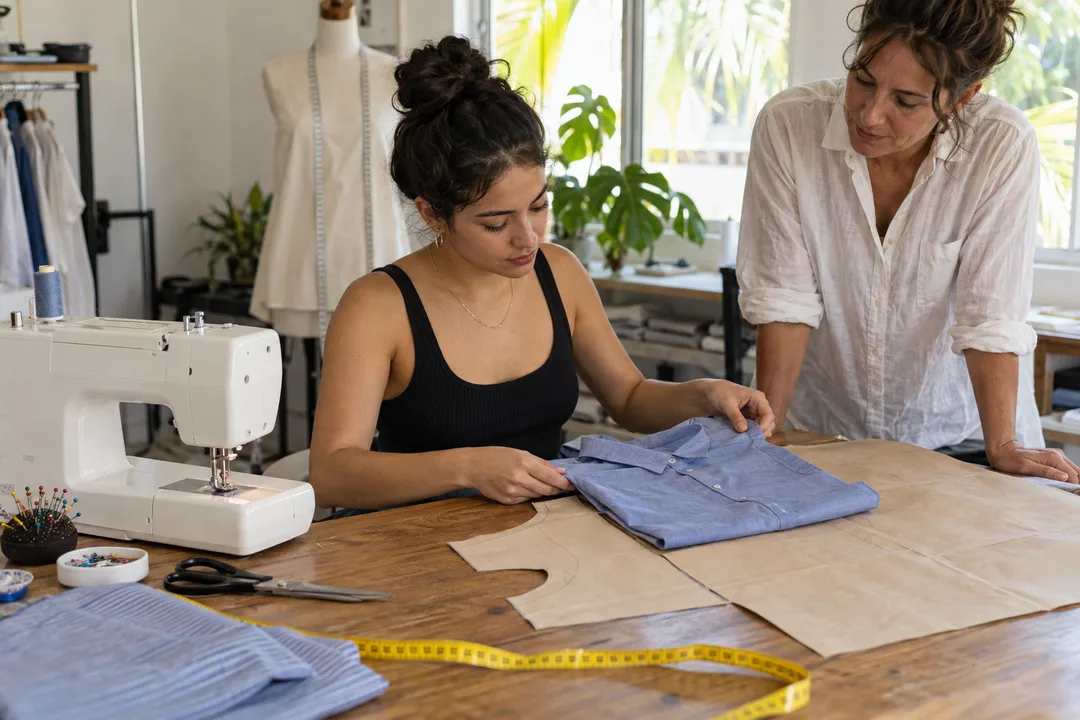
Sewing Classes Miami teaches personalized courses at 957 SW 87th Avenue, with $299 ten-hour courses, a $35 registration fee, and Tuesday–Saturday hours.
Sewing Classes Miami teaches at 957 SW 87th Avenue, Miami, Florida 33174, on the second floor of Shopping Portofino IV Center, Suite 957. The studio describes personalized courses with a maximum of three students, ten hours per course, and two-hour classes. Its published phone numbers are (305) 302-9665 and (305) 283-9785. The regular course price listed on the current site is $299, plus a $35 registration fee. That is a different proposition from a free library meetup: the student is buying continuity, repeated feedback, and a path through several construction decisions. The suite location, small roster, and five-lesson shape are useful details for anyone comparing a structured course with a one-off craft event today. The second-floor suite matters because a commercial-center visit feels smoother when the learner knows exactly where to go.
How The Personalized Courses Work
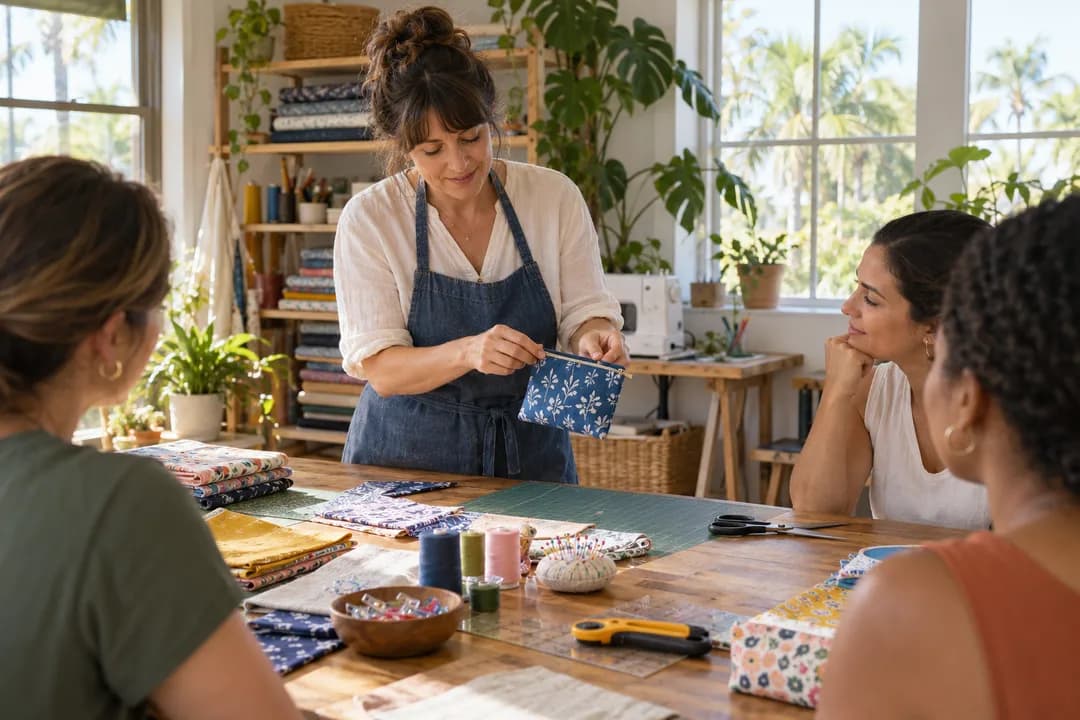
The small class size is the defining feature. With up to three students, the instructor can move from fabric choice to machine use to a specific fitting question without treating every learner as if they started at the same point. That format suits a person who wants a garment goal, a returning sewer rebuilding confidence, or a beginner who needs someone to watch the first few attempts closely. A three-student maximum gives the instructor room to notice details that disappear in a large classroom.
The ten-hour structure is divided into two-hour classes, and the site says one class per week completes a course in five weeks. It also lists Tuesday through Saturday morning, afternoon, and evening availability according to the schedule. You can choose more than one class per week when the timetable allows. The useful planning move is to choose a rhythm you can actually maintain, not the fastest possible finish. The ten-hour course is easier to complete when the learner chooses a weekly rhythm that fits normal life.
Pick A Level And Project
Course levels give the visit a practical direction. A first course covers fabric review, commercial patterns, machine use, and a scrub-blouse project. Later work moves into measurements, pattern making, shirts, collars, cuffs, plackets, buttons, buttonholes, or lower-body garments with pockets and zippers. Pick the level that matches your current experience; a complex pattern is not a shortcut to competence. Course descriptions help students select a level by technique rather than by the ambition of a picture on social media.
The studio is in a commercial center, so arrive with the suite number visible: second floor, Suite 957. A small project bag is easier to manage than loose supplies. Bring the pattern or garment idea you discussed when booking, the fabric named by the course, and a notebook for measurements. The first lesson should begin with decisions already made, not a search through an overstuffed tote. A prepared pattern question turns personalized instruction into a decision the student can use immediately.
The Studio Rules That Matter
The studio's private rhythm has a few important boundaries. A deposit is required at phone reservation, full payment is required at reservation according to the site, and the $35 registration fee is separate from the course price. The site also says classes are available Tuesday through Saturday and asks prospective students to call for future availability. Those rules reward a phone call before travel. Reservation and payment rules are part of the studio's operating structure, not details to discover after arriving.
The current price points are $299 per course and a $35 registration fee. Use those figures instead of copying an expired promotion from an older page. The site also lists course-specific prices and specials in places, but a standard plan should be built around the regular course and registration amounts unless the studio confirms a different reservation. The phone numbers are (305) 302-9665 and (305) 283-9785. The listed course and registration prices make a responsible budget possible before the first phone call.
A Practical Portofino IV Stop
A good first appointment starts with a clear question. Ask whether your fabric suits the chosen pattern, whether the project needs interfacing, and which machine foot the lesson will use. Then let the instructor demonstrate before you begin. Personalized teaching is most valuable when the learner brings a real decision, because the answer can be applied immediately to the project on the table. A notebook is especially valuable when measurements, foot choices, and construction order change during one lesson.
The nearby walk should be simple and functional. After a lesson at Portofino IV Center, take a short break before driving home and review the measurements or construction order in your notebook. Look at the fit and finish of clothing around you, but resist turning the walk into a shopping mission. The studio's strength is turning observation into a specific pattern decision. The Portofino IV setting keeps the after-class pause practical: review notes, gather supplies, and continue the project later.
Practical Notes For Booking
If a requested evening slot is unavailable, use the phone numbers to choose another start time rather than inserting a guessed appointment into the calendar. Tuesday through Saturday availability is published, but the site says times are according to availability. That is a scheduling fact, not a reason to write 'usually' or promise a particular hour without a reservation. A phone call is the right backup when a preferred Tuesday through Saturday time is not available.
Sewing Classes Miami is strongest for learners who want a sequence and personal correction. It is less suited to a casual one-hour craft event or someone who wants to borrow a machine without a course plan. The maximum of three students changes the feel: you are paying for continuity, feedback, and a project that can be revisited across several two-hour sessions. The studio is strongest for continuity, so a learner should be willing to practice between the two-hour appointments.
For a first level, choose a woven fabric that makes the grain and seam allowance easy to see. Leave ambitious stretch fabrics, swimwear, or complicated tailoring for a level that lists the needed experience. The site's course descriptions make that progression clear. A small, accurately finished sample teaches more than a large project that never reaches the fitting stage. A stable woven fabric lets the first lesson focus on accurate construction rather than difficult material behavior.
Respect the instructor's one-on-one rhythm by preparing while another student is being coached. Keep your pieces labeled, mark the right side of the fabric, and write down every measurement before moving to the machine. That quiet preparation keeps the small class moving and makes it easier for the instructor to give you a useful correction when attention returns to your station. Preparing while another student receives feedback keeps a small class moving without making the learner feel hurried.
Before leaving, note the next class date, the next construction step, and any material you need to bring. The official site supplies the address, second-floor suite, phone numbers, course length, regular price, registration fee, and Tuesday–Saturday schedule. Those details are enough to book responsibly without inventing a drop-in policy or a guaranteed evening appointment. The next-class note is a simple way to protect momentum when several days pass between lessons. At 957 SW 87th Avenue, Sewing Classes Miami offers a focused route from fabric choice to finished technique. Budget $299 for the listed ten-hour course and $35 for registration, call one of the published numbers, and choose a schedule you can sustain. The three-student maximum is the reason to come with a real project question; it is where the personalized format earns its value. Bring that question to the first lesson and keep practicing between visits. The three-student format earns its price when the student arrives with a question that deserves an individual answer.
Ask Karpo for more information.
Keep reading
- MOCA North Miami Contemporary Art Space: Saturday Hours
 ICA Miami Contemporary Art Space: Free Design District Hours
 Palmetto Bay Sewing Class: $75 Projects With Supplies