 Upper East Side Winter Farmers Market Picker With a Dog
Weekend Plans
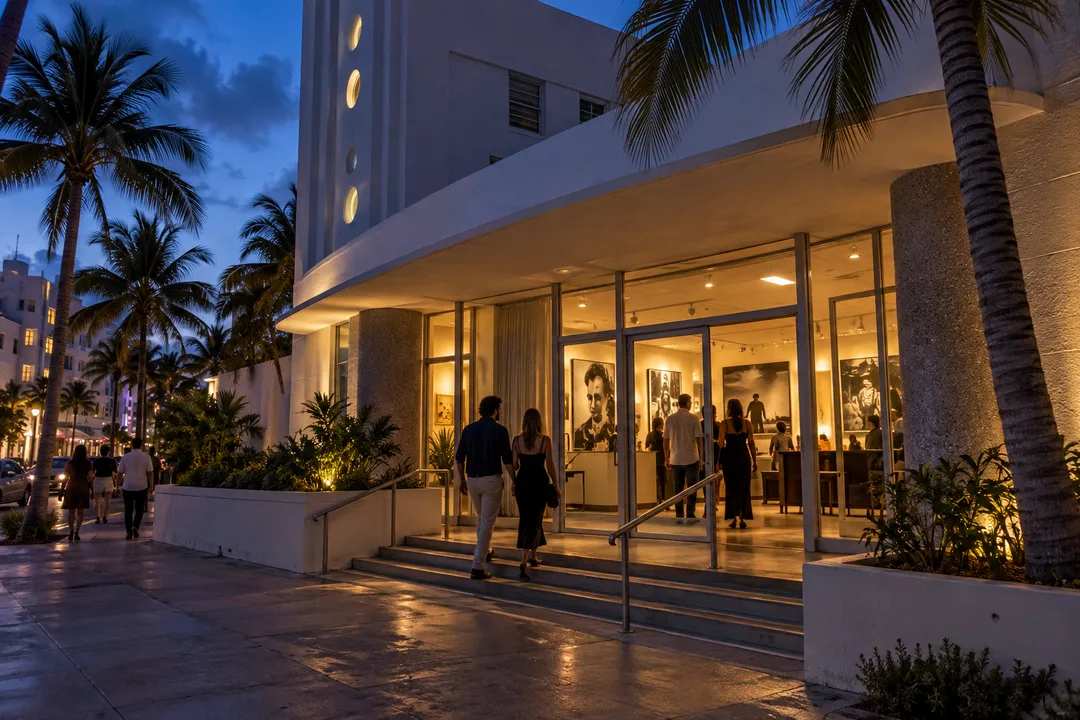
Miami Beach Cinematheque Scary Movie Marathon Night Plan
Miami Beach Cinematheque at 1130 Washington Avenue suits a flexible scary movie marathon built around two films, conversation, and a South Beach walk.
Miami Beach Cinematheque changes the emotional scale of a scary movie marathon. At 1130 Washington Avenue, Miami Beach, Florida 33139, with (786) 385-9689 listed publicly, the venue feels like a meeting place for people who care about the program rather than a giant machine for processing crowds. Begin by making the cinema the fixed point. Let the official site carry the dated program and ticket flow, then tell the group that the first decision is simply which film deserves everyone's best attention. That agreement keeps the evening human from the opening frame.
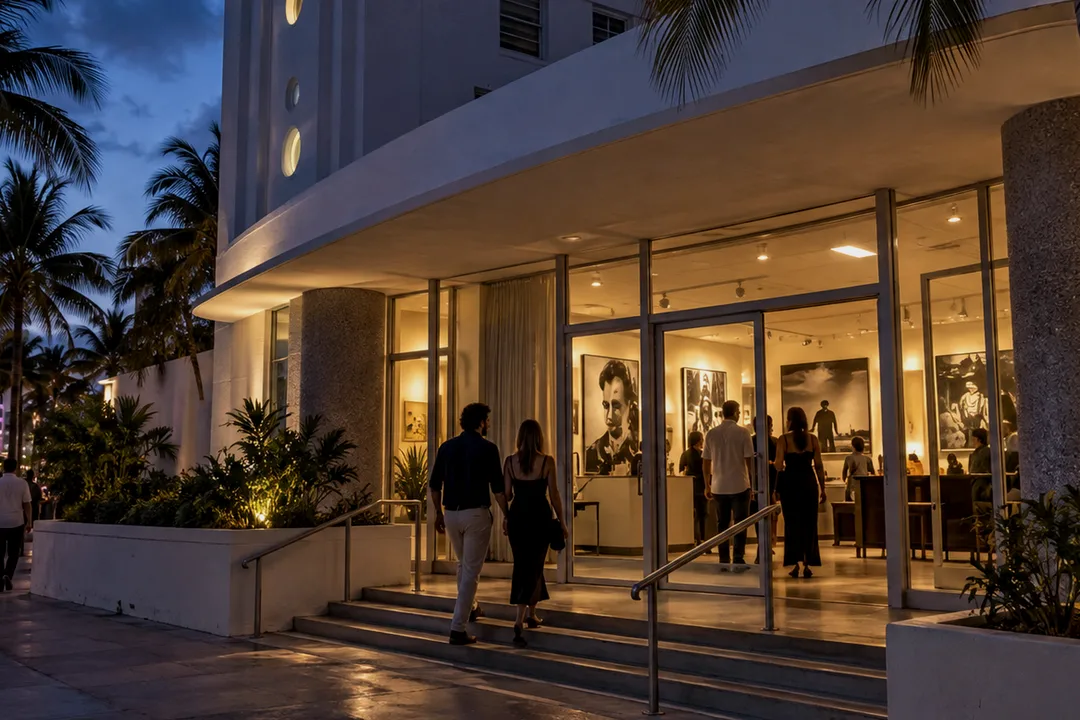
Start with the room, not a quota
The strongest version here is usually a deliberate pair. Start with a film that gives the room time to settle, then follow with something stranger, louder, or more formally adventurous. An art-house marathon works when the second selection changes the conversation instead of repeating the first film's trick. Leave a real interval between showings for the restroom, a message to the person arriving late, and a quiet look at the next listing. Two complete experiences beat three rushed fragments when the venue is intimate and the discussion is part of the pleasure.
Build a two-film arc
Arrival has its own etiquette. One person can hold the ticket information, another can keep the shared schedule, and everyone else can arrive with enough margin to find the entrance without making the first scene a social emergency. Keep the plan inside the official program rather than promising a permanent daily timetable. If the group is meeting on Washington Avenue, use the cinema as the reunion point after every break. That simple rule helps a friend who wants one film leave cleanly while the horror enthusiast stays for the late selection.
Make arrival feel unhurried
Inside a smaller theater, courtesy becomes part of the marathon's atmosphere. Keep coats and bags out of neighboring seats, silence notifications before the lights change, and return quietly if a break runs long. The people who came for an experimental feature may be listening for a tiny sound, while the people who came for a classic may want to talk immediately afterward. Give both groups a moment. The best queue strategy is also the least dramatic one: have the ticket holder ready, avoid a last-second group huddle in the doorway, and let staff set the pace.
Use the lobby as a reset
There is no concession checklist that needs to be invented when the official pages do not publish one. Bring water, a light layer, and the patience to let the film set the rhythm. If the group wants a snack, decide before arrival whether it belongs before the first screening or during the neighborhood interval. Do not make a long food detour the hidden third act. In a scary movie marathon, comfort is practical: a charged phone, a clear meeting language, and a seat selected for sightlines matter more than carrying a bag full of distractions.
What to bring into the screening
Washington Avenue gives the break a natural shape. A short South Beach walk can clear the head after a claustrophobic film, while the surrounding blocks offer enough visual noise to make the next screening feel like a reset. Keep the route compact and recognizable. The useful walk is not a sightseeing contest; it is a chance to compare the film's mood with the neon, palms, storefronts, and late-night movement outside. Return to the cinema before the next start rather than stretching the interval until everyone is negotiating transportation.
Pair the cinema with Washington Avenue
A third film should be an earned choice, not proof that the group is serious. If the first two screenings have left people energized, use the official schedule to see whether a later title creates a satisfying tonal turn. If the room is tired, stop. The point of this venue is that a flexible plan can preserve curiosity. A person who leaves after one carefully chosen feature has not failed the marathon. They have protected the part of the night that made the first film memorable and left the remaining viewers room to enjoy theirs.
When a third film earns its place
Set the exit before the opening credits. Decide who is sharing a ride, where the group reunites after the final film, and which person will keep the schedule visible. The official website is the right place for the dated lineup and ticket instructions; the article should not pretend that a film program is a permanent business-hour table. Keep the final transition simple, especially if the last selection ends late. A clean departure lets the group discuss the movie on the way home instead of turning the ending into a search for lost plans.
A practical exit plan
The practical version of this Miami Beach plan is intentionally light. Save the venue name, 1130 Washington Avenue, Miami Beach, FL 33139, and (786) 385-9689 in the shared note. Use the official program for film choices, ticket steps, and venue notices. Decide whether the evening is one film, two films, or an optional third before people arrive. Give the interval a short walking loop, keep the cinema as the return point, and make leaving early socially acceptable. That combination preserves the art-house mood while giving a scary movie marathon enough structure to feel easy.
The small details that matter
For a group that likes to argue about endings, this is a particularly good setting because the plan can stay open without becoming vague. Choose the first title together, let the second selection answer it, and keep the final slot optional. The most useful Karpo APP note can hold the official listing, the ticket holder, the meeting point, and the agreed stopping rule in one place. When the lights come up, ask which scene deserves the walk home conversation. That question is a better finale than chasing a number of films. The useful South Beach rule is to decide the stopping point before the first ticket is scanned. That lets the group enjoy the art-house intimacy without treating flexibility as indecision. Keep the official program close, but keep the conversation personal. The right film may be the one that leaves a question hanging long enough for the Washington Avenue walk to finish it.
Ask Karpo for more information.
Keep reading
- Upper East Side Winter Farmers Market Picker With a Dog
 Normandy Village Winter Farmers Market Picker for an Asado
 Coral Gables Winter Farmers Market Picker for New Gardeners