 Upper East Side Winter Farmers Market Picker With a Dog
Weekend Plans
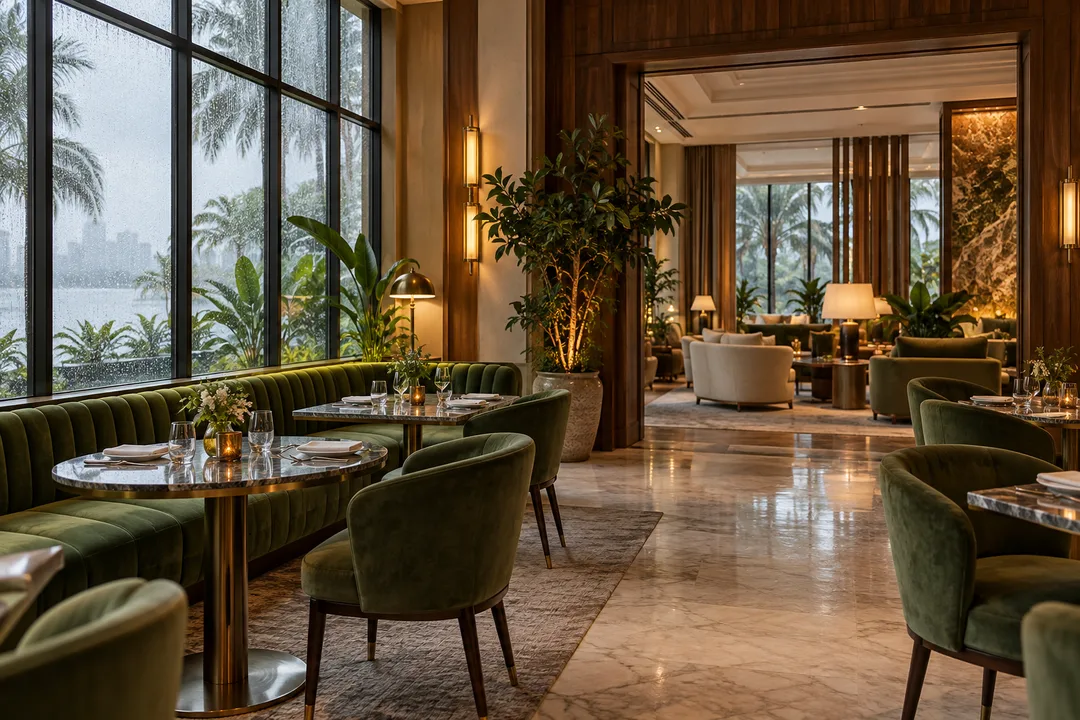
Miami Rainy Day Plan Comparer for Dinner and Drinks
Compare Miami dinner and lounge plans by their indoor connections, reservation needs and return journey, keeping evening transfers simple when rain arrives.
Dinner followed by drinks sounds simple until rain turns the short walk between them into the part of the evening everyone wants to avoid. A Miami rainy day plan comparer is useful here when it examines connections rather than producing another list of restaurants and bars. Compare one venue with distinct dining and lounge areas, two businesses with an established internal link, and a dinner-only evening. Then decide which version matches your group. The goal is a comfortable night with a clear arrival and return, not a promise that a hotel, mall or neighboring pair of venues offers an entirely protected route.
What does connected actually mean?
Two places can share an address without sharing a public interior passage. They can also occupy the same development while requiring a trip across an open courtyard. Treat connected as a specific relationship you need to establish: a doorway, corridor, lift or other permitted route between the areas you intend to use. An overhead canopy alone does not make that route enclosed. If the plan depends on staying inside, describe the exact transition instead of using nearby, attached or in the same building as substitutes for that information.
A restaurant and lounge within one venue can reduce decisions, but the areas may still operate differently. A dining reservation does not automatically include a lounge seat afterward. A hotel lobby may contain comfortable furniture without making it public seating for every visitor. Ask the relevant business about the arrangement you actually want through its own channel. Do not assume a room booking is unnecessary, that a bar accepts every diner or that an internal door remains available throughout the evening. Those are access conditions, not architectural impressions.
Which version suits the people coming?
Begin with the group rather than the drinks list. Decide whether everyone wants a full dinner, whether some people will join later and whether anyone needs step-free access. Include guests who do not drink alcohol in the choice of the second space. A lounge can be attractive for conversation, but sound levels and seating matter as much as its beverage menu. If the group includes children, age policies become a central requirement. Avoid treating an appealing photograph as evidence that a particular venue welcomes every member of your party.
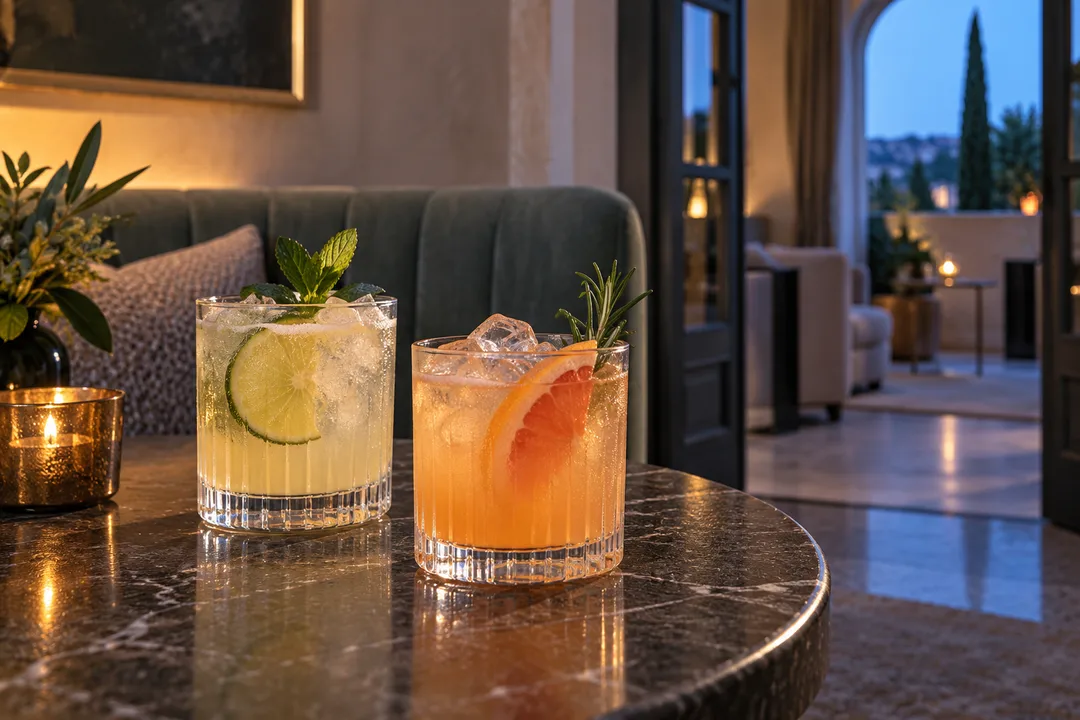
A single-site evening works well as a plan shape when people want to settle in and minimize transitions. Two separate destinations can add variety, but the novelty has a cost in movement and coordination. A dinner-only plan may be the right choice for someone with an early departure or a group that prefers a longer meal. State which of these outcomes you want before searching. Otherwise a recommendation can become more elaborate with every added preference, even though everyone originally wanted an easy evening.
Can dinner and lounge seating be arranged together?
Treat each reservation or seating arrangement as a separate commitment unless the provider explicitly offers a combined experience. Record the number of guests, the intended sequence and any accessibility need in the request to the venue. If you have only booked dinner, describe the lounge portion as optional. That distinction prevents the group from assuming the whole night is secured. No wording in a planning guide, and no suggested itinerary in an app, creates a reservation or an entitlement to remain at a table.
Keep the timing generous without pretending to know how long service will take. A tightly scheduled second booking can put pressure on the meal, especially if guests arrive separately. On the other hand, leaving the entire evening undefined can frustrate someone who needs to get home. Agree on the broad sequence and a departure window that suits your group. When exact provider policies matter, use the terms attached to the actual reservation. Do not invent a grace period, minimum spend, cancellation rule or deposit requirement for unnamed places.
Where are the wet transfers hiding?
Trace arrival from the pickup or parking point through the entrance, then trace departure from the place where you expect to finish. Include a possible change of floor, another building and any outdoor waiting area. A short covered segment can still leave you exposed at the curb. For someone using a mobility aid, the accessible entrance may determine the whole route. Ask about that specific approach when information is missing. It is better to choose a simpler evening than to find out at arrival that the intended connection involves stairs.
Think about belongings too. Wet umbrellas, coats and shopping bags can become awkward in a compact dining room or crowded lounge. Bring only what the evening needs, and avoid assuming a venue provides a cloakroom or storage for large items. If one guest is arriving from the airport with luggage, include that fact in the planning brief. A connected route has limited value if the spaces cannot comfortably accommodate what the group is carrying. These small practical constraints can decide between one base for the night and two separate stops.
How should you compare the cost of staying together?
Use a total evening budget rather than evaluating dinner and drinks independently. The meal, transport, any published seating charge and each person's beverage choices all belong in the same discussion. Staying in one building can simplify movement without necessarily reducing the bill. Two places may offer more choice while adding another journey. This guide assigns no prices to generic venue types. Enter the amount your group wants to spend as your own limit, and use actual published menus or booking terms when considering a named option.
Discuss how the group will split expenses before the evening becomes busy. Someone ordering no alcohol may want a different arrangement from someone choosing several rounds. Friends joining only for the lounge should know whether the dinner group expects to wait for them. These are social decisions an itinerary cannot make on your behalf. A brief agreement can prevent a practical rain plan from becoming an uncomfortable money conversation. It also helps distinguish essential preferences from details that the group is happy to leave flexible.
What should you ask in the Karpo APP?
Try a request such as: “Help us compare a Miami dinner-and-lounge evening in one venue with two places connected by an established public indoor route. We prefer conversation, step-free access and minimal outdoor transfers, and some guests do not drink alcohol.” Add your starting area, party size and personal budget. This prompt explains the decision you want help with. It does not imply that Karpo can see empty tables, hold seats, monitor rain at the entrance or book either part of the evening automatically.
Evaluate any suggestions against the connection requirement first. If the answer describes two attractive businesses but does not establish the link, ask for a simpler single-site alternative. If it assumes the lounge is compulsory, restate that dinner alone is acceptable. You can use the conversation to clarify priorities without turning an uncertain connection into a fact. Keep direct provider arrangements separate from planning advice, and make the final choice only when it suits the people, access needs and commitments involved in your actual evening.
Practical Notes for leaving comfortably
Settle the return journey while everyone is still together, including where a pickup would happen and who needs assistance reaching it. If thunder or flooding makes a transfer inappropriate, remain in suitable shelter and defer leisure movement. Drinks never need to become an obligation because they appeared in the original plan. One enjoyable meal with a straightforward departure can satisfy the evening perfectly. Save the second venue for another occasion when its route is easier, and let the plan end when the group is ready rather than when every proposed stop has been completed.
Ask Karpo for more information.
Keep reading
- Upper East Side Winter Farmers Market Picker With a Dog
 Normandy Village Winter Farmers Market Picker for an Asado
 Coral Gables Winter Farmers Market Picker for New Gardeners