 Upper East Side Winter Farmers Market Picker With a Dog
Weekend Plans
Miami Rainy Day Plan Comparer for Family Weekends
Build a Miami family rain plan around ages, sensory needs, meal breaks and arrival effort, comparing museum time with indoor entertainment at your pace.
A stormy weekend with children calls for a different comparison from an adults-only afternoon. The most exciting indoor attraction may still be the wrong choice if getting inside uses up everyone's patience before the activity begins. A Miami rainy day plan comparer can start with the people in your family: their ages, attention spans, sensory preferences and need for food or rest. Compare an indoor museum visit with an entertainment session by what the children will actually do and how the adults will manage the day. The winning plan is the one your family can comfortably begin, enjoy and leave.
Ask what each child needs from this outing
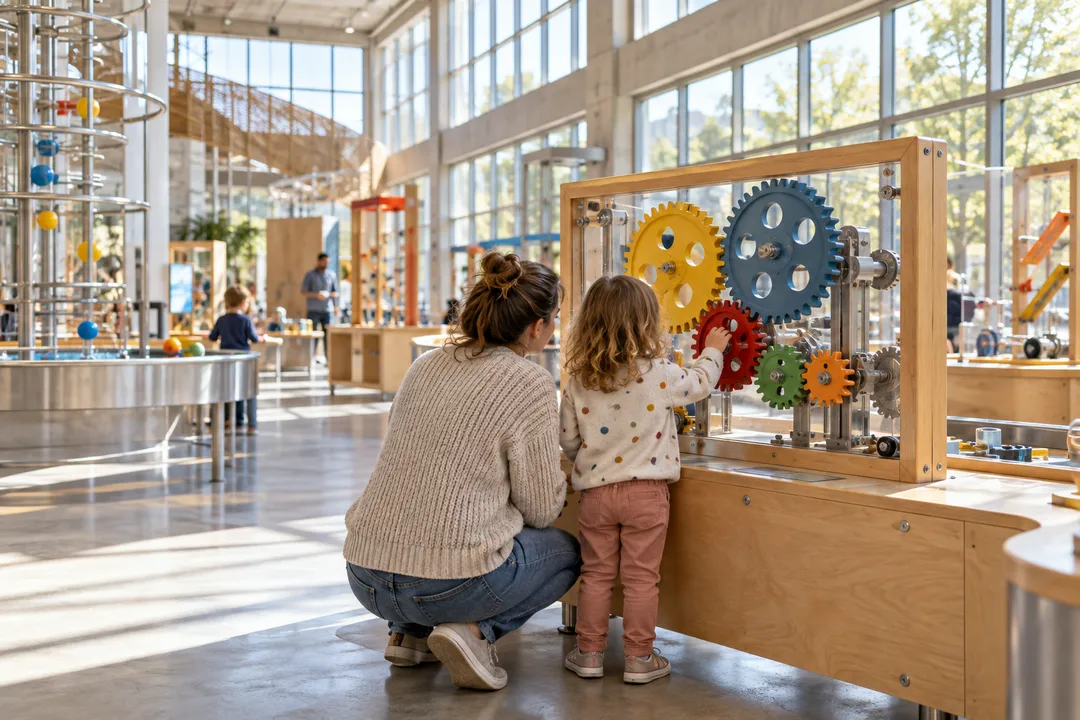
Start with one question per child: would you rather investigate something, make something, watch something or move around? These are useful descriptions of an activity, without assuming all museums are quiet or every entertainment space is physically active. A child who loves handling objects may find a hands-on exhibition appealing. Another may prefer a clearly defined game with a beginning and an end. Let the answers shape your shortlist. Two children can share an outing without wanting the same experience from every minute of it.
Ages matter alongside interests. A toddler, a confident reader and a teenager can react very differently to the same room. Describe the youngest child's supervision needs and the oldest child's preferred level of independence. If one adult is managing several children, the layout becomes especially important. Separate rooms, stairs or timed activities can make a theoretically suitable venue difficult to manage. Do not assume an indoor destination offers childcare, supervision or age-appropriate participation merely because its marketing calls it family-friendly. Those are distinct questions about the actual activity.
Compare participation with observation
A museum visit can involve looking closely, reading, talking and exploring at a variable pace. Its value depends on the specific exhibits and the interests of your children. An entertainment session may offer a more structured goal, but it can also involve waiting for a turn, following instructions or finishing at an appointed time. Write down how much of the outing would involve doing something and how much would involve waiting or watching. This is more informative than comparing two broad categories on a popularity score.
Imagine a family with a younger child who wants to touch everything and an older sibling who enjoys solving puzzles. One hypothetical option is an exhibit-based visit where the adults can adjust the order of rooms. Another is a supervised entertainment activity with a fixed session. The first might allow more flexibility, while the second might give the older child a clearer challenge. This example does not describe a named Miami venue or promise any equipment. It shows how to compare participation patterns before choosing a destination.
Make food and quiet time part of the schedule
Choose where the meal fits before you think about adding a second attraction. A hungry child can turn a short wait into the most difficult part of the afternoon. Consider whether you plan to eat before arriving, bring permitted supplies or leave for food afterward. Venue rules determine what you can carry and where you can eat, so avoid assuming a lobby or exhibition room permits outside snacks. Dietary restrictions deserve a clear place in the brief, particularly when a spontaneous food stop would be difficult.
Rest means more than finding any seat. Some children need a less stimulating space after a busy room, while some adults need a seated break for their own comfort. A crowded café may meet the need for food without providing a quiet pause. Think about sound, light and the ability to step away together. If you do not have information about a sensory room or seating area, leave that feature unresolved. A visitor photograph or a family label cannot establish what accommodations are available during your visit.
Price the family, not the individual ticket
When published prices are available, compare the combination your family actually needs. Adult admission, child age categories, compulsory equipment, parking and transport can affect the total. A per-person price is incomplete if an adult must participate or if siblings fall into different ticket categories. Keep the budget as a ceiling you set, rather than inventing a number for an unnamed attraction. You can also decide whether the outing needs to fill the whole afternoon or whether a shorter, more focused visit would be enough.
Time is another family resource. Include the journey, entry process, toilet stop, activity and return. Do not promise children two destinations when the first one alone may meet their needs. A fixed session can help define the day, but it can create pressure if your arrival is uncertain. A flexible visit may reduce that pressure while requiring adults to decide when to leave. Neither format is universally easier. Choose according to how your family handles transitions and whether the trip has another commitment afterward.
Keep arrival details separate from activity appeal
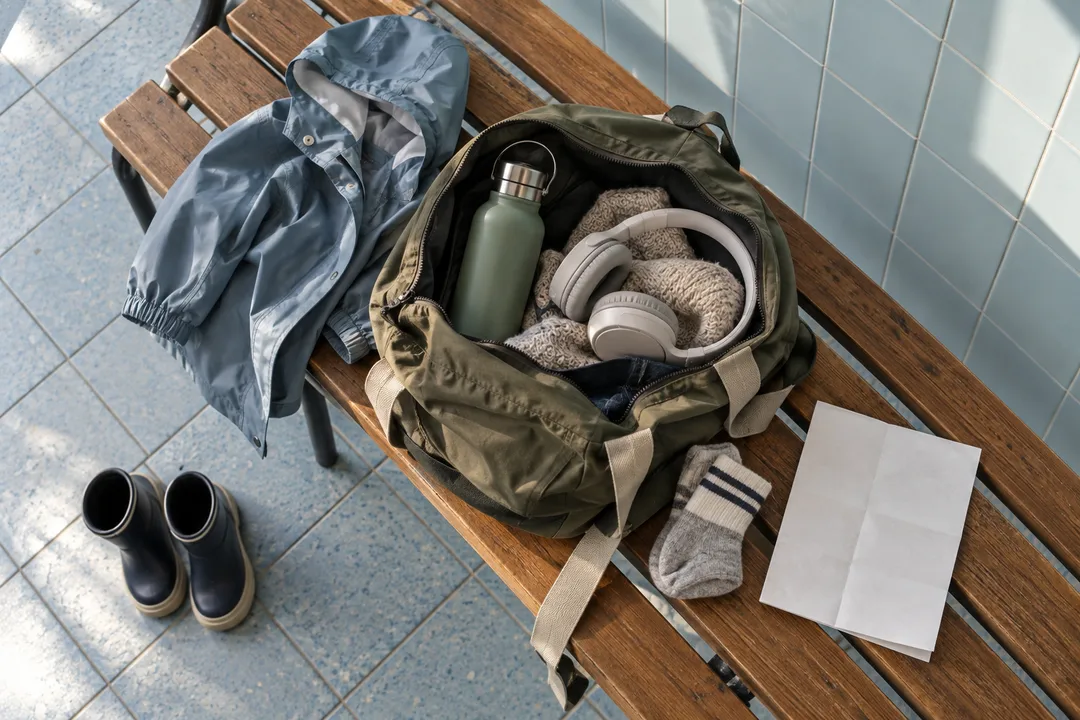
For a stroller, describe the route from the car or pickup point through the actual entrance. Consider the need for lifts and a place for wet belongings. For a child who struggles with busy transitions, plan who stays beside them while another adult handles entry. A roofed drop-off does not establish that every subsequent step is indoors. Rain planning includes the return to the vehicle as well. If the group would have to wait outside after the activity, that belongs in the comparison from the start.
A thunderstorm is also a reason to change the outing's timing. Suitable shelter takes priority over making an appointment for leisure. Do not treat a ticket or a child's anticipation as an instruction to cross an exposed area during thunder. If travel must be deferred, use a calm explanation that separates disappointment from the decision itself. A home activity can be a legitimate replacement, rather than a punishment for weather. Giving the family a simple fallback in advance can make this transition easier to communicate.
Prepare a request that reflects your family
Try this in the Karpo APP: “We are planning an indoor Miami afternoon with two children who prefer different activities. Help us compare a museum-style visit with indoor entertainment, allowing for a meal, step-free access and a quiet break.” Add the children's ages, your starting area and the spending limit you have chosen. This is a suggested planning request. It does not represent a reservation, establish a child-safety policy or imply that Karpo can see live queues, ticket inventory or conditions at an entrance.
Use follow-up questions to resolve the largest practical difference. If the suggested museum option requires prolonged reading, ask for alternatives focused on participation. If an entertainment choice seems too rigid around arrival time, ask how to simplify the outing. Avoid asking the children to choose from a long screen of places while they are already tired. Adults can reduce the shortlist to two suitable possibilities, explain the difference in ordinary language and allow the children to influence the activity within limits the adults can manage.
Practical Notes for a calmer finish
Pack according to the children you have, rather than a generic family checklist: a spare layer, essential medication, hearing protection or a familiar comfort item may matter more than another toy. Keep departure flexible enough to leave before the group is exhausted. A good indoor visit does not need to end with every room explored or every game completed. When the outing finishes with the children still able to manage the trip home, the comparison has done its job. Save the unused idea for another weekend instead of adding it to today's itinerary.
Ask Karpo for more information.
Keep reading
- Upper East Side Winter Farmers Market Picker With a Dog
 Normandy Village Winter Farmers Market Picker for an Asado
 Coral Gables Winter Farmers Market Picker for New Gardeners