 Upper East Side Winter Farmers Market Picker With a Dog
Weekend Plans
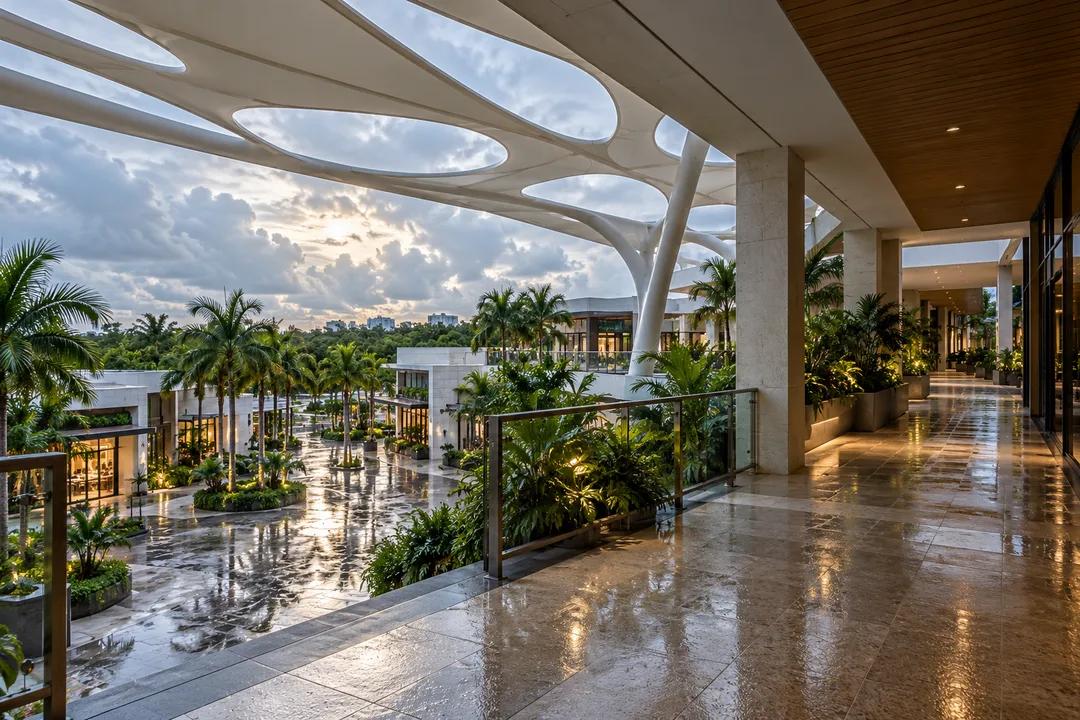
Miami Rainy Day Plan Comparer: 2 Art or Shopping Plans
Weigh Miami art stops against a shopping outing using entrance routes, parking, exposed walks and indoor continuity to shape a practical rainy-day choice.
Choosing between an art outing in the Miami Design District and time around Brickell City Centre is really a choice between different kinds of movement. A rainy day plan comparer should help you see that movement before you commit: the parking approach, the entrance, the walk between stops and the return to your car or pickup point. Neither a district name nor a shopping-center label proves an entirely indoor route. Start with the afternoon you want, then examine how much outdoor transfer each version asks of your group. A compact plan with known connections is easier to evaluate than an ambitious list of nearby pins.
Draw the journey as a chain of thresholds
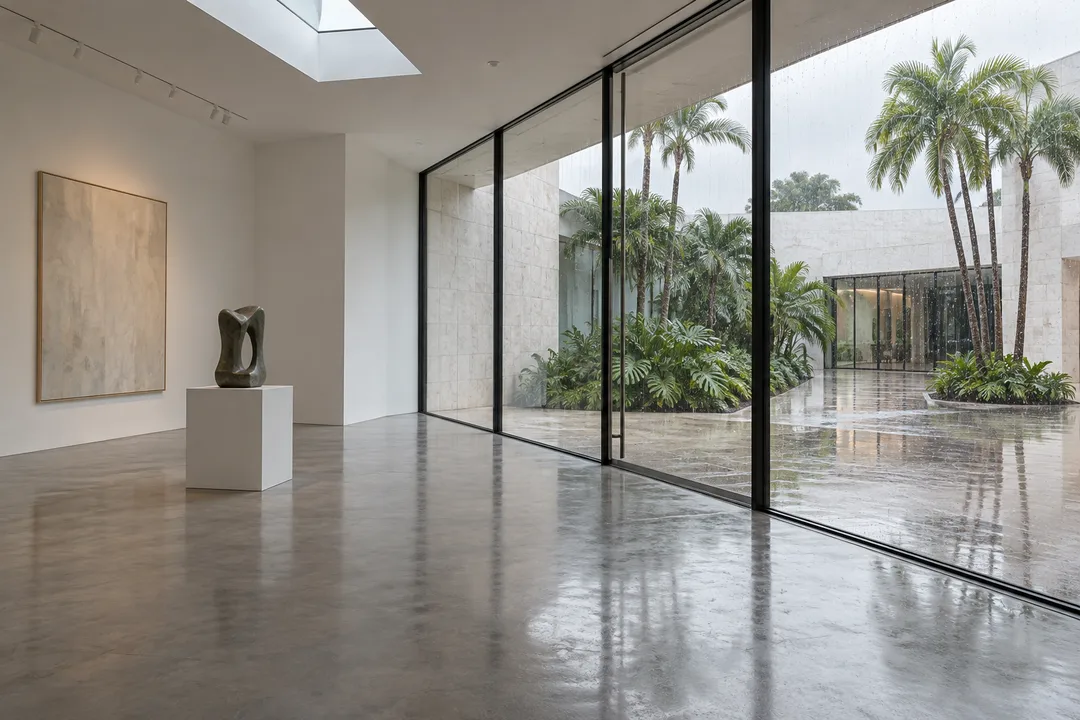
For the Design District version, sketch the specific art spaces you are considering rather than treating the neighborhood as one building. Give each destination its own entrance and arrival requirement. The gap between two exhibitions belongs in the plan even if it looks short. If a candidate includes a courtyard, outdoor installation or another structure, keep that segment visible in your notes. The question is whether the experience you want can happen inside a chosen space, not whether art exists somewhere in the district.
For the Brickell City Centre version, begin with the particular entrance and destinations you intend to use. Avoid assuming that every shop, dining room, car park and neighboring property shares an enclosed connection. A roof can reduce direct rainfall without enclosing the sides of a walkway. An internal passage can also end before the final destination. Separate a protected segment you have established from an exposed one you have not. This turns a vague shopping plan into a sequence you can discuss and, if necessary, shorten.
Give parking its own line in the comparison
A car park is useful only when you understand the trip from the parked car to the activity. Consider the pedestrian exit, whether the approach crosses a roadway, and whether an elevator is needed. Travelers with a stroller or mobility device may face a different route from someone willing to use stairs. Record the entrance you would use and the building you are actually entering. The name of a parking facility alone does not establish that its lift arrives inside the place you want to visit.
Driving between clusters can add effort even when each destination sounds convenient. You must leave the first building, reach the vehicle, move it, park again and find a second entrance. Compare that entire sequence with staying in one cluster. Include parking payments and your own tolerance for another search, but do not invent a fee when you have no published tariff. If someone else is driving, discuss the return journey before the group separates. Rain is an awkward moment to discover that everyone assumed a different pickup point.
Decide whether art or variety is the real priority
An art-centered afternoon has a focused purpose. Perhaps one person wants to spend time with a particular exhibition while another prefers design objects and architecture. Write down the experience that makes the trip worthwhile. If your main interest can be met in a single interior, a larger neighborhood loop becomes optional. If the appeal depends on walking between several buildings, the rain changes the core of the outing. Calling both versions an art visit can hide that important difference in what you will actually do.
A shopping-and-dining afternoon can offer variety, but variety also encourages extra movement. Decide whether you want to browse, eat, meet friends or simply remain comfortably indoors for a while. These goals produce different choices within the same complex. A group needing seats should not select a plan solely because it has many stores. Someone trying to avoid an expensive afternoon may prefer a single defined activity over several unplanned purchases. Identify the source of enjoyment before counting the number of possible stops.
Compare walkability at the scale of one person
Walkability is personal. Ask about the longest outdoor stretch someone can comfortably manage, whether they need step-free access and how often they need a seat. A route that looks pleasant to a visitor in trainers may be unsuitable for a companion managing pain or carrying a child. Share those requirements explicitly instead of compressing them into “easy walk.” Rain also changes what people are prepared to carry. An umbrella, bags and a mobility aid can make a transfer more demanding without changing the distance on a map.
Do not convert a visual impression into a lightning-shelter claim. Covered open-air areas and enclosed substantial buildings serve different purposes. If thunder is present, the National Weather Service's shelter guidance takes precedence over the appeal of a short shopping or gallery walk. A pedestrian itinerary is a leisure suggestion, not an assessment of storm conditions. There is no requirement to complete the loop because you have already parked or because another exhibition is close. Remaining in suitable shelter can become the afternoon's immediate plan.
Write two candidate plans before choosing one
Try an art-first version with one main indoor destination and a meal only if the transfer is practical. Then write a shopping-first version with one browsing area and one dining stop, connected only where the route is established. Describe what each plan gives up. The art version might sacrifice variety for a clearer purpose. The shopping version might offer more choice while requiring extra walking within the complex. Keeping the alternatives small makes the differences visible and avoids turning the comparison into a catalogue of places.
Bring that pair of alternatives into the Karpo APP as a request for guidance: “Help me compare a Design District art afternoon with a Brickell City Centre shopping and dining plan. We will arrive by car and need a step-free route with little outdoor walking.” Add your starting area and time available. This request supplies your preferences; it does not claim that Karpo has inspected the entrances, knows the condition of a car park or can reserve a parking space. Keep any missing route detail explicit.
Use an unresolved detail to narrow the plan
When one connection is unclear, remove a stop or change the candidate rather than silently filling the gap. For example, if the second art space requires an uncertain outdoor approach, compare a longer visit at the first space with the shopping alternative. If the dining destination would mean exiting the complex, evaluate it as a separate transfer. You are building a plan that works with the information you have, not awarding a whole neighborhood a label such as rainproof. A smaller decision is often enough to recover the outing.
Practical Notes for the return trip
Save the actual entrance and meeting point, along with the parking location or agreed pickup place. Decide who will retrieve the car and whether the rest of the group has a suitable indoor place to wait. Do not assume the return path is identical if you finish in another building. Leave optional browsing until the core activity and departure are settled. The useful result of this comparison is a clear explanation of why one compact outing suits your group today, with the other available for a different afternoon.
Ask Karpo for more information.
Keep reading
- Upper East Side Winter Farmers Market Picker With a Dog
 Normandy Village Winter Farmers Market Picker for an Asado
 Coral Gables Winter Farmers Market Picker for New Gardeners