 Upper East Side Winter Farmers Market Picker With a Dog
Weekend Plans
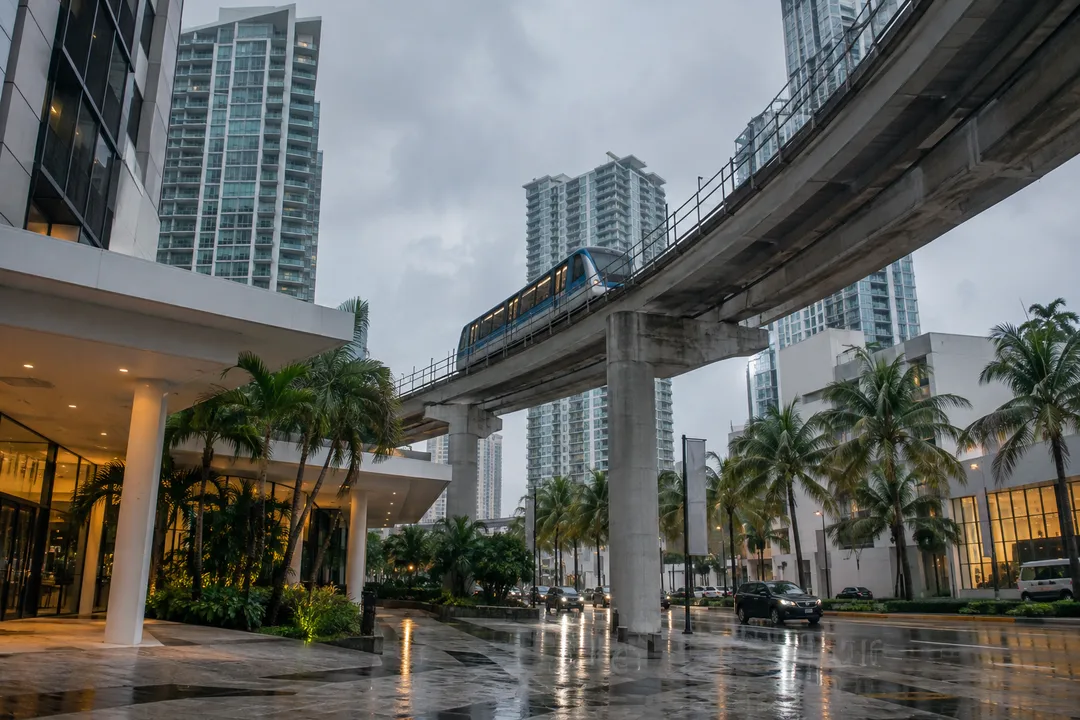
Miami Rainy Day Plan Comparator: 3 Car-Free Museum Moves
Downtown Miami rain makes every transfer count. Compare a museum anchor, a food-first break, and a compact transit plan around your return journey.
A car-free rainy afternoon in Downtown Miami needs more than a list of indoor attractions. It needs a workable way to arrive, spend time well, and get back. Use a rainy day plan comparator to weigh a museum anchor, a food-first break, and a compact transit-supported outing. The key question is how much movement you want between indoor destinations. Bring your starting point, interests, and return deadline into the Karpo APP, and ask for ideas that keep the trip's connections as visible as its attractions.
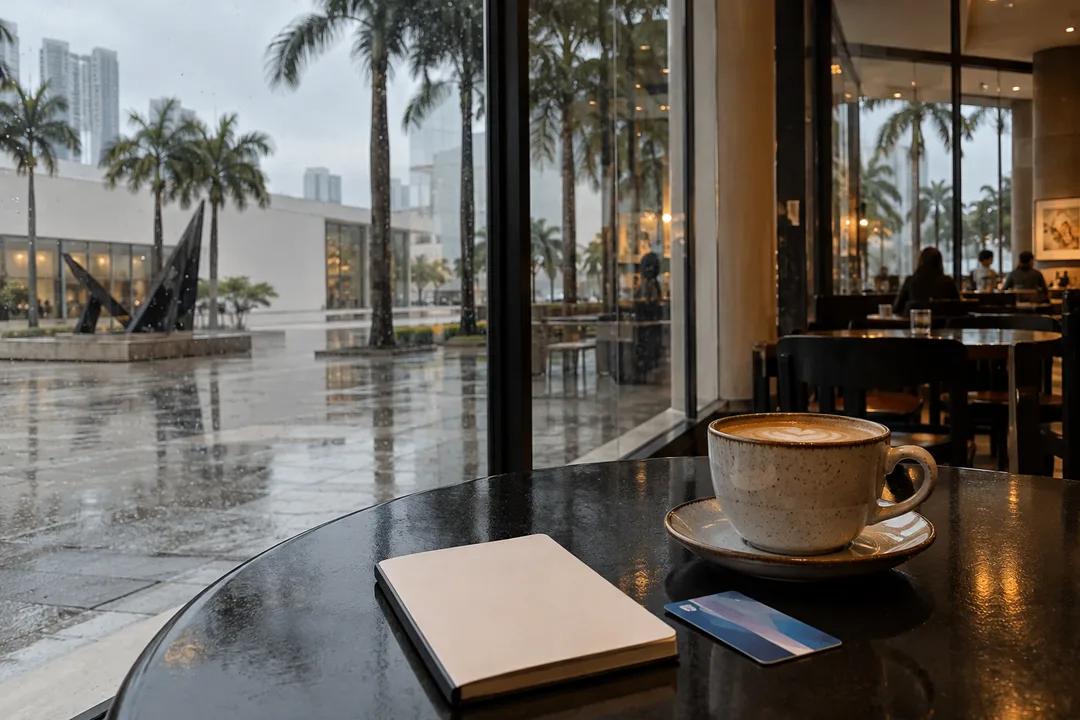
Start with the return journey
Before choosing a museum, decide where the outing must end. Returning to a hotel, meeting a friend, or reaching an onward train creates different constraints. Write the destination and latest comfortable departure into your brief. Do not fill every available minute with attractions. A car-free plan still includes leaving a building, reaching a station or stop, and completing the final leg. A generous indoor visit can become stressful if the return trip is treated as an afterthought.
Describe how you are traveling now and whether you are willing to change modes. Someone who wants to stay entirely on public transport has a different preference from someone comfortable taking a short taxi ride at the end. Make that choice explicit without assuming either method removes all outdoor exposure. A pickup location may be exposed, and a station's distance from a venue entrance still matters. The comparison should reflect the whole journey rather than judging transport by the part spent inside a vehicle.
Separate a museum visit from a museum circuit
One museum can be the main activity for the afternoon. Ask for a candidate based on the subjects your group wants to explore, then give it enough time to be worthwhile. This reduces the number of separate admissions and arrivals in the plan. It also creates a clear answer if someone asks why you chose that outing. A single focused visit is a complete experience, even when an itinerary generator could produce several additional destinations around it.
A museum circuit is a different undertaking. It introduces another journey, another entrance, and potentially another admission decision. Compare it with a single-anchor visit only if the group actively wants more than one institution. Be clear that the second stop is optional. If the first experience is absorbing, there should be no pressure to cut it short just to follow a route. If it is not the right fit, a food break may be a better next step than a second ambitious exhibition.
Use transit as a connection, not an attraction count
If Metromover is part of your preferred plan, ask for its relevance to the specific starting point and proposed destination. Do not assume that a transit stop and a museum entrance share a fully enclosed connection. Treat the walk on each side as a separate part of the comparison. The same principle applies to transfers: a route can be convenient in broad terms while still requiring a link that does not suit your party's mobility needs or tolerance for rain.
Keep operational facts separate from your intended sequence. A proposed loop is an idea for organizing destinations, not a report that a transit service is running normally at that moment. Use the transport operator's information for the journey you choose. The planning conversation can help identify questions and alternatives, but it should not stand in for a service notice. This distinction is particularly helpful when you are comparing a compact outing with one that depends on several connections.
Compare food before and after the anchor
A food-first break can settle the group before a cultural visit. It may suit people arriving hungry or needing to agree on a plan while seated. Ask for an indoor dining option appropriate to your party, including dietary requirements and the amount of time you want to spend eating. A suggested food stop is not evidence that a table is waiting. If dining is essential to the outing, give that requirement enough weight in the initial request rather than adding it after choosing an attraction.
Food after the museum offers a different benefit: it gives you a place to discuss what you saw and decide whether to continue. The cost is an additional destination after people may already be tired. Compare an on-site option, when supported by venue information, with a separate destination. Do not assume that every museum has a public cafe, or that cafe access follows the same conditions as exhibition admission. These details belong to the actual venues selected, rather than to the general idea of a museum day.
Give the app a constrained question
A useful request might be: “We are spending a car-free afternoon in Downtown Miami. Compare one indoor museum visit with a museum-and-food plan. We prefer a simple return journey, limited outdoor walking, and time to sit down.” Include your starting point and where you need to end. If you want Metromover considered, say that as a preference. This is an ordinary conversational request for discovery and planning ideas. It does not depend on a special route builder or a live weather feature.
Then ask for the weakest link in each suggestion. Is it the connection from transit, the second destination, the amount of standing, or a fixed entry time? A recommendation becomes easier to assess when its main compromise is stated plainly. Ask which part can be removed without spoiling the afternoon. This gives the group a practical adjustment to make if energy changes. It is more useful than a long list of additional attractions that all require another decision and another trip.
Keep a short and a long version
The short version contains the primary indoor activity and the return journey. The long version adds a food stop or another activity only if the group wants it. Give both versions the same clear endpoint. This makes shortening the plan feel intentional rather than disappointing. You can also agree in advance that the second stop disappears if the first visit takes longer than expected. That is a rule you control, with no claim that the app can predict queues or precisely time the weather.
Avoid making the fallback another complicated loop. If the original problem is too many transfers, a backup with the same number of connections does little to help. Ask for one simpler alternative that addresses the reason you might change plans. That might mean fewer stops, more seated time, or a destination nearer your starting point. Keep the comparison grounded in the group's needs. The purpose of the exercise is to reduce the work of choosing, not create a second itinerary that is equally demanding.
Practical Notes before the first leg
Have the chosen venue's name, intended route, and return destination available before setting out. Describe mobility requirements directly and allow the group time to handle wet umbrellas and belongings. When you open the Karpo APP, lead with the journey constraints and then add your cultural interests. Use the response to narrow a shortlist, with provider bookings and transport information handled through their respective channels. A good Downtown rainy-day plan lets you enjoy an indoor anchor while keeping every necessary connection understandable and optional extras genuinely optional.
Ask Karpo for more information.
Keep reading
- Upper East Side Winter Farmers Market Picker With a Dog
 Normandy Village Winter Farmers Market Picker for an Asado
 Coral Gables Winter Farmers Market Picker for New Gardeners