 Upper East Side Winter Farmers Market Picker With a Dog
Weekend Plans
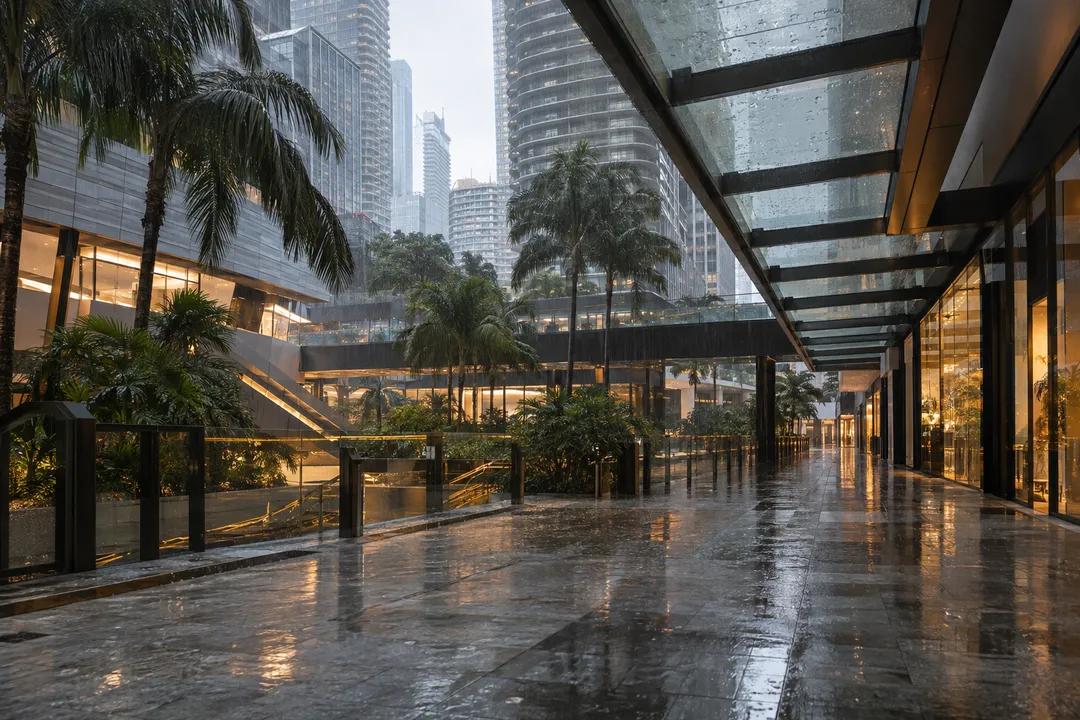
Brickell Rainy Day Plan Comparator: 3 Ways to Stay In
Brickell rain can turn an afternoon into a decision about time. Compare shopping, a meal, and a film by commitment, comfort, and the trip back.
A shopping complex can offer several ways to spend a rainy afternoon, but more choice does not automatically make the decision easy. One person wants to browse, another needs a meal, and a third is ready to sit through a film. Use a rainy day plan comparator for Brickell to compare how those activities fit together. Start with the amount of time you want to fill and the kind of afternoon your group wants. Bring that brief into the Karpo APP as a request for indoor ideas.
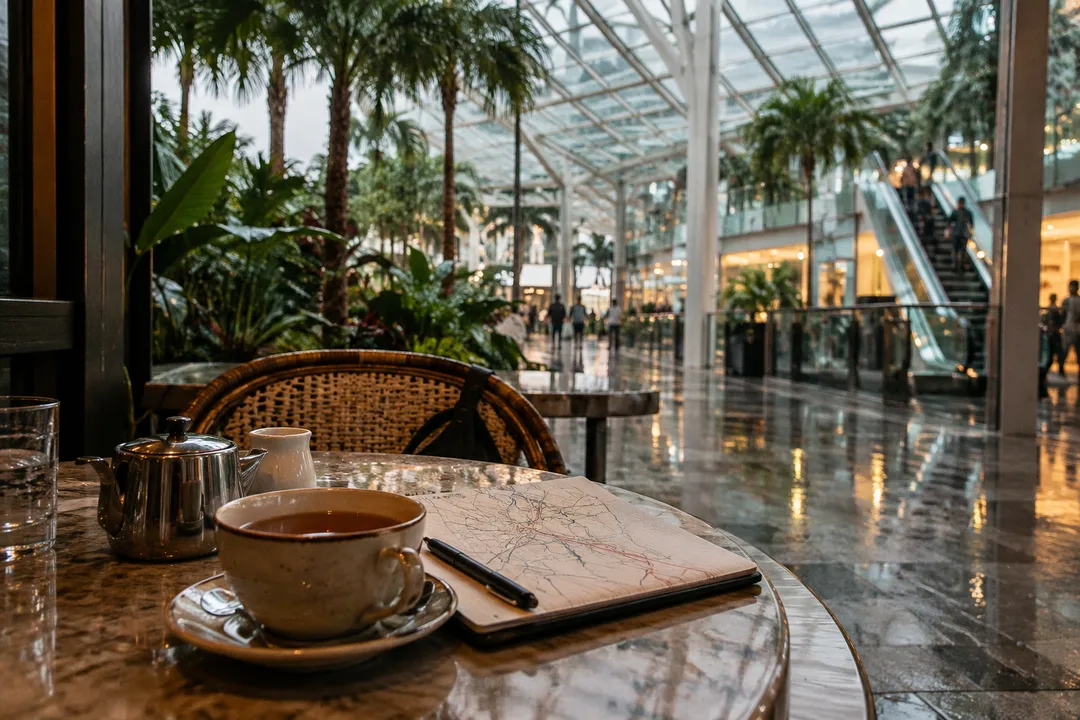
Plan the hours before picking the stops
Think in terms of available time rather than trying to visit every type of venue. A short break before a meeting calls for something you can leave easily. A longer gap may suit an activity with a beginning and an end. Ask each person whether the purpose is to accomplish shopping, enjoy a meal, or pass time comfortably. Someone who needs one essential purchase will judge a retail stop very differently from someone who wants to explore without a buying list.
Set a finish point that includes the journey out of the complex. The end of a film is not the end of your trip, and paying the restaurant bill is not the same as reaching a pickup spot. Decide what time you want to be ready to leave the area. Build the activity around that deadline. Leaving room at the end helps keep a relaxed rainy-day plan from becoming a rush through unfamiliar exits with shopping bags and a low phone battery.
Compare three activity shapes
Browsing is the most flexible shape when nobody has a precise list. You can spend more or less time in a store, skip a category, and stop when someone loses interest. The tradeoff is that browsing may feel aimless to a companion who dislikes shopping. Give it a purpose, such as finding a gift or looking at home design. Ask for a small set of relevant shops rather than an exhaustive directory. The activity should have a natural stopping point even if nobody buys anything.
A meal gives the group an anchor. It offers a shared table and a reason to pause, but it comes with a different kind of commitment. Service, food preparation, and payment take time. Discuss appetite, dietary restrictions, desired atmosphere, and spending comfort before choosing a restaurant. The request can ask for a seated meal versus a casual bite without asserting that a table is ready. If one person is only hungry for a snack, include that mismatch in the comparison before it turns into frustration.
A cinema visit can fill a defined part of the afternoon, but the specific screening becomes the clock around which everything else revolves. Compare the film's appeal and length with how much flexibility you want. A group hoping to chat may prefer a meal, while people who want to disconnect may like a film. A suggested cinema or title is not a ticket. Use the cinema's own booking process when you decide to commit, and make the rest of the outing fit that confirmed choice.
Roof coverage is a route question
Do not treat “at Brickell City Centre” as a promise that every part of your arrival, movement, and departure is enclosed. Ask about the individual legs you intend to take. Parking to entrance, entrance to restaurant, and restaurant to pickup are distinct links. A covered segment can still differ from an enclosed, air-conditioned interior. If remaining dry is the main requirement, state that clearly and prefer a compact plan whose essential activity can happen in one interior destination.
The shortest line on a map may not be the easiest route for your party. Escalators, elevators, level changes, and the side of the building you enter can affect the experience. Ask for entrance information when it is available, and avoid attaching exact walking promises to a route that has not been established. A person traveling with a child or using a mobility aid should describe the relevant needs in the brief. “Minimal level changes” is a more actionable preference than simply saying the group wants convenience.
Make the tradeoffs visible in conversation
Try a request such as: “We are in Brickell with an afternoon to fill indoors. Compare browsing and lunch with a cinema-led plan. We want little outdoor walking and a relaxed finish before our evening appointment.” Add your party size and starting location. You are asking for ideas and reasons, not asking the app to operate a building or guarantee shelter. If the response gives too many destinations, narrow the request to two possible sequences and one reason to choose each.
Use a follow-up to expose the biggest compromise. Ask which sequence requires the fewest fixed commitments, which gives the group the longest seated break, or which works when someone may leave early. These are useful comparisons even without a numerical score. You can also explain a disagreement: one friend wants a film while another would rather talk over food. A good plan should acknowledge that conflict. Forcing every preference into a single overfull afternoon usually makes the final choice harder to carry out.
Build a sequence with an exit
A browse-first sequence suits a group that has shopping energy and wants to decide on food later. A meal-first sequence works when hunger is the obstacle to making any other decision. A film-first sequence needs a specific screening choice, with other activities arranged around it. Treat these as planning examples rather than claims about current store or cinema operations. Ask for suitable candidates, then make the booking or purchase directly when the group has selected its preferred sequence.
Keep an easy stopping point between activities. After lunch, the group can continue browsing or head home without having failed the plan. After a film, a separate meal may be unnecessary if everyone wants to leave. Decide how bags, leftovers, and transport fit the next step. If the rain makes departure unpleasant, a single substantial indoor activity may be enough. The afternoon's value comes from how well it fits the people taking it, rather than from the number of places you manage to include.
A compact brief for the next move
Write down the real constraints: starting point, latest departure, spending limit, food needs, and whether the group wants conversation or entertainment. Open the Karpo APP with those details and request a small Brickell shortlist. Keep any unconfirmed venue detail separate from your own preferences. Once you choose a sequence, focus on that plan's practical next action, such as buying the selected screening or contacting a restaurant. The comparison has done its job when you can explain the choice and leave the rest of the options behind.
Ask Karpo for more information.
Keep reading
- Upper East Side Winter Farmers Market Picker With a Dog
 Normandy Village Winter Farmers Market Picker for an Asado
 Coral Gables Winter Farmers Market Picker for New Gardeners