 Upper East Side Winter Farmers Market Picker With a Dog
Weekend Plans
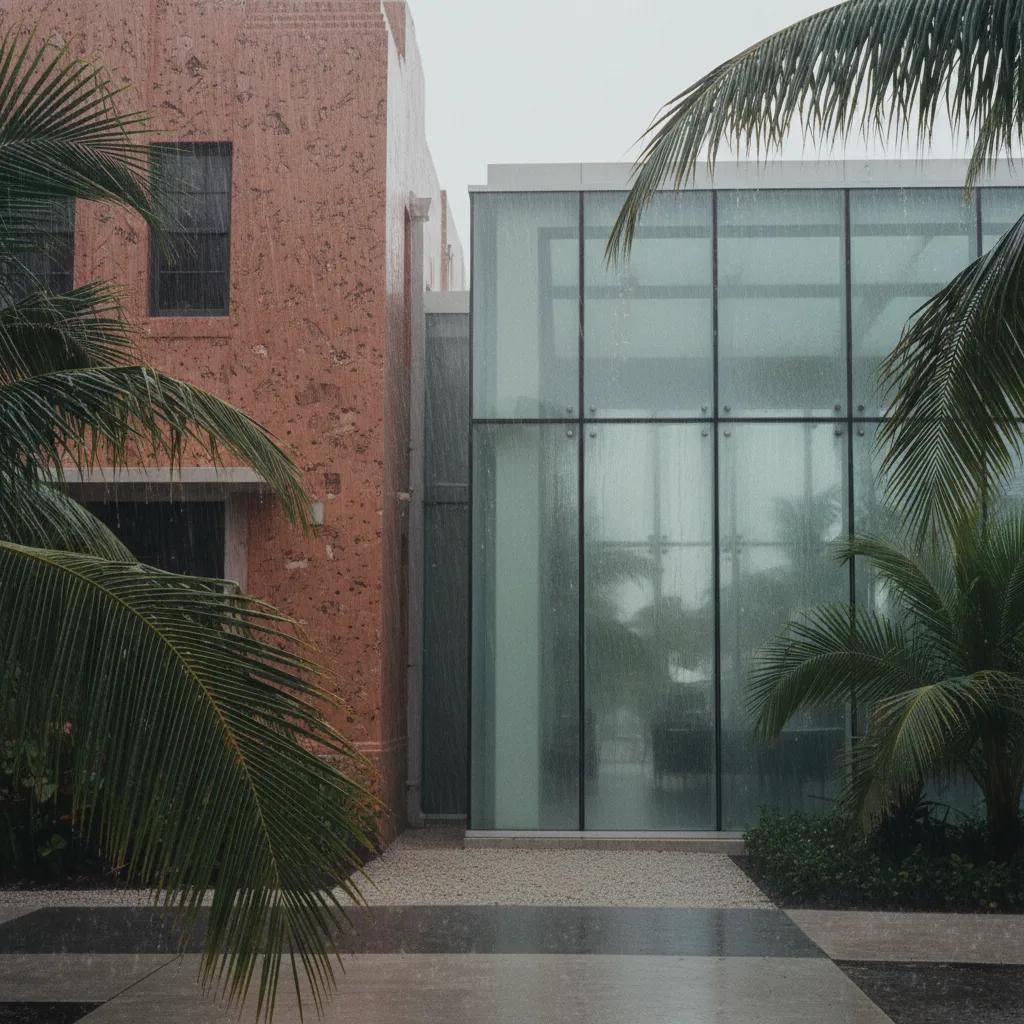
Miami Rainy Day Museum Planner: 3 South Beach Art Spaces
The Bass, the Wolfsonian and the Jewish Museum of Florida run from Collins Park down Washington Avenue, turning a rainy beach day into art and history.
A rainy day on Miami Beach is the one day nobody plans for. The sand is empty, the lifeguard stands are shuttered and Ocean Drive's cafés pull their tables in under the awnings. Yet South Beach hides three very good museums, and they happen to sit almost in a straight line, from Collins Park in the north down Washington Avenue to the southern tip of the island. Ride or walk south from one to the next and a washed-out beach day becomes a tour of contemporary art, design history and the story of the Jewish community that helped build the city.
Start North, Finish South
The cleanest route runs from north to south. The Bass is near 21st Street, the Wolfsonian is in the middle of the Art Deco district on Washington Avenue, and the Jewish Museum of Florida is near the southern end of the same avenue. That means you are always moving toward the restaurants and cafés of South of Fifth by dinner, and the walks between stops follow streets lined with deep Deco overhangs and arcades.
The Bass in Collins Park
The Bass occupies a 1930 Art Deco building designed by Russell Pancoast, built as Miami Beach's first library and art center and decorated with carved relief panels over the entrance. The museum was founded in 1963 after John and Johanna Bass donated their collection to the city. An expansion by Arata Isozaki added galleries in 2001, and a renovation completed in 2017 gave the museum more exhibition space and its short new name.
Today the Bass focuses on international contemporary art, with exhibitions that often fill whole floors with a single artist's installation. The galleries are bright and airy even on a stormy day, and the building is small enough to see properly in an hour or two. The museum's education wing, the Bass Creativity Center, opened in 2017 and hosts classes and family programs. Outside, Ugo Rondinone's Miami Mountain, a stack of fluorescent painted boulders, looks even brighter against a grey sky.

The Bass shares Collins Park with the Miami Beach Regional Library and the studios of Miami City Ballet, whose big street-level windows sometimes let passers-by watch dancers in rehearsal. On a wet morning it is a pleasant little cultural campus to wander, and the library makes a calm place to sit with a coffee and a book while the sky decides what it wants to do next. From there, Collins Avenue and the beach boardwalk are just a block or two east if the sun breaks through.
The Wolfsonian on Washington Avenue
Walk or ride south to the Wolfsonian, housed in a 1927 Mediterranean Revival building that began life as a storage warehouse where winter residents kept their furniture. The collector Mitchell Wolfson Jr. founded the museum, which opened to the public in 1995 and later became part of Florida International University.
The collection covers roughly 1850 to 1950 and is one of the most unusual in the country: decorative arts, industrial design, posters, propaganda, furniture and architectural fragments that show how design shaped modern life and modern politics. Many visitors arrive expecting a small Deco museum and leave talking about the World's Fair posters or the political graphics from the 1930s. The upper galleries are hushed and absorbing, which makes the Wolfsonian the perfect place to spend the heaviest part of the storm.
The Jewish Museum of Florida
Continue south to the Jewish Museum of Florida, which was founded in 1995 in a historic synagogue near the bottom of Washington Avenue. The restored sanctuary, with its stained glass and Deco details, is part of the exhibition itself, and the museum tells the story of Jewish life in Florida from the first settlers in the 1700s to the hotel owners, merchants and retirees who shaped Miami Beach in the twentieth century.
The museum also recounts a darker history, the restrictions that kept Jews out of many hotels and neighborhoods on the island until after World War II, which gives a different perspective on the glamorous Art Deco streets you have just walked down. The scale is intimate, and many visitors spend about an hour here before heading to dinner nearby.
The Spaces in Between
Washington Avenue is lined with Art Deco storefronts, many with eyebrow overhangs that offer shelter from passing showers. When the rain eases, it is worth walking a block east to Ocean Drive to see the famous hotel facades with their pastel paint darkened by rain. The Miami Beach Post Office on Washington Avenue, a 1937 Deco rotunda with murals inside, is a short and free detour that stays dry.
Lunch is easy. The stretch of Washington Avenue between the Wolfsonian and Lincoln Road has plenty of Cuban cafés and casual counters, and Lincoln Road's pedestrian mall a few blocks north has shops and restaurants with covered seating.
Getting Around
Miami Beach runs trolleys along Washington Avenue and Collins Avenue, and they are the easiest way to hop between the three stops in heavy rain. Taxis and rideshares are plentiful, and the city garages along Collins Avenue and near the Bass let you leave the car for the whole day. On foot, the walk from the Bass to the Wolfsonian takes about half an hour, and the Jewish Museum is a shorter walk again.
Practical Notes
The Bass and the Jewish Museum both close on Mondays and Tuesdays, and the Wolfsonian closes on some weekdays too, so a rainy weekend, Wednesday or Thursday works best for this route. Summer storms on Miami Beach usually arrive in the afternoon, so starting at the Bass in the morning and saving the indoor-heavy Wolfsonian for the afternoon often works well. Bring a light rain shell and sandals with grip, since the sidewalks are smooth tile and stone in places.
Using Karpo on the Beach
Tell Karpo APP how long you have, whether you are walking or riding and which of contemporary art, design history or local history interests you most. It suggests an order for the three museums, compares a two-stop afternoon with the full route and recommends lunch or dinner near Washington Avenue. Trolley times and museum programs come from the city and the museums.
Ask Karpo for more information.
Keep reading
- Upper East Side Winter Farmers Market Picker With a Dog
 Normandy Village Winter Farmers Market Picker for an Asado
 Coral Gables Winter Farmers Market Picker for New Gardeners