 Upper East Side Winter Farmers Market Picker With a Dog
Weekend Plans
Miami Rainy Day Museum Planner: 3 Downtown Cultural Venues
PAMM and Frost Science stand side by side on the bay, and the Museum of Miami is a short Metromover ride away, so a rainy Miami day stays covered.
Rain in Miami rarely behaves like rain in other cities. On a typical wet afternoon the sky goes from bright to black in twenty minutes, a warm downpour floods the gutters, and then the sun comes back as if nothing happened. On other days a tropical system parks itself over the bay and it simply pours from morning to dinner. Either way, downtown is ready. The Pérez Art Museum Miami and the Phillip and Patricia Frost Museum of Science stand next to each other on the edge of Biscayne Bay, and the Museum of Miami, the city's history museum, is a short Metromover ride away, so you can move between all three with very little time in the open.
Reading the Sky
The trick to a Miami rainy day is matching the stop to the weather. Use the long indoor stretches, the aquarium and the history galleries, for the heaviest bursts, and save PAMM's covered bayfront terrace for the moments when the storm is breaking up and the light comes back over the water. Short storms reward a flexible plan more than a fixed schedule.
Science by the Bay
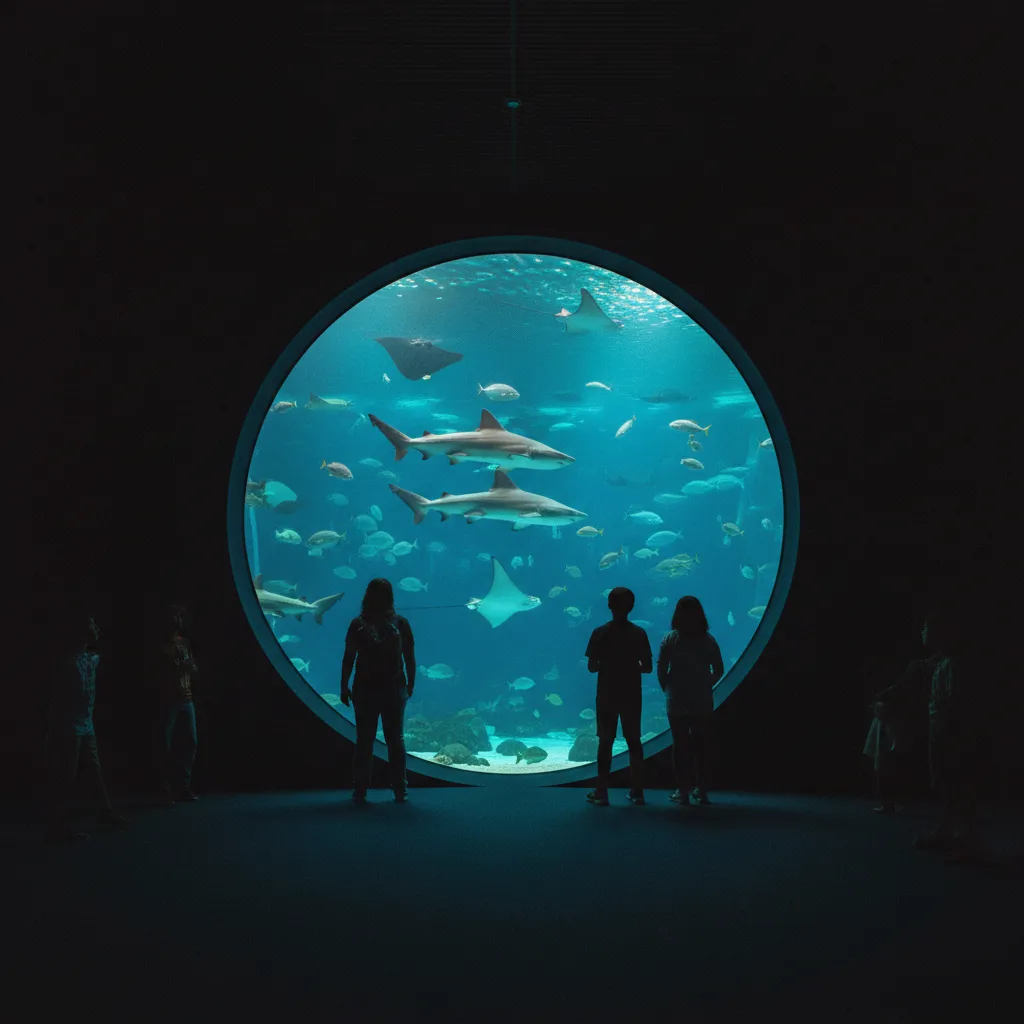
Frost Science opened in its current building in Museum Park in 2017, though the museum itself traces its roots to a small science museum founded in Miami in 1949. Most visitors start with the Gulf Stream Aquarium, which rises through several levels of the building. Walk down to the Deep level and you can look up through a huge circular lens in the bottom of the main tank, watching sharks, rays and schools of fish pass overhead like shadows in a skylight.
The rest of the building is packed with exhibits on flight, the human body and Florida's ecosystems, along with the Frost Planetarium, whose dome shows run throughout the day. The planetarium is the perfect place to sit out the worst of a storm, since a single show often lasts about as long as a passing downpour.
Art Under the Hanging Gardens
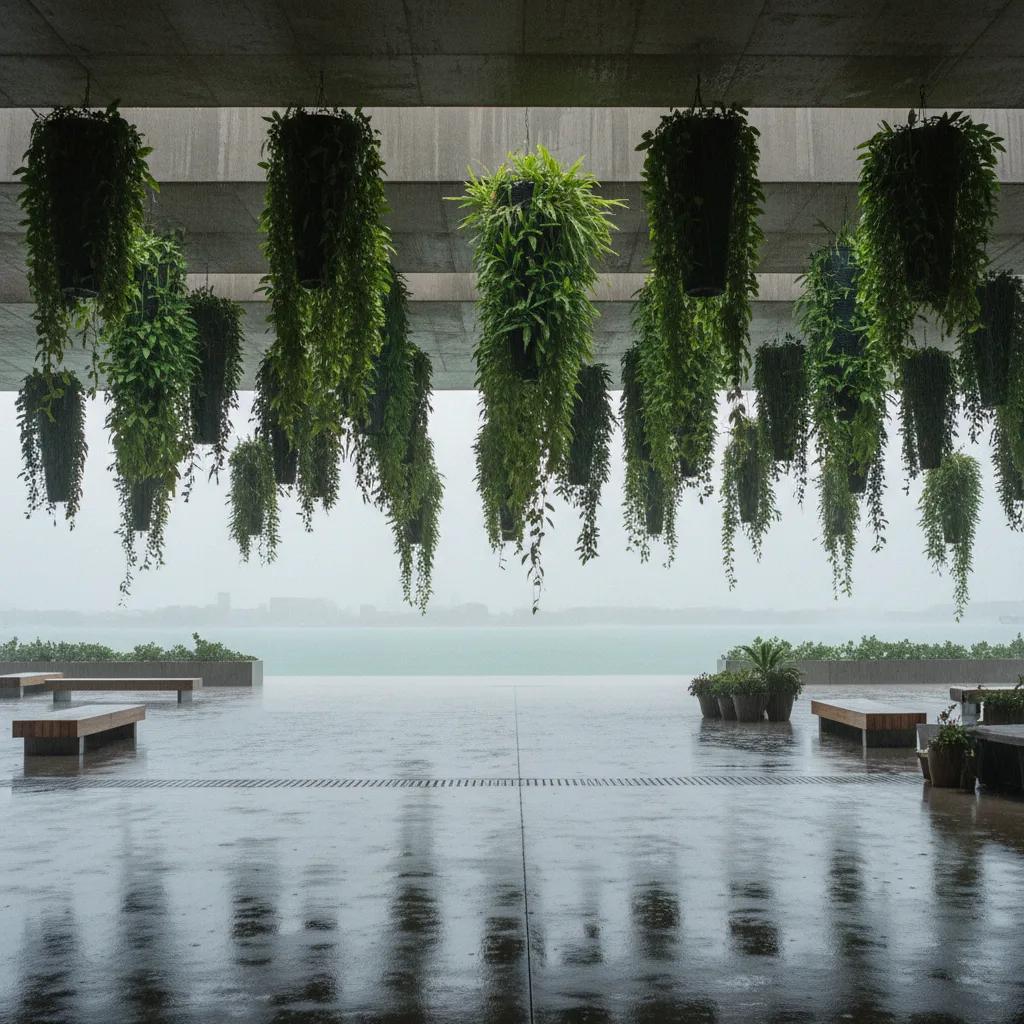
PAMM stands right next door, linked to Frost Science by a short walk across the plaza. The museum opened in this building in 2013, designed by Herzog and de Meuron, and its most famous feature is the hanging gardens created with the French botanist Patrick Blanc, long columns of tropical plants suspended from the deep roof over the veranda. In the rain, those gardens drip and sway, and the veranda stays mostly dry beneath the overhang.
Inside, the galleries focus on modern and contemporary art with deep connections to the Caribbean, Latin America and the African diaspora, reflecting Miami's place in the hemisphere. Exhibitions rotate often, so each visit is a little different. When the storm passes, step out onto the terrace for the view across Biscayne Bay to the cranes of PortMiami and the causeways, which can look spectacular as the clouds break.
Between the Bursts
The park that holds both museums is Maurice A. Ferré Park, named for the longtime mayor and still called Museum Park by many locals. When a storm clears, its bayfront promenade is the best free walk downtown. Pelicans work the water along the seawall, the air smells of wet grass and salt, and the skyline of Edgewater and Brickell steams in the returning sun. Ten minutes outside between museums is often all you need to reset before the next round of galleries, and if the clouds roll in again, both museum doors are a short sprint away.
History One Stop Away
The Museum of Miami, known until May 2026 as HistoryMiami Museum, sits in the Miami-Dade Cultural Plaza on West Flagler Street, a Mediterranean-style complex designed by Philip Johnson that also houses the main public library. The institution dates to 1940, and with the new name it has taken on a countywide mission it calls a museum without walls, but the Flagler Street galleries remain its home base. They trace South Florida from its earliest Native peoples through the Spanish colonial era, the railroad and land boom, and waves of migration from Cuba, Haiti and beyond.
It is a good counterweight to the bayfront. Where Frost Science and PAMM are about the natural world and contemporary art, the Museum of Miami explains how the city you are standing in came to be. The galleries are quiet on most weekdays, and there are plenty of places to sit while you read. The library next door, in the same plaza, has reading rooms and a Florida collection that make a quiet extension of the visit if the rain shows no sign of stopping.
Moving Between the Stops
Museum Park station on the Metromover's Omni loop is steps from both PAMM and Frost Science. The elevated cars run frequently around downtown, and Government Center station is right beside the Cultural Plaza, so the ride to the Museum of Miami takes only a few minutes. The stations are covered, and the cars are air-conditioned, which can feel like a luxury when you come in out of humid rain.
Drivers can use the parking garage under Frost Science, which is convenient on a stormy day because you never have to cross the open plaza from your car.
A Day That Works for Most Groups
Families with children usually find that Frost Science fills a whole morning by itself. Pair it with a quick lap of PAMM after lunch and save the history museum for another trip. Adults or older teens can manage all three in one day by starting at the Museum of Miami when it opens, riding the Metromover to Museum Park for lunch and spending the afternoon between the two bayfront museums.
Practical Notes
Frost Science sells timed tickets, and weekend slots fill up on rainy days as everyone in the city has the same idea. PAMM is easy to visit with little planning, and both museums have cafés with indoor seating. Lightweight rain gear works better than heavy coats in Miami's warm rain, and sandals with grip are perfectly acceptable. Indoor air-conditioning is strong, so a light layer in your bag will be welcome.
Shaping the Day in Karpo
Open Karpo APP and tell it who is coming, how long you have and whether the aquarium, the art or the city's history matters most. Karpo suggests an order for the three stops, compares a single-museum morning with the full downtown loop and recommends lunch nearby. Ticket slots and Metromover service come from the museums and Miami-Dade Transit.
Ask Karpo for more information.
Keep reading
- Upper East Side Winter Farmers Market Picker With a Dog
 Normandy Village Winter Farmers Market Picker for an Asado
 Coral Gables Winter Farmers Market Picker for New Gardeners