 Upper East Side Winter Farmers Market Picker With a Dog
Weekend Plans
Paranormal Museum Near Me: Fort Dallas Barracks at Lummus Park Miami
Visit the historic 1844 Fort Dallas Barracks and Wagner Homestead in Lummus Park Miami, exploring Seminole War garrison archives, pioneer artifacts, and riverfront ghost lore.
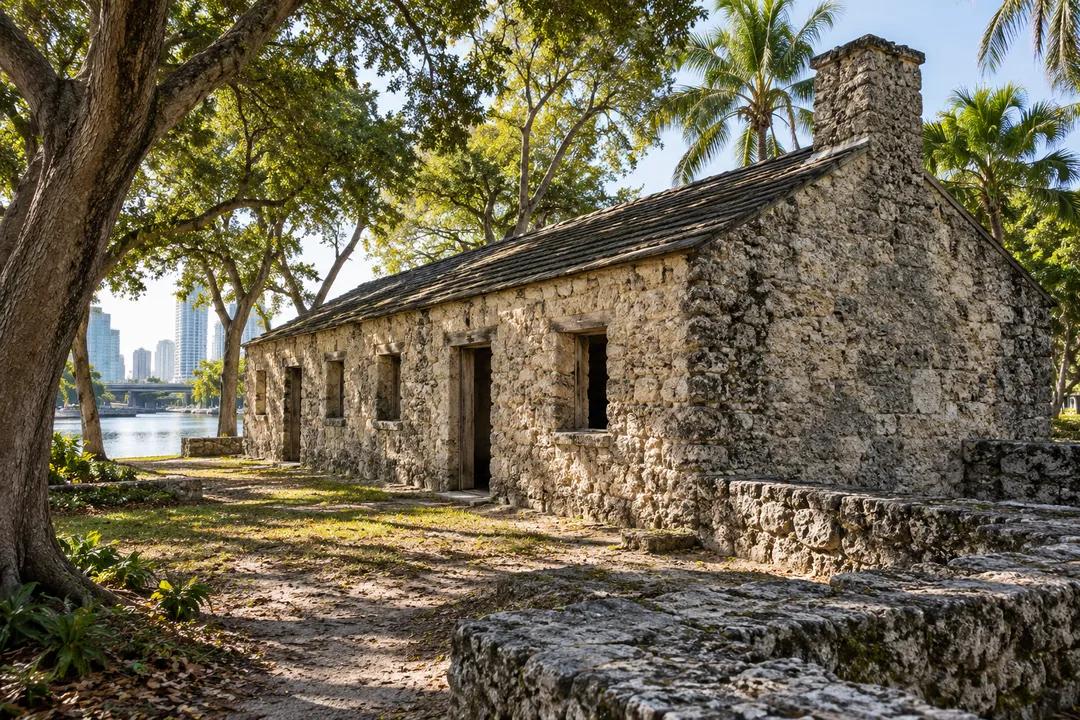
Fort Dallas Barracks & Historic Complex at Lummus Park at 404 NW 3rd St in Downtown Miami stands as a resilient bastion of South Florida's early nineteenth-century pioneer and military heritage. Travelers exploring the urban core in search of an authentic paranormal museum near me will discover an atmospheric historic enclave nestled along the north bank of the Miami River. Constructed out of native coral limestone in 1844, this historic structure has served as slave quarters, a U.S. Army infantry garrison during the Seminole Wars, and Miami's pioneer civic meeting hall. Today, the preserved barracks and adjacent 1897 Wagner Homestead shelter storied military archives, frontier domestic relics, and documented accounts of phantom soldiers that have intrigued historians for decades.
Pre-Civil War Oolite Masonry on the Miami River
The historic barracks building was originally erected in 1844 on the south side of the Miami River by enslaved laborers belonging to William English, nephew of pioneer planter Richard Fitzpatrick. Constructed from rough-hewn slabs of fossilized coral rock mortared with lime and sand, the structure was originally designed as slave quarters for a sprawling tropical sugar and coontie plantation. When the Third Seminole War intensified in 1849, the federal government leased the property and established Fort Dallas, transforming the stone quarters into military barracks and headquarters for federal infantry troops under Lieutenant Colonel William S. Harney.
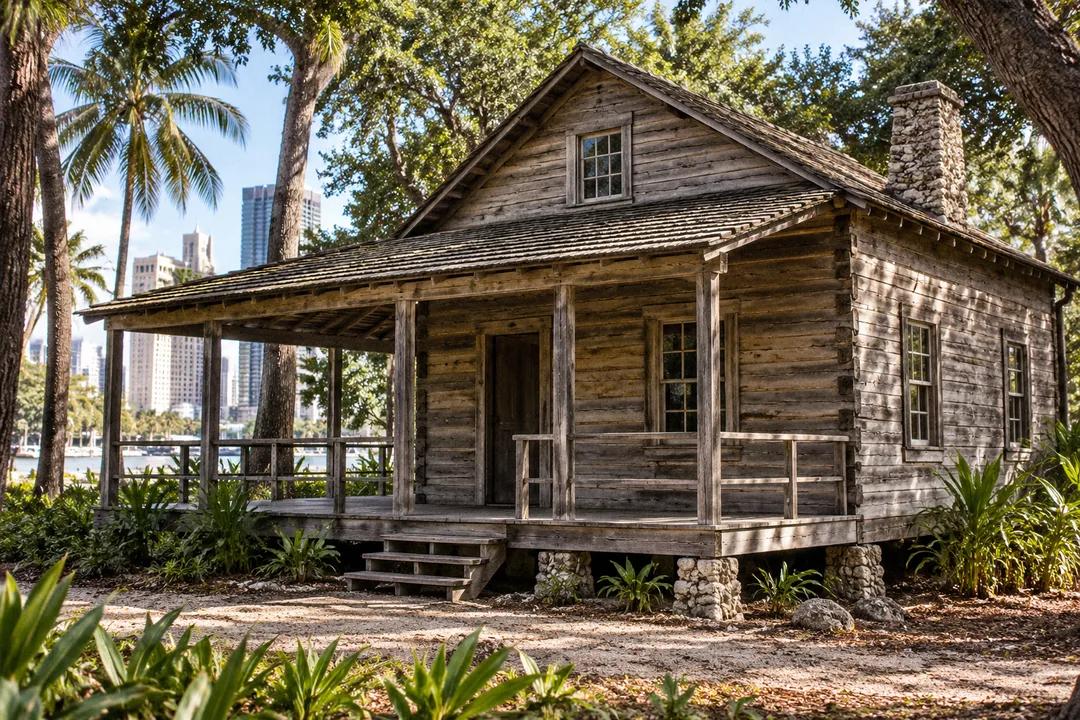
In 1925, faced with encroaching urban redevelopment, civic activist Julia Tuttle's family and the Daughters of the American Revolution organized a historic rescue effort, dismantling the stone barracks piece by piece and reconstructing the building at its current riverfront location in Lummus Park. Standing alongside the stone barracks is the 1897 William Wagner Homestead, a hand-hewn Dade County pine cottage representing the oldest standing pioneer residential home in Miami. Today, the complex operates as an educational historical landmark, featuring period wood furnishings, military uniform displays, pioneer agricultural implements, and archival photographs documenting the city's frontier origins.
Seminole War Garrison Hauntings and Riverfront Cold Spots
The violent and turbulent history of Fort Dallas has given rise to widespread supernatural accounts documented by park caretakers, local historians, and downtown walking tour guides. The most prevalent sighting involves an apparition of a nineteenth-century Union infantryman in blue wool uniform and leather service cap, observed marching deliberately along the riverfront stone perimeter before dissolving into the river mist. Nighttime maintenance workers have reported hearing the unmistakable cadence of heavy military bootfalls pacing across the upper floor of the barracks when the building was entirely empty.
Investigators conducting baseline paranormal surveys around the coral masonry have cataloged sudden, localized temperature drops exceeding fifteen degrees, accompanied by inexplicable battery drains on digital recording equipment. Paranormal groups studying the Wagner Homestead have recorded electronic voice phenomena consisting of faint whispers, the rhythmic rocking of antique chairs, and the metallic clinking of iron cooking pots in the empty pioneer kitchen. The profound antiquity of the site within a hyper-modern downtown setting creates an eerie, timeless resonance that captivates curious visitors.
Historic District Entry, Operating Hours, and Guided Tours
Lummus Park public grounds are open daily from 6:00 am to 10:00 pm, allowing visitors to walk through the historic riverfront district, inspect the exterior coral stone masonry, and view the pioneer architecture seven days a week. The interior exhibition rooms of the Fort Dallas Barracks and the Wagner Homestead are accessible during special municipal heritage programming, cultural festivals, and docent-led walking tours arranged through local historical societies. General admission to the historic park grounds is completely free of charge ($0.00) for all visitors.
Self-guided visitors can explore the exterior historic architecture, bronze commemorative plaques, and landscaped riverfront esplanade in approximately forty-five minutes. Informative markers placed around the perimeter detail the chronological timeline of the English plantation, the Seminole War defense, and the 1925 relocation of the structures. Organized historic downtown walking tours frequently stop at the barracks grounds, providing in-depth storytelling regarding early frontier conflicts, pioneer trading, and local ghost folklore.
Historic Structure Courtesies and Urban Park Guidelines
Because both the Fort Dallas Barracks and the Wagner Homestead are designated on the National Register of Historic Places, strict conservation standards must be respected. Visitors are asked not to climb on the historic coral stone foundation walls, scratch the antique lime mortar, or touch delicate wooden railings on the Wagner cottage porch. The surrounding grounds feature grassy lawns and paved walking paths, making sturdy, comfortable walking shoes ideal for navigating the park terrain.
Photography of the exterior historic architecture and river vistas is warmly permitted for personal and educational keepsakes, though commercial photography shoots and drone flights require formal municipal park permitting. Leashed pets are welcome across the exterior park grounds, provided owners maintain physical control on a six-foot leash and clean up after their animals. Park benches and shaded pavilions provide quiet spots to rest while observing river tugboat traffic and admiring the towering heritage oak trees.
Lummus Park Riverfront Promenades and Downtown Dining
Following your exploration of Fort Dallas, take a stroll along the Miami River Greenway, which passes directly adjacent to the park and connects historic landmarks with modern riverfront dining. Walk four blocks south along the river boardwalk to discover Garcia's Seafood Grille & Fish Market at 398 NW North River Dr, a beloved riverfront institution operating since 1966. Dine on the outdoor wooden deck overlooking commercial fishing boats while savoring grilled mahi-mahi, stone crab claws in season, and rich conch fritters.
Venture east into the downtown business district to explore the historic Gesu Catholic Church at 118 NE 2nd St, Miami's oldest Catholic parish church erected in 1925, showcasing magnificent European stained-glass windows and Venetian marble altars. For an artisanal afternoon coffee and homemade guava pastry, visit the neighborhood espresso counter at Vice City Bean along NE 2nd Ave, where locally roasted beans and relaxed seating offer a welcoming urban pause.
Metrorail Connections, Local Parking, and Walking Routes
Fort Dallas Barracks is located at 404 NW 3rd St, Miami, FL 33128, situated in Lummus Park between NW 3rd Street and the Miami River, just east of I-95. Motorists arriving via I-95 should take Exit 2B for NW 2nd Street/Downtown, proceeding west on NW 3rd Street directly to the park gate. Metered street parking is available along NW 3rd Street and adjacent avenues through the PayByPhone mobile payment system, with nearby commercial parking garages operating along NW 1st Avenue.
The site enjoys excellent public transit access, located just three blocks west of the Government Center Metrorail and Metromover stations. Commuters can ride the free automated Metromover Inner Loop to Government Center and enjoy a five-minute scenic walk through the historic West Flagler neighborhood directly to the Lummus Park entrance gates.
Ask Karpo for more information.
Keep reading
- Upper East Side Winter Farmers Market Picker With a Dog
 Normandy Village Winter Farmers Market Picker for an Asado
 Coral Gables Winter Farmers Market Picker for New Gardeners