 Upper East Side Winter Farmers Market Picker With a Dog
Weekend Plans
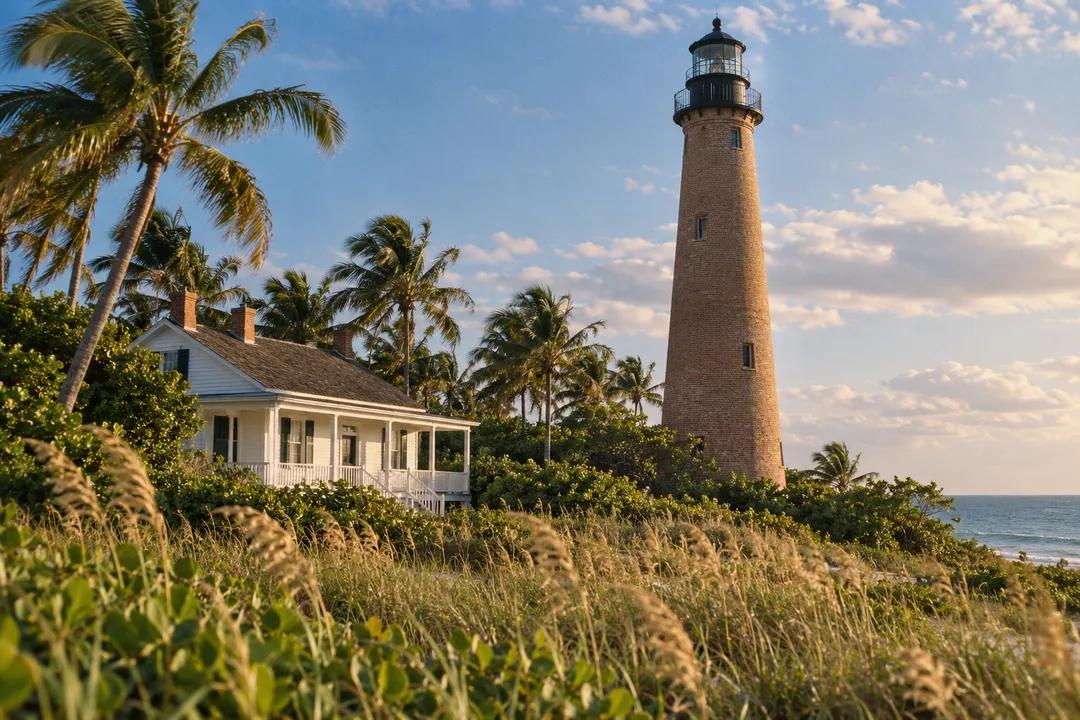
Paranormal Museum Near Me: Cape Florida Lighthouse Keeper Cottage in Key Biscayne
Discover the 1825 Cape Florida Lighthouse and reconstructed keeper's cottage museum in Key Biscayne, featuring Seminole War siege archives, maritime relics, and spectral beacon lore.
Cape Florida Lighthouse & Keeper's Cottage Museum at 1200 S Crandon Blvd in Key Biscayne stands as the oldest standing architectural structure in Miami-Dade County. Travelers in search of a historically compelling paranormal museum near me along the Atlantic coast will discover a remarkable blend of pioneer coastal engineering and tragic frontier conflict at the southern tip of this barrier island. First erected in 1825 to guide mariners through the treacherous waters of the Florida Reef, the brick tower and reconstructed nineteenth-century head keeper's cottage harbor harrowing accounts of military siege, fatal explosions, and lingering spectral manifestations that have fascinated maritime historians and paranormal researchers for generations.
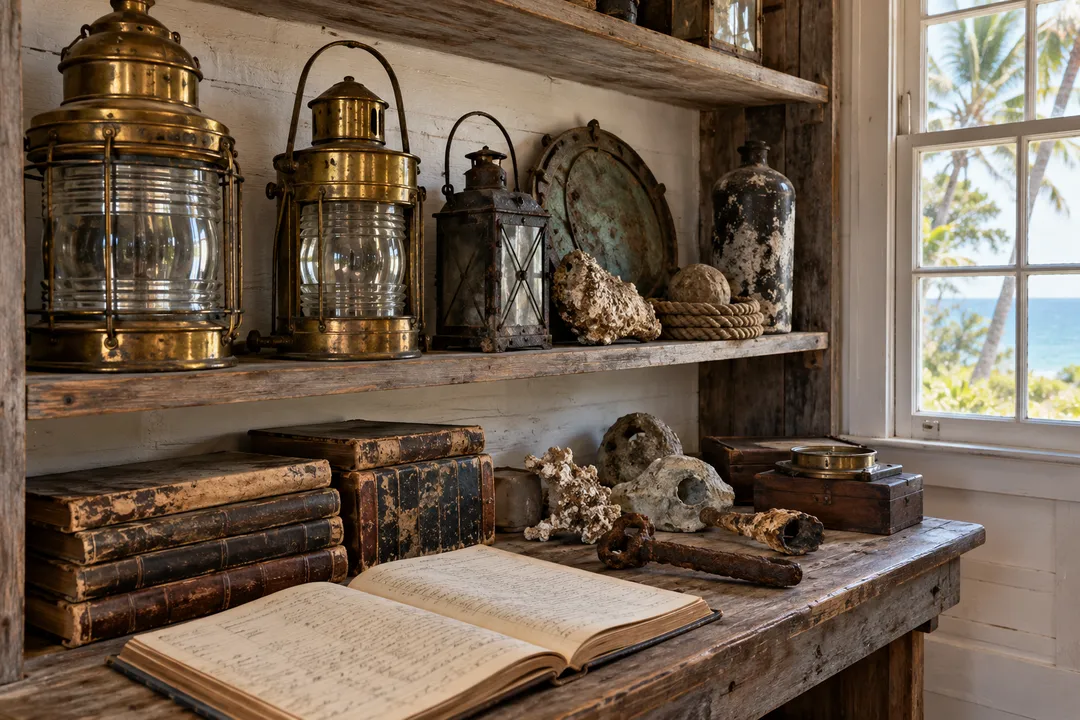
Antebellum Brick Masonry on Biscayne Channel
The original sixty-five-foot brick beacon was constructed under the supervision of contractor Noah Humphreys in 1825, utilizing thick walls of whitewashed brick designed to withstand tropical hurricanes and coastal erosion. During the early nineteenth century, the remote island outpost represented an isolated maritime frontier populated only by the resident lighthouse keeper, family members, and occasional wrecking crews salvage-patrolling the Florida Straits. Surviving maritime logs detail how the keeper maintained the flickering whale-oil lamps and polished the delicate brass reflectors night after night amidst howling maritime gales.
Following its near-destruction during frontier hostilities in 1836, the federal government rebuilt and heightened the brick tower in 1846, eventually raising the structure to ninety-five feet in 1855 to install a state-of-the-art Second Order Fresnel lens. Today, the surrounding state park compound features a faithfully reconstructed two-story wood-frame keeper's dwelling, an authentic detached kitchen building, and a brick oil storage house. Inside the keeper's quarters, interpretive museum rooms exhibit authentic nineteenth-century maritime artifacts, antique navigational charts, salvage ledgers, and domestic tools illustrating the rigorous isolation of pioneer coastal life.
Seminole War Siege Lore and Spectral Keeper Sightings
The most chilling chapter in the station's history occurred on July 23, 1836, during the Second Seminole War, when Seminole warriors besieged the lighthouse. Assistant keeper John W.B. Thompson and an African American laborer named Aaron Carter retreated into the tower, retreating up the interior wooden stairs as gunfire pelted the brick exterior. The attackers set fire to the wooden door and saturated the steps with whale oil, creating an inferno that drove the men to the outdoor lantern platform while flames consumed the wooden staircase below.
Aaron Carter tragically perished from fatal gunshot wounds during the siege, while Thompson was miraculously rescued the following afternoon by the crew of the navy schooner Motto after detonating a keg of gunpowder to alert nearby vessels. Ever since the tragedy, visitors, park rangers, and maintenance staff have recorded unexplainable phenomena around the tower grounds. Recurring reports describe the apparition of a distressed nineteenth-century watchman peering down from the catwalk, phantom lantern glows visible during stormy midnight hours, and sudden unexplained drops in temperature echoing across the quiet ground-floor museum rooms.
Park Vehicle Admissions, Tower Schedules, and Historic Access
Bill Baggs Cape Florida State Park is open to the public 365 days a year from 8:00 am until sundown. Standard park entrance admission is $8.00 per vehicle carrying two to eight passengers, $4.00 for single-occupant vehicles, and $2.00 per pedestrian or bicyclist entering through the main gate. Access to the historic grounds, keeper's dwelling museum, and guided tours up the lighthouse tower is entirely complimentary with paid park admission, requiring no additional commercial tickets.
Guided tours of the lighthouse tower and the keeper's cottage museum are conducted Thursday through Monday at 10:00 am and 1:00 pm. Because space on each tour is strictly limited to ensure visitor safety on the steep spiral iron staircase, arriving at least fifteen to twenty minutes prior to departure is essential. Guests gather at the wooden pavilion near the base of the tower, where park rangers and volunteer docents recount the military defense of the outpost before leading groups into the historic interior chambers.
Maritime Preservation Rules Along Winding Coastal Stairs
Climbing the ninety-five-foot brick lighthouse tower requires ascending one hundred and nine spiraling cast-iron stairs followed by a steep eight-rung ship's ladder leading to the outdoor gallery deck. For safety reasons, climbers must be at least forty-two inches tall, and children must be capable of navigating the staircase independently without being carried. Solid flat-soled footwear with non-slip rubber soles is strictly required, while backless sandals, loose flip-flops, and high heels are not permitted on the historic spiral staircase.
Visitors exploring the delicate wooden rooms of the keeper's cottage museum are asked to refrain from touching antique furnishings, historical glass display vitrines, or delicate nautical instrumentation. Food, sugary beverages, and smoking are forbidden within the historic buildings and on the tower catwalk. Guests are encouraged to take non-commercial keepsake photographs of the interior displays and the panoramic coastal view of Biscayne Bay, while camera tripods and bulky gear bags must be left on the ground-level lockers.
Key Biscayne Coastal Trails and Island Cafes
After discovering the maritime history and spectral lore of the lighthouse, explore the coastal nature trails that meander through the park's maritime hammock and restored mangrove wetlands. Walk north along the shoreline trail to observe native coastal birds, including brown pelicans, osprey, and seasonal shorebirds feeding along the barrier flats. For a casual waterfront lunch within the park, stop by the Boater's Grill overlooking No Name Harbor, where fresh whole fried snapper, conch fritters, and chilled coconut water are served alongside peaceful views of moored sailing yachts.
Venture three miles north into the charming village center of Key Biscayne along Crandon Boulevard to explore local retail shops and open-air dining terraces. Enjoy authentic Cuban pastries and freshly pulled cafe con leche at the bakery counter of Oasis Cafe, a beloved neighborhood staple tucked into an unassuming Mobil station lot at 19 Harbor Dr. Continue north through Crandon Park to visit the historic Marjory Stoneman Douglas Biscayne Nature Center, featuring interactive marine touch tanks and guided shoreline educational walks.
Causeway Navigation, Bicycle Corridors, and Arrival Guidance
Cape Florida Lighthouse is positioned at 1200 S Crandon Blvd, Key Biscayne, FL 33149, at the southern terminus of the Rickenbacker Causeway and Crandon Boulevard. Visitors traveling from Downtown Miami or South Beach should take I-95 south to the Rickenbacker Causeway exit, paying the standard electronic toll before driving ten scenic miles across Virginia Key and Key Biscayne directly into the state park entrance. Spacious paved parking areas are available adjacent to the lighthouse beach boardwalk and No Name Harbor, providing convenient access for passenger vehicles and bicycles.
Dedicated bicycle lanes flank the entire length of Crandon Boulevard, making the park a premier destination for coastal cyclists pedaling from mainland Miami. Public transit riders can board the Miami-Dade Transit Metrobus Route B from the Brickell Metrorail Station, which provides daily service through Key Biscayne to the park entrance gates, where passengers can walk or bicycle directly to the historic lighthouse compound.
Ask Karpo for more information.
Keep reading
- Upper East Side Winter Farmers Market Picker With a Dog
 Normandy Village Winter Farmers Market Picker for an Asado
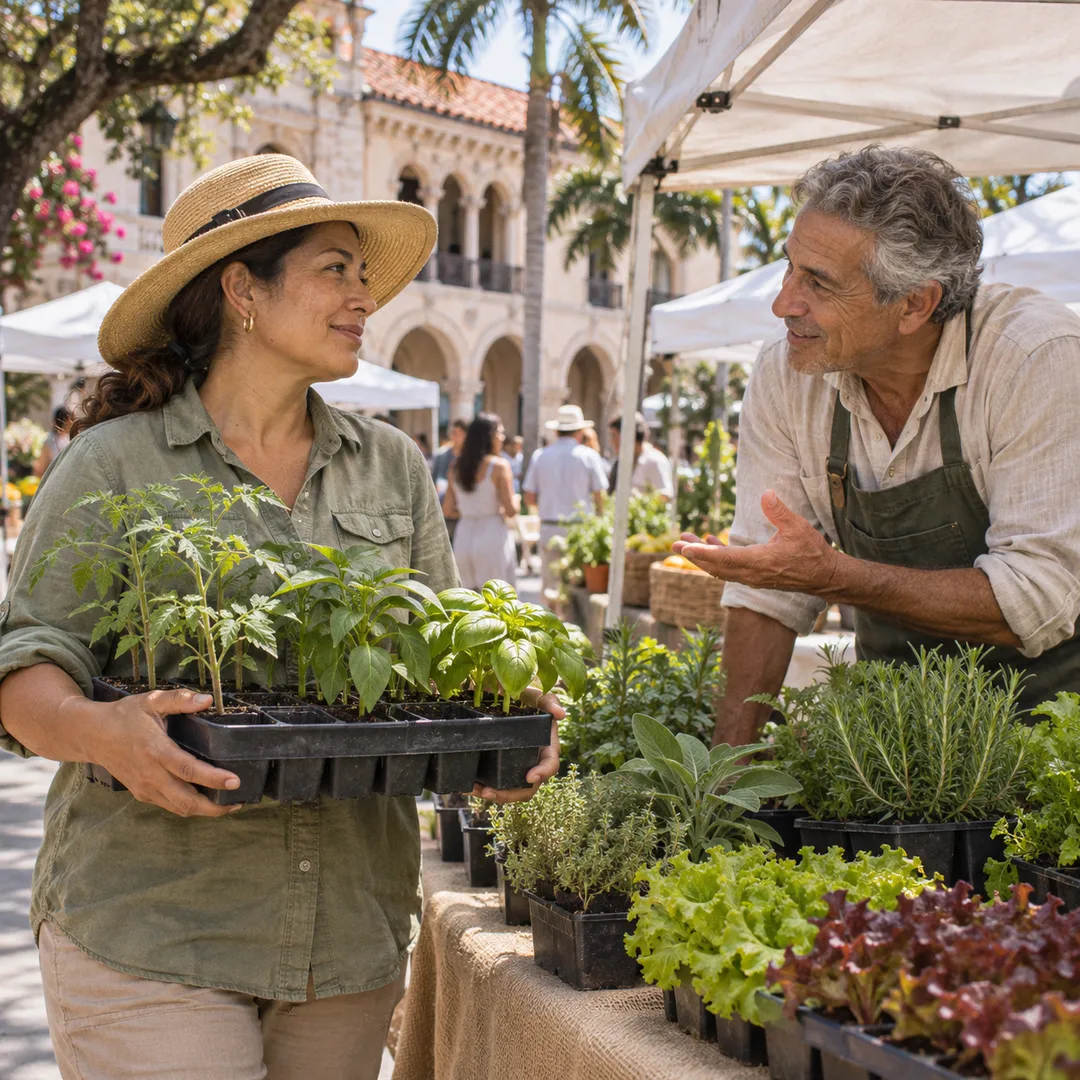 Coral Gables Winter Farmers Market Picker for New Gardeners