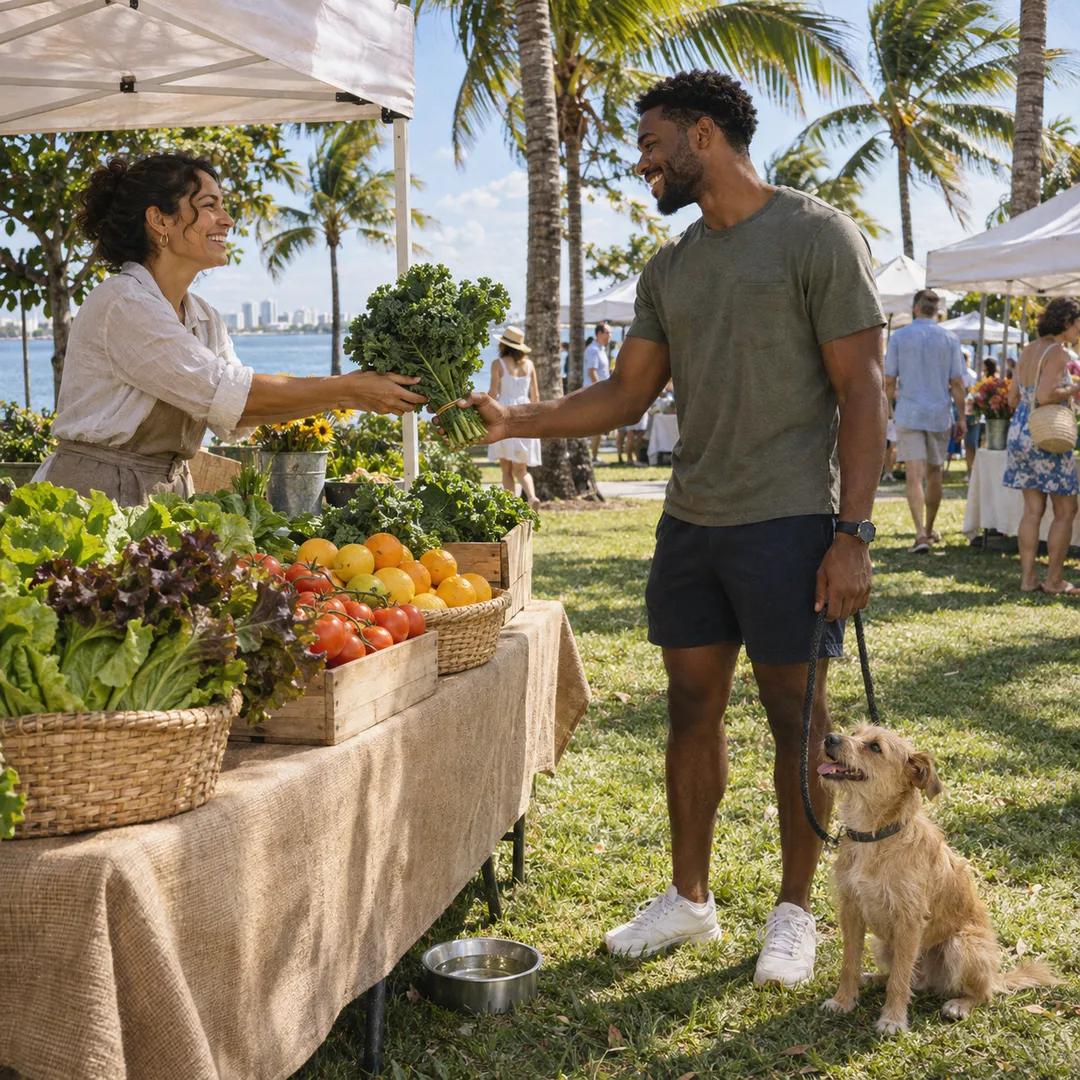
 Upper East Side Winter Farmers Market Picker With a Dog
Weekend Plans
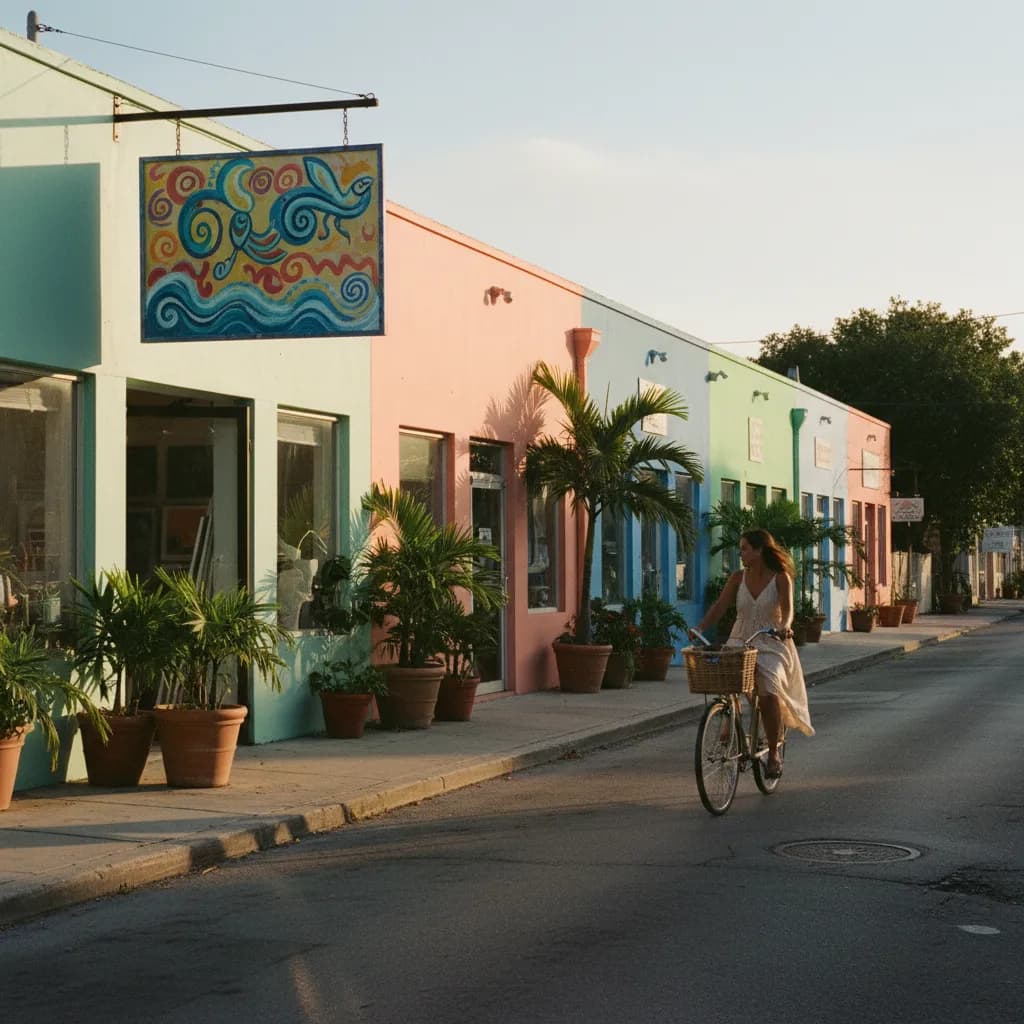
Little River New in Town Weekend Planner: Makers and Palms
New to Miami? Little River is a quieter first weekend: visit maker studios in old warehouses, wander the plant nurseries and meet the Haitian community nearby.
If Wynwood is the Miami art district everyone has heard of, Little River is the one people find once they actually live here. It sits a short way north, along a slow, mangrove-edged river and a grid of low warehouses, small houses and nurseries full of palms. Rents and crowds have not yet reached the levels of the neighborhoods further south, so studios, small workshops and family businesses still fill many of the buildings. For someone new to the city, that makes it a friendly place to spend a first weekend talking to the people who make things. This new in town weekend planner is built around those conversations.
A Neighborhood Shaped by Water, Growers and Haitian Families
Little River takes its name from the small waterway that winds east toward Biscayne Bay. For a long time the land around it was farmland and nursery ground, which is why so many plant growers are still here, selling everything from tiny succulents to tall royal palms. Later, the area became part of the wider northeast Miami community where many Haitian families settled, opening churches, botánicas, bakeries and shops along the main avenues nearby.
More recently, artists, designers, furniture makers and small food producers began renting the warehouses, attracted by space and affordability. The neighbors you meet will include Haitian grandparents who have lived on the same street for decades, ceramicists covered in clay dust, nursery workers loading trucks and young couples who just moved into a nearby bungalow. Treating the neighborhood as a shared home, not a backdrop, is the best way to be welcomed.
Saturday Morning Among the Palms
Start your weekend in one of the plant nurseries. Walking the gravel aisles under shade cloth, surrounded by monstera, orchids, crotons and palms, is a calm introduction to the neighborhood and a practical one, because a few plants will make a new apartment feel lived in almost instantly. Ask the staff what thrives on a sunny balcony or in a shady room. Many growers have worked these plots for years and love to share advice on watering, humidity and the pests that come with a tropical climate.
Do not rush to buy. Walk a couple of nurseries first, compare, then choose one or two plants you can carry home. If you do not have a car yet, some growers can suggest smaller varieties that fit easily into a rideshare or a backpack.

Studios, Workshops and Open Doors
By late morning, wander the warehouse blocks. Many studios in Little River are working spaces rather than formal galleries, so you may find a roll-up door half open and a woodworker, printmaker or ceramicist inside. Some host open studio days, classes or small markets. Look for signs or chalkboards out front, and when a door is open, it is usually fine to step in, say hello and ask what they are making.
Workshops are one of the easiest ways for newcomers to meet people in Miami. A pottery session, a printing class or a plant-care talk brings strangers together around a shared task, and conversations come naturally when your hands are busy. Ask makers about upcoming sessions and save the ones that interest you for future weekends.
Lunch and Afternoon in the Haitian Heart Nearby
For lunch, head toward the nearby Haitian blocks, where small restaurants serve griot, fried plantains, pikliz, rice and beans and rich stews. Order at the counter, ask the staff for their favorite and accept a recommendation. Many places are family run, and the cooks are proud of the dishes they grew up with. A bakery nearby might offer pâté kòde or sweet bread to take home for Sunday breakfast.
Afterward, spend some time at the cultural center that showcases Haitian art, music and dance, or simply walk along the main avenue and notice the brightly painted storefronts, murals of Haitian heroes and the sound of Kreyòl in the air. If you are lucky, you may come across a rehearsal, a church choir or a small street celebration.
Saturday Evening in a Converted Warehouse
In the evening, Little River has a handful of breweries, wine bars and casual kitchens set in converted industrial buildings, often with outdoor patios and string lights. They are relaxed, local places rather than destinations, which makes them a good setting for a first night out when you do not know many people. Sit at the bar, ask the person next to you what else they like in the area and let the conversation lead you.
Sunday Along the River and the Boulevard
On Sunday morning, walk toward the river itself. Parts of its banks are lined with mangroves, and you may see herons, egrets or even a manatee in the calm water. It is a reminder that this busy city is built on a living coastline. From there, cross over to the stretch of Biscayne Boulevard known for its mid-century modern motels and buildings, with their angular signs, breeze blocks and bright colors. It is a fun, low-key way to see a different side of Miami's architectural history.
Later, return to a café near the studios, read with a coffee and plan your next visit. Little River tends to reward people who come back again and again rather than those who try to see everything at once.
Keeping Little River on Your Personal Map
By the end of the weekend, you will likely have a plant on your windowsill, the name of a maker whose class you want to take and a counter where you liked the griot. Use the Karpo APP to save those places with notes, so you remember what you liked and why, and look up nearby parks, cafés and neighborhoods to pair with them on future weekends. Small, steady discoveries like these are what make a new city start to feel like home.
Good Habits for Little River Newcomers
Bring water, sun protection and insect repellent, since you will spend a lot of time outdoors among plants and near the water. Some small businesses prefer cash, so carry a little. Be thoughtful when photographing homes, churches and people in the Haitian community, and ask first. Finally, support the makers and family businesses you enjoy, because they are the reason Little River feels the way it does.
Ask Karpo for more information.
Keep reading
- Upper East Side Winter Farmers Market Picker With a Dog
 Normandy Village Winter Farmers Market Picker for an Asado
 Coral Gables Winter Farmers Market Picker for New Gardeners