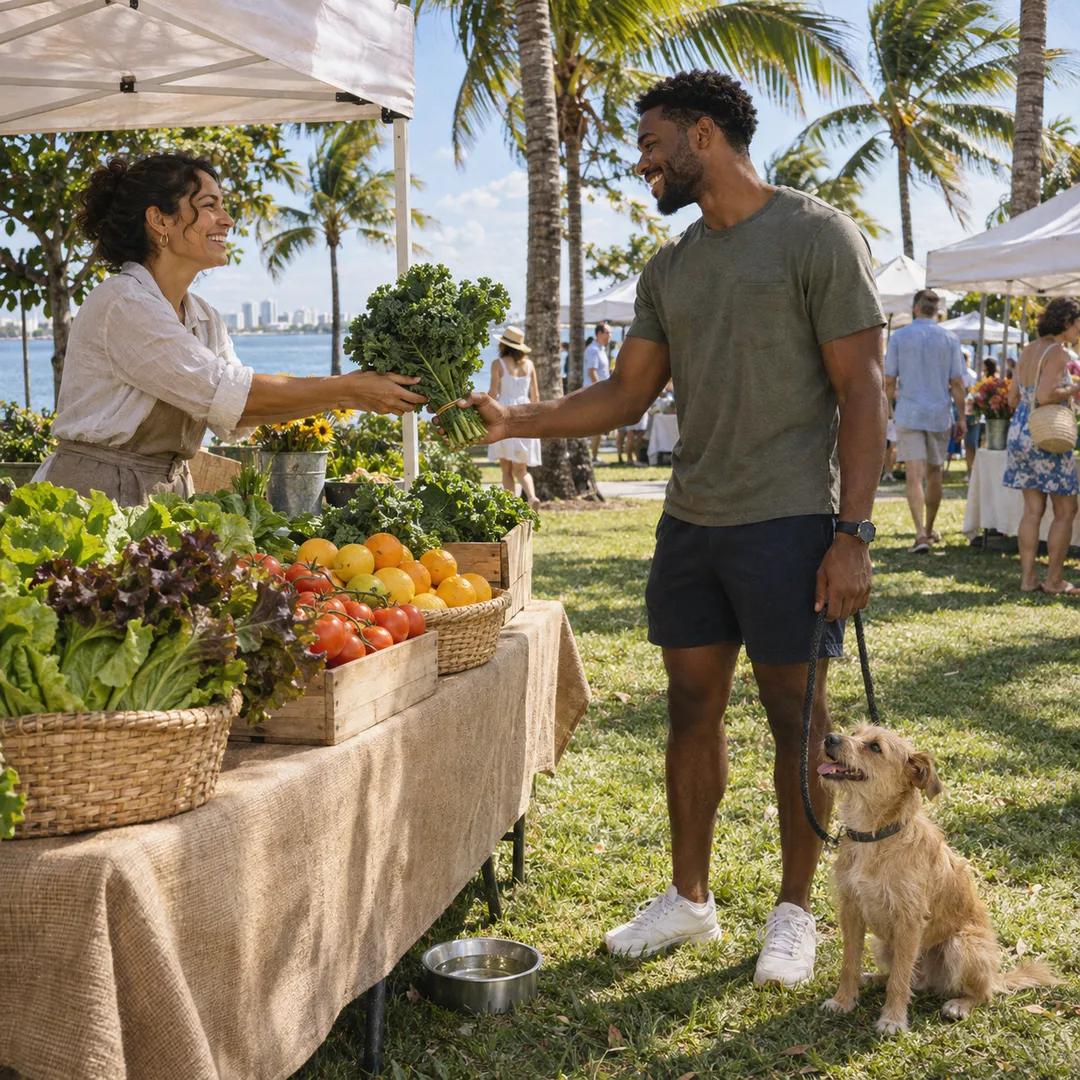
 Upper East Side Winter Farmers Market Picker With a Dog
Weekend Plans

Little Havana New in Town Weekend Planner: Cafecito First
New to Miami? Start your Little Havana weekend at a ventanita, stroll Calle Ocho to the domino park, and save Sunday for quiet streets and slow lunches.
Little Havana is where many people new to Miami first feel the city's Cuban heart, and it is also where a little preparation pays off most. Spanish is the everyday language on the street, coffee is ordered through a window rather than at a counter, and the neighborhood moves to the pace of conversation rather than the clock. None of that should intimidate you. A few small habits will turn you from a visitor into someone the regulars nod at, and this new in town weekend planner is built around learning those habits across a relaxed Saturday and Sunday.
The Story Behind Calle Ocho
Southwest Eighth Street, known to everyone as Calle Ocho, became the main street of Cuban Miami after waves of exiles arrived from the island and built new lives here. They opened bakeries, cigar shops, pharmacies and family restaurants, and turned the area into a place where you could live a full day in Spanish. Over time, families from Nicaragua, Honduras, Venezuela and other Latin American countries settled here too, so today the neighborhood is broader than one story, even if Cuban culture still sets the tone.
Along the street you will notice memorials, plaques and monuments that honor the exile community and its history. Read a few as you walk. They explain why older residents speak about the neighborhood with such feeling, and why the domino tables, the coffee windows and the cigar rollers are more than tourist details. They are how people kept their culture alive far from home.
Learning the Ventanita on Saturday Morning
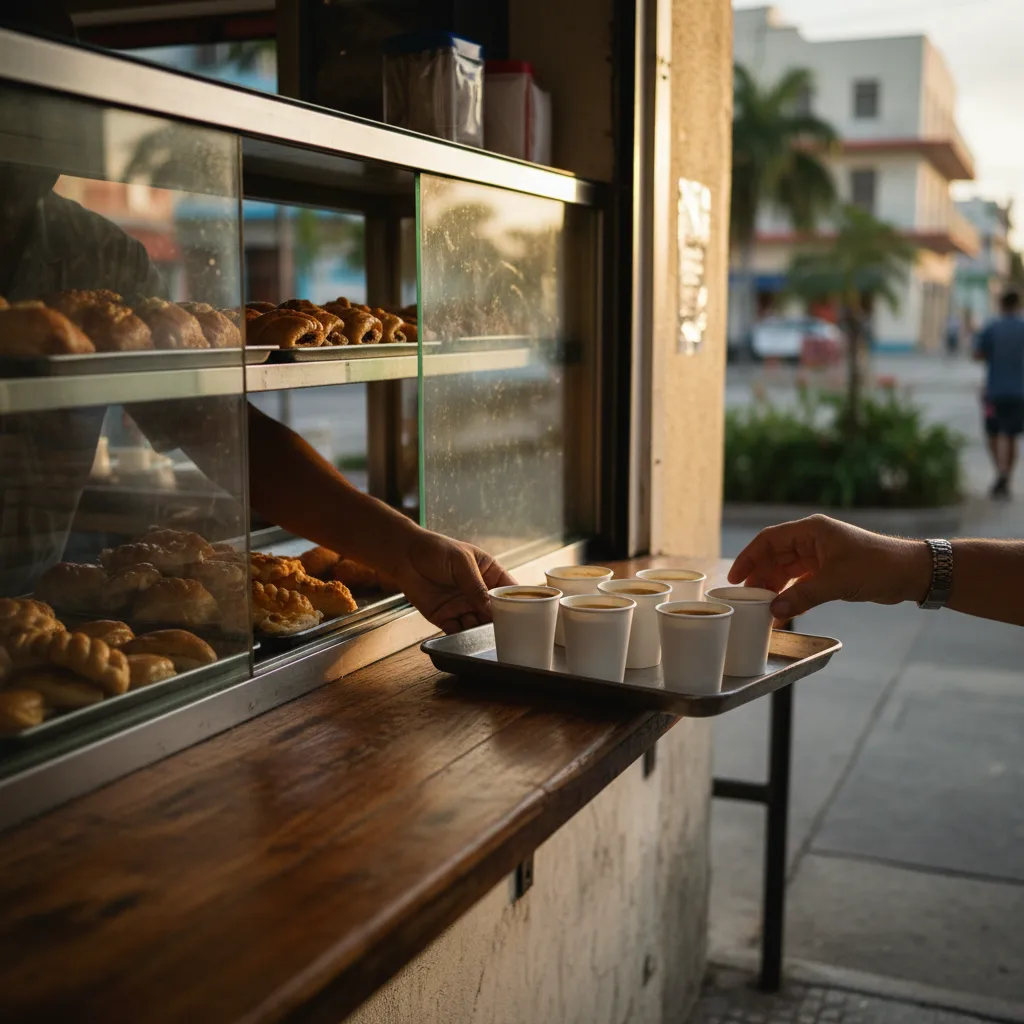
Begin at a ventanita, the small walk-up window found at the side of many cafés and bakeries. This is where the neighborhood gathers in the morning, standing on the sidewalk to trade news. Order a cafecito for a strong, sweet shot, a cortadito if you want a splash of milk, or a colada if you are with friends, which comes in one cup with tiny plastic cups for sharing. Offering colada to the people beside you is a gesture that locals appreciate, and it is the simplest way to start a conversation.
Pair the coffee with something from the pastry case. Guava and cheese pastelitos, croquetas and a buttered slice of Cuban toast are the classic choices. Do not worry if your Spanish is limited. Point, smile, say gracias, and you will be served just the same. Many staff will switch to English when they see you hesitate, but even a few words of Spanish earn you warmth.
The Domino Park and the Cigar Rollers
From the coffee window, walk along Calle Ocho to the small park where older men gather around outdoor tables to play dominoes. The games are serious, fast and loud, and watching from a polite distance is part of the experience. Resist the urge to crowd the tables with a camera. Stand back, listen to the clack of the tiles and the friendly arguments, and you will get a far better sense of the neighborhood than any photo could give you.
Nearby, several shops still roll cigars by hand, often with a roller working at a table near the front window. Even if you do not smoke, it is worth stepping in to watch the leaves being cut, shaped and pressed. Ask questions. Rollers are generally proud of the craft and its history, and some trace their skills back through generations of family work on the island.
Saturday Night: Music Spilling Onto the Sidewalk
As evening comes, Calle Ocho fills with music. Some bars and restaurants bring in live bands playing salsa, son and Latin jazz, and dancers of every age take to the floor. You do not need to know the steps. Watching first and then joining in with a patient partner is the newcomer's way in. If dancing is not your thing, choose a table near the window, order a mojito or a fresh juice and enjoy the energy from your seat.
Keep the evening simple. Stay in one or two places, eat a proper dinner of roast pork, black beans and rice, plantains or a Cuban sandwich, and leave room to wander back along the street afterward when the crowds thin and the neighborhood settles down.
Sunday: Side Streets, Murals and a Long Lunch
On Sunday, step off the main avenue into the residential side streets. Here you will see the modest houses, mango and avocado trees, church congregations heading to services and families gathering on porches. This quieter Little Havana shows you how people actually live in the neighborhood, and it is a gentle reminder to be respectful of private homes as you walk.
Later, return to Calle Ocho for a long family-style lunch. Sunday is when many Miami families eat together, so the dining rooms fill with grandparents, children and cousins sharing big plates. Watching that routine is one of the best ways to understand how important family and food are to the city you have just moved to.
Getting Around Without Missing the Small Details
Little Havana is best explored on foot, but the distances along Calle Ocho are longer than they look on a map, so plan a loop that keeps shade in mind. Rideshare drop-offs are easy, and the free city trolley serves parts of the neighborhood, which helps if you are coming from Brickell or downtown. Walk slowly once you arrive. Many of the details that make the area special, from hand-painted shop signs to tiled sidewalk stars and roosters painted in bright colors, are easy to miss when you hurry between famous stops.
Keeping Little Havana in Your Weekly Routine
By the end of your first weekend, you will likely have a favorite coffee window, a pastry you crave and a corner of Calle Ocho you want to return to. Use the Karpo APP to save those spots, jot down what you ordered and find nearby parks, music venues and neighborhoods to explore on future weekends. Many newcomers end up making a Saturday cafecito here a regular ritual, even if they live across town.
Small Courtesies That Go a Long Way
Greet people when you walk into a shop, since a simple buenos días is expected. Carry a little cash, as some small counters prefer it. Bring water and shade, because the sidewalks heat up quickly by midday. Finally, slow down. Little Havana rewards people who stay for a second coffee, listen to one more story and treat the neighborhood as a community rather than a stop on a list.
Ask Karpo for more information.
Keep reading
- Upper East Side Winter Farmers Market Picker With a Dog
 Normandy Village Winter Farmers Market Picker for an Asado
 Coral Gables Winter Farmers Market Picker for New Gardeners