Miami's event calendar is stacked in a way few American cities can match — a Formula 1 weekend, a Masters-level tennis tournament, two major-league teams, an arena that hosts everything else — and the pricing on all of it behaves differently from what people expect. The seats are not the scarce thing here. Dates are. Once you understand that, and once you know what the pricing rules now force sellers to show you, the difference between a cheap night and an expensive one stops being luck.
Prices for the same seat move by the hour and the cheap window is usually the day of the game. Text Karpo to check what a ticket near you actually costs right now, all fees in.
The rule that changed the number on the screen
Since 12 May 2025, the Federal Trade Commission's rule on unfair and deceptive fees has required live-event ticket sellers to show the total price, including all mandatory fees, up front — and to display it more prominently than any partial price. That is a bigger deal than it sounds. It targets exactly the practice that made ticket shopping impossible to compare: a low base price advertised, with service, facility and processing fees revealed three screens later at checkout.
What it means in practice is that the number you see at the start should be the number you pay at the end, and two sites showing different totals are genuinely different prices rather than the same price hiding fees at different depths. The rule does not cap fees or ban them — it just makes them visible. Use it: open two sellers side by side and compare the totals, because the gap between them is now real information instead of a guessing game.
The cheapest real night out in Miami sport
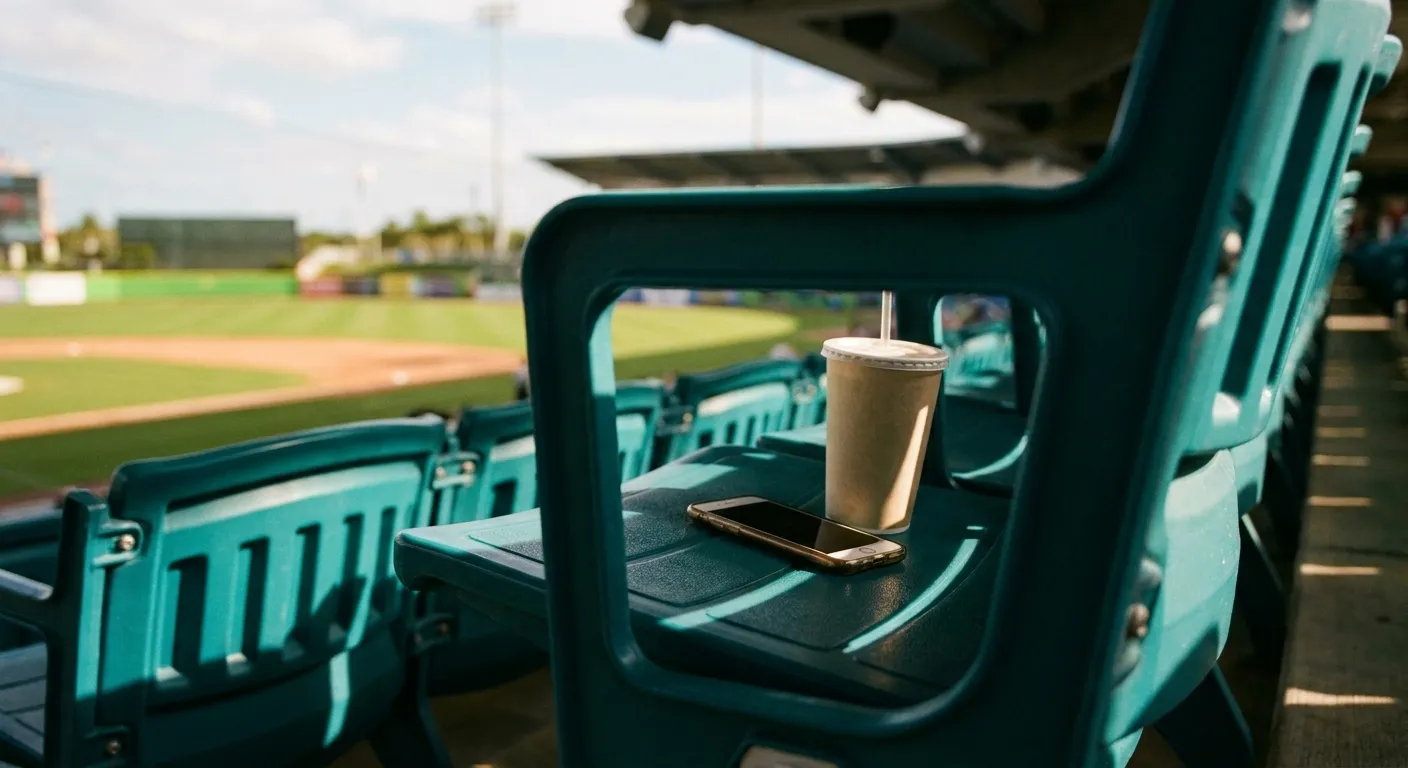
It is baseball, and it is not close. Marlins get-in tickets frequently start in the low-to-mid teens, and day-of prices are often the lowest of the entire selling window because unsold inventory has nowhere else to go. loanDepot park has the largest retractable roof in major league sport — three panels, around eight thousand tons, covering close to eight acres, opening or closing in roughly thirteen minutes — and the team plays most home games with it closed and the air conditioning on. In August, that makes a $15 ticket a three-hour escape from the heat with a game attached.
Basketball: the matchup sets the price, not the seat
Heat tickets at the Kaseya Center start as low as around $25 for the right game, while the average across a season sits far higher — because in the NBA the visiting team is the product. A midweek game against a rebuilding opponent in January and a Saturday against a title contender are the same building, the same seat and a different sport economically. If you want to be in the arena rather than at a specific game, buy the weeknight and the unfashionable opponent, and you will pay less than a decent dinner.
The stadium weekends: plan a year out or buy late
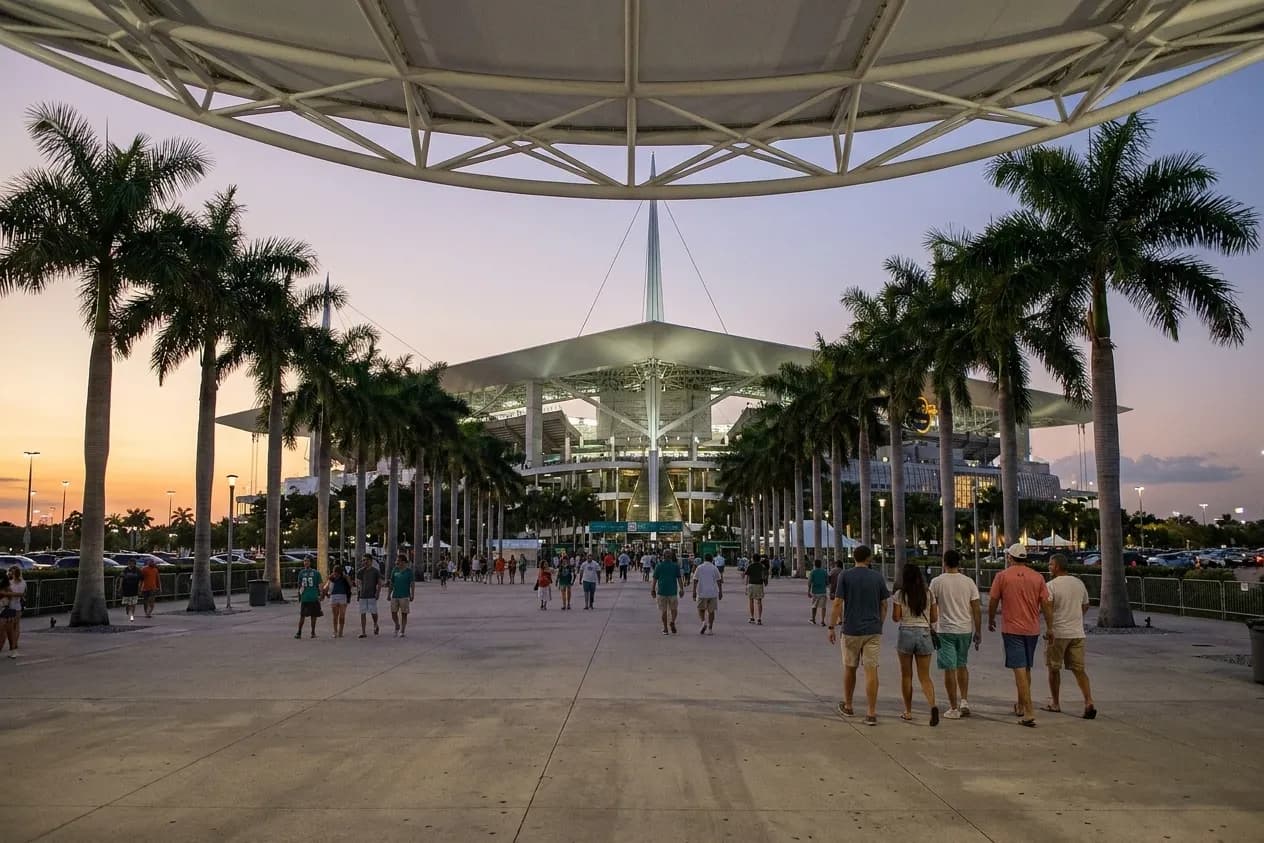
Hard Rock Stadium in Miami Gardens carries the two international events. The Formula 1 Miami Grand Prix ran 1–3 May in 2026, with official packages spanning roughly $1,599 to $5,899, while general-admission access has appeared on the secondary market from well under a hundred dollars closer to the weekend. The Miami Open takes over the same site in March — this year 17 to 29 March — and works like every big tennis tournament: the first week, on the outer courts, is a fraction of the price of the second and is where you actually get close to the players.
The general principle for both: the cheap ticket is a day pass to an early session, not a discounted version of the marquee day. Buy the Thursday, not the final.
The costs nobody quotes you
In Miami, transport is the fee that is not covered by the pricing rules. Stadium parking on a big night runs into serious money and rideshare surges on the way out are worse than the way in — a cheap ticket plus a surge fare is not a cheap night. Two habits fix most of it: pre-book parking where the venue offers it rather than paying the gate rate, and walk ten minutes away from the stadium before requesting a car, which routinely halves the price. For downtown events, the Metromover is free and connects the arena district to Brickell and Bayside, which is the single most underused piece of transport infrastructure in the city.
A working checklist
Compare all-in totals across at least two sellers, because they are now directly comparable. For arena and ballpark events, check prices again on the day — inventory that has not moved gets cheaper, not dearer. For festival and race weekends, buy the early session. Budget parking and the ride home as part of the ticket price. And for the events where demand genuinely outstrips supply, decide early whether you are buying the event or the experience — because the cheap version of the experience is usually a different day of the same week.
Tags: #majoreventsticketsmiami #miamitickets #miamiheat #kaseyacenter #marlins #loandepotpark #hardrockstadium #f1miami #miamiopen #cheaptickets #allinpricing #miamisports #gamenight #305sports
All trademarks are the property of their respective owners.
Ask Karpo first
Ticket prices in Miami move with the matchup, the weather and how close it is to first pitch, and the cheapest route in is rarely the first listing you see. Ask Karpo what tonight's game or show actually costs all-in, whether waiting an hour will drop it, and what parking will add.