 Upper East Side Winter Farmers Market Picker With a Dog
Weekend Plans
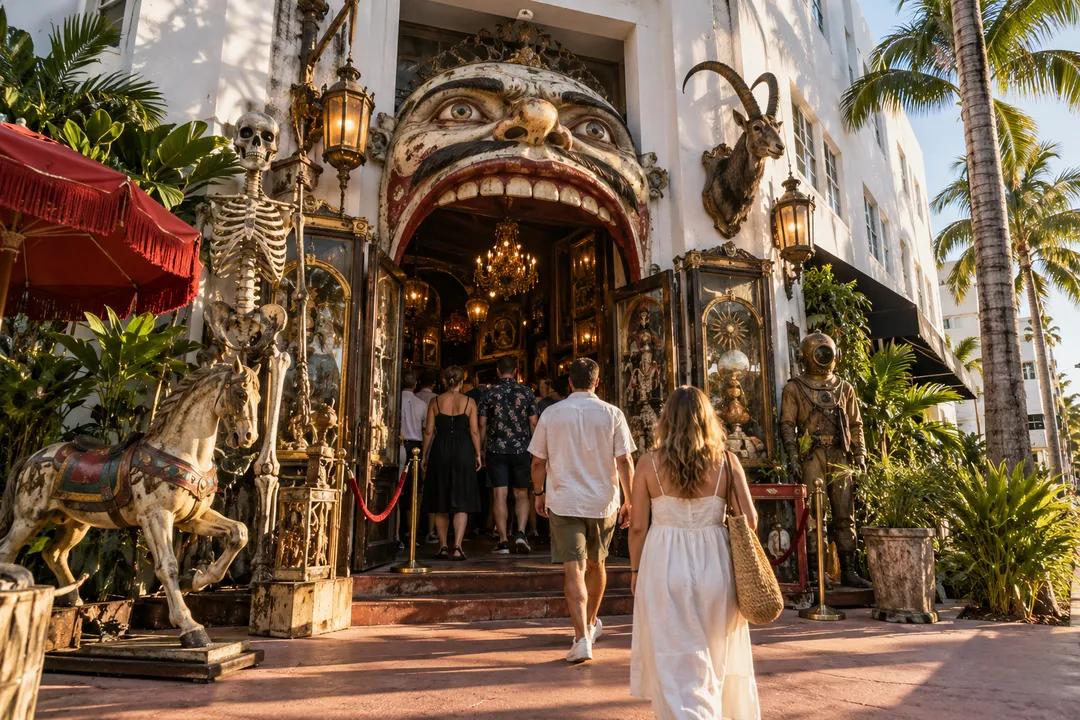
Ripley's Miami Horror Wax Museum: Oddities After Dark
Ripley's at 118 5th Street in Miami Beach offers strange displays and a compact indoor escape; read the oddities slowly, then walk the shore.
Ripley’s Believe It or Not! Miami Beach at 118 5th Street is the most literal local answer for a horror wax museum search, although its collection is built around oddities rather than a conventional wax gallery. The attraction is indoors, compact, and deliberately strange: visitors move from a recognizable curiosity to an object that makes the previous one feel normal. The official site is the source for current ticket availability and hours, which can change by date.
Why Ripley’s Fits The Search
The building sits in a part of Miami Beach that normally sells brightness, music, and quick gratification. Ripley’s pushes in the opposite direction. The windows promise spectacle, but the rooms reward a slower look at labels, scale, and material. That contrast gives the visit its useful tension: you leave the glare of Fifth Street, enter a controlled sequence of surprises, and come back out with the beach still moving at full speed.
Go in expecting a family-friendly oddities attraction, not a haunted maze. A couple may chase the most improbable object, a parent may steer a child toward the less intense cases, and a solo visitor may spend longer with the historical details. The mixed audience is part of the rhythm. Nobody needs to perform fear, and the best reaction often comes when a group pauses because an ordinary-looking object turns out to have an extraordinary story.
How To Read The Oddities
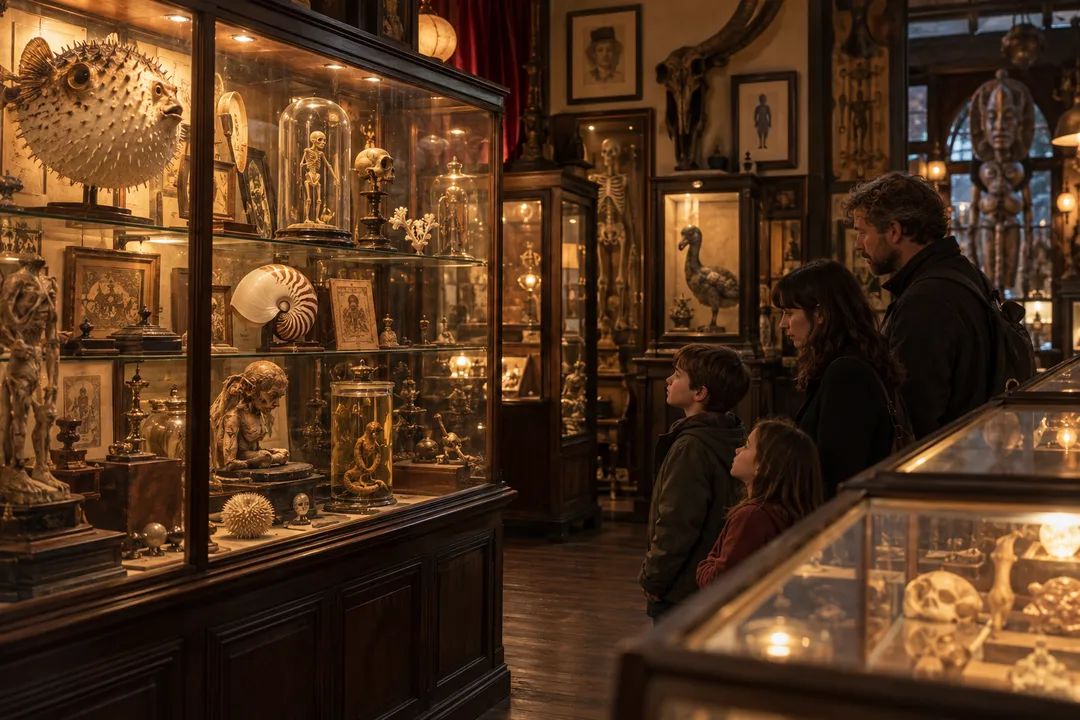
The displays are strongest when they move between familiar and impossible. A celebrity reference or everyday tool gives the eye a foothold, then a strange scale or material breaks it. Read the short caption before deciding what you are seeing. The museum’s designers understand that anticipation does half the work; the object becomes more unsettling after the explanation than before it.
If the group includes a nervous child, set the boundary early. Choose the funny or historical cases first, keep the pace voluntary, and avoid describing the next room as scarier than it is. Adults who want more intensity can linger while others move toward the exit or the brighter front galleries. That flexibility is more useful than a one-size-fits-all route.
When To Go And What To Skip
The best photograph is usually not the most obvious one. Look for a side angle, a reflection in glass, or the empty space around a small object. Keep your flash off when signs request it, and do not make a case inaccessible while you pose. A quick image is enough; the memory should come from the fact, not from a wall of nearly identical pictures.
The official ticket page matters because tourist attractions can change hours around events, maintenance, or seasonal demand. Buy ahead when the calendar is busy, but leave room for the weather and traffic. The beach is nearby, yet Miami’s short distances can take longer than they look when Fifth Street is crowded.
After the museum, the cleanest reset is a short eastward walk toward the sand. Lummus Park gives the group space to separate, talk about the oddest display, and decide whether the next stop should be social or quiet. If rain begins, keep the route around the indoor blocks and save the shoreline for another day.
A Miami Beach Reset
Start with the displays that make you stop twice. A medical curiosity can look like a prop until a label gives its history, while a tiny object can carry a stranger story than the oversized centerpiece. The most rewarding route is uneven: choose a few cases, read the short captions, then return to the object from another angle. That rhythm keeps the visit from becoming a blur of quick photographs.
The practical rule is to keep the lane open. Families tend to pause at the largest display, teenagers cluster around the most photogenic oddity, and solo visitors often want a quiet minute with the details. Move to the side before checking your ticket or camera. The museum is more enjoyable when the group treats each case as a small conversation rather than a queue with props.
I would skip a rushed beach-day visit if you have only fifteen minutes. The attraction works because the objects need a little reading time, and the Miami heat makes the air-conditioning tempting enough to leave before finishing. Give yourself a full hour, then decide whether the group wants more South Beach energy or a calmer route toward the beach and Lummus Park.
Practical Notes
A useful backup is the beach itself: after the indoor galleries, walk east from Fifth Street toward the sand and let the bright horizon reset the mood. If rain arrives, stay around the dense Collins Avenue blocks instead of committing to a long waterfront walk. The point is not to pretend Ripley’s is a traditional wax museum; it is the better choice when your search means strange objects, visual shock, and a compact indoor stop.
For a horror wax museum search, Ripley’s supplies the playful version of unease. There are no claims here about a haunted building, and there is no reason to invent a supernatural story. The pleasure comes from the collision between a polished tourist district and objects that feel out of place. That honesty makes the visit work for mixed groups: one person can enjoy the history, another can chase the weirdest photograph, and nobody has to commit to a jump scare.
Your Next Karpo Plan
Use Karpo APP to turn the attraction into a Miami Beach plan instead of a stand-alone stop. Ask for a nearby place to cool down, a short art-and-architecture walk, or an evening option that does not require crossing the whole city. The useful question after an oddities museum is usually not what to see next, but what will balance the sensory overload without flattening the mood. One detail worth carrying into the rest of the day is the difference between spectacle and evidence. Ripley’s packages unusual objects as entertainment, but the captions ask you to slow down and consider who collected them, where they came from, and why an audience once found them astonishing. That small shift keeps the visit from feeling disposable. If you are writing down a favorite, record the object’s name and the fact that made it strange rather than relying on a blurry photograph. The result is a better memory and a more useful conversation after you return outside.
Ask Karpo for more information.
Keep reading
- Upper East Side Winter Farmers Market Picker With a Dog
 Normandy Village Winter Farmers Market Picker for an Asado
 Coral Gables Winter Farmers Market Picker for New Gardeners