 Upper East Side Winter Farmers Market Picker With a Dog
Weekend Plans
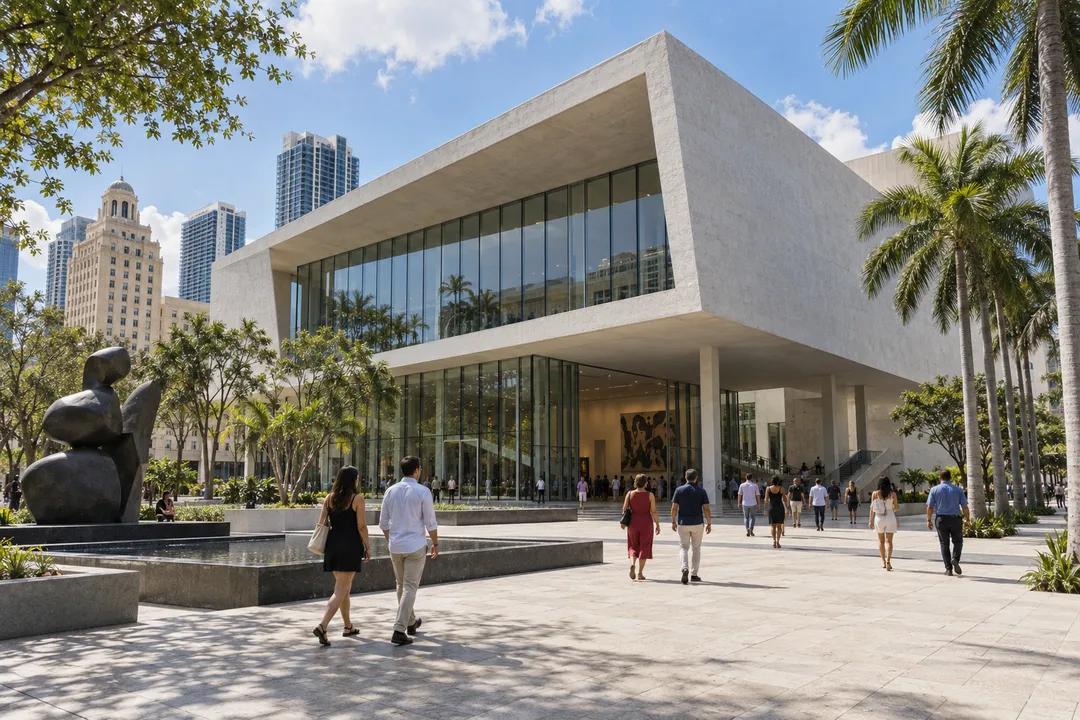
Museum of Miami Horror Wax Museum Detour: Local Stories
The Museum of Miami at 101 West Flagler Street brings local history to a horror wax museum search, with strange objects and city-scale stories.
The Museum of Miami at 101 West Flagler Street is a history-based alternative for a horror wax museum search. Its galleries use photographs, objects, and neighborhood stories to show how a fast-changing city carries older layers underneath the new ones.
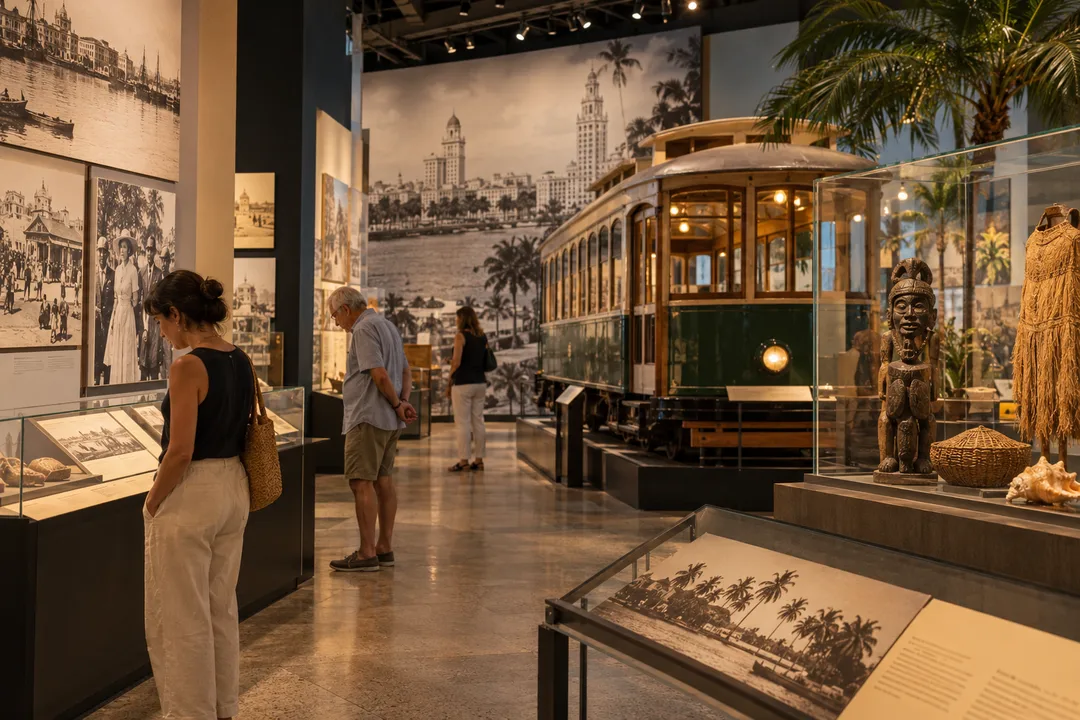
Why Local History Fits
The museum’s unease is not theatrical. It arrives when a familiar Miami street appears in an old photograph, when a household object carries a migration story, or when a public event looks different through the memory of someone who was there. Those traces give the visit the same deeper appeal as a wax figure: a face or object becomes a doorway into a story that cannot be seen at first glance.
The practical rule is to let the galleries set the pace. School groups may cross a room in a cluster, researchers may stand at one case for several minutes, and local visitors may recognize a block before reading its label. Step aside when you need notes or a photograph. A clear route helps everyone, and it also gives you a better view of how the exhibits connect rather than turning the visit into a series of isolated snapshots.
Objects With A Second Life
The most useful way to read the museum is through a place you already know. Find a neighborhood, building, or street name that feels ordinary now, then follow how the exhibition changes its meaning. A city-history gallery becomes more unsettling when the map in your head stops matching the evidence in front of you. That is the local version of the wax-museum uncanny.
Expect different kinds of visitors. A teacher may lead a group toward one theme, a resident may stop at a photograph of a vanished block, and a traveler may need a few minutes to understand the city’s timeline. The room is shared, so keep bags close, leave clear space around cases, and ask before assuming a small gathering is a scheduled tour.
How To Pace The Galleries
The best time to go depends on the current exhibition rather than a generic promise of quiet. Check the official page for the day’s schedule, then choose the gallery that answers your interest first. If a temporary show is the reason for the trip, verify its dates separately. A museum calendar is more reliable than a search snippet copied by a directory.
Downtown is the natural after-route, but do not overbuild it. The river, civic buildings, and transit connections can make a short walk feel substantial. In heat or rain, let the museum be the main event and choose a nearby indoor meal. The city will still be there when the weather improves.
A good alternative does not need to imitate the original category. The Museum of Miami gives the horror searcher texture, evidence, and unfamiliarity without claiming wax figures. That is the honest recommendation: if the goal is to feel Miami’s strange side, local history can do more than a generic photo stop.
Downtown After The Museum
The Museum of Miami turns a horror wax museum search toward the city’s own strange history. At 101 West Flagler Street, the institution presents Miami through objects, photographs, neighborhoods, and stories that explain how a young-looking metropolis accumulated older layers.
The atmosphere is not a haunted-house performance. It comes from ordinary things carrying unexpected weight: a street image that no longer matches the block outside, a household object tied to migration, or a public event remembered differently by people who lived it. That makes the visit especially good after a tourist attraction because it replaces spectacle with context without losing the city’s sense of oddity.
Give the galleries a deliberate order. Start with the exhibition that explains the city’s frame, then choose one object or photograph to follow through the room. School groups may move in clusters, researchers may stand at a case for several minutes, and local visitors often recognize a place before they read the caption. Step aside when you need to take notes; the room works better when the main route stays open.
Practical Notes
Midweek can be the calmer choice, but the calendar controls the practical answer. Confirm the public opening window, any special exhibition reservation, and the current ticket amount on the official page. If you are coordinating with a courthouse, office, or downtown appointment, leave buffer for security and the walk from transit. A museum stop should not become a race through the first gallery.
The signature details are the ones that connect a personal story to a street map. Look for the moment when a photograph stops being decoration and starts explaining why a neighborhood looks or sounds the way it does. Horror fans may also appreciate the archive-like mood: fluorescent rooms, preserved evidence, and a city described through traces rather than a single hero narrative.
Make It A City Walk
Skip the idea that every history display will deliver a dramatic reveal. Some sections ask for patience, and the strongest object may be the one with the shortest label. If your group wants a more sensory follow-up, leave downtown for a waterfront walk or an architectural stop rather than forcing the museum to behave like a wax collection. The museum is also a good place to compare official history with lived memory. If a display raises a question about a street, neighborhood, or public event, save it for the walk outside rather than trying to solve it in the gallery. Downtown gives you a chance to see how the city’s present sits on top of the story you just read. That habit—look, question, then walk—makes a short museum visit feel more like an investigation than a passive tour. It also keeps the horror comparison grounded in evidence instead of invented atmosphere.
Ask Karpo for more information.
Keep reading
- Upper East Side Winter Farmers Market Picker With a Dog
 Normandy Village Winter Farmers Market Picker for an Asado
 Coral Gables Winter Farmers Market Picker for New Gardeners