 Upper East Side Winter Farmers Market Picker With a Dog
Weekend Plans
Frost Science Horror Wax Museum Detour: Bayfront Dark
Frost Science at 1101 Biscayne Blvd offers aquarium darkness and strange scale for a horror wax museum search, open from 10 am to 5 pm with bayfront views.
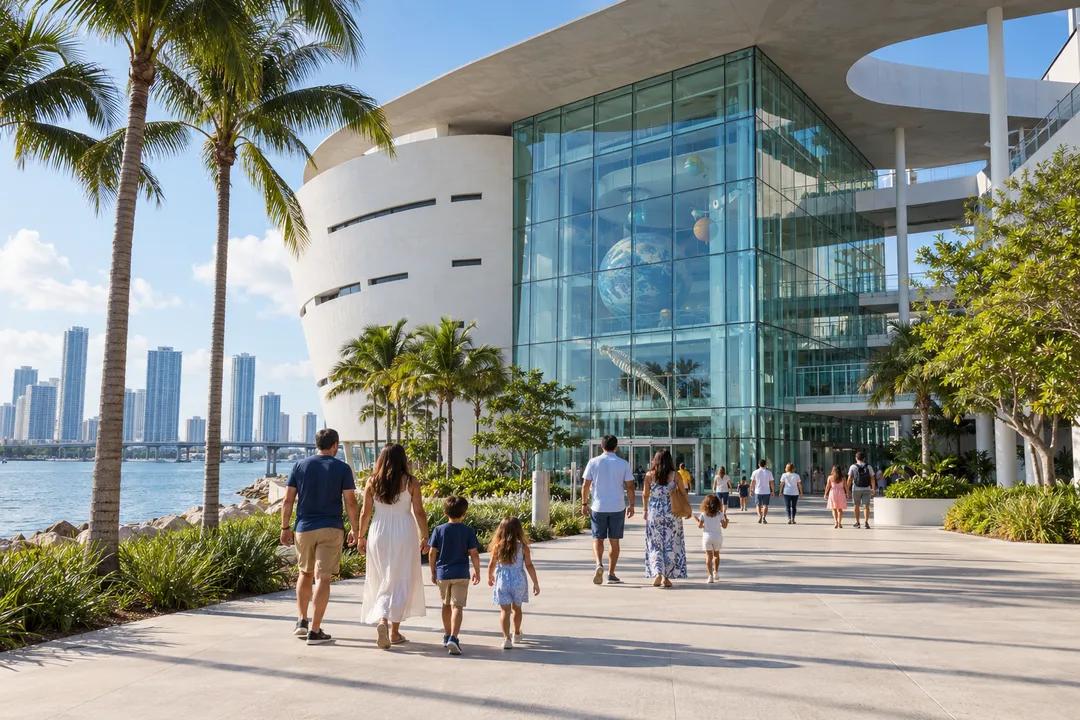
Phillip and Patricia Frost Museum of Science at 1101 Biscayne Blvd is a science-forward detour for anyone searching for a horror wax museum in Miami. Ticket products and add-ons vary, so use the live visitor page for the current price. The museum’s aquarium galleries provide the strongest horror-adjacent atmosphere: living forms, blue darkness, and movement that does not respond to the audience.
Why Science Feels Uncanny
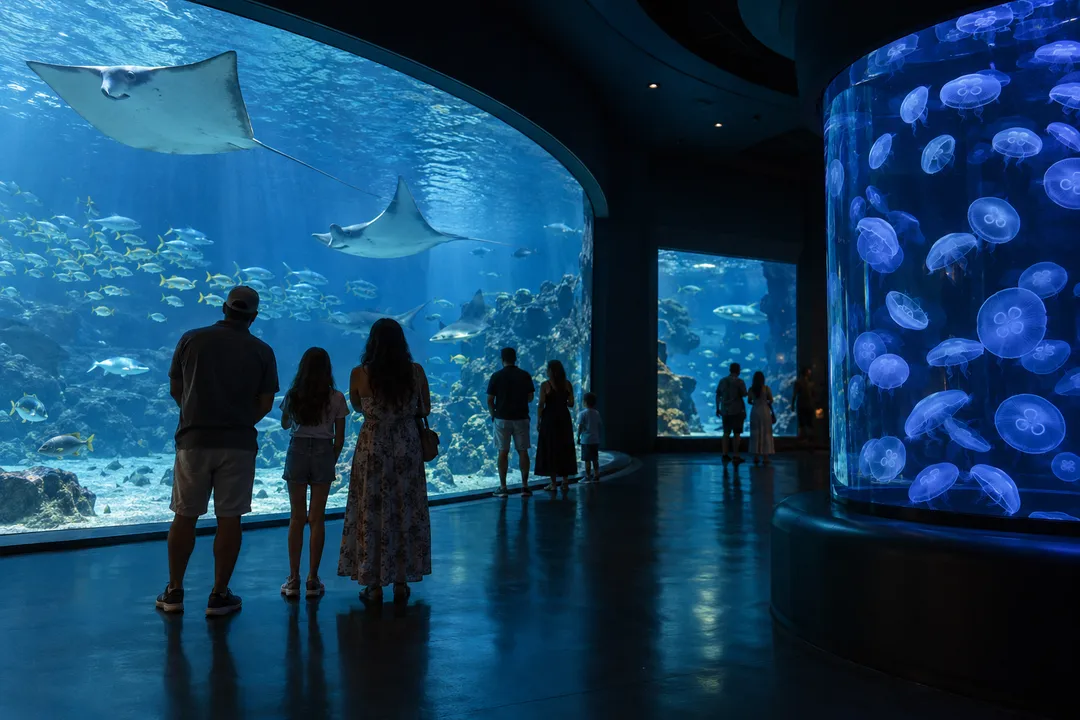
Frost works because the building changes the scale of the city. Outside, Biscayne Bay and the skyline make everything look open; inside, a tank window narrows attention to a body moving through water. A ray glides past and the room goes quiet. That is a more convincing uncanny effect than a fake monster when your group wants to feel surprised without being chased.
A museum this large requires a plan. Parents usually slow down at the aquarium, planetarium visitors watch the clock, and adults who came for one exhibition discover that the first gallery takes longer than expected. Pick the must-see area before entering, then let the rest be optional. Keep the main viewing lanes clear and step back from the glass when another group is waiting behind you.
A Route Through Dark Galleries
The museum rewards a layered route. Start with the aquarium while the group is fresh, move toward the science galleries, and use the planetarium or scheduled program only if the timing fits. A visitor who books too tightly may spend the day watching the clock. Leave space for the exhibit that unexpectedly catches someone’s attention; that is often the reason the museum becomes memorable.
Children are not the only people who need a pause. Dark galleries, projected images, and constant movement can wear down adults too. Find a quieter edge, drink water, and reset before moving on. Staff are there to help with the visitor experience, but the group should also be honest about when a room has done enough.
Opening Time Matters
The title’s horror-museum promise is fulfilled through atmosphere, not claims. Frost does not need a ghost story, and the official visitor pages do not present it as a haunted attraction. The useful comparison is sensory: an unfamiliar body in blue water can create the same pause as a lifelike face that refuses to blink.
After leaving, the bayfront is the right contrast. Walk only as far as the weather allows, use Maurice A. Ferré Park as an optional extension, and keep a shaded or indoor backup. The museum and the waterfront should feel like two halves of the same plan, not two obligations competing for the afternoon.
If the group wants a conventional scare after Frost, ask for a later plan rather than adding an unverified attraction on the fly. Miami has many tourist listings that go stale. A short, sourceable meal or walk is better than sending everyone across town to a venue whose current status is unclear.
Bayfront After The Aquarium
Phillip and Patricia Frost Museum of Science gives a horror wax museum search a scientific answer. At 1101 Biscayne Blvd, the museum combines aquarium darkness, planetary scale, and hands-on experiments; the uncanny feeling comes from seeing bodies and natural systems in unfamiliar proportions. Check the ticket page for the current admission product before setting out.
The bayfront building changes the mood before you enter. Outside, the skyline and water make the visit feel open; inside, the aquarium galleries narrow the visual field until a ray or jellyfish seems to appear from nowhere. That contrast is more effective than a decorative horror set because the animals are real and the scale is not theatrical. It is a good alternative for visitors who want wonder with a darker edge.
Families tend to move fastest through the lobby and slow down at the aquarium windows. A child points first, then an adult starts reading, and the group discovers that the display is less about one animal than about how light, depth, and motion alter perception. Keep the main lane clear, especially near the glass. The visitors who stand a step back often see more than those pressed against the front.
Practical Notes
Arrive near opening if you want a measured route through the popular galleries. The museum is large enough that a late start can turn into a choice between one exhibit and another, particularly when the group also wants the planetarium or scheduled programming. Do not promise that every show is included in one ticket; use the official calendar and ticket description for the day you select.
The aquarium is the signature stop for a horror-museum mood. Blue light, slow movement, and a creature that does not acknowledge the people watching it create an atmosphere no wax sculptor can quite copy. The planetarium supplies a different kind of scale: the body becomes tiny, the room becomes dark, and the familiar map of Miami disappears. Move between those experiences with a real pause.
Keep The Mood Going
Skip a rushed visit when the weather is perfect and your group mainly wants the waterfront. Frost Science deserves enough time to read a panel, watch a feeding or presentation when scheduled, and return to one gallery after the first pass. If the museum feels too crowded, use the bayfront exterior as your reset rather than treating every room like a checklist. A useful way to keep the visit coherent is to choose one question for the group. It might be how animals move in darkness, how humans measure deep space, or how the museum turns science into a physical encounter. That question gives the walk a thread when the building offers more options than anyone can finish. Adults can take turns leading the route, and children can decide which exhibit deserves a second look. The museum becomes less tiring when curiosity, rather than coverage, determines the pace.
Ask Karpo for more information.
Keep reading
- Upper East Side Winter Farmers Market Picker With a Dog
 Normandy Village Winter Farmers Market Picker for an Asado
 Coral Gables Winter Farmers Market Picker for New Gardeners