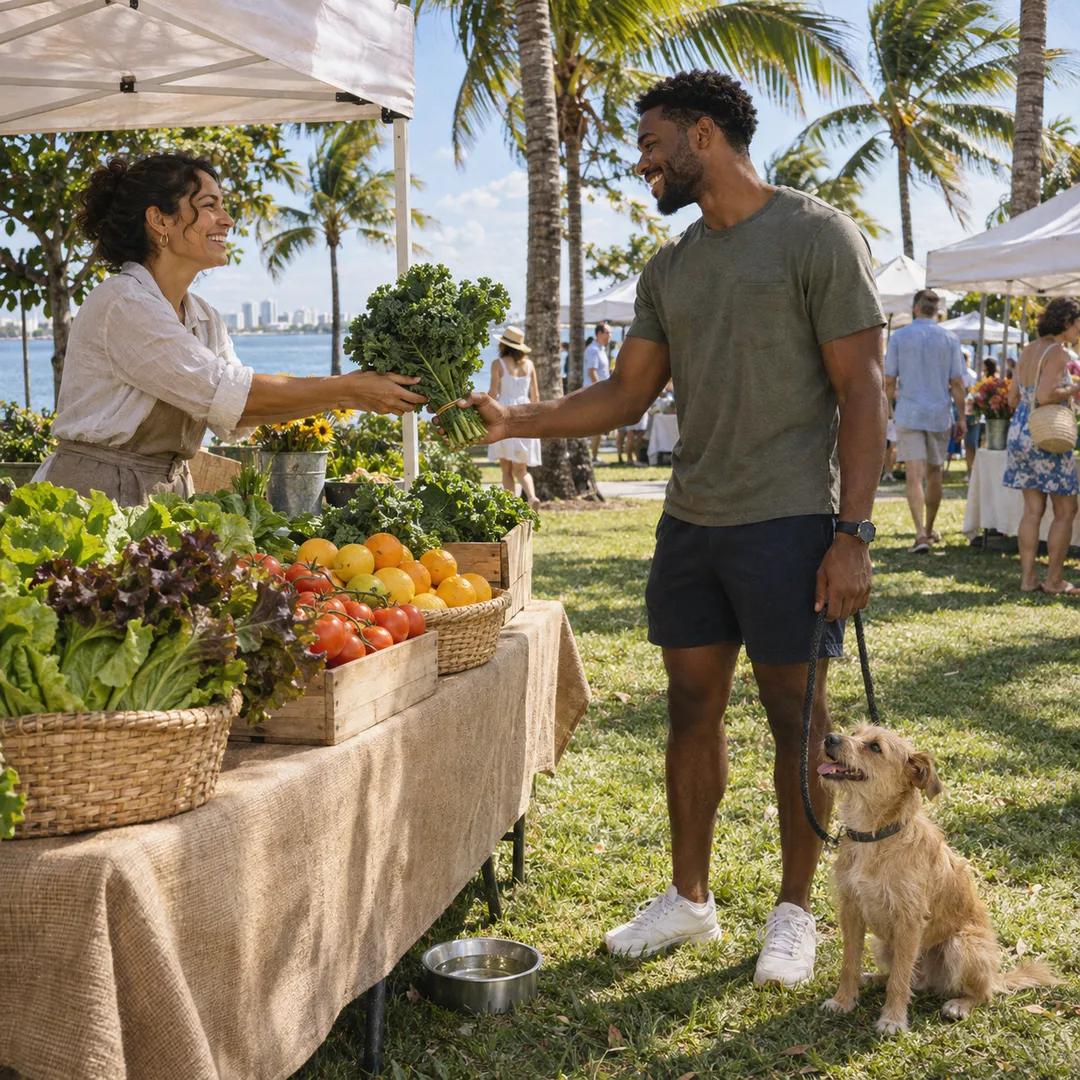
 Upper East Side Winter Farmers Market Picker With a Dog
Weekend Plans
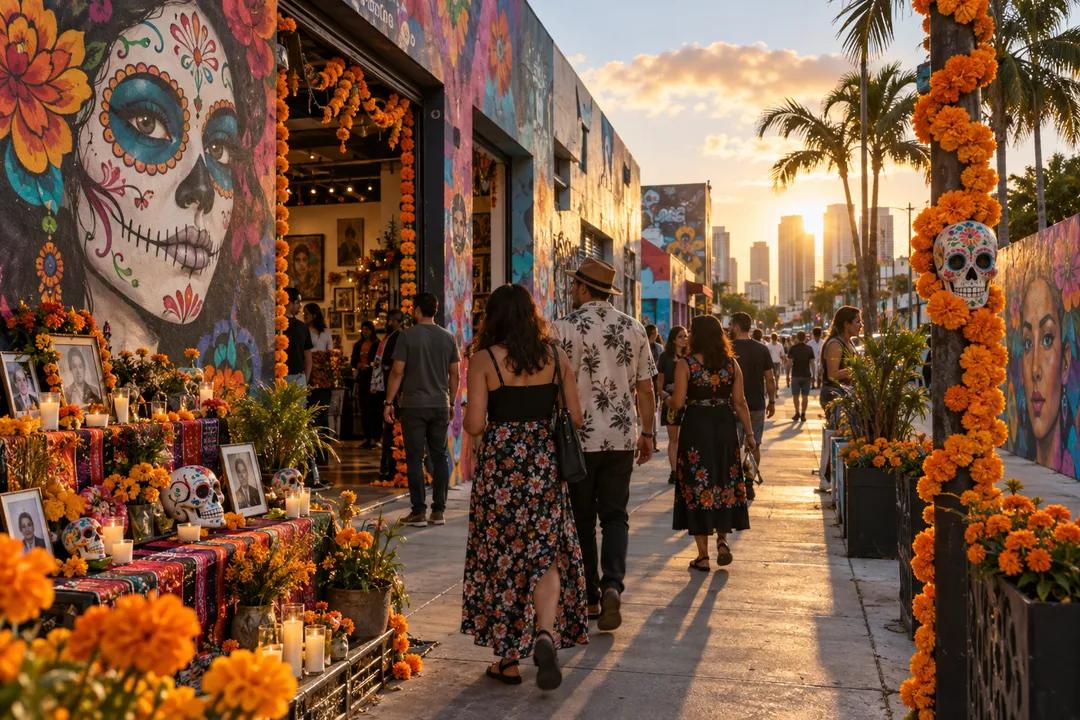
Day of the Dead Events Near Me in Wynwood
A practical guide to Wynwood's free Dia de los Muertos Ofrenda Trail, running October 30 through November 8, 2026, with fourteen participating businesses, self-guided timing, walking logistics, parking, and respectful viewing rules.
If day of the dead events near me means something you can explore at your own pace, Wynwood's 2026 Ofrenda Trail is the most flexible Miami option. The free self-guided program runs from October 30 through November 8, connecting fourteen participating businesses and creative spaces through altars, art, and neighborhood walking rather than one central stage.
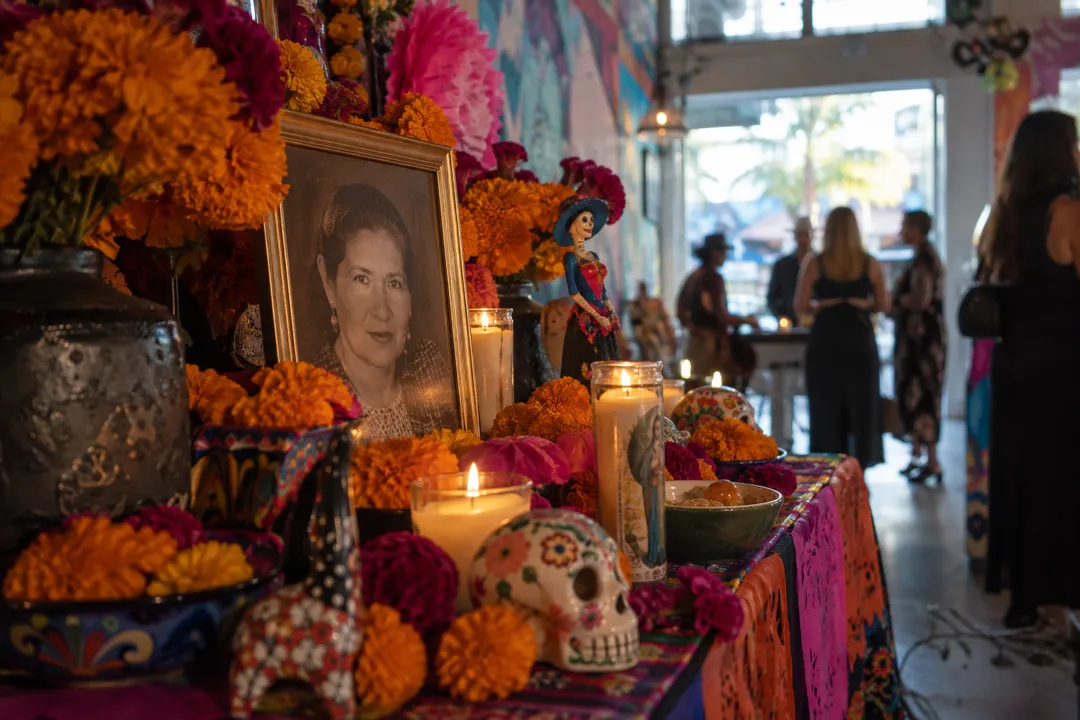
The trail suits Wynwood because the neighborhood already asks visitors to read walls, storefronts, galleries, and small rooms as part of one visual conversation. During the event, ofrendas appear inside that existing landscape without becoming interchangeable mural props. The point is to notice what each business contributes, then understand how remembrance changes as the route moves from one block to the next.
There is no single opening ceremony that defines the visit. The organizers describe the trail as a self-guided experience, so hours vary by participating business and some installations may be easiest to see during normal operating times. Start with the official map or listing, choose three or four stops, and build outward only if the group still has energy. More stops do not automatically make a better visit.
The 2026 trail is free to walk, but free does not mean frictionless. Restaurants, galleries, and shops have their own hours, entry policies, and crowd patterns. A display inside a small business may be visible only during that business's open hours. Check each stop before leaving, and do not assume the trail will be open late simply because Wynwood's murals are still visible after dark.
The best way to view an ofrenda is to pause before reaching for a camera. Look for the relationships between the photograph, food, flowers, objects, and the space where the altar sits. Some displays will be public art, while others may honor real people connected to the participating business. Follow any no-photo sign, ask permission where needed, and keep your group from blocking a doorway.
A smart route begins in daylight. Natural light makes painted paper flowers, framed portraits, candles, and small offerings easier to read, and it reduces the temptation to treat the trail as a nightlife crawl. Later, choose one or two stops after sunset for the lighting shift. The contrast between a bright studio altar and a candlelit window can be more affecting than trying to see every installation in one sweep.
Wynwood's food and drink scene makes a useful pause easy, but it can also swallow the route. Pick one meal or one coffee stop, then return to the trail. Businesses hosting an altar may be busy, so do not bring a large group expecting a quiet table immediately. A small party can move more respectfully through creative spaces and give other visitors a clear view.
Driving is possible, but parking around Wynwood becomes expensive and competitive during weekend evenings. A rideshare drop-off near the first stop is often simpler. If you use a garage, save its address and give the group a meeting point on a broad corner rather than inside a narrow storefront. The trail involves walking on pavement for long stretches, so comfortable shoes and water matter.
The route is not a formal parade, which means there are no guaranteed crowd barriers or synchronized transitions. Keep children close at street crossings, watch for scooters and bicycles, and avoid stepping into the road for a photograph. Wynwood's visual density can make a short distance feel longer. Three well-chosen stops with time to look will beat ten rushed check-ins.
Because the trail runs for ten days, visitors can choose a quieter weekday instead of the Halloween weekend peak. October 30 or November 8 may have different business hours, so verify the exact stop list before going. A weekday afternoon is best for families and photographers who want room; a weekend night offers more energy but less time in front of small altars.
The event's strength is the relationship between independent businesses and the neighborhood. A cafe may use its counter to hold family photographs; a studio may build a sculptural altar; a gallery may connect the display to an artist's practice. Those differences are what make the walk worth doing. If every stop looks identical, you probably moved too quickly to notice the details.
Plan a route with one practical fallback. If a business is closed or the line is longer than expected, cross to the next mapped stop instead of forcing the original sequence. Karpo APP can combine the trail with a meal, a mural loop, or a quieter nearby gallery, but keep the route loose enough to follow the neighborhood's real timing.
Bring water, a portable charger, and a small bag, but keep hands free around fragile displays. Read the organizer's current map, check each business's hours, and ask before photographing people or personal photographs. Food and drinks are separate purchases, and some spaces may have their own accessibility constraints. A little preparation preserves the self-guided freedom that makes this event appealing. There is also value in visiting one participating business twice: once in daylight to understand the materials, and once near closing to see how the lighting changes the room. That is more rewarding than collecting a full set of rushed photographs, especially when you support the host with a coffee, meal, or small purchase.
Wynwood's trail is a good reminder that a Dia de los Muertos event does not have to be one giant festival. It can be a series of small invitations: step inside, notice a name, buy a coffee, walk two blocks, and find another family story. The neighborhood supplies the movement; the ofrendas supply the reason to slow down. That is also why a short route is enough. Leave with one image, one conversation, and one place you would return to when the streets are quieter rather than turning remembrance into a scavenger hunt. The trail makes the holiday feel woven into ordinary city life, which is more interesting than a single oversized stage and easier to revisit later. Keep it human, and leave room for surprise.
Ask Karpo for more information.
Keep reading
- Upper East Side Winter Farmers Market Picker With a Dog
 Normandy Village Winter Farmers Market Picker for an Asado
 Coral Gables Winter Farmers Market Picker for New Gardeners