 Upper East Side Winter Farmers Market Picker With a Dog
Weekend Plans

South Beach Clay Pot Cooking Workshop Oceanfront Day
Simmer coastal Spanish seafood cazuelas and fragrant saffron-infused rice stews steps away from Art Deco oceanfront promenades in South Beach, Miami.
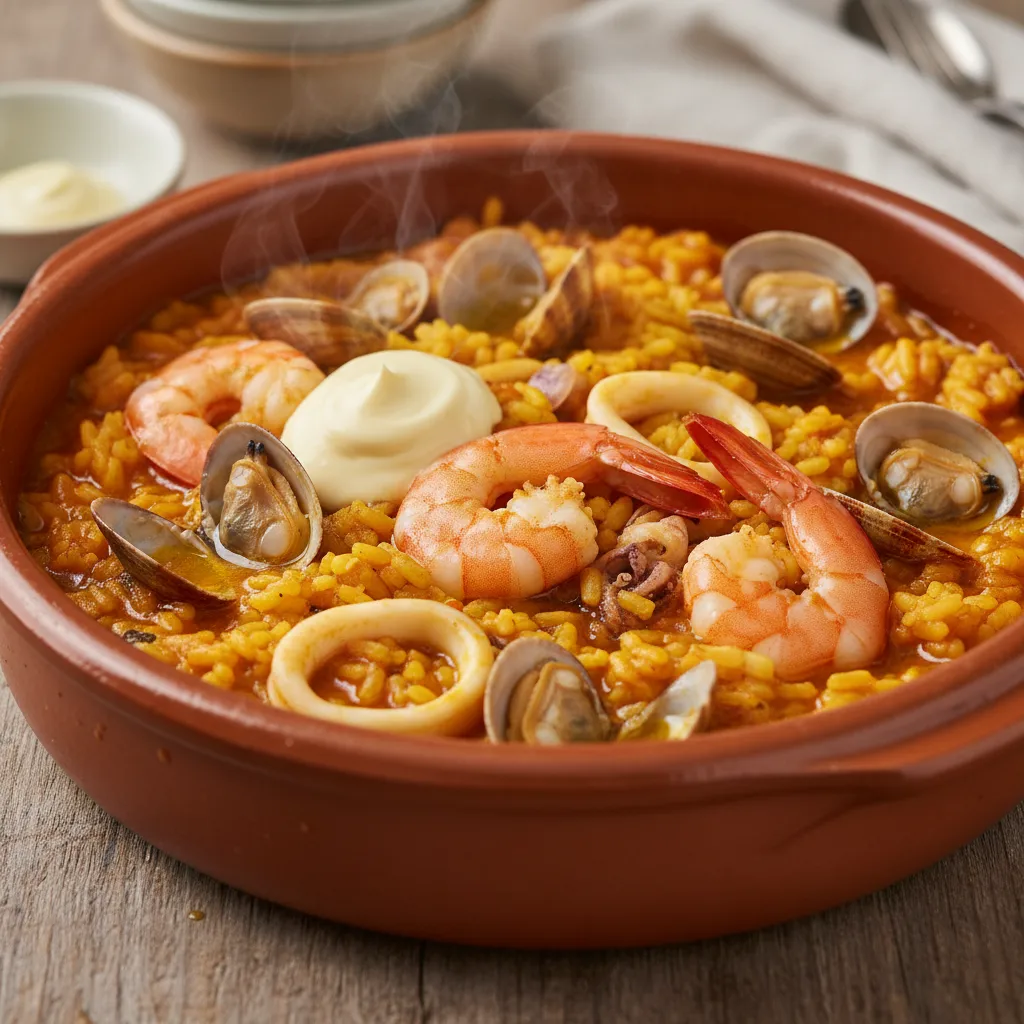
Stepping onto Atlantic sunshine along the historic promenade of South Beach, an open-air culinary atelier hosts a weekend masterclass in Iberian clay pot cooking. Focused on the traditional Catalan earthenware cazuela, the class explores the art of crafting arroz caldoso de mariscos, a rich, brothy rice stew simmered with Key West pink shrimp, local calamari, and fragrant saffron. With warm ocean breezes rustling through surrounding palm trees, participants learn how natural fired terra cotta distributes heat without scorching grains or overcooking delicate shellfish.
Catalan Earthenware Heritage and Mediterranean Rice Craft
Catalan coastal Catalan cazuela represents centuries of Spanish coastal fishing culture. Handcrafted from mineral-rich alluvial clays with a glassy food-grade glaze, this wide, flared earthenware dish provides exceptional surface area that encourages gentle, steady reduction. Unlike metallic cookware that heats unevenly and scorches starches, fired clay accumulates warmth gradually, radiating gentle energy from all sides to coax velvety starch from Spanish Calasparra rice.
Assessing authentic Iberian pottery demands attention to ceramic density and firing quality. Workshop leaders guide attendees through inspecting terra cotta basins for balanced weight distribution, sturdy curved handles, and smooth interior glazes that resist acidic tomato reductions. Students discover why traditional unglazed bases breathe over open gas flames, expanding smoothly under thermal stress to deliver dependable stovetop braising.
Across Catalan cazuela rice dishes in Mediterranean Spain centers on festive weekend gatherings and fishermen's dockside feasts. Historically, coastal cooks gathered fresh shellfish directly from morning nets, simmering them in bubbling clay pots over vine-wood embers with sweet onions, garlic, and smoky pimentón. Bringing these communal traditions into South Beach offers students a grounded connection to historic seaside culinary craft.
Gentle Stovetop Convection and Saffron Sofrito Bloom
Managing burner gas ranges is critical to protect glazed earthenware from thermal shock. Instructors equip each prep station with heavy steel heat distribution plates, preventing direct flame points from stressing the clay base. Students practice warming their vessels over a low initial flame, allowing extra-virgin olive oil, grated sweet onions, and crushed garlic cloves to sweat slowly into an unctuous sofrito foundation.
Auditory feedback feedback during the simmer without requiring constant lid lifting. A properly tuned cazuela produces a quiet, steady bubbling whisper as rich seafood fumet circulates through the rice grains. Instructors show students how to identify this tranquil simmering cadence, explaining that violent boiling damages delicate shrimp and causes broth to evaporate prematurely before the rice grains swell to tender perfection.
Simmering liquid earthenware basins requires careful ratio calculations. Because the broad open basin promotes gradual steam evaporation, cooks must measure seafood broths with precise volume to achieve an unctuous, spoonable consistency rather than dry paella or watery soup. Watching the saffron-stained liquid reduce into a glossy glaze teaches participants to trust the thermal inertia of clay.
Simmering Key West Pink Shrimp and Calasparra Rice
Highlighting coastal the afternoon is traditional arroz caldoso with local pink shrimp, littleneck clams, diced calamari, and sweet red peppers. Students begin by searing the shrimp shells in fragrant olive oil inside the cazuela to create an aromatic coral-hued oil, which forms the base for sweating ripe grated tomatoes and saffron threads steeped in warm white wine.
Short-grain Calasparra a deep amber color, short-grain Calasparra rice is stirred in, coating each grain in fragrant oils before ladling in rich homemade fish fumet. The cazuela simmers uncovered over gentle heat for fifteen minutes as the rice absorbs the savory broth. Tender squid rings and fresh clams are pressed into the surface during the final minutes, opening naturally in rising aromatic steam.
Scooped with crusty carried directly to the communal dining table in the bubbling cazuela, resting atop thick woven straw trivets and garnished with fresh flat-leaf parsley and dollops of garlicky handmade aioli. Crusty sourdough slices circulate among participants for mopping up the golden saffron broth. Tasting the plump grains, tender shellfish, and rich garlic-infused sauce confirms the unparalleled cooking quality of authentic Spanish earthenware.
Ocean Drive Art Deco Walks and Lummus Park Palms
A guided beachwalk, the class enjoys a guided walking tour along the shaded beachwalk of Lummus Park and down historic Ocean Drive. Strolling past iconic 1930s pastel boutique hotels reveals whimsical nautical portholes, curved glass brick walls, and vibrant terrazzo terraces that define Miami's world-famous Art Deco Historic District. The fresh Atlantic breeze offers an invigorating break while instructors share local architectural history.
Down historic Ocean past historic beachfront cafes and tropical gardens before heading toward Washington Avenue. Students explore neighborhood spice emporiums and specialty gourmet grocers displaying artisanal saffron tins, imported Mediterranean olive oils, and cured meats. Talking with local purveyors provides valuable insights on selecting authentic pantry staples that elevate homemade seafood dishes.
Re-entering the open-air through quiet residential streets lined with Mediterranean Revival villas and blooming bougainvillea, the group reflects on the close ties between coastal living and timeless seaside cooking. The leisurely neighborhood stroll provides a refreshing mental pause before students gather around the table to enjoy the fruits of their labor.
Terra Cotta Glaze Preservation and Studio Guidelines
Glazed Catalan that glazed Spanish cazuelas remain pristine and durable across years of home entertaining. Students learn to let their vessels cool to room temperature naturally before washing with warm water and soft coconut-fiber sponges, strictly avoiding chemical soaps that could penetrate unglazed clay exteriors. Stubborn rice residues release easily after a brief warm water soak with coarse sea salt.
Preserving glazed pans in warm seaside environments demands elevated shelving with constant airflow. Instructors suggest keeping cazuelas in unsealed cotton bags to ward off marine humidity while allowing the porous exterior walls to stay bone dry. Should mineral clouding develop along the unglazed base, wiping with a distilled water and lemon cloth immediately revives the natural earthen texture.
Heading to oceanfront South Beach kitchen calls for breathable lightweight apparel and rubber-soled deck shoes suitable for damp tile floors. Each guest receives an embroidered twill apron, chef tools, and laminated technique outlines, while personal journals help record seafood timing variations and saffron steeping steps.
Ask Karpo for more information.
Keep reading
- Upper East Side Winter Farmers Market Picker With a Dog
 Normandy Village Winter Farmers Market Picker for an Asado
 Coral Gables Winter Farmers Market Picker for New Gardeners