 Upper East Side Winter Farmers Market Picker With a Dog
Weekend Plans
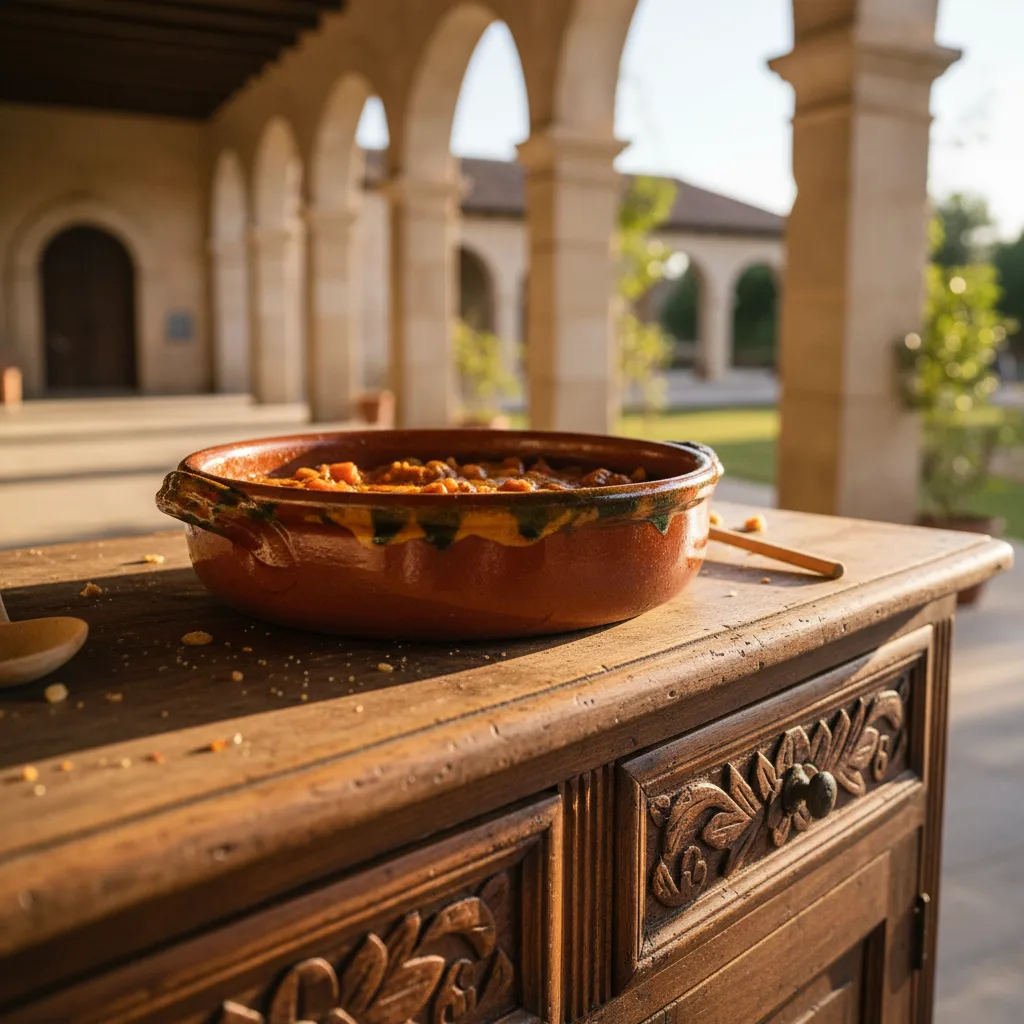
Coral Gables Clay Pot Cooking Workshop Historic Walk
Braise classic Spanish pork cheek and chickpea cazuelas in traditional terra cotta vessels along the historic colonnades of Coral Gables, Miami.
Situated beneath Mediterranean Revival arches and shaded colonnades of historic Coral Gables, this weekend clay pot workshop introduces home cooks to the soulful art of traditional Spanish braising. Centered on the glazed terra cotta cazuela de barro, the masterclass explores how slow, radiant heat transforms robust pork cheeks and tender chickpeas into an unctuous, deeply comforting stew. With views of historic coral stone fountains and lush tropical greenery along Miracle Mile, participants learn the thermal mechanics of earthenware cooking, discovering how fired clay coaxes rich gelatin and complex flavors from slow-simmered ingredients.
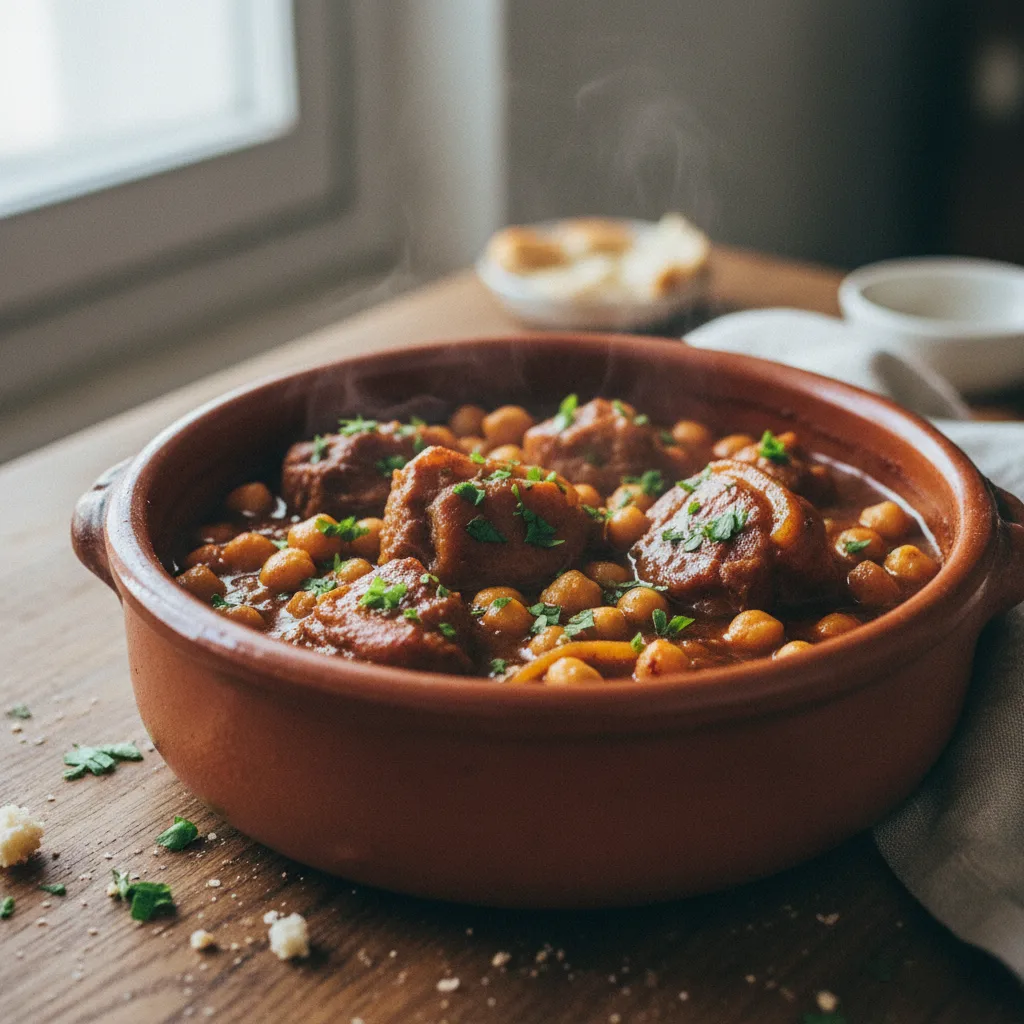
Spanish Mediterranean Cazuela Traditions and Heritage
Castilian ceramic Spanish cazuela de barro represents centuries of Iberian culinary refinement. Crafted from iron-rich alluvial clay with a protective glazed interior, the vessel features thick, gently sloping walls that absorb heat slowly and distribute it uniformly across the cooking surface. In contrast to cast-iron pots that build harsh localized heat, fired clay releases smooth, enveloping warmth that coaxes collagen into gelatin without burning delicate aromatics.
Checking authentic Spanish clay pots requires checking for balanced weight, even glaze distribution, and clear ceramic resonance. Instructors point out how the raw earthen bottom diffuses heat evenly while the glossy glaze prevents sherry-infused juices from escaping. Students handle classic Andalusian braising dishes, admiring the wide loop handles and dense clay walls that resist prolonged stove heat.
Rooted in Castilian cazuela cooking in Spain connects deeply with tavern culture and festive gatherings across Castile, Andalusia, and Catalonia. Traditionally, rich meats and hearty legumes were braised slowly in heavy earthenware pots over glowing hearth coals with red wine, local garlic, and smoked paprika, creating a comforting dish that warmed chilly evenings. Recreating this heritage recipe in Coral Gables connects students with the Mediterranean architectural and culinary traditions that have shaped the City Beautiful for over a century.
Gentle Stovetop Convection and Paprika Infusions
Governing stovetop paramount when braising heavy meats in traditional terra cotta vessels. Because localized flame heat can cause ceramic stress, students place cast-iron flame diffuser plates over open gas burners before igniting the range. Instructors guide participants in starting on low heat, slowly warming the cazuela over ten minutes before adding extra-virgin olive oil, diced yellow onions, and crushed garlic cloves to sweat gently.
Acoustic attentiveness on acoustic attentiveness rather than opening the lid repeatedly. Inside a properly adjusted cazuela, the rich sherry broth maintains a steady, rhythmic bubbling whisper, emitting savory aromatic vapors of bay leaf and smoked pimentón without sputtering vigorously. Recognizing this serene simmering cadence ensures that tough collagen in the pork cheeks melts into luxurious gelatin while keeping the meat juicy and tender.
Sauce reduction glazed clay dishes requires deliberate lid placement throughout the cooking cycle. Because the heavy earthenware lid traps rising steam, flavorful braising liquids baste the pork continuously without requiring frequent liquid additions. Instructors show students how keeping the cover seated until the final minutes concentrates the savory sherry sauce into a velvety reduction that coats the back of a spoon.
Simmering Tender Pork Cheek and Chickpea Cazuela
The cornerstone the workshop is classic Spanish carrillada con garbanzos, combining tender pork cheeks, plump chickpeas, sweet pimentón de la Vera, and dry amontillado sherry. Students begin by seasoning the pork cheeks with sea salt and cracked black pepper, searing them lightly in warm olive oil inside the cazuela until golden brown. The meat is removed temporarily while diced onions, carrots, and garlic are sweated into the flavorful pan drippings.
Plump tender are returned to the pot, submerged in a generous pour of dry sherry and rich pork stock, accented with bay leaves, fresh thyme sprigs, and sweet smoked paprika. Covered tightly, the cazuela simmers undisturbed over low heat for two hours until the pork cheeks turn spoon-tender. Plump cooked chickpeas are folded in during the final twenty minutes, absorbing the rich, paprika-stained jus.
Carried straight to cazuela is presented directly at the communal dining table in the bubbling clay pot, resting atop heavy cork trivets and garnished with finely chopped flat-leaf parsley. Slices of warm crusty rustic bread are served alongside for soaking up the decadent sauce. Savoring spoon-tender pork cheek bathed in smoky pimentón jus reveals the profound depth achievable exclusively through slow earthenware braising.
Coral Gables Mediterranean Arcades and Shaded Plazas
Taking an architectural, the class enjoys a guided walking tour through the shaded arcades and historic plazas of Coral Gables. Strolling along Miracle Mile and through adjacent courtyards exposes students to stunning Mediterranean Revival architecture featuring decorative terra cotta tiles, wrought-iron balconies, and tranquil stone fountains. Instructors share historical anecdotes detailing how founder George Merrick envisioned a Mediterranean city that harmonized with South Florida's subtropical climate.
Along Miracle Mile at neighborhood specialty food emporiums, European delis, and independent cookware boutiques tucked inside restored colonnades. The class browses imported amontillado sherries, sweet paprika tins, and Spanish legume varieties, gathering inspiration for future home dinner parties. Discussions with neighborhood shop owners provide valuable guidance on sourcing authentic cured meats, aged vinegars, and estate olive oils.
Looping back toward studio through quiet residential streets lined with ancient banyan trees and historic villas, the group reflects on the connection between Mediterranean architecture, local climate, and slow-cooking traditions. The shaded architectural walk beneath banyan trees offers an inspiring mental pause before students reassemble in the studio for dinner.
Clay Cazuela Maintenance Wisdom and Studio Advice
Castilian dish requires gentle handling that respects the ceramic surface. Students learn to let their vessels cool to room temperature naturally before washing with warm water and soft coconut-fiber brushes, strictly avoiding harsh chemical soaps that can degrade porous unglazed clay exteriors. Persistent caramelized drippings loosen effortlessly after a brief warm water soak with baking soda.
Maintaining glazed Spanish cookware requires dedicated dry storage shelving where airflow prevents trapped dampness beneath the base. Instructors suggest nesting dishes with felt pads between glazed rims to avoid chips during everyday handling. When charred pork juices adhere to the bottom, boiling water with baking soda and coarse salt loosens residue without abrasive steel wool.
Joining this Coral Coral Gables cooking afternoon calls for relaxed stylish attire and comfortable walking shoes suited to colonnade walks and tiled kitchen floors. Individual stations include heavy cotton aprons, chef knives, and bound recipe packets, leaving students free to focus on sherry reduction nuances and pork cheek tenderness.
Ask Karpo for more information.
Keep reading
- Upper East Side Winter Farmers Market Picker With a Dog
 Normandy Village Winter Farmers Market Picker for an Asado
 Coral Gables Winter Farmers Market Picker for New Gardeners