 Upper East Side Winter Farmers Market Picker With a Dog
Weekend Plans
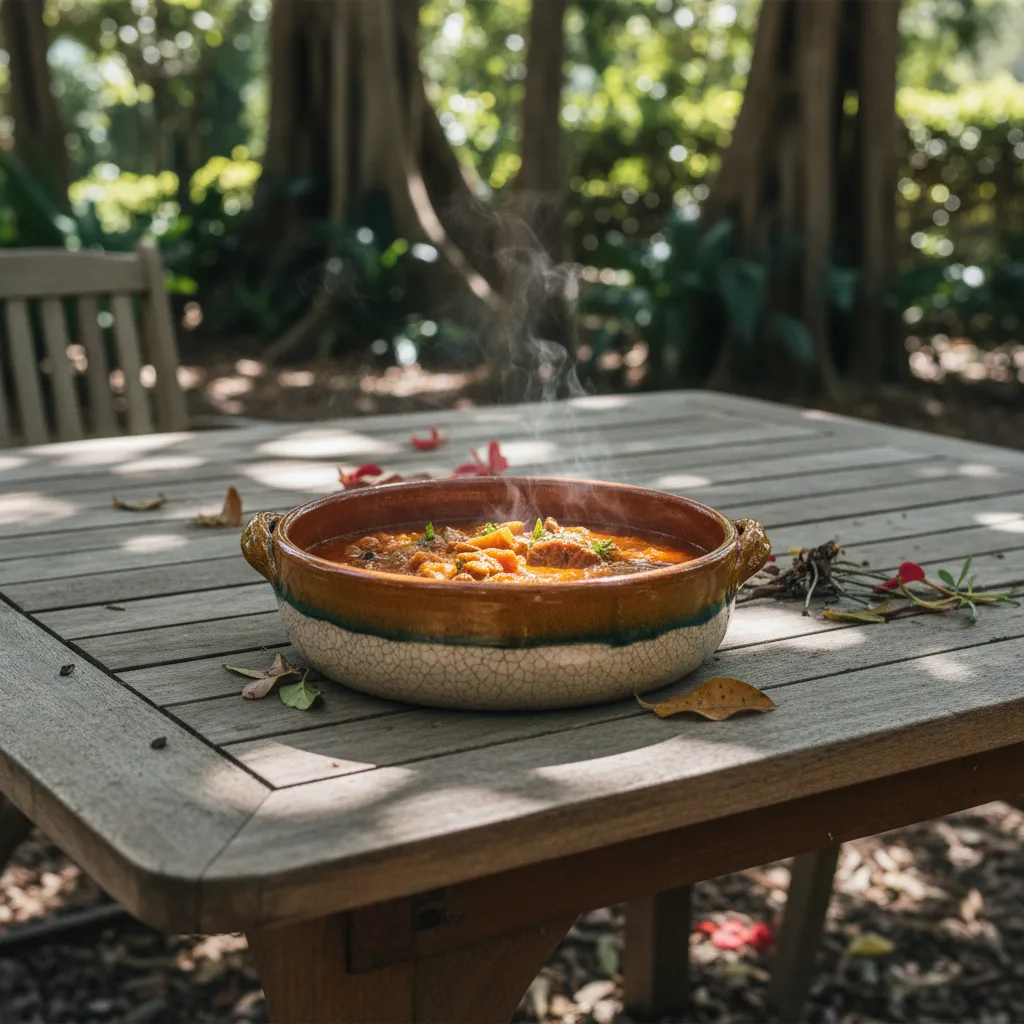
Coconut Grove Clay Pot Cooking Workshop Bayside Guide
Master coastal Mediterranean fish braises and herb-infused stews in unglazed earthenware beneath lush banyan canopies in Coconut Grove, Miami.
Framed by trees and lush tropical canopies along the Biscayne Bay shoreline in Coconut Grove, this weekend clay pot masterclass celebrates the maritime traditions of Mediterranean coastal cooking. Centered on the glazed and unglazed terra cotta cazuela, the workshop guides participants through the delicate art of simmering fresh Atlantic fish with briny olives, capers, and aromatic fennel. With bay breezes rustling through open garden windows, students discover how gentle, radiant heat from natural fired earth tenderizes delicate seafood without breaking flaky fillets or dulling fresh herb notes.
Mediterranean Earthenware Lore and Coastal Pottery
Seaside pottery Mediterranean clay cazuela reflects centuries of coastal fishing culture along the Greek, Italian, and Spanish shores. Fired from iron-rich clays in seaside artisan kilns, these broad, round vessels feature thick rims and flat, wide bases that provide unhurried heat retention. The smooth interior glaze resists acidic citrus juices and dry white wines, while the porous exterior ceramic body expands smoothly under gentle stovetop warmth, creating a dependable micro-climate for simmering.
Handling diverse Iberian terra cotta requires inspecting rim symmetry, clay density, and uniform glaze application. Class leaders describe how the porous exterior terra cotta manages heat smoothly while the smooth glazed bowl holds thick sherry reductions securely. Participants handle classic Castilian cazuelas, observing how thick ceramic walls and sturdy loop handles withstand prolonged stovetop heat.
Among Mediterranean Mediterranean dockside cooking connects with generations of seafaring families who prepared daily catches in earthenware vessels over charcoal braziers. Simmered with wild hillside herbs, cold-pressed olive oils, and sea salt, these unhurried preparations let pure oceanic freshness shine without elaborate kitchen apparatus. Bringing these rustic coastal methods to Coconut Grove allows participants to slow down and embrace the mindful rhythm of traditional Mediterranean domestic cooking.
Gentle Stovetop Convection and Delicate Fish Braising
Adjusting stovetop an essential technical skill when working with terra cotta cookware. Because sudden thermal spikes can crack ceramic vessels, students place cast-iron flame diffuser plates over open gas burners before igniting the stove. Instructors guide participants in starting on a whisper-low setting, allowing the cazuela to warm gradually over ten minutes before adding fruity extra-virgin olive oil, thinly sliced shallots, and crushed garlic cloves to soften gently.
Gentle bubbling invaluable role during delicate seafood braises. Inside a properly modulated cazuela, ingredients emit a soft, whispering simmer, accompanied by tiny aromatic bubbles that break along the rim of the dish without boiling violently. Recognizing this gentle simmer ensures that fish proteins set softly into tender flakes while delicate wild fennel fronds remain vibrant and aromatic.
Vapor balance clay cazuelas relies on the dense, snug fit of a glazed ceramic lid. The heavy cover captures rising steam and returns it to the broth, preventing delicate fish fillets from drying out while concentrating white wine and tomato juices into a savory glaze. Instructors show students how to arrange ingredients so that vegetable bases elevate fish fillets slightly, allowing steam to cook the seafood from below.
Simmering Coastal Snapper with Capers and Wild Fennel
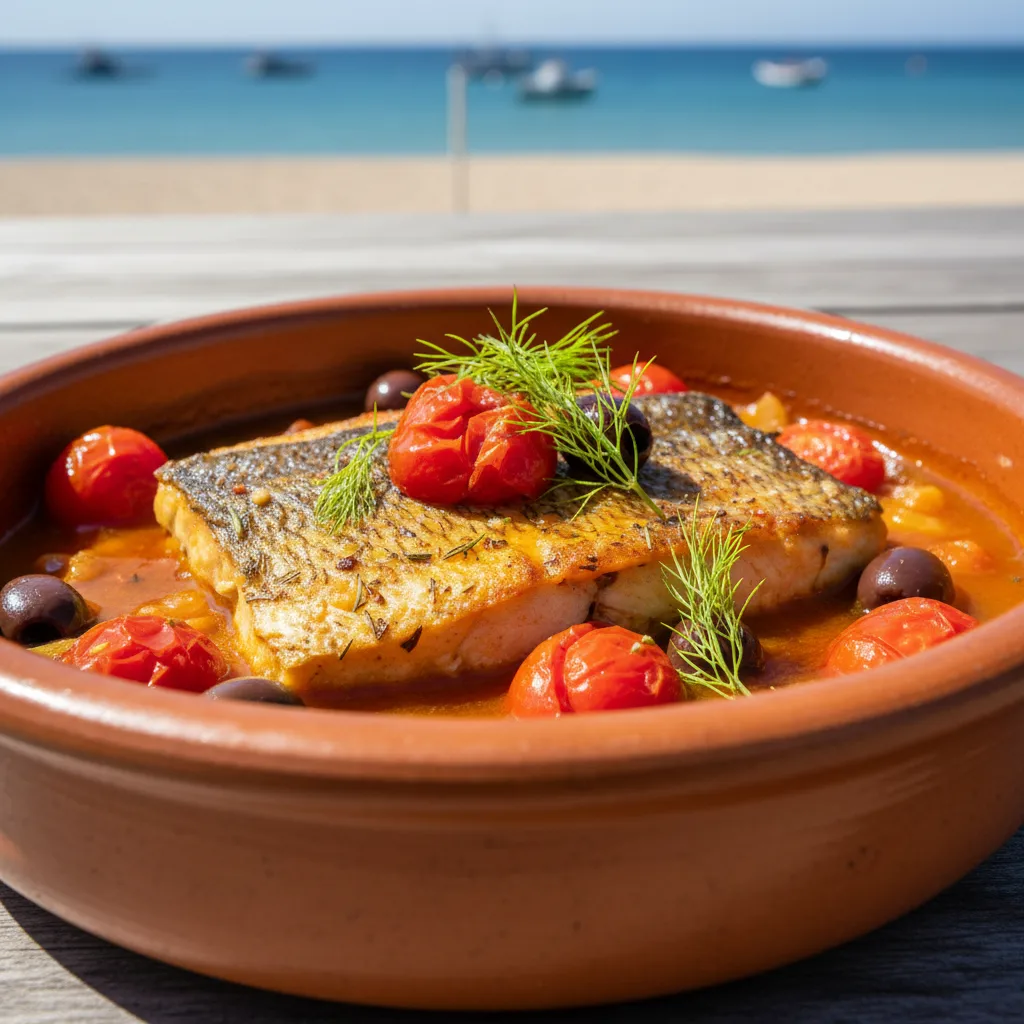
Central to today's the workshop is a classic Mediterranean braised yellowtail snapper, featuring fresh local snapper fillets, Kalamata olives, capers, wild fennel, and sweet cherry tomatoes in a white wine reduction. Students begin by sautéing thinly sliced fennel bulbs, shallots, and garlic in golden olive oil inside the cazuela before adding ripe cherry tomatoes, dry pinot grigio, and fresh thyme sprigs. The broth simmers covered for fifteen minutes until the tomatoes burst and release their sweet juices.
Fresh yellowtail is established, the fresh snapper fillets are nestled gently into the bubbling sauce alongside briny capers and pitted olives. The cazuela is covered tightly, allowing ambient steam and radiant ceramic heat to cook the fish to flaky, fork-tender perfection in under ten minutes without stirring. The delicate white wine reduction absorbs the natural fish gelatin, creating a light, glossy sauce that coats the palate luxuriously.
Brought to the is presented at the communal dining table in the steaming clay pot, resting atop heavy cork pads and garnished with fresh fennel fronds and a drizzle of cold-pressed Sicilian olive oil. Thick wedges of toasted focaccia circulate around the table, inviting guests to soak up every drop of aromatic tomato-fennel sauce. Tasting the tender fish, melting fennel, and briny olives confirms the unmatched culinary advantages of cooking in authentic Mediterranean earthenware.
Coconut Grove Banyan Canopies and Bayside Trails
A neighborhood walking, the class enjoys a refreshing walking tour through the shaded bayside trails of Peacock Park and along the historic village streets of Coconut Grove. Strolling beneath massive banyan canopies draped in Spanish moss offers sweeping views of Biscayne Bay sailboats and historic wooden cottages that define the neighborhood's bohemian heritage. The tranquil ocean air provides an invigorating sensory break while instructors share stories detailing the Grove's 1870s founding history.
Beneath Peacock Park past historic stone churches and lush subtropical gardens toward Main Highway. Participants visit village pantry boutiques, specialty wine shops, and olive merchants showcasing cold-pressed Mediterranean oils. Conversations with neighborhood grocers reveal practical tips on pairing estate-bottled olive oils, sea salt flakes, and wild dried oregano for home cooking.
Returning past Coconut through quiet residential avenues lined with flowering bougainvillea and historic coral stone walls, the group reflects on the connection between coastal geography and traditional seafood cooking techniques. The peaceful village stroll offers inspiring mental space before returning to the kitchen studio to enjoy the communal feast.
Ceramic Preservation Rituals and Studio Etiquette
Seaside pottery Mediterranean terra cotta dishes in prime condition across endless seasons of seaside entertaining. Cooks allow their cazuelas to return to room temperature naturally before washing with lukewarm water and soft brushes, never exposing raw clay to dish soap. Any caramelized bits adhering to the bottom lift away effortlessly after a fifteen-minute soak in warm water with baking soda.
Storing Mediterranean pottery in sub-tropical climates requires well-ventilated shelving away from enclosed moisture. Chefs suggest placing unglazed pots on slatted wooden racks where breezes circulate freely around all surfaces. If seafood aromatics linger, boiling clean spring water with sliced green apples and rosemary leaves swiftly returns the ceramic to neutral baseline purity.
Preparing for garden Coconut Grove garden workshop involves packing casual warm-weather clothing and comfortable walking shoes suited to bayside gravel paths and wooden studio floors. Guests receive washed linen aprons, professional chef tools, and comprehensive recipe booklets, while notebooks help record fish poaching temperatures and olive oil emulsification cues.
Ask Karpo for more information.
Keep reading
- Upper East Side Winter Farmers Market Picker With a Dog
 Normandy Village Winter Farmers Market Picker for an Asado
 Coral Gables Winter Farmers Market Picker for New Gardeners