 Upper East Side Winter Farmers Market Picker With a Dog
Weekend Plans
Coral Gables Cemetery Tour: Pinewood Pioneer Graves and Pine Rocklands
A comprehensive visitor guide to taking a cemetery tour through Pinewood Cemetery in Coral Gables, exploring pioneer history and native pine rocklands.
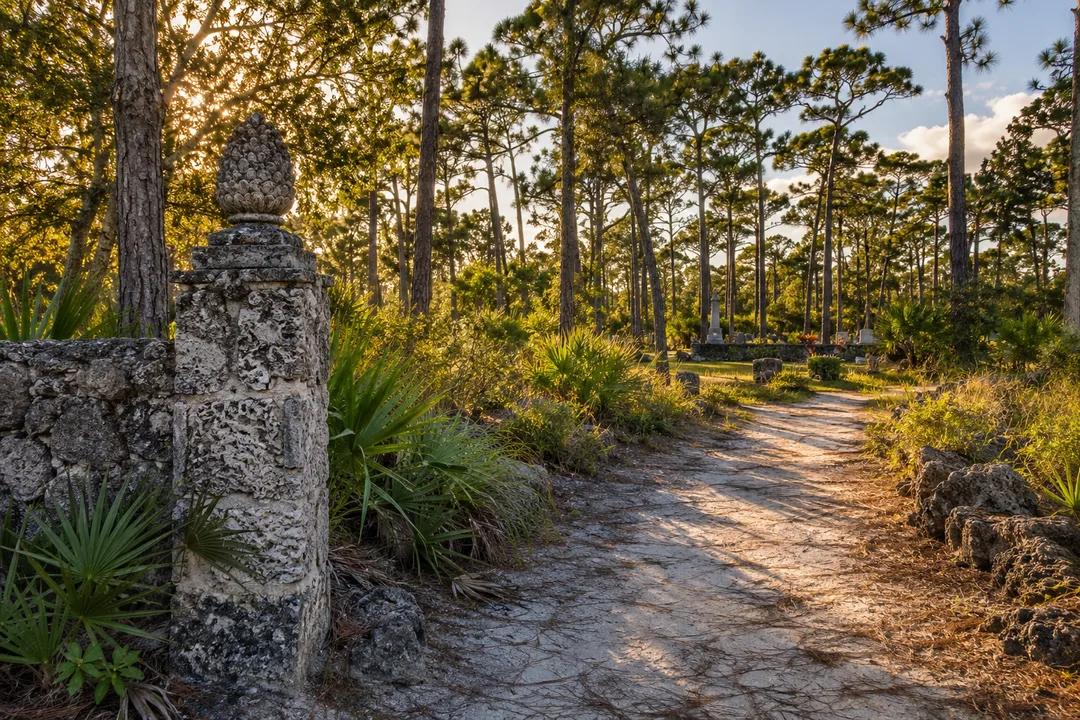
Tucked away within a quiet residential enclave of Coral Gables, Pinewood Cemetery at 7301 Erwin Rd invites travelers on an unforgettable cemetery tour through the oldest cemetery south of the Miami River. Established in 1855 and historically associated with the pioneer settlement of Larkins, this sacred four-acre preserve holds the resting places of South Florida's earliest homesteading families, with burials continuing into the 1940s and beyond. General pedestrian access along the natural woodland floor is free ($0.00).
Reaching Pinewood Cemetery in Coral Gables is convenient by car or public transit. Commuters can take the Miami-Dade Metrorail to the South Miami station, from which the cemetery is located approximately 1.1 miles east along Sunset Drive and Erwin Road (transit fare is $2.25, adjusting to $2.75 in January 2027). Drivers will find complimentary curbside parking ($0.00) along the quiet residential borders of Erwin Road beside the preserve perimeter fence.
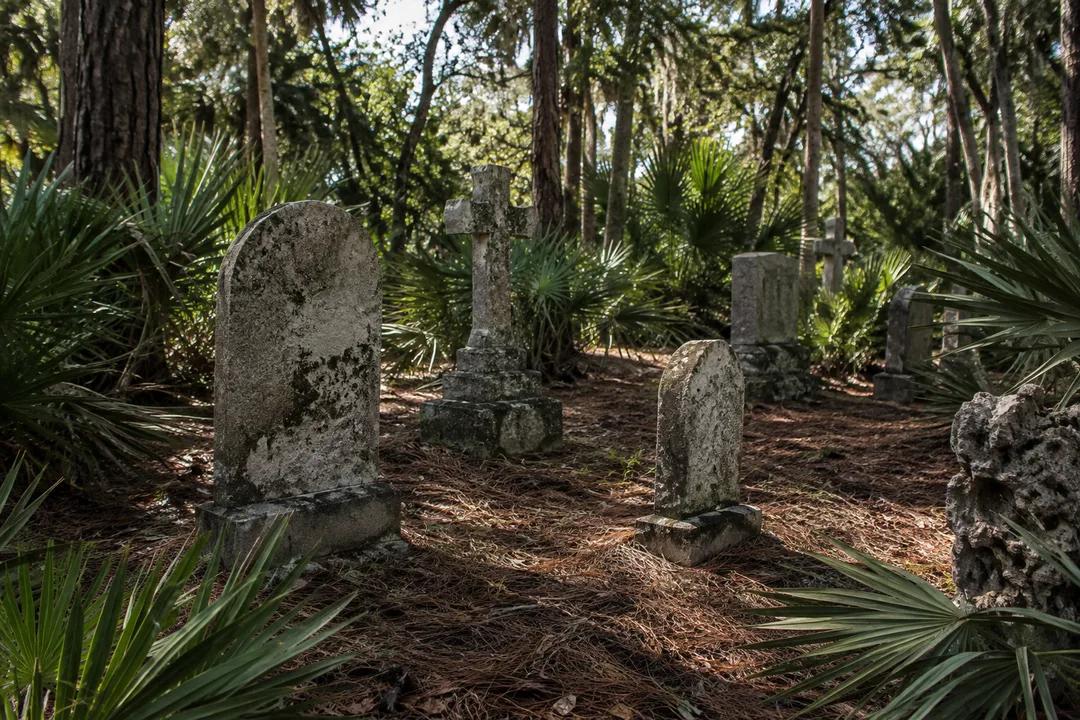
The physical setting of Pinewood Cemetery is unlike any conventional landscaped memorial park in South Florida. Spanning four acres of virgin slash pine rockland, the terrain features towering native South Florida slash pines, dense clusters of saw palmetto, coontie plants, and exposed oolitic limestone karst outcroppings. Fallen amber pine needles blanket the forest floor, muffling footfalls and creating an atmospheric woodland hush where songbirds and native butterflies thrive in the heart of suburban Coral Gables.
Weathered limestone headstones and simple markers scattered across the woodland floor commemorate homesteaders who cleared dense subtropical pine rocklands long before modern roads existed. The cemetery became known as Larkins Cemetery following the establishment of the surrounding farming community founded by Wilson A. Larkins, who arrived in the area in 1896. Interments include more than two hundred early frontier homesteaders who shaped South Florida between the late nineteenth century and the mid-twentieth century.
While the HistoryMiami Museum previously coordinated specialized educational walking tours at Pinewood Cemetery in collaboration with local preservation stewards, that event series concluded and the museum currently has no scheduled guided walks at the cemetery. Today, travelers explore Pinewood Cemetery independently at $0.00 admission, walking respectfully among native slash pines and saw palmettos to view pioneer family plots in a serene natural setting.
Unlike formal Victorian memorial parks with polished granite mausoleums, Pinewood retains the rustic simplicity of nineteenth-century rural Florida burying grounds. Many graves are outlined by native coral rock curbing, rough-hewn limestone blocks, or vintage ornamental iron fencing weathered by decades of subtropical rain. Several pioneer graves remain unmarked or identified solely by weathered heart-pine stakes, preserving an evocative connection to Florida's untamed frontier era.
Visiting during the morning hours between 8:30 AM and 10:30 AM provides the most comfortable outdoor conditions, as gentle morning sunlight filters through the high canopy of slash pine needles. The dappled sunlight creates exceptional lighting for observing vintage stone inscriptions and natural rockland wildflowers. Midday visits can become humid, while late afternoon visits between 3:30 PM and 5:00 PM offer cool breezes and a peaceful forest twilight.
Because Pinewood Cemetery is managed simultaneously as a sacred historic graveyard and an environmentally sensitive pine rockland preserve, conservation guidelines are carefully observed. Visitors must remain on designated pine-needle paths at all times, avoiding stepping on sensitive native flora, exposed limestone fissures, or grave mounds. Treating the grounds with quiet reverence protects the delicate ecological balance and honors the pioneer families resting here.
A serene, timeless atmosphere envelops Pinewood Cemetery, making it a favorite retreat for naturalists, local historians, and thoughtful walkers. On any given morning, visitors might spot native pileated woodpeckers hammering on dead pine snags, swallowtail butterflies fluttering through wild coontie patches, and quiet observers appreciating the forest landscape. The preserve remains one of the most peaceful hidden historic spaces in metropolitan Miami.
Pinewood Cemetery stands as the oldest cemetery south of the Miami River, serving generations of farming, citrus, and timber families throughout the frontier era. Over decades of twentieth-century suburban expansion, the remote graveyard was gradually overgrown by invasive vegetation until a dedicated coalition of Coral Gables civic leaders, descendants, and historic preservationists launched an extensive restoration in the 1980s. Today, the cemetery stands as a protected City of Coral Gables Historic Landmark.
Visitors should avoid attempting to bicycle or jog through the interior sand lanes of the cemetery. The loose pine needles and exposed coral rock outcroppings make cycling hazardous and can damage fragile groundcover roots and vintage grave curbs. Walking slowly along the marked wood-chip and pine-needle pathways on foot is the only approved and safe method for exploring the memorial grounds.
After concluding your peaceful walk through Pinewood Cemetery, travel five minutes northwest into downtown Coral Gables to enjoy coffee and pastries along the pedestrian-friendly Giralda Plaza. Stop into Pasion del Cielo Coffee at 100 Giralda Ave, where baristas brew single-origin specialty coffees from diverse international growing regions. Order a classic single-origin espresso for $2.50 or a traditional Cuban cortadito for $3.25. Relaxing along Giralda Avenue provides an enjoyable urban contrast after touring the tranquil nineteenth-century woodland cemetery.
Sturdy, closed-toe walking shoes or trail sneakers with rugged soles are essential footwear, as the natural paths contain exposed limestone rock, loose pine needles, and irregular soil contours. Bring insect repellent and drinking water during warmer months, as the rustic natural preserve has no running water or public restroom facilities on site. The nearest accessible public restrooms and municipal services are located five minutes away in South Miami and downtown Coral Gables.
If unexpected inclement weather cuts your outdoor walk short or gates are closed for tree maintenance, your premier nearby Plan B destination is the historic Coral Gables Merrick House at 907 Coral Way. Located just ten minutes north, the 1920s historic homestead offers docent-guided indoor tours of George Merrick's family residence, showcasing South Florida pioneer architecture and furnishings. Alternatively, drive fifteen minutes northeast to explore the paved avenues of Miami City Cemetery.
Ask Karpo for more information.
Keep reading
- Upper East Side Winter Farmers Market Picker With a Dog
 Normandy Village Winter Farmers Market Picker for an Asado
 Coral Gables Winter Farmers Market Picker for New Gardeners