 Upper East Side Winter Farmers Market Picker With a Dog
Weekend Plans
Coconut Grove Cemetery Tour: Charlotte Jane Memorial Park and Bahamian Heritage
A comprehensive guide to taking a cemetery tour around Charlotte Jane Memorial Park in Coconut Grove, exploring Bahamian pioneer history and whitewashed crypts.
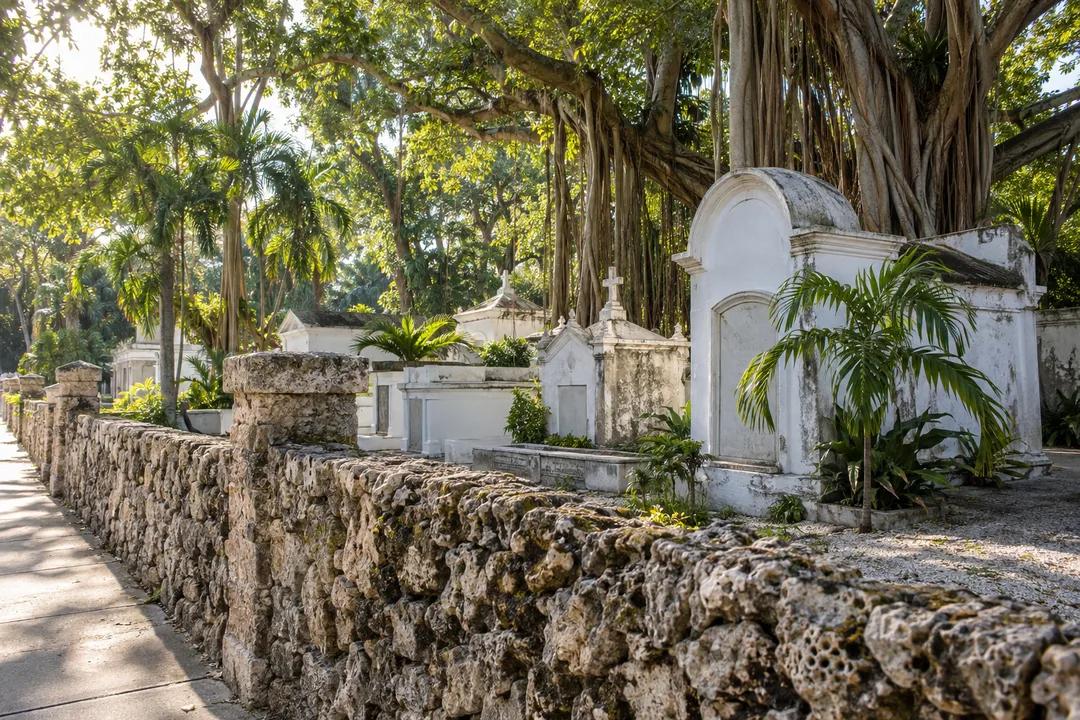
Standing quietly at the western terminus of historic Charles Avenue, the ornamental wrought-iron gate of Charlotte Jane Memorial Park Cemetery at 3575 S Douglas Rd in Coconut Grove marks a vital landmark on any South Florida historic cemetery tour. In 1913, five pioneering Black Bahamian families pooled $140 to purchase this sacred parcel, which preserves community interments dating back to the late nineteenth century. The cemetery remains private family property viewed respectfully from the exterior perimeter fence along the public sidewalk at $0.00 admission, serving as an enduring symbol of Bahamian pioneer heritage in South Florida.
Getting to the historic site in Coconut Grove Village West is straightforward via public transit. Travelers taking the Miami-Dade Metrorail can disembark at the Douglas Road station (Southwest 37th Avenue) and travel south along Douglas Road approximately one mile directly to the Charles Avenue intersection (transit fare is $2.25, scheduled to adjust to $2.75 in January 2027). Alternatively, the Coconut Grove GOBus trolley connects surrounding neighborhood stations with stops along Grand Avenue, just one block north of the cemetery.
The physical setting of Charlotte Jane Memorial Park reflects the intimate historic streetscape of Coconut Grove's historic Village West neighborhood. Surrounded by lush tropical vegetation including gumbo limbo trees, bougainvillea, and towering royal poincianas, the cemetery stands alongside classic wood-frame shotgun houses and Bahamian-style bungalows. The peaceful residential ambiance preserves an authentic nineteenth-century island village atmosphere found nowhere else in modern mainland Florida.
Interments throughout the park honor pioneering Bahamian immigrants who provided the skilled masonry, carpentry, and agricultural labor that built early Coconut Grove in the 1880s and 1890s. The cemetery takes its name from Charlotte Jane Stirrup, the wife of pioneering Bahamian landholder and merchant Ebenezer Woodbury Franklin Stirrup, widely known as E.W.F. Stirrup. Gravesites belong to founding community families including the Burrows, Higgs, Reddick, Ross, and Stirrup lines, whose descendants remain active community leaders across South Florida.
For travelers seeking comprehensive historical interpretation of the surrounding neighborhood, the HistoryMiami Museum periodically offers its History in the Grove: Charles Avenue Walk led by resident historian Dr. Paul George. Held annually around February—including a scheduled walk on February 7, 2026—this educational walking tour explores the pioneer architecture, Bahamian settlement heritage, and historic civic landmarks lining Charles Avenue. Tickets are priced at $25 for HistoryMiami Museum members and $35 for non-members. The walking tour views the historic cemetery from the exterior public street without entering the gated private grounds, providing vital historical perspective on how Bahamian immigrants established South Florida's pioneer community.
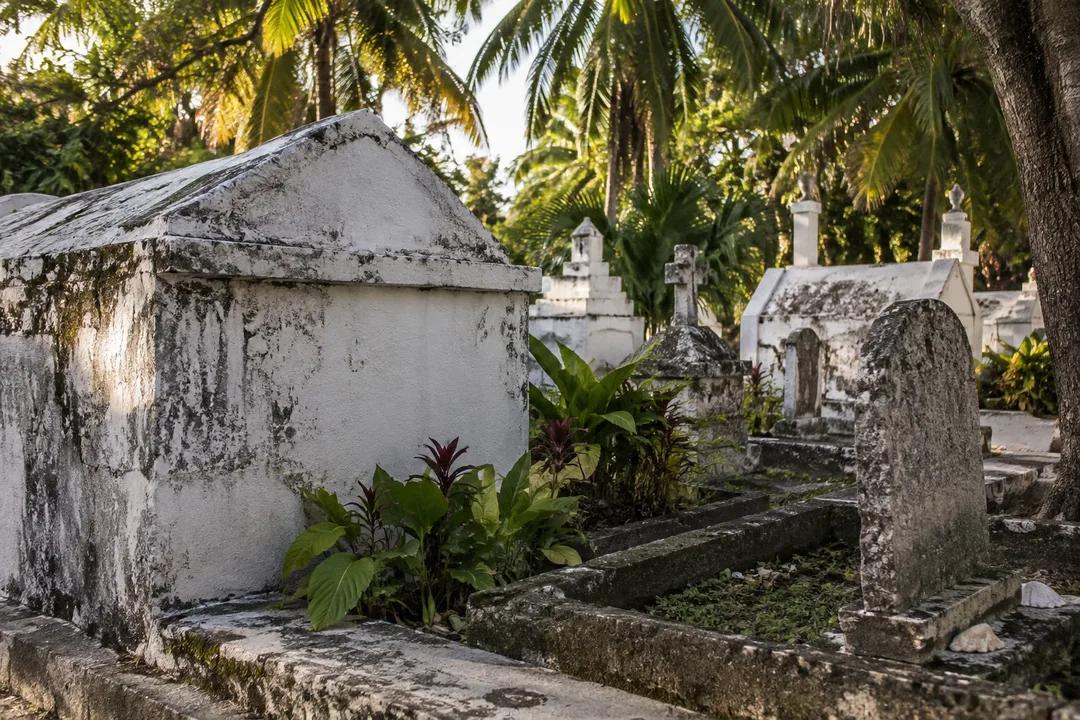
The defining architectural feature of Charlotte Jane Memorial Park is its striking arrangement of above-ground concrete vaults, whitewashed in the traditional Bahamian style. Because Coconut Grove rests on an ancient oolitic limestone ridge with soil depths often measuring only a few inches above solid bedrock, early settlers adapted by constructing tiered concrete crypts entirely above the surface. This unique architectural landscape famously captured the imagination of director John Landis, who used the cemetery's above-ground whitewashed tombs as the visual blueprint for Michael Jackson's legendary 1983 Thriller music video.
Morning hours between 8:30 AM and 10:30 AM provide ideal conditions for viewing the cemetery from the Charles Avenue sidewalk, as gentle morning sunlight illuminates the white crypt facades and casts crisp shadows through the iron gate. Midday tropical sunlight can create harsh glare against the whitewashed masonry and elevated concrete surfaces. Late afternoon between 4:00 PM and 5:30 PM also offers pleasant ambient temperatures and beautiful golden-hour light filtering through the mature tree canopy.
Visitors touring Charlotte Jane Memorial Park must remember that this historic site remains sacred private property cared for by the Coconut Grove Cemetery Association and descendant families. Travelers should observe the grounds respectfully from the public perimeter sidewalk along Douglas Road and Charles Avenue, never climbing on the perimeter fence or attempting to open locked pedestrian gates. Photography from the sidewalk is welcome, but commercial production and drones are strictly prohibited.
A peaceful, contemplative atmosphere pervades this residential pocket of Village West throughout the week. On any quiet weekday morning, you will observe local residents walking along Charles Avenue, historic preservationists admiring pioneer Bahamian architecture, and travelers reflecting on the community's storied past outside the entrance gate. The quiet dignity of the site offers an inspiring connection to South Florida's earliest Bahamian roots.
In 1913, recognizing the fundamental need for an independent, permanent resting ground owned and maintained by the local community during the Jim Crow era, five Bahamian pioneer families pooled $140 to purchase this parcel at Douglas Road and Charles Avenue. The cemetery stands today as a profound monument to self-determination, community solidarity, and Bahamian cultural heritage in Miami-Dade County.
Visitors should avoid attempting to enter between the raised vault rows if gates happen to be open for private maintenance. The narrow corridors between concrete crypts contain uneven limestone patches and fragile historic mortar that should not be disturbed by pedestrian foot traffic. Viewing the cemetery from the exterior boundary along Charles Avenue provides full panoramic sightlines of the entire property while honoring the privacy of local family descendants.
After observing the cemetery from Charles Avenue, take time to walk eastward along this designated historic corridor toward central Coconut Grove. The avenue is lined with landmark Bahamian pioneer structures including the 1897 E.W.F. Stirrup House, the Mariah Brown House, and the historic Odd Fellows Hall. Walking along these shaded residential blocks provides deep historical context on the Bahamian pioneers who established South Florida's pioneer community.
Sturdy, comfortable flat walking shoes are recommended when exploring the historic sidewalks of Coconut Grove Village West, as tree roots from mature banyans and oaks frequently create uneven sidewalk surfaces. Bring drinking water and sun protection, as the perimeter viewing area along the street is fully exposed to open sunlight. While public restrooms are not located at the cemetery, facilities can be found five blocks east in the public parks and commercial plazas of central Coconut Grove.
If your historical itinerary in Coconut Grove concludes early, your best nearby Plan B destination is Pinewood Cemetery at 7301 Erwin Rd in neighboring Coral Gables. Established in 1855 and located just ten minutes southwest by car, Pinewood Cemetery is the oldest pioneer cemetery south of the Miami River, preserving historic homestead graves nestled within a natural virgin pine rockland habitat.
Ask Karpo for more information.
Keep reading
- Upper East Side Winter Farmers Market Picker With a Dog
 Normandy Village Winter Farmers Market Picker for an Asado
 Coral Gables Winter Farmers Market Picker for New Gardeners