South Beach is a specific product: a wide, hard-packed, extremely well-served stretch of sand fronting a nightlife district, with all the crowding and all the parking pain that implies. It is not a bad beach. It is simply one beach on a barrier chain that runs from Key Biscayne to Broward, and if you pick it by default you are optimising for nothing in particular. Here are eight alternatives, each sorted by the thing it is genuinely best at.
Different beaches solve different problems — shade, parking, calm water, quiet. Ask Karpo which of these fits what you actually want today and how long the drive really is.
Key Biscayne: the two-park island
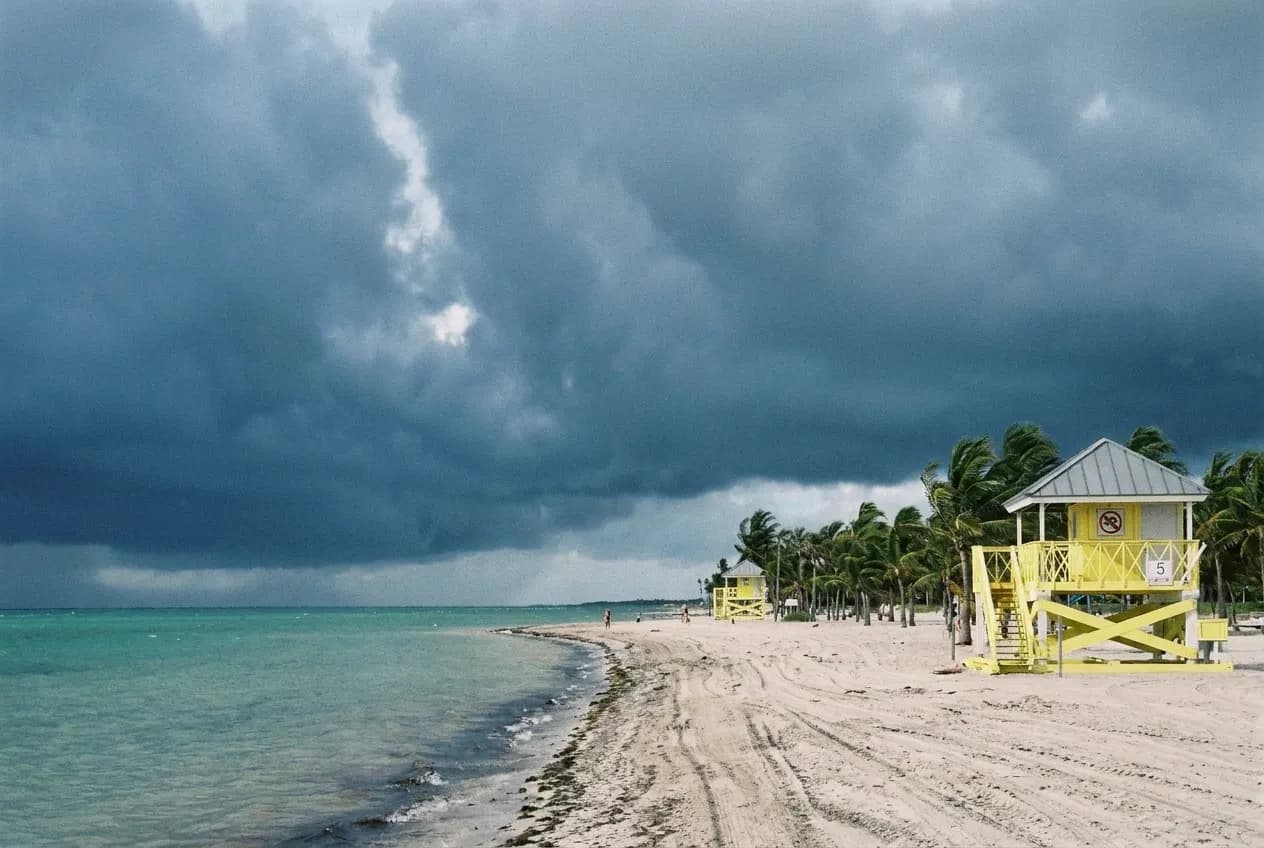
Crandon Park sits on the northern half of Key Biscayne and is the answer for anyone who wants calm water. It faces a sheltered stretch protected by a sandbar, which means the surf is minimal and the shallow section runs a long way out — the single best characteristic if you are swimming with children or you simply want to stand in the sea rather than fight it. It also has the mature Australian pine and palm canopy that most of Miami's beaches lack, which matters more than people expect at two in the afternoon in September.
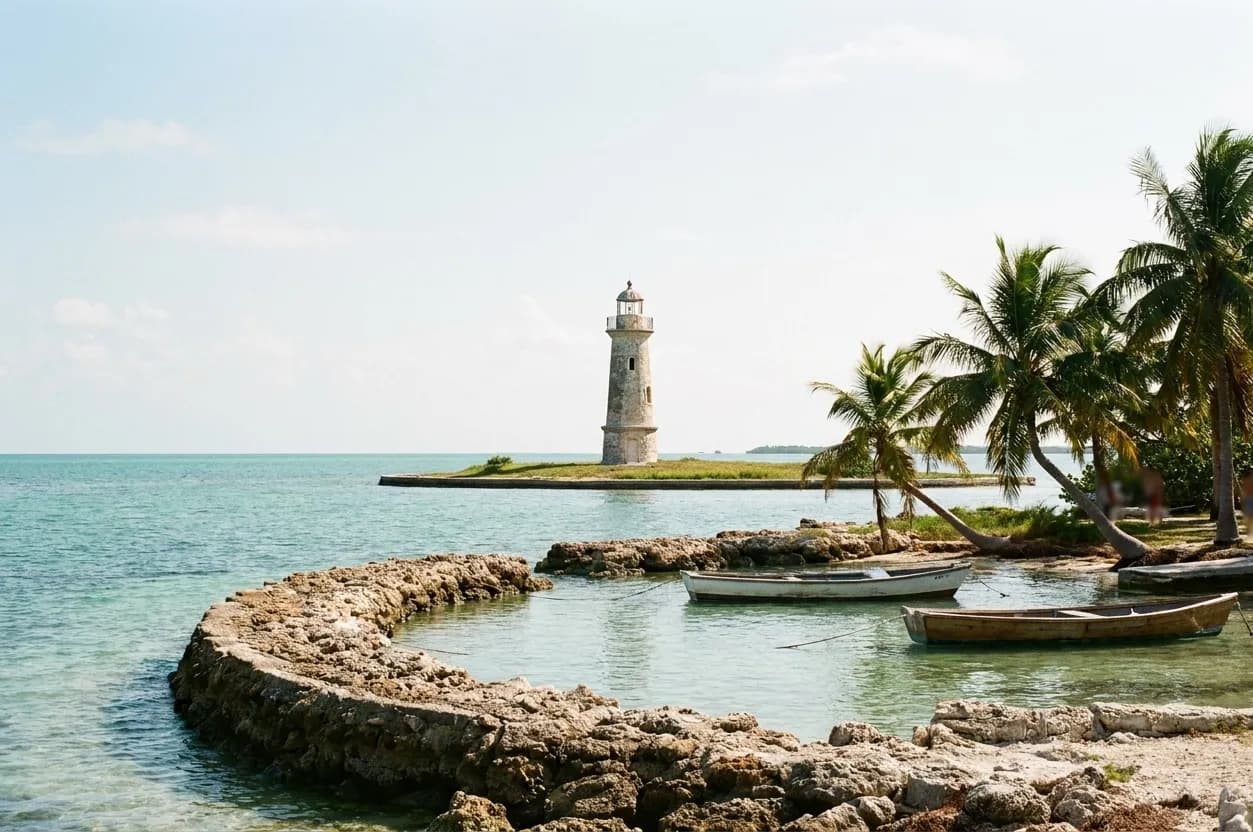
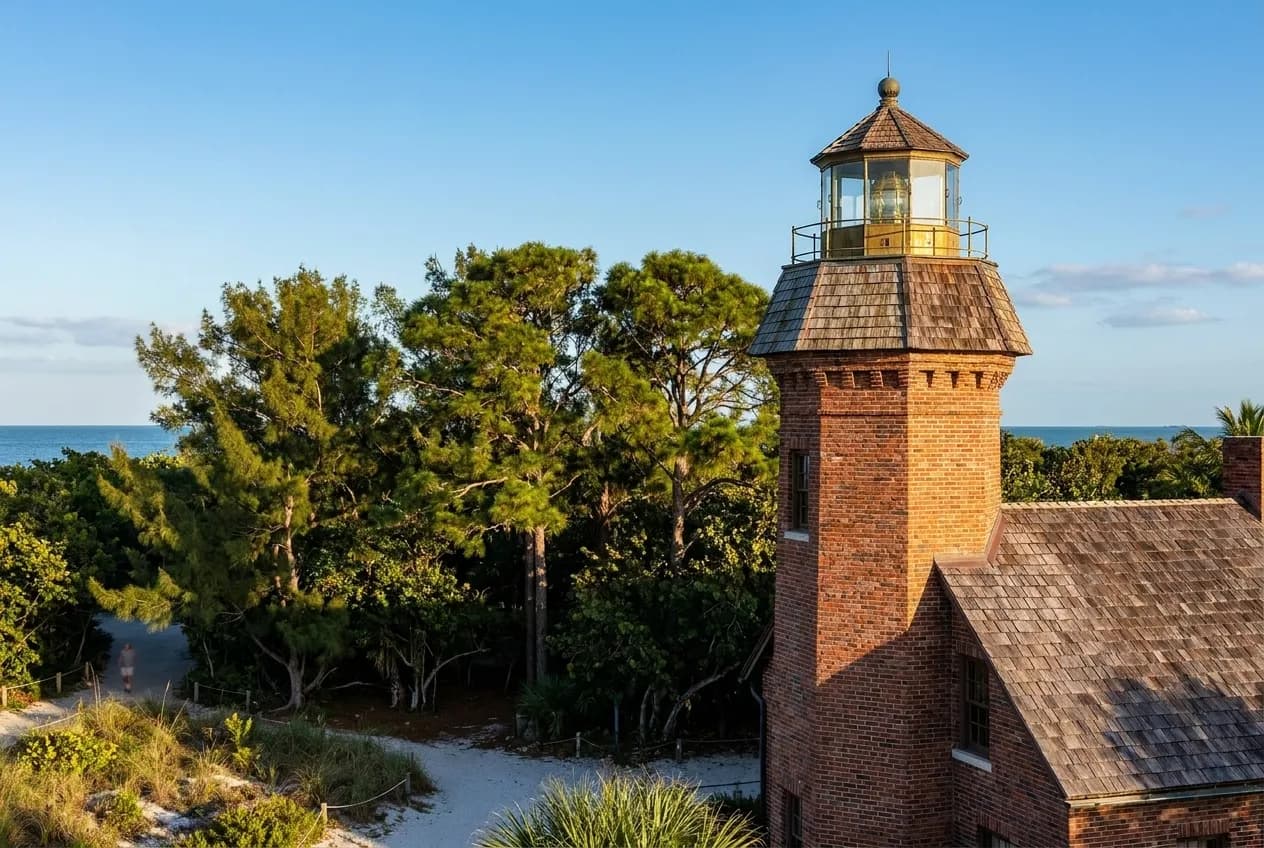
Bill Baggs Cape Florida State Park occupies the southern tip of the same island and is a different proposition: a state park with the historic Cape Florida lighthouse, pine and mangrove trails behind the sand, and a much smaller crowd because you pay to enter and most casual day-trippers stop at Crandon. The trade-off across both is the Rickenbacker Causeway toll and, on a Saturday, a genuinely slow drive on and off the key.
Haulover: the one with the rules
Haulover Park, north of Bal Harbour, is a long county beach with a properly signposted clothing-optional section at its northern end. It is worth stating plainly rather than coyly, because the section is well marked and the rest of the beach is entirely conventional — people wander into the wrong stretch by accident every weekend. Haulover is also the county's most reliable spot for actual waves and for kite surfing, since it is exposed in a way the sheltered beaches are not.
Surfside and North Beach: the walkable residential option
Surfside and the North Beach stretch of Miami Beach — roughly the seventies and eighties — offer the same ocean as South Beach with a residential neighbourhood behind it instead of a nightlife district. The North Beach oceanside park has boardwalk access and shaded picnic areas, and the whole stretch is served by streets that are much easier to park on. This is the highest-value swap on the list for anyone staying on the island who simply wants sand without the strip.
Virginia Key and Hobie Beach: shallow, sheltered, and for the dogs
Hobie Beach, on the causeway before you reach Key Biscayne proper, is a narrow strip of sand facing Biscayne Bay rather than the ocean. The water is shallow, warm and flat, which makes it the county's default spot for windsurfing lessons and paddleboards. It is also dog-friendly, which is unusual here and worth knowing, because most Miami-Dade ocean beaches are not. Virginia Key Beach Park behind it has a historic designation as the beach that served Miami's Black community during segregation, and it is a quieter, more wooded park than anything on the barrier island.
Matheson Hammock: the atoll pool
Matheson Hammock Park in Coral Gables has a man-made atoll pool that fills and flushes naturally with the tide from Biscayne Bay. It is enclosed, shallow, and completely calm, which makes it the softest water option in the county and a genuinely good choice with small children. It is surrounded by hammock and mangrove rather than hotels, and it has the Coral Gables skyline-free view that people forget Miami still has.
Hollywood: worth the drive north
Hollywood Beach in Broward sits about forty minutes north of downtown Miami depending on traffic, and it has something the Miami-Dade beaches do not: a genuine, continuous, decades-old beachfront promenade — the Broadwalk — running for two and a half miles with cafés, rentals and a paved path all the way. If your idea of a beach day includes walking somewhere and eating without moving the car, this is the one that is designed for it.
The two variables that should actually decide this
Parking and shade, in that order. Miami beach parking is the single most common way a beach day goes wrong, and the county lots at Crandon, Haulover and Matheson fill in a predictable order on a hot Saturday — arrive before eleven or plan to circle. Shade is the second: the barrier island beaches are almost entirely unshaded, while Crandon, Matheson and Virginia Key have real tree cover. In September, with the water still warm and the sun still direct, shade is not a luxury.
The third variable, seasonally, is seaweed. Sargassum drift arrives on the Atlantic-facing beaches in variable amounts through the warm months and lands very unevenly along the chain — one beach can be clear while another two miles north is not. It is worth a check on the day rather than an assumption.
Tags: #BeachNearMe #MiamiBeaches #KeyBiscayne #CrandonPark #BillBaggs #HauloverBeach #Surfside #VirginiaKey #MathesonHammock #HollywoodBeach #MiamiWeekend #Miami #WeekendPlans #Florida
All trademarks are the property of their respective owners.
Ask Karpo first
Want the one that fits today rather than the one that is famous? Ask Karpo which of these eight is best for your group, what the parking situation looks like at the hour you would arrive, and where the water is clearest right now.