 Where to Eat Near Penn Station That Isn't a Chain
US Open 2026
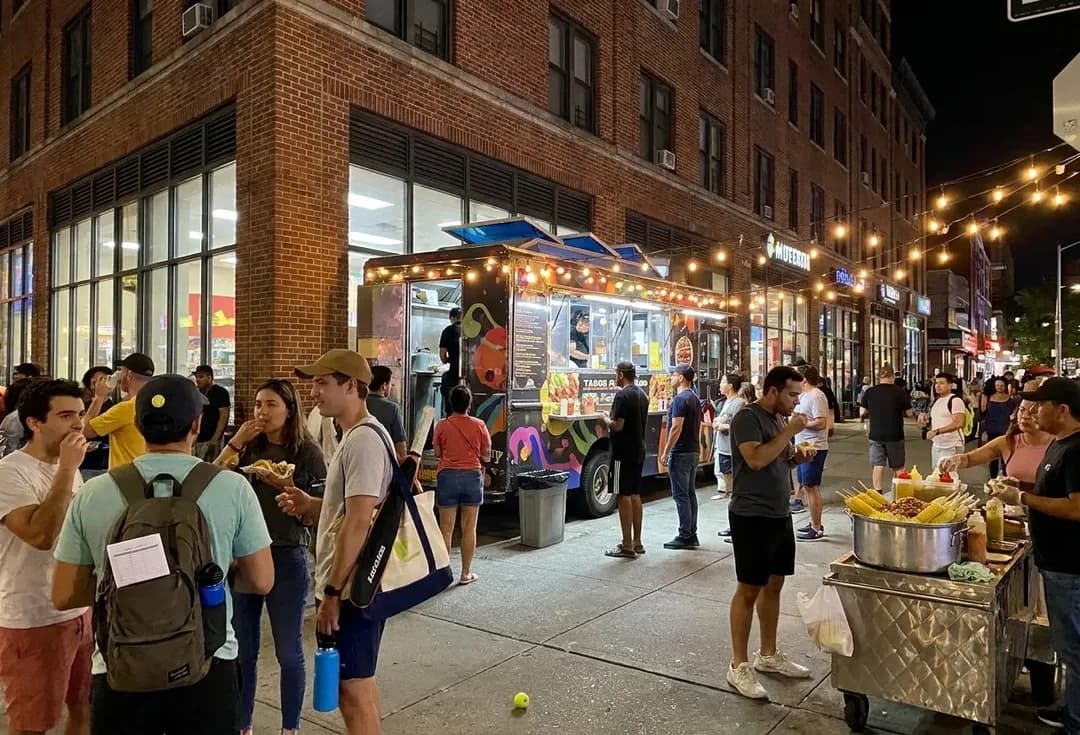
Mexico Style Street Food Carts Near 2026 US Open
A practical guide to finding authentic Mexican street food near the USTA Billie Jean King National Tennis Center during the 2026 US Open.
When you're planning a day at the 2026 US Open in Flushing Meadows, the official tournament grounds offer plenty of food options—but stepping outside the gates into the surrounding Queens neighborhoods opens up a world of authentic, affordable Mexican street food. The 7 train corridor that connects Manhattan to the USTA Billie Jean King National Tennis Center runs through some of New York City's most vibrant immigrant communities, where taco trucks, elote vendors, and loncheras have been serving locals for decades. Understanding where these carts cluster, how to time a pre-match or between-session meal, and what to expect in terms of payment, language, and logistics can turn a tournament day into a richer Queens experience—one that respects both the tennis schedule and the neighborhood rhythms that make this corner of the city so distinctive.
Text Karpo with your US Open session time and Queens starting point, and we’ll turn this Authentic taco trucks and elote vendors in Flushing for quick affordable meals during tournament days into a practical local plan.
Why Mexican Street Food Thrives Along the 7 Train
The 7 train—often called the International Express—connects Flushing to Jackson Heights, Corona, Woodside, and Long Island City, passing through neighborhoods where Mexican, Colombian, Ecuadorian, and other Latin American communities have built deep roots. Corona, in particular, sits just blocks from the tennis center and has long been home to Mexican families and businesses. Street vendors here aren't tourist novelties; they're part of the daily fabric, serving construction workers, families, and commuters who want a fast, filling meal at a fair price. During the US Open, these same carts become convenient options for tennis fans who want something more flavorful and affordable than stadium concessions. The carts typically operate on public sidewalks near subway exits, parks, and busy intersections, and they're subject to New York City health and vending regulations, which you can review on the NYC Health food-operators page.
What to Expect from a Queens Taco Truck or Cart
Most Mexican street-food setups in Queens fall into two categories: full-size trucks with grills, griddles, and menu boards, and smaller pushcarts that specialize in one or two items like elote (grilled corn), tamales, or fruit cups. Taco trucks often serve al pastor, carnitas, carne asada, pollo, and chorizo, with fresh cilantro, onions, lime, and a choice of salsas. Elote carts offer corn on the cob slathered with mayo, cotija cheese, chili powder, and lime—a classic street snack that's easy to eat while walking. Some vendors also sell quesadillas, huaraches, tortas, and aguas frescas in flavors like horchata, tamarindo, and jamaica. Payment is usually cash-only, though a few trucks now accept mobile payments; it's wise to carry small bills. Menus may be in Spanish, but vendors are generally patient and accustomed to serving a mix of customers. Portions are generous, prices are typically lower than sit-down restaurants, and the food is made to order, so expect a short wait during busy times.
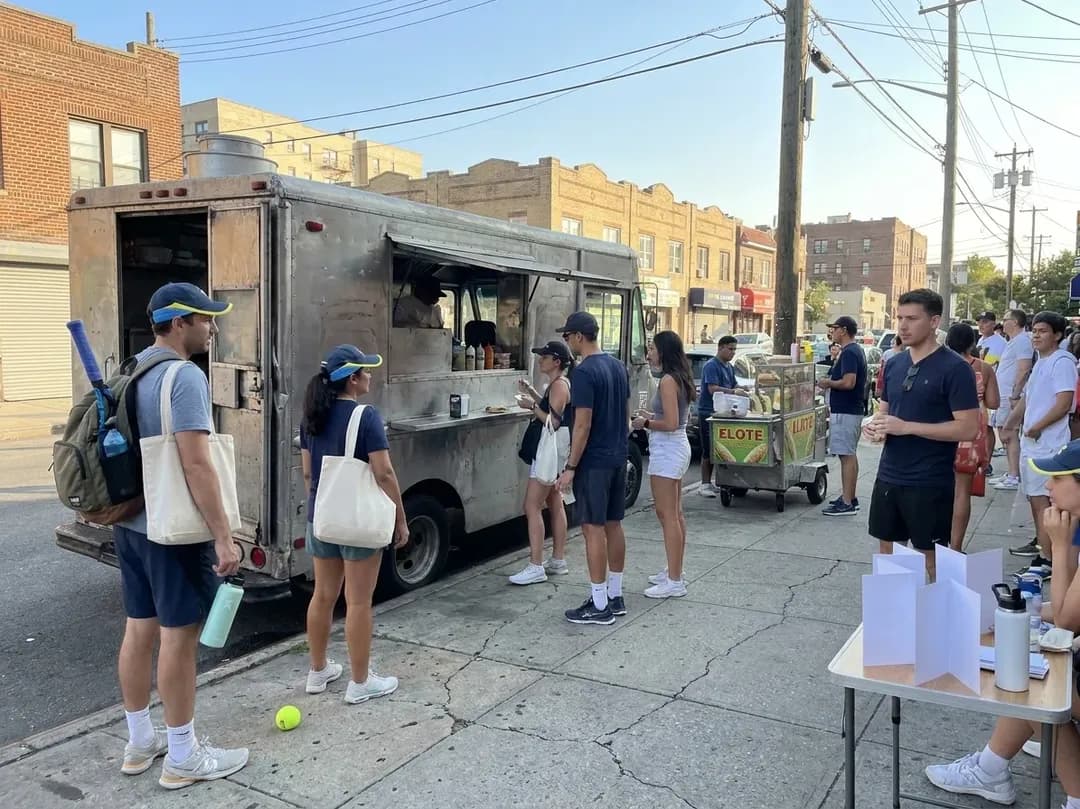
Where Carts Cluster Near Flushing Meadows
The blocks immediately surrounding the Mets–Willets Point station—the stop for both the US Open and Citi Field—see the highest concentration of vendors during major events. Carts often line up along Roosevelt Avenue, near the station exits, and along the pedestrian paths leading into Flushing Meadows Corona Park. Corona Plaza, a pedestrian space at Junction Boulevard and Roosevelt Avenue (about a 15-minute walk or one stop west on the 7), is another hub where vendors gather, especially on weekends. Jackson Heights, a few stops further west, has a dense restaurant scene along Roosevelt Avenue and 82nd Street, with some street vendors appearing near the subway exits during lunch and dinner hours. If you're staying in Long Island City or Astoria and taking the 7 train east, you'll pass through these neighborhoods in sequence, making it easy to hop off, grab food, and continue to the tennis center. Always check the MTA US Open transit guide for service updates and crowd-management details on tournament days.
Timing Your Street-Food Stop Around Match Sessions
US Open sessions typically start at 11 a.m. for day matches and 7 p.m. for night sessions, with gates opening an hour earlier. If you're aiming for a pre-match taco run, plan to arrive at your chosen cart location by 10 a.m. or the posted time, allowing time to order, eat, and walk or ride the final stretch to the grounds. Many vendors don't set up until mid-morning, so an early-morning stop before a day session may require flexibility—consider grabbing a coffee and pastry at a Queens bakery or deli near your subway stop, then hitting a taco truck closer to noon if you're staying for multiple matches. Between sessions or during a long break, you can exit the tennis center (check the official prohibited-items guide to understand re-entry rules and bag policies) and walk to nearby carts, though this adds time and requires planning around match schedules. Evening vendors often stay open later, especially during tournament weeks when foot traffic is high, but it's wise to have a backup plan if a cart has sold out or packed up early.
Practical Notes for Eating Street Food in Queens
- Bring cash in small denominations; most carts don't accept cards, and ATMs near the tennis center may have lines.
- Ask for salsa on the side if you're unsure about spice levels—vendors are happy to accommodate.
- Elote is messy; grab extra napkins and consider eating it before you board a crowded train.
- If you have dietary restrictions, ask about ingredients—many vendors speak some English, and pointing or using a translation app works well.
- Street food is generally safe, but use common sense: look for carts with steady customer flow, visible food-handling practices, and proper permits.
- Don't expect seating; plan to eat standing, perched on a park bench, or on the go.
- If a cart is closed or missing, don't be discouraged—vendors' schedules can shift based on weather, permits, and demand.
- Check the NYC Parks page for Flushing Meadows Corona Park to understand park rules, restroom locations, and shaded areas where you can pause and eat.

Exploring Beyond the Cart: Queens Food Culture
If you have extra time before or after your match, the neighborhoods along the 7 train offer much more than street carts. Jackson Heights is home to sit-down Mexican restaurants, Colombian bakeries, and Himalayan cafes, all within a few blocks of the Roosevelt Avenue station. Corona has historic Italian delis, Latin American groceries, and the Lemon Ice King of Corona, a neighborhood institution since 1944. Flushing, at the eastern end of the 7, is the heart of New York's Chinese and Korean communities, with sprawling food courts, bubble tea shops, and late-night restaurants. If you're staying near Long Island City, you'll find waterfront parks, contemporary art galleries, and a growing cafe scene that's walkable from the subway. The NYC Tourism Queens page offers neighborhood overviews and cultural context that can help you plan a fuller day around your tennis schedule.
Respecting Vendors and Neighborhoods
Street vendors in Queens are small-business owners navigating complex city regulations, weather, and competition. A little patience, a friendly greeting, and a willingness to wait your turn go a long way. Tipping isn't always expected, but rounding up or adding a dollar is a kind gesture, especially if the vendor has customized your order or offered recommendations. If you're taking photos, ask first—vendors and customers alike appreciate respect for their space and privacy. Remember that these carts serve local communities year-round, not just during the US Open; treating them as part of the neighborhood rather than a novelty helps sustain the culture that makes Queens so vibrant. And if you're planning to bring outside food into the tennis center, review the official US Open visitor A-Z guide and prohibited-items policies to understand what's allowed and what's not.
Planning Your Route and Backup Options
The 7 train is the most direct route to the US Open, but it can be crowded during tournament days, especially after evening sessions. The MTA US Open transit guide includes information on additional service, accessibility, and alternative routes via the Long Island Rail Road. If you're building a street-food stop into your trip, consider traveling during off-peak hours or allowing extra buffer time. Have a mental list of two or three cart locations so you're not dependent on a single vendor. If carts are sparse or closed, the blocks around the Mets–Willets Point station also have delis, pizza spots, and chain options that can serve as backups. The official US Open transportation page covers parking, ride-share drop-off zones, and bike access, which may influence where you start your food hunt. Flexibility and a willingness to explore will make your Queens street-food experience smoother and more enjoyable.
This article references the trend keyword mexico as a lens for exploring authentic Mexican street food culture in Queens during the 2026 US Open, not as a claim about current news, events, or conditions.
Tags: #USOpen2026 #Queens #FlushingMeadows #KarpoFinds #Karpo #mexico #NewYorkLocal #TennisTravel #NYCLocalLife #TennisTravel
Sources consulted: usopen.org — Official event schedule · usopen.org — Official visitor A-Z guide · usopen.org — Official transportation directions · usopen.org — Official prohibited-items guide · MTA — Official US Open transit guide · NYC Parks — Flushing Meadows Corona Park · NYC Tourism — Queens · NYC Health — Food Safety
All trademarks are the property of their respective owners.
Ask Karpo first
Want to know what is actually open, how to time the trip, and where to pause around Queens? Ask Karpo for the latest public US Open context, a respectful visitor plan, and a live route around Flushing Meadows before you head out.
Ask Karpo for more information.
Keep reading
- Where to Eat Near Penn Station That Isn't a Chain
 Andytown Coffee in the Outer Sunset: The Snowy Plover Explained
- Best Things to Do in Chicago: What the City Gives Away