The Opening Night That Set the Tone for the Entire Tournament
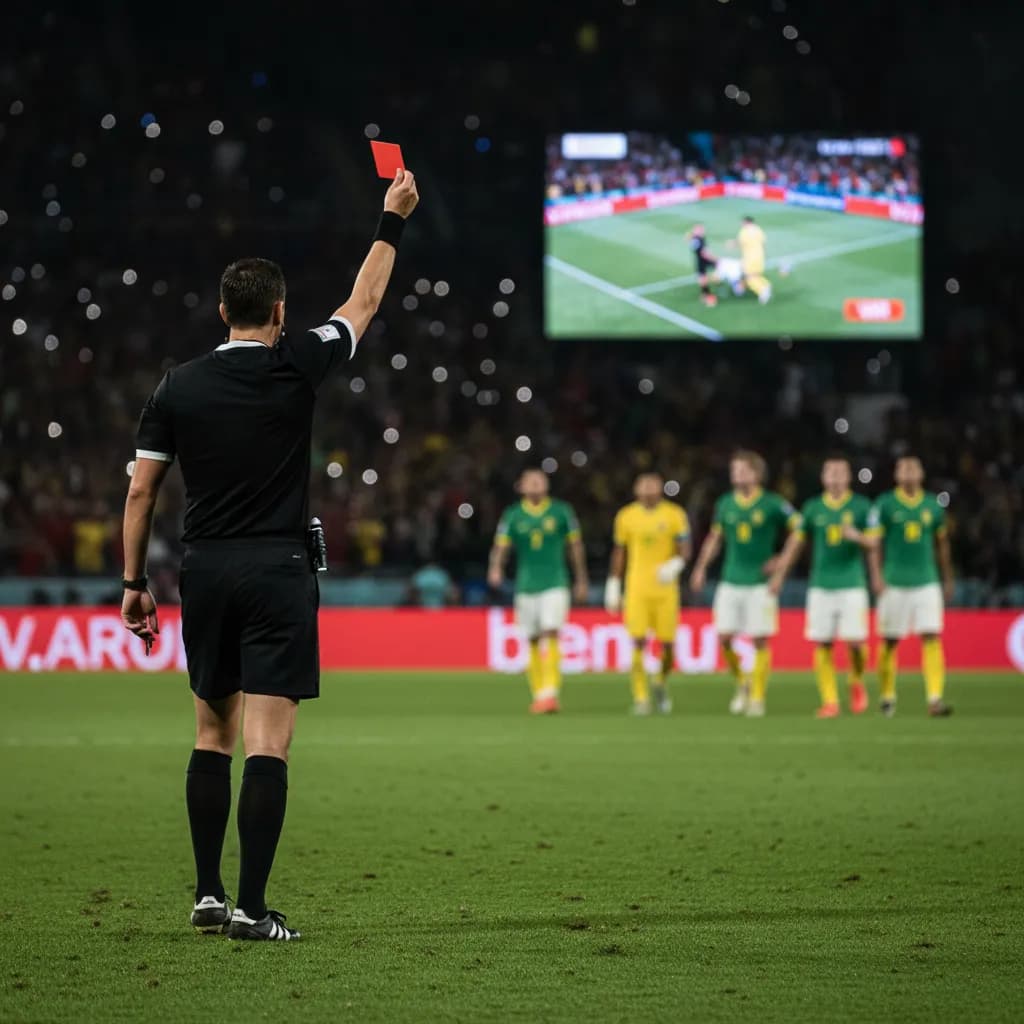
The 2026 FIFA World Cup opened at Estadio Azteca on June 11 with a match nobody will forget — for all the wrong reasons and the right ones. Mexico, co-hosts alongside the United States and Canada, walked onto the pitch to a deafening wall of noise from 87,523 fans packed into the iconic venue. South Africa, making their first World Cup appearance since hosting in 2010, lined up in Hugo Broos' trademark 4-2-3-1. Within 12 minutes, the game had already produced its first controversy: a sliding tackle from Bafana Bafana's Mothobi Mvala on Hirving Lozano that VAR upgraded from a yellow card to a straight red. The Azteca roared. Mexico were a man up with 78 minutes still to play.
Santiago Giménez's Double Gave Mexico the Perfect Start
With South Africa reduced to ten men, Mexico's forward line feasted. Santiago Giménez opened the scoring in the 23rd minute, rising above two defenders to head home a César Montes cross from a corner kick. His celebration — arms spread wide, sliding across the Azteca turf — became the first iconic image of the tournament. Mexico continued to dominate possession, playing patient build-up through midfield with Edson Álvarez dictating tempo. Giménez added his second in the 41st minute, latching onto a through ball from Orbelin Pineda and finishing low past Ronwen Williams' near post. At halftime, Mexico led 2-0 and South Africa's World Cup opener had turned into a damage-limitation exercise.
A Second-Half Meltdown That Rewrote the Record Books
The second half delivered chaos. In the 58th minute, South Africa's Teboho Mokoena was shown a second yellow card for time-wasting — a harsh decision that left Bafana Bafana with nine men on the pitch. The Azteca crowd initially cheered, but the mood shifted when Mexico's own Jesús Gallardo received a straight red in the 72nd minute for a two-footed lunge on Percy Tau. Three red cards in a single World Cup opening match: a new tournament record that eclipsed the two-red-card affairs of Germany vs Costa Rica in 2006 and Russia vs Saudi Arabia in 2018. FIFA referee Clément Turpin consulted his VAR monitor three times throughout the night, each decision adding minutes and tension to an already fractious affair.
VAR Dominated the Headlines More Than the Football
Post-match analysis centered less on Mexico's quality and more on the officiating. Hugo Broos was diplomatic but firm, telling the press conference that Mvala's first-half red card changed the entire game. The tackle was hard but not dangerous, Broos argued, and VAR's intervention set a precedent that would ripple through the entire group stage. ESPN's Dale Johnson called it the most influential VAR decision in World Cup opening history. Social media was divided — Mexican fans celebrated the protection of their players, while neutrals worried that the tournament's first statement was one of over-officiating. The three red cards generated more than 2.3 million tweets within two hours of the final whistle.
What Mexico's Win Means for the Co-Hosts' Tournament
Mexico's victory was exactly what the organizing committee needed: a dominant win for the home nation in front of a record crowd. But the manner of the win raised questions. Can Mexico beat top-tier opposition without numerical advantages? Jaime Lozano's side looked impressive in possession but struggled to create clear chances when South Africa had eleven men on the pitch. The group stage would test them further with games against Ecuador and an underrated Swiss side. For South Africa, the defeat was harsh but not fatal — two games remained, and Broos' counterattacking system needed opponents willing to push forward to be most effective.
The Azteca Set the Bar for Atmosphere
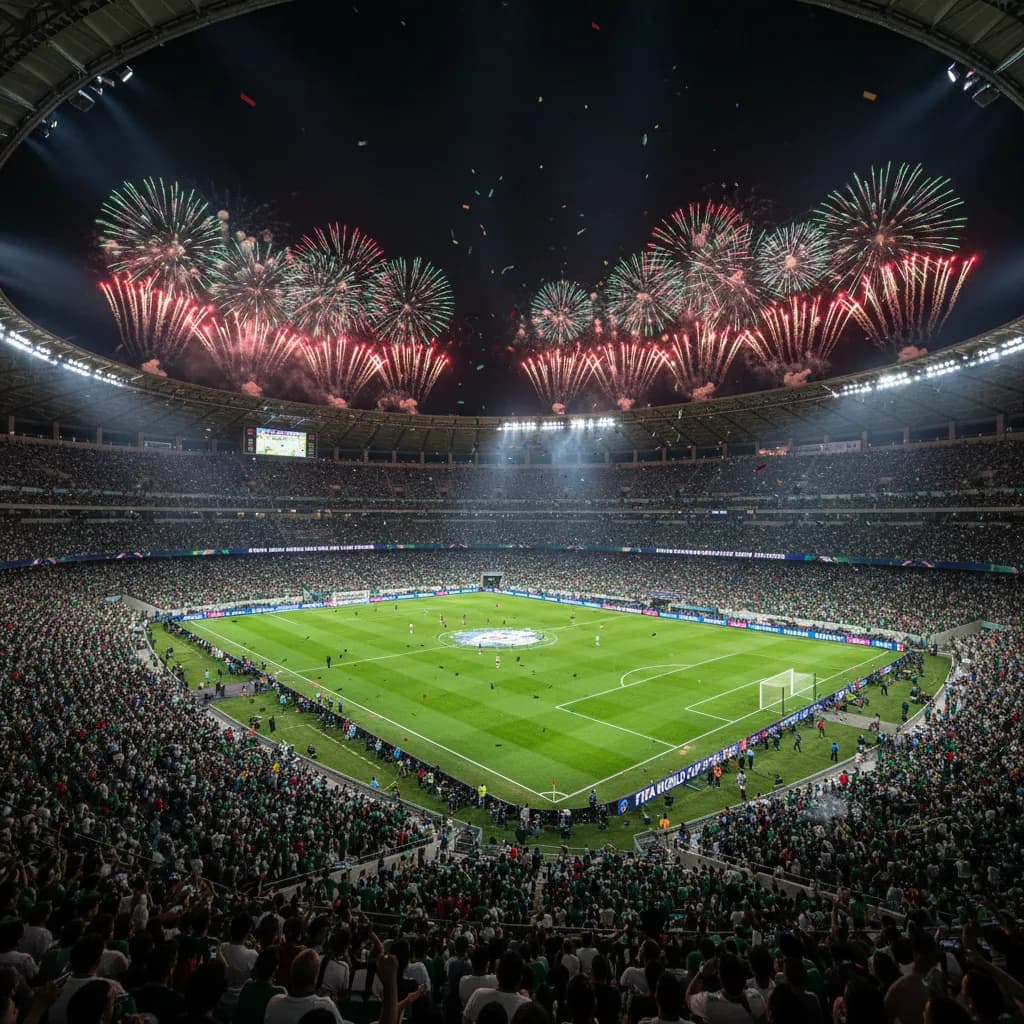
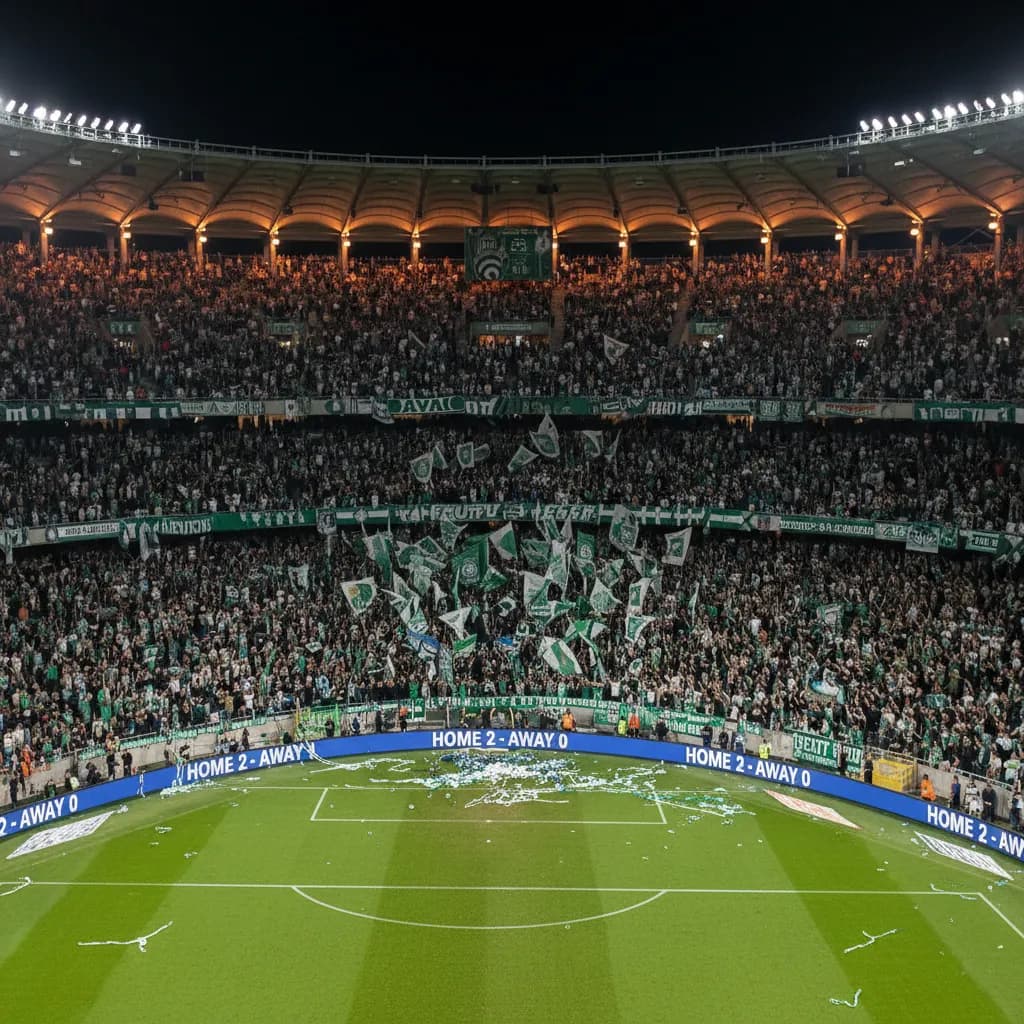
Beyond the football, the opening night at Estadio Azteca set an impossibly high bar for stadium atmosphere. The 87,523 attendance was the largest for a World Cup match since the 1994 final at the Rose Bowl. Mexican fans performed La Ola six times during the second half, the wave traveling around the entire stadium in under eight seconds each time. The post-match fireworks display lasted fourteen minutes and was visible from downtown Mexico City. Tournament director Colin Smith told FIFA's broadcast team that the opening night exceeded all expectations for noise, color, and energy. It was a reminder that for all the controversies surrounding ticket pricing and FIFA governance, the World Cup remains the greatest show on earth when the ball starts rolling.
Tags: World Cup 2026, Mexico vs South Africa, Opening Match, Three Red Cards, Santiago Gimenez, Estadio Azteca, VAR controversy, Hugo Broos, FIFA World Cup 2026
Sources consulted: ESPN · FIFA · NBC Sports · Al Jazeera
All trademarks, team names, league names, and player likenesses mentioned in this article are the property of their respective owners and are used here for informational and editorial purposes only.
Ask Karpo First
Want to know what other matches are coming up at Estadio Azteca and where to eat before kickoff in Mexico City? Ask Karpo for the latest World Cup Mexico schedule, a walking route around Coyoacán, and the best street food spots near the stadium.