The question is bilingual because the day is shared
“A qué hora juega México?” is not only a Spanish-language search. It is a social coordination tool. It appears when families, friend groups, coworkers, and fans across time zones need one answer they can all act on. The translation challenge is not just language. It is turning a tournament listing into a real plan that works for everyone in the room.
A kickoff time can be wrong in several ways. It can be listed in venue time while the viewer is somewhere else. It can include pregame coverage instead of the actual whistle. It can be copied from a broadcaster card without context. It can be shared in English to people who are organizing in Spanish, or the other way around. A useful article should reduce that friction.
The cleanest move is to build one bilingual time card. Put the opponent, official kickoff, local watch time, arrival target, lineup window, broadcast language, and backup route in one message. The message does not need to be fancy. It needs to be complete, current, and easy to forward without creating another round of confusion.
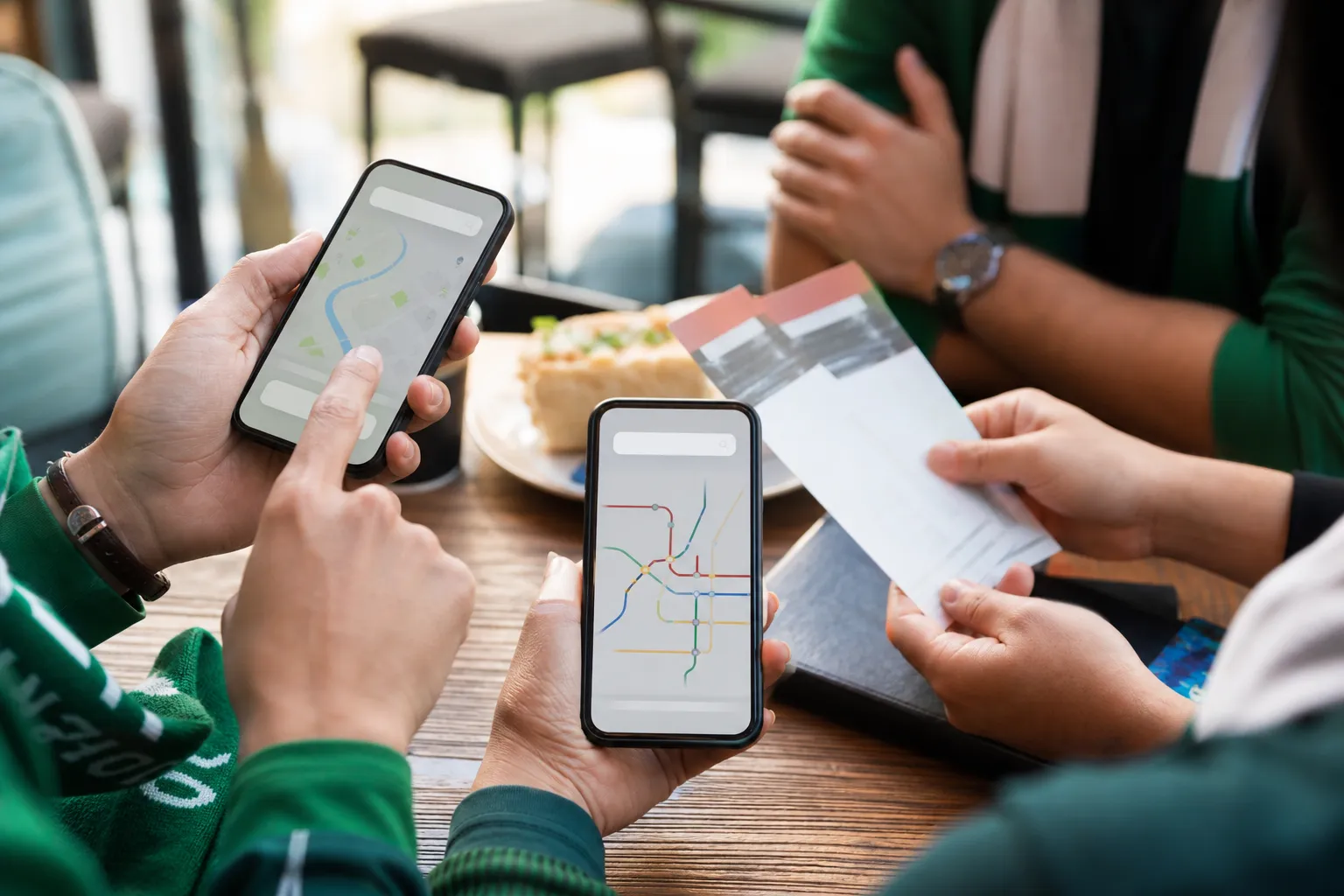
Separate kickoff from coverage
Many fans search because they have seen two different times. One may be the start of television coverage. One may be the official match kickoff. One may be the local time of the host city. One may be the time converted by the search engine. The difference matters when people are planning rides, meals, work breaks, or a watch party.
The article should explain the distinction plainly. Pregame coverage is when the broadcast begins. Kickoff is when the match is scheduled to start. Arrival target is when the fan should be at the place where they plan to watch. Lineup window is when the football conversation changes. These are four different clocks, and mixing them is the reason group chats become messy.
Make one message for two languages
Bilingual fan groups often repeat the same information twice and accidentally change one detail. The better format is a compact message with both languages carrying the same facts. For example: official kickoff, local watch time, arrive by, lineup expected before match, and backup location. Keep the structure identical so nobody has to infer which version is newer.
This is especially useful when older relatives, casual fans, and serious football followers share the same chat. The serious fan may care about lineups. The casual fan may care about when to arrive. The parent may care about food and parking. The organizer has to serve all three without sending fifteen updates.
A good kickoff message should be understood by the person bringing snacks and the person refreshing lineups.
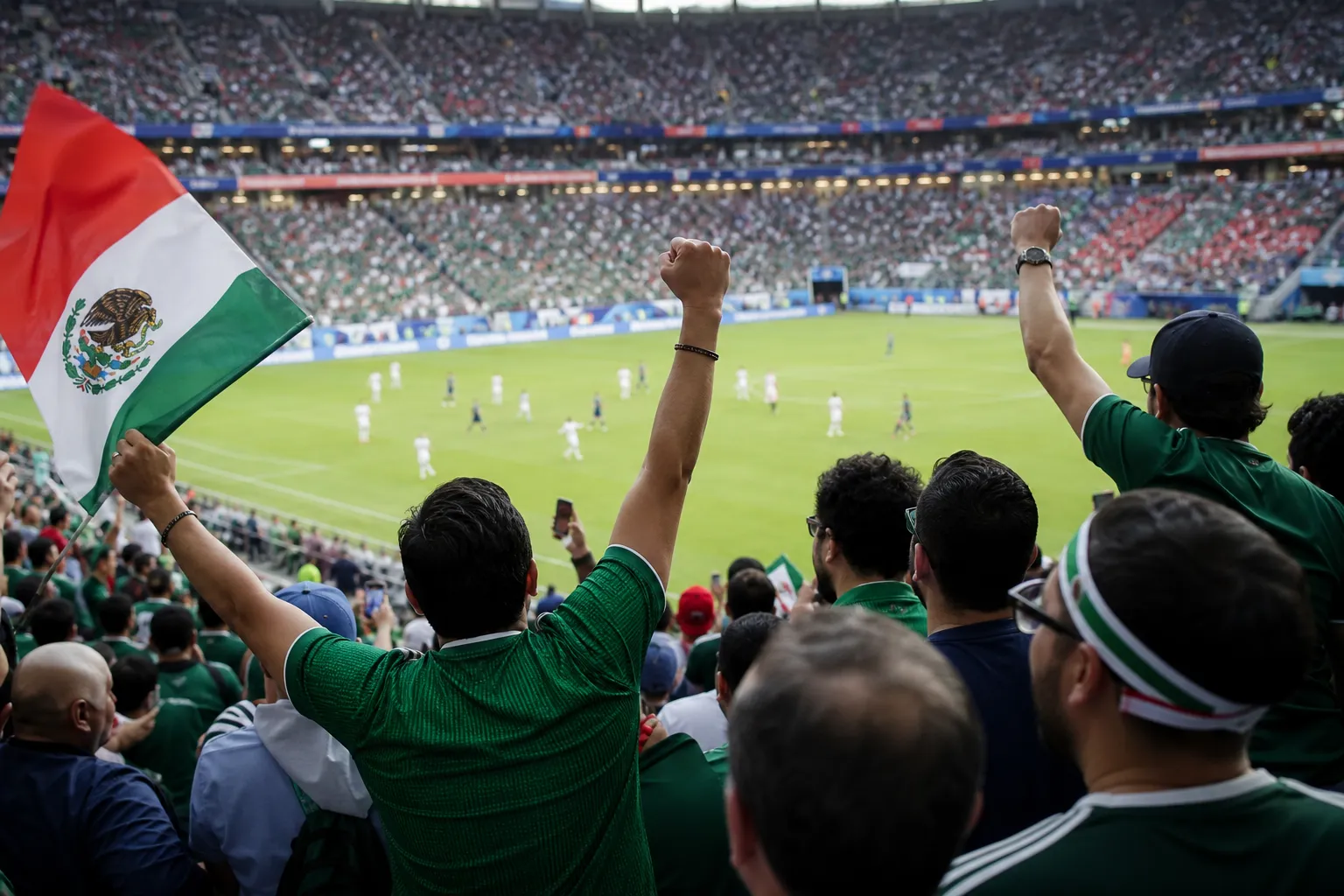
The arrival target is the hidden answer
Most people ask what time the match starts, but the more useful question is what time they should arrive. For a quiet home watch, arrival may be ten minutes before kickoff. For a packed sports bar, it may be much earlier. For a public screen, it may depend on entry rules, weather, security, and whether the group needs seats.
That is why a longform planner should treat arrival as its own field. If kickoff is 7:00, the plan may be arrive by 5:45, check lineups at 6:00, order food by 6:20, phones charged by 6:45, and no one moves seats after anthem. These details sound small until the room is full.
How to avoid last-minute confusion
- Use the official fixture as the source for kickoff.
- Write the local watch time, not only the venue time.
- State whether the listed time is coverage or kickoff.
- Add an arrival target that fits the crowd level.
- Send one final card after lineups, then stop updating unless something changes.
The final-card habit matters. Once everyone has the correct time and place, extra messages can become noise. Send updates only when they change action: new kickoff, venue issue, full capacity, weather change, or route problem. That discipline keeps the match day calmer.
Practical notes
For Mexico kickoff searches, treat time as a planning object. Confirm the official match time, convert it once, write the arrival target clearly, and include the language of the broadcast if that affects the group. If the plan is public, verify access and capacity before leaving. If the plan is at home, decide who owns the final time card so the chat does not split into competing screenshots.
A family group chat needs a different format than a sports site
Sports sites are built for browsing. Family group chats are built for action. That means the final message should not read like a fixture table. It should read like a simple plan: Mexico plays, kickoff is this time where we are, arrive by this time, watch here, audio language is this, and if the venue is full we go there. The more ordinary the wording, the more useful it becomes.
The bilingual version should also avoid making one language feel secondary. Put the key facts in parallel order. If the English line says kickoff, arrival, and backup, the Spanish line should say the same three things in the same sequence. This prevents one side of the family from forwarding an older or incomplete version because it happened to be written in the language they use most.
Cross-city fans need one owner for the clock
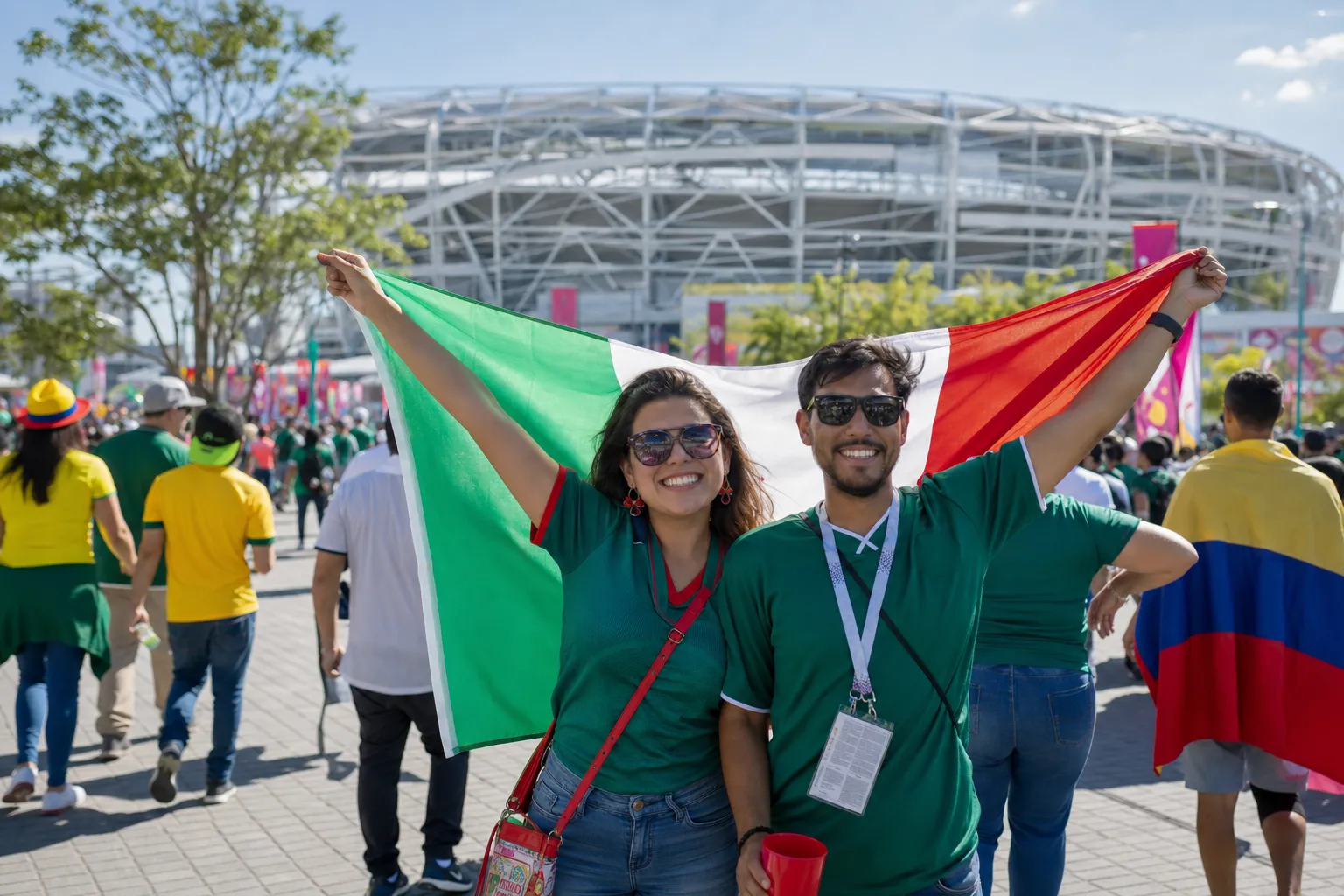
Mexico fans may be coordinating from different cities, especially during a North American tournament. One person may be near the venue, another may be watching from the East Coast, and another may be joining after work somewhere else. If each person checks a different app, the chat can fill with times that are all technically explainable and still operationally confusing.
Name one clock owner. That person checks the official fixture, converts the local watch time, and sends the final card. Everyone else can add venue notes or food plans, but they should not keep sending alternate kickoff screenshots unless the official source changes. This small rule prevents the most common bilingual timing problem: too many correct-looking answers.
Tags: #WorldCup2026 #FIFA2026 #WorldCupBuzz #MatchdayPlan #FanGuide #FootballFans #SoccerSearch #LiveSports #KarpoBuzz #AskKarpoFirst #WorldCupTravel #TeamNews
Sources consulted: Google Trends: a qué hora juega méxico · FIFA World Cup 2026 · FIFA fixtures
All trademarks are the property of their respective owners.
Ask Karpo first: If the match plan depends on timing, crowd size, or public access, ask Karpo for the latest Mexico updates and a route that respects the city before you head out.