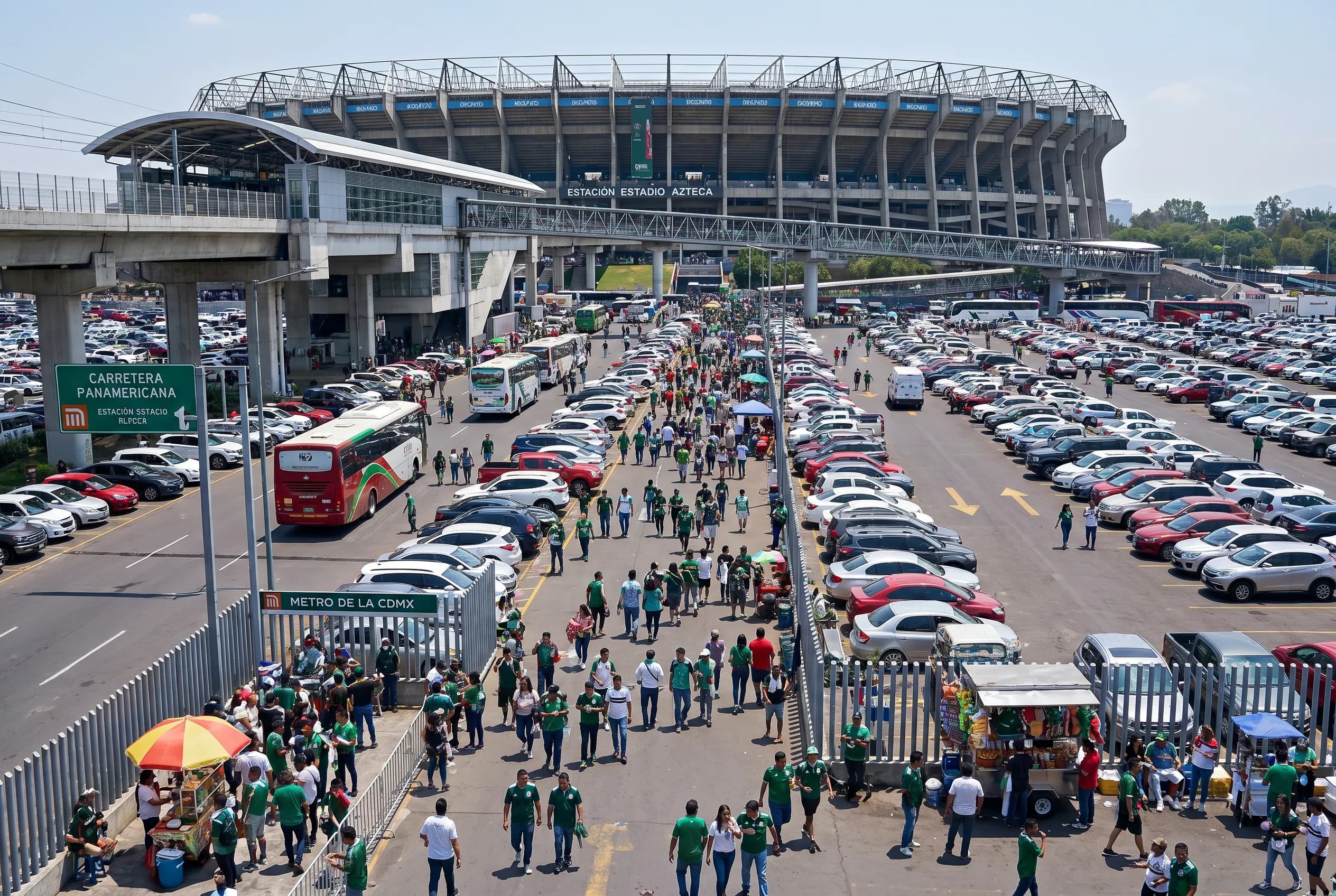
Estadio Azteca stands as one of football's most iconic venues, and when the FIFA World Cup returns to Mexico City in 2026, tens of thousands of supporters will navigate the capital's sprawling transport network to reach the stadium. Located in the Coyoacán borough, the venue sits at the intersection of several major routes and metro lines, offering visitors multiple ways to arrive on match day. Whether you're driving along the carretera from neighboring states, relying on Mexico City's extensive Metro system, or combining both methods, understanding your options well in advance will help you avoid delays and enjoy the pre-match atmosphere. The city's transport infrastructure has evolved significantly since Mexico last hosted World Cup matches, and officials continue to refine plans for managing the expected influx of international visitors during the tournament.
Planning your route to Estadio Azteca involves more than just picking a transport mode—it's about timing, backup options, and knowing where to find real-time updates when match day arrives. Text Karpo for a personalized transport plan tailored to your accommodation, match schedule, and preferred arrival time. Whether you need parking alternatives near metro stations, the fastest carretera route from your hotel, or a complete door-to-stadium itinerary, Karpo helps you navigate Mexico City like a local and arrive at the stadium relaxed and ready for kickoff.
Metro Access to Estadio Azteca
The Mexico City Metro offers the most reliable match-day transport option for most visitors. Line 2 (Blue Line) serves Estadio Azteca station directly, placing you within walking distance of the stadium's main entrances. This line connects with the city's broader metro network at major interchange stations including Pino Suárez, where you can transfer to Lines 1 and 3, and Tasqueña, which also serves as a southern terminus with connections to the Tren Ligero light rail system. During major events, the Metro typically extends service hours and increases train frequency, though official schedules for World Cup match days will be announced closer to the tournament.
The walk from Estadio Azteca station to the stadium gates takes approximately ten minutes through well-marked pedestrian routes. Metro fares remain among the most affordable transport options in the city, and the system accepts both single-journey tickets and rechargeable cards that can be purchased at any station. Visitors should note that the Metro can become extremely crowded on match days, particularly in the hours immediately before kickoff and after the final whistle. Arriving at least two hours before your match allows time to navigate crowds, pass through security checkpoints, and find your seat without rushing. The Metro operates with clear signage in Spanish, and while English announcements are limited, station names and line numbers make navigation straightforward even for first-time visitors.
Driving and Carretera Routes
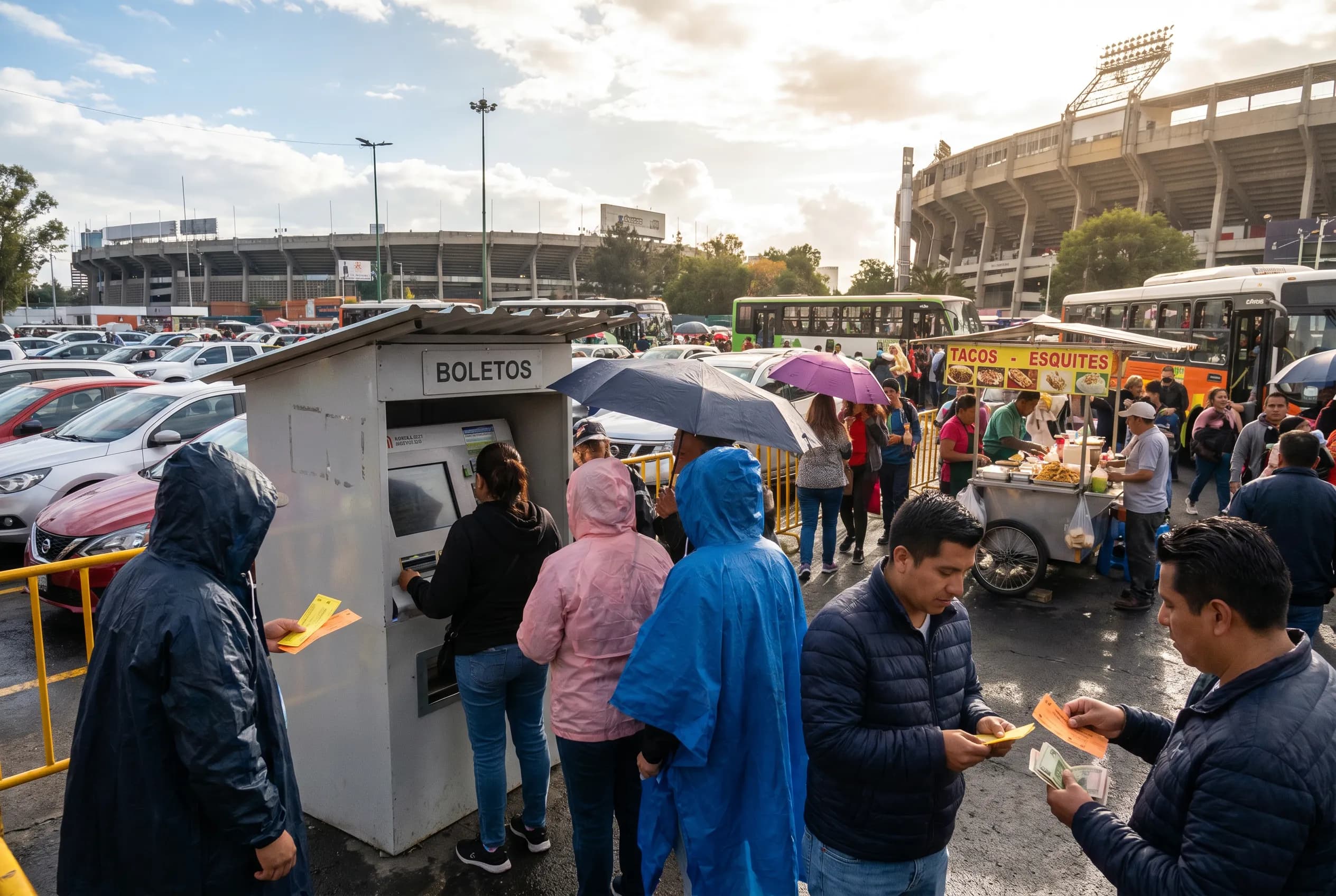
Visitors arriving by car from outside Mexico City will approach Estadio Azteca via several major highways. The Autopista México-Cuernavaca (Federal Highway 95D) provides the primary carretera connection from the south, while Calzada de Tlalpan and Avenida Insurgentes Sur serve as main arterial routes through the city itself. The stadium sits near the intersection of Calzada de Tlalpan and Anillo Periférico, the ring road that encircles much of the metropolitan area. These routes typically experience heavy traffic during peak hours, and match days amplify congestion significantly as kickoff approaches. Drivers should budget extra time and consider arriving several hours early to account for both traffic and parking challenges.
Road closures around the stadium are common on match days, with local authorities restricting access to certain streets to facilitate pedestrian movement and emergency vehicle access. These closures are typically implemented in a phased approach, beginning several hours before kickoff and extending until crowds disperse after the match. The specific streets affected and timing of restrictions vary by event size and security requirements, so checking official Mexico City transport updates before you depart is essential. GPS navigation apps often reflect real-time road closures, but they may not account for match-day restrictions until they're actively enforced. The carretera journey from popular tourist areas like Polanco or the Historic Center to Estadio Azteca can take anywhere from forty minutes to well over an hour depending on traffic conditions and time of day.
Stadium Parking Options
Estadio Azteca operates multiple parking zones directly adjacent to the venue, with capacity for thousands of vehicles. These official stadium lots offer the convenience of proximity but fill quickly on match days, particularly for high-profile World Cup fixtures. Parking is managed on a first-come, first-served basis unless special arrangements are made through hospitality packages or official tournament channels. The stadium's parking areas are clearly marked with directional signage as you approach, and attendants help direct traffic flow during peak arrival times. Security personnel monitor these lots throughout events, providing a level of oversight that makes them a preferred option despite typically higher fees compared to alternatives.
Beyond the stadium's official lots, numerous private parking facilities operate in the surrounding neighborhoods, particularly along Calzada de Tlalpan and near the Azteca Metro station. These alternatives often charge lower rates and can be easier to exit after matches when stadium lots experience heavy congestion. However, they require a longer walk to the stadium and may not offer the same security presence. Some local residents also offer informal parking in driveways or on their property, a common practice during major events. When using unofficial parking, note the exact address and any landmarks to help you locate your vehicle after the match, especially if you're arriving in darkness or unfamiliar with the area. Regardless of where you park, avoid leaving valuables visible in your vehicle and allow extra time for the post-match exit, as traffic leaving the stadium area can be slow-moving for an hour or more after the final whistle.
Alternative Transport and Ride Services
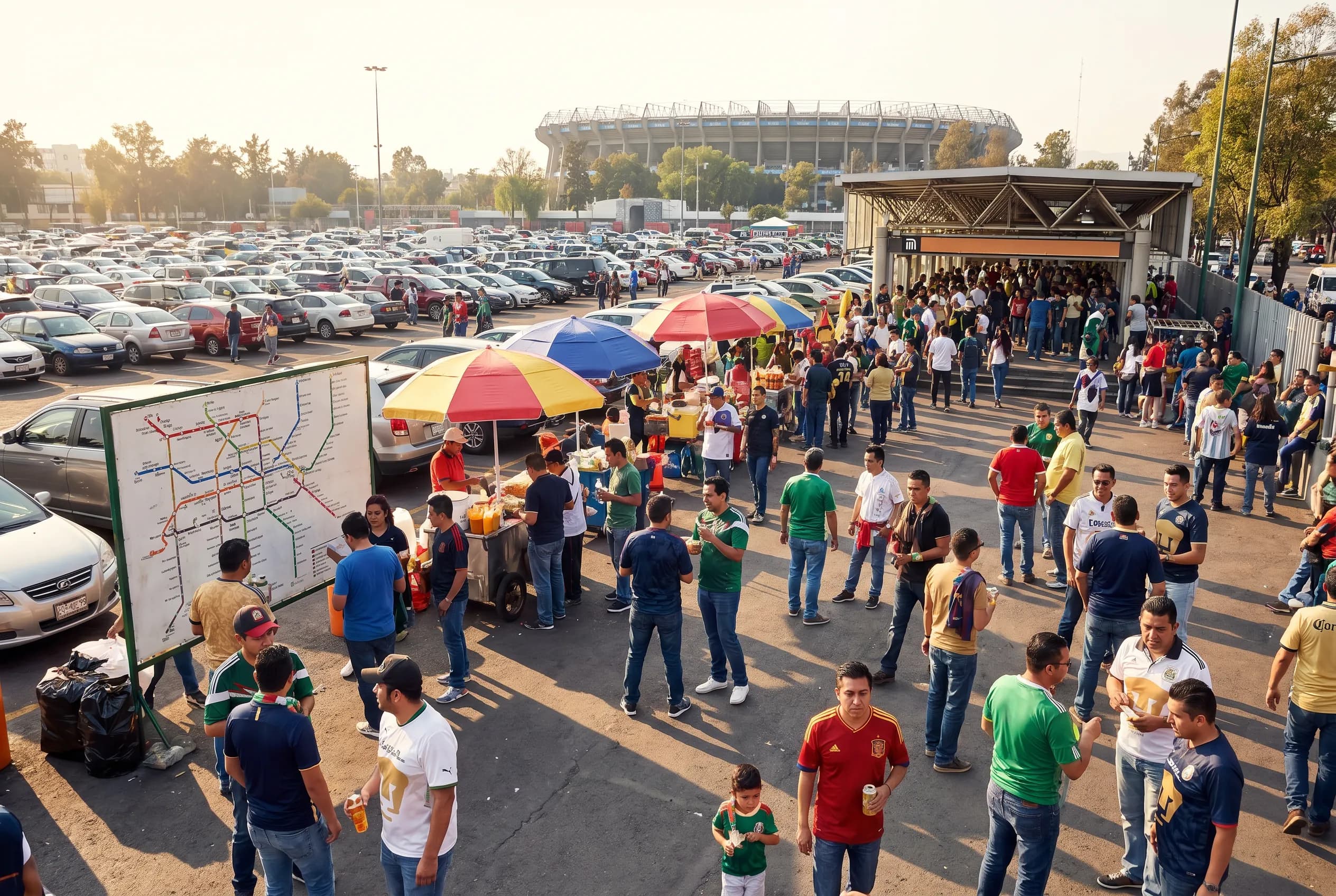
Ride-hailing services like Uber and Didi operate throughout Mexico City and provide a convenient option for visitors who prefer not to navigate public transit or drive themselves. These services function reliably in the Estadio Azteca area, though match-day demand creates surge pricing and longer wait times, particularly after matches when thousands of supporters request rides simultaneously. The stadium and surrounding streets have designated pickup zones for ride services, and drivers are generally familiar with these locations. Requesting your ride from a nearby restaurant or shopping area rather than directly at the stadium gates can sometimes reduce wait times and help you avoid the densest crowds.
Taxis remain widely available throughout Mexico City, and authorized taxi stands operate near the Metro station and stadium area. Using official taxi stands or booking through your hotel provides greater security and reliability compared to hailing cabs on the street. For groups of three or four travelers, the per-person cost of a taxi or ride service can approach Metro fares while offering door-to-door convenience. Some visitors combine transport methods, taking the Metro to a station near their accommodation and using a ride service for the final leg, or driving to a Metro station with parking facilities and completing the journey on public transit. This hybrid approach can offer a balance between convenience and avoiding match-day traffic near the stadium.
Match Day Road Closures and Traffic Management
Mexico City authorities implement comprehensive traffic management plans for major events at Estadio Azteca, with World Cup matches expected to trigger the most extensive measures. Road closures typically affect streets within a several-block radius of the stadium, creating pedestrian-only zones that improve safety and crowd flow. The timing and extent of these closures depend on anticipated attendance, security assessments, and coordination with national and FIFA officials. While specific plans for World Cup 2026 matches will be announced as the tournament approaches, past major events provide a template: expect closures to begin three to four hours before kickoff and remain in place until crowds substantially disperse.
Staying informed about current conditions requires monitoring official sources. The Mexico City government publishes transport updates through its official website and social media channels, often providing real-time information about road closures, Metro service changes, and traffic conditions. During the World Cup, FIFA and local organizing committees will likely establish dedicated information channels for match-day transport. Many visitors find that local news outlets and traffic apps provide the most current information, particularly for unexpected changes or incidents that affect travel plans. Building flexibility into your schedule and having a backup transport option identified before match day helps you adapt if your primary route encounters unexpected closures or delays.
Planning Your Stadium Journey
Successful match-day transport begins with understanding your starting point and the time you need to arrive at the stadium. FIFA typically recommends arriving at least ninety minutes before kickoff to allow time for security screening, but World Cup matches often draw larger crowds that can extend entry times. If you're staying in central Mexico City neighborhoods like Roma, Condesa, or the Historic Center, the Metro offers the most predictable journey time. Visitors in areas less well-served by Metro might consider driving to a station with parking facilities—Tasqueña station at the southern end of Line 2 offers parking and a direct connection to Estadio Azteca station, making it a popular park-and-ride option.
Weather and time of day also influence transport decisions. Mexico City's afternoon traffic peaks between 6 PM and 9 PM on weekdays, so evening matches scheduled during these hours will face maximum road congestion. The city's altitude and occasional afternoon rain showers during certain months make covered transport options like the Metro more comfortable than walking long distances from distant parking areas. Consider your post-match plans as well—if you're hoping to explore nearby restaurants or return to a specific neighborhood for celebrations, your transport choice affects how easily you can continue your evening. The area around Estadio Azteca offers various dining and entertainment options, but many visitors prefer to return to more central neighborhoods where the concentration of restaurants, bars, and hotels creates a livelier post-match atmosphere. Whatever your plans, confirming your route, checking for updates, and departing with time to spare will help ensure transport logistics don't overshadow the excitement of experiencing a World Cup match at one of football's legendary venues.
Tags: #WorldCup2026 #MexicoCity #EstadioAzteca #TransportGuide #MetroMexicoCity #MatchDayTravel #ParkingGuide #FIFA2026
Sources consulted: FIFA Mexico City destination · Mexico City tourism
All trademarks are the property of their respective owners.
Ask Karpo First
Ready to finalize your Estadio Azteca transport strategy? Text Karpo for a customized match-day plan that accounts for your hotel location, kickoff time, and whether you prefer metro convenience or carretera flexibility. Get real-time updates, parking alternatives near your route, and backup options if your first choice hits unexpected delays—Karpo keeps you moving so you can focus on the football.