The Name Change That Made Headlines
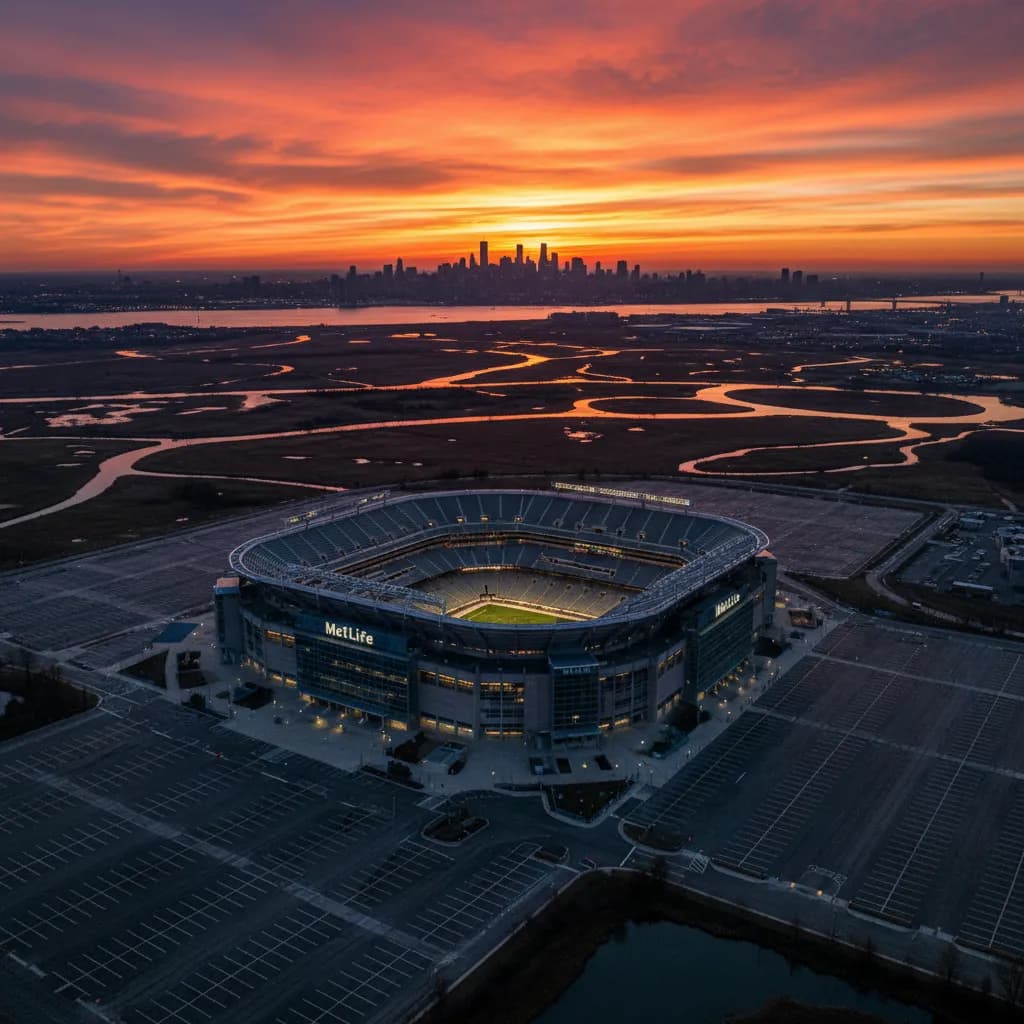
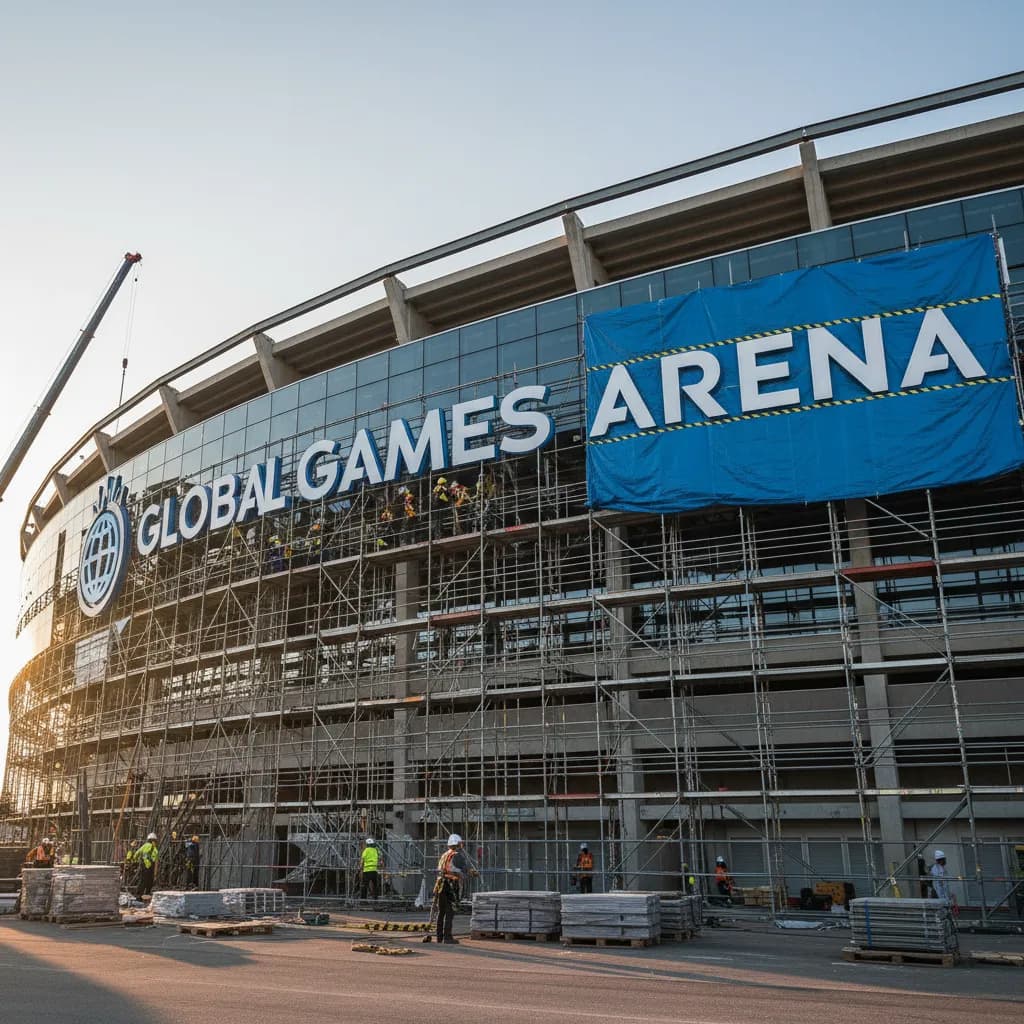
On June 1, 2026, MetLife Stadium officially became New York New Jersey Stadium. The temporary rebranding, required under FIFA's clean venue policy that prohibits non-FIFA sponsor branding during the tournament, transformed one of America's most recognizable sporting venues into a neutral canvas for the world's biggest event. The name change — the first time a Super Bowl venue has been rebranded for a non-NFL event — generated headlines not for its novelty but for what it symbolized: football, not American football, was now the biggest show in the New York metropolitan area.
Heading to MetLife for the final? Text Karpo for stadium guides, transportation tips, and everything you need for match day.
The Clean Venue Policy Explained
FIFA's clean venue policy requires all World Cup host stadiums to remove non-FIFA sponsor signage, naming rights branding, and any commercial messaging that conflicts with FIFA's official partners. For MetLife Stadium — where MetLife Insurance pays approximately $17 million annually for naming rights — the policy required covering or removing more than 3,000 individual pieces of branded signage, replacing field-level advertising boards with FIFA sponsor messaging, and temporarily modifying the stadium's exterior lighting to remove the MetLife green color scheme. The cost of the temporary transformation, estimated at $12 million, was shared between FIFA and the local organizing committee.
Capacity and Configuration for the Final
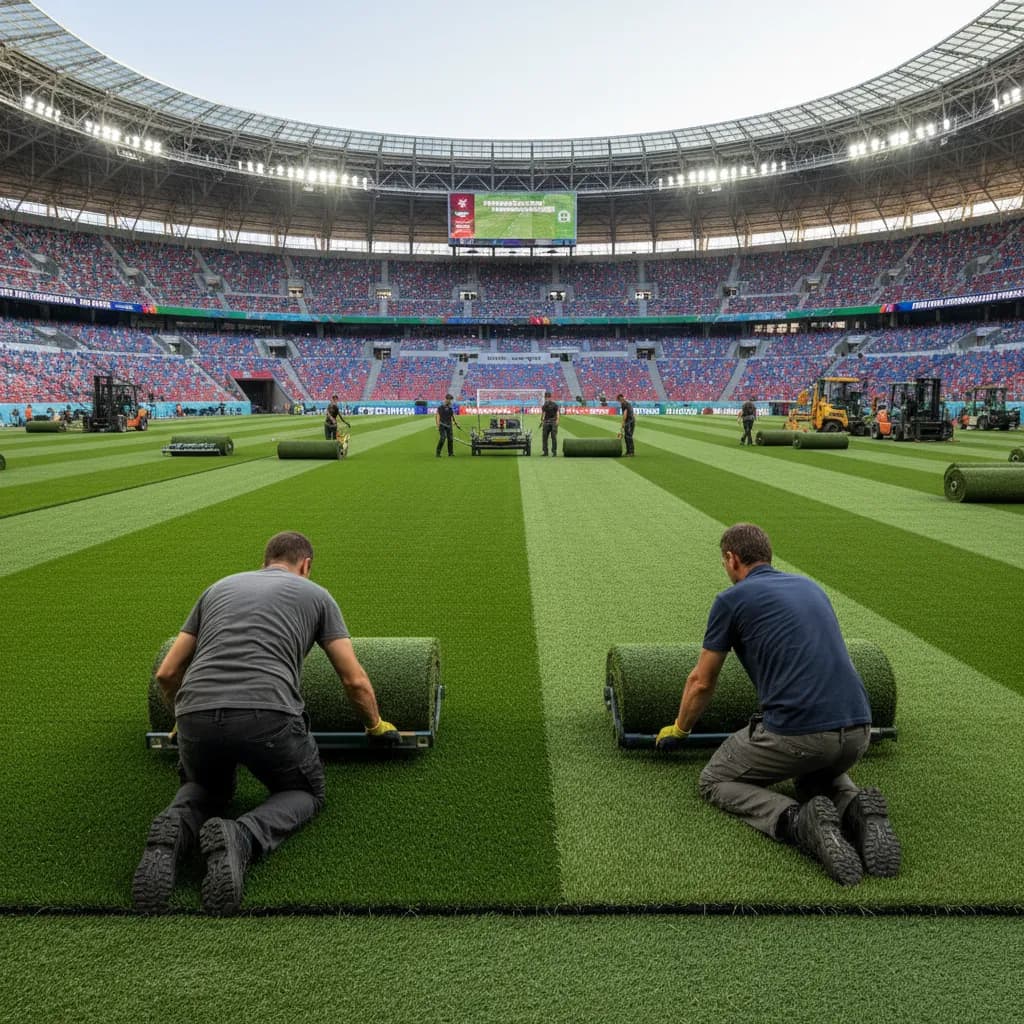
New York New Jersey Stadium has been configured to seat 82,500 spectators for the World Cup Final — its maximum capacity for a soccer configuration that uses the full length of the pitch. The venue's retractable end zones, designed for NFL football, have been extended to accommodate the larger soccer pitch dimensions, creating a playing surface that measures 105 x 68 meters — the maximum allowed under FIFA regulations. The pitch itself was laid six months before the tournament and has been maintained by a team of 15 groundskeepers working 18-hour shifts throughout the competition.
Transportation Infrastructure
The logistics of moving 82,500 people to a venue located in the New Jersey Meadowlands — an area with limited public transportation infrastructure compared to Manhattan — have been one of the organizing committee's greatest challenges. Special World Cup train services have been added to NJ Transit's Meadowlands line, running every 8 minutes from Secaucus Junction for 4 hours before and after each match. FIFA has also operated a dedicated bus service from Times Square, with a journey time of approximately 45 minutes (though this has extended to over 2 hours on match days due to traffic). The transportation challenges have drawn criticism from fans and media, who have noted that a venue in Manhattan would have been more accessible.
The Final: A Global Event
The World Cup Final at New York New Jersey Stadium on July 19 will be watched by an estimated 1.5 billion television viewers worldwide — the largest single-event audience in broadcasting history. The venue's location — in the Eastern Time Zone, accessible to European evening audiences and Asian morning audiences — maximizes global viewership potential. The kickoff time (3 PM ET / 9 PM CET / 4 AM JST) has been optimized for European audiences, reflecting the commercial reality that European broadcasting rights generate the majority of FIFA's tournament revenue.
Economic Impact on the Region
The World Cup's impact on the New York/New Jersey metropolitan area has been transformative. The New York City Comptroller's office estimates that World Cup-related economic activity has generated $2.4 billion in direct spending across the region during the tournament, with hotels, restaurants, transportation, and retail benefiting most significantly. Hotel occupancy rates in Manhattan have averaged 96 percent during World Cup weeks — higher than any previous non-holiday period — and average daily room rates have increased by 34 percent compared to the same period in 2025.
What the Final Means for American Soccer
Hosting the World Cup Final in the New York metropolitan area represents the culmination of a 30-year effort to establish football as a mainstream American sport. When the United States hosted its first World Cup in 1994, the Final was played at the Rose Bowl in Pasadena — 2,800 miles from the country's media capital. The decision to award the 2026 Final to New York/New Jersey — over competing bids from Dallas and Los Angeles — was a statement by FIFA that American football culture had matured sufficiently to host the sport's most important event in the world's most important media market.
Tags: MetLife Stadium, New York New Jersey Stadium, World Cup Final, World Cup 2026, clean venue, rebranding, East Rutherford, capacity, transportation, FIFA
Sources consulted: ESPN · The Athletic · FIFA.com · NJ.com
All trademarks, team names, league names, and player likenesses mentioned in this article are the property of their respective owners and are used here for informational and editorial purposes only.
Ask Karpo First
Attending the World Cup Final? Ask Karpo for transportation guides to New York New Jersey Stadium, the best hotels near the Meadowlands, and a minute-by-minute guide to Final day logistics.