 Haaland Has Seven Goals and Norway Runs Entirely Through Him
⚽️2026 FIFA WORLD CUP
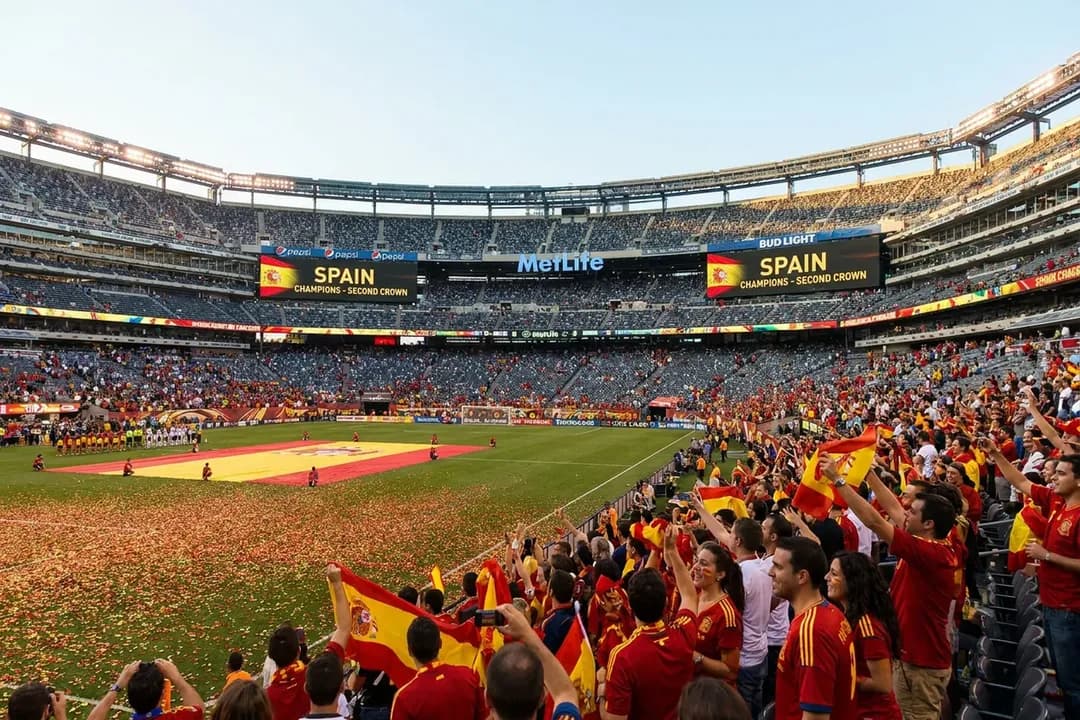
MetLife Stadium Became the Stage for Spain’s Second Crown
Spain’s 1-0 extra-time win over Argentina gave the East Rutherford venue a defining World Cup final. Here is how metlife stadium framed the last act of the tournament.
MetLife Stadium became the center of world football on July 19, when New York New Jersey Stadium in East Rutherford hosted the World Cup final at 3 p.m. ET. Spain defeated Argentina 1-0 after extra time, turning the venue into the backdrop for Spain’s second crown and giving the New York City region one of its biggest sporting moments. Before the match, FIFA described expected attendance as over 80,000, underscoring the scale of the occasion without confirming a final count. For travelers, fans, and locals, the story now extends beyond the scoreline to the stadium, the setting, and the memories built around them.
Text Karpo if you want a personalized final-recap plan built around metlife stadium, whether you are reliving Spain’s win, planning a celebration with friends, choosing a postmatch food route, or turning the New York City area into a football-themed day.
Why East Rutherford Owned the Final Spotlight
The final’s location mattered because it placed the decisive match in East Rutherford while tying it to the broader New York City identity. Officially presented for the tournament as New York New Jersey Stadium, the venue is widely known to fans as MetLife Stadium, a name that carries immediate recognition in North American sports. That dual identity helped define the final’s atmosphere: a suburban stadium site serving a global audience drawn to one of the world’s most recognizable metropolitan regions.
Spain’s 1-0 victory over Argentina after extra time gave the building a result that will stay attached to its World Cup history. The match did not need inflated details to become significant. Its confirmed basics are powerful enough: July 19, 3 p.m. ET kickoff, East Rutherford, Spain over Argentina, and a final settled only after regulation could not separate the teams. For venue-focused fans, that is the framework that turns a stadium from host site into a historical landmark.
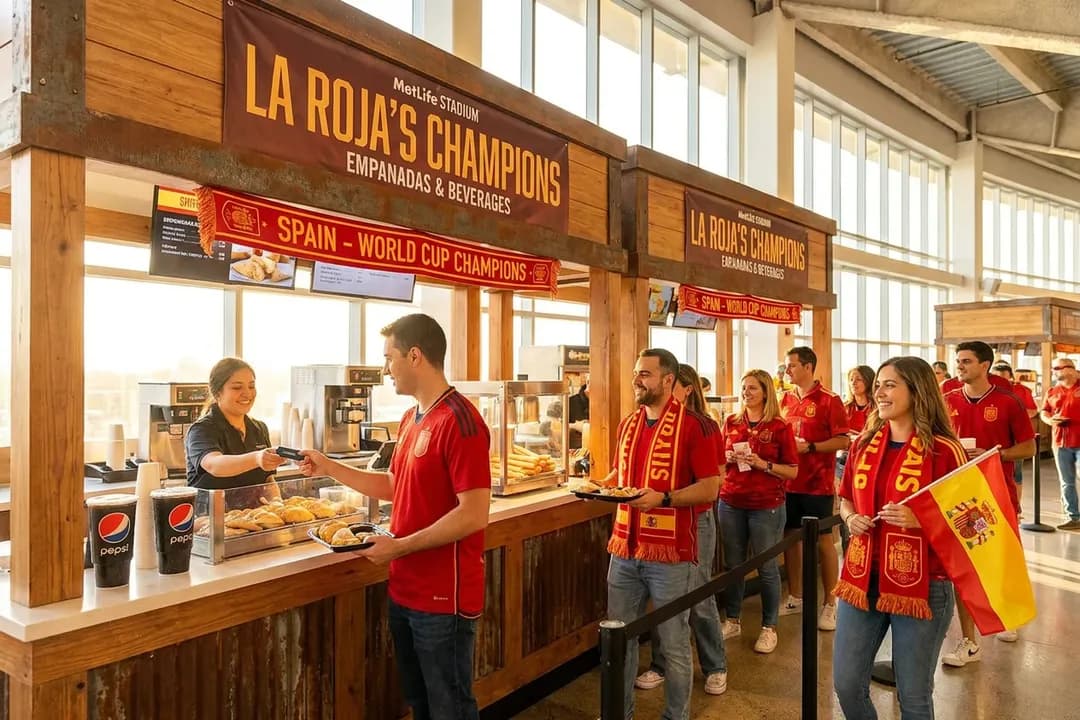
The Stadium Context Behind Spain’s Second Crown
MetLife Stadium is often discussed through its size, visibility, and role in the region’s major-event calendar, but the final gave it a different kind of meaning. Instead of functioning merely as a large venue, it became the frame for a national team milestone. Spain’s second crown was not just won somewhere in North America; it was won at the East Rutherford stadium selected to stage the tournament’s last match.
That distinction matters for anyone building a postfinal guide. The stadium context helps fans understand why the result will be remembered through place as much as through score. A 1-0 extra-time final has a spare, dramatic shape, and the venue becomes part of that shape. For Spain supporters, Argentina fans, neutrals, and local residents, the memory is anchored by the same physical point: the New York New Jersey Stadium stage.
What the Verified Result Tells Future Visitors
The confirmed result is simple, but it offers a clean starting point for future visits: Spain beat Argentina 1-0 after extra time. Fans returning to the area can build their own recap around that fact without needing unverified details about attendance, logistics, or match incidents. The final’s importance is already clear from the scoreline and timing, because an extra-time World Cup final naturally creates the kind of tension that defines a venue’s legacy.
For travelers, the verified facts also help separate memory from rumor. The match was held July 19 with a 3 p.m. ET kickoff, and FIFA had described expected attendance as over 80,000 before the match. That expectation speaks to the intended scale, but it should not be treated as a final attendance figure. A good guide keeps the line sharp, giving fans confidence that the story they retell is accurate.
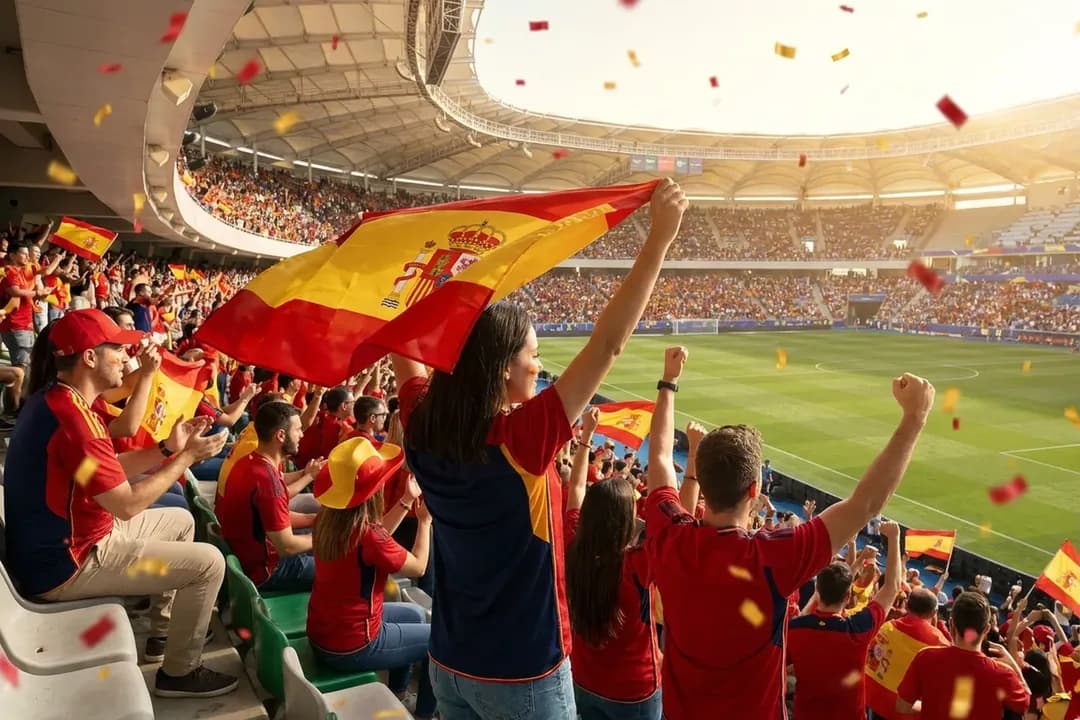
How to Read the Venue After the Final
A venue-focused postfinal visit is less about chasing invented behind-the-scenes details and more about reading the stadium through what is known. MetLife Stadium can now be understood as the place where Spain completed a 1-0 extra-time final win over Argentina. That gives the building a new layer for international fans who may have previously associated it mainly with American football, concerts, or major regional events.
The surrounding region also changes the way the final is remembered. East Rutherford is the host location, while New York City provides the larger cultural pull for visitors planning a football weekend or retrospective trip. That combination lets fans design their own experience around the venue without pretending the stadium sits in Manhattan. The exact geography is part of the story: New York New Jersey Stadium in East Rutherford, connected to a global city’s spotlight.
A Postfinal Guide Without Unverified Extras
The safest way to celebrate the match is to keep the recap grounded. Spain won 1-0 after extra time. Argentina was the opponent. The final was played July 19 in East Rutherford with a 3 p.m. ET kickoff. FIFA had expected more than 80,000 spectators before the match, but no final attendance should be assumed from that statement. Those boundaries do not weaken the guide; they make it reliable.
That reliability is especially important because major finals quickly attract details that sound plausible but are not confirmed. Operational changes, exact crowd numbers, entertainment moments, travel disruptions, and match statistics should not be added unless verified. Fans do not need them to appreciate the occasion. The essentials already carry weight, especially when the venue is the focus. A precise guide gives readers a clean memory map instead of a cluttered legend.
Turning the Final Into a Local Plan
For fans in the New York City area, the final can become the starting point for a local celebration rather than just a match result. A Spain-themed gathering, a neutral football night, or a food-focused recap can all be built around the same verified story. The key is to connect the stadium setting with personal plans, whether that means meeting friends, revisiting favorite neighborhoods, or turning the final into a citywide conversation.
Visitors can also use the match as a reason to understand the region more clearly. East Rutherford provided the stadium stage, while New York City adds museums, restaurants, bars, parks, and neighborhoods that can shape a broader football trip. The result gives the itinerary its theme, but the place gives it texture. Spain’s second crown belongs in the record book, and metlife stadium now belongs in the memory of that achievement.
Tags: #WorldCup2026
Sources consulted: FIFA final hub · Associated Press final report
All trademarks are the property of their respective owners.
Ask Karpo First
Text Karpo for a personalized metlife stadium final recap, celebration idea, food route, or New York City area plan built around Spain’s win.
Ask Karpo for more information.
Keep reading
- Haaland Has Seven Goals and Norway Runs Entirely Through Him
 World Cup Trophy Ceremony Timing Medals and Postmatch Celebrations
 Olise and France's Attack: The Semifinal Tactical Question