Interest in meteor shower august 12 can become a practical free-night plan when weather, park access, darkness, and late transit are checked first. The annual Perseid meteor shower is set to peak on August 12, offering a celestial spectacle visible across the Northern Hemisphere. For New Yorkers looking to experience this event, public parks provide accessible viewing opportunities. While the city's light pollution presents a challenge, strategic preparation can significantly enhance the experience. This guide focuses on practical considerations for stargazing in NYC, ensuring a safe and enjoyable night under the stars. Understanding local park regulations, checking weather forecasts, and practicing low-light etiquette are crucial steps for anyone planning to observe the meteor shower from within the five boroughs.
Prepare for your urban stargazing adventure with these essential tips.

Understanding NYC Light Pollution and Viewing Conditions
New York City's dense urban environment and extensive light pollution pose significant hurdles for stargazing. The sheer amount of artificial light scattered into the atmosphere makes fainter celestial objects, including many meteors, difficult to discern. However, the Perseid meteor shower is known for its bright fireballs, which can still be visible even under less-than-ideal conditions. Finding a location with an unobstructed view of the night sky, particularly towards the northeast where the Perseids originate, is key.
To maximize your chances, seek out the darkest areas within NYC's public parks. While true dark skies are impossible within city limits, locations further from major thoroughfares and brightly lit buildings will offer a comparatively better experience. Allow your eyes at least 20-30 minutes to adapt to the darkness for optimal night vision. This process significantly improves your ability to see fainter meteors.
Official sky condition checks are vital. Organizations like the National Weather Service provide detailed forecasts for cloud cover, which is the primary natural obstruction for stargazing. Checking these resources closer to August 12 will help determine the best possible viewing window. Remember that even scattered clouds can obscure parts of the sky, so a clear forecast is highly desirable.
Navigating NYC Parks for Stargazing
NYC Parks offer numerous public spaces suitable for stargazing, provided visitors adhere to park rules. While many parks close at dusk, some larger parks or designated areas may have extended hours or specific regulations for nighttime access. It is crucial to consult the official NYC Parks website (nycgovparks.org) for specific park hours and any special permits or rules that might apply to nighttime activities in your chosen location.
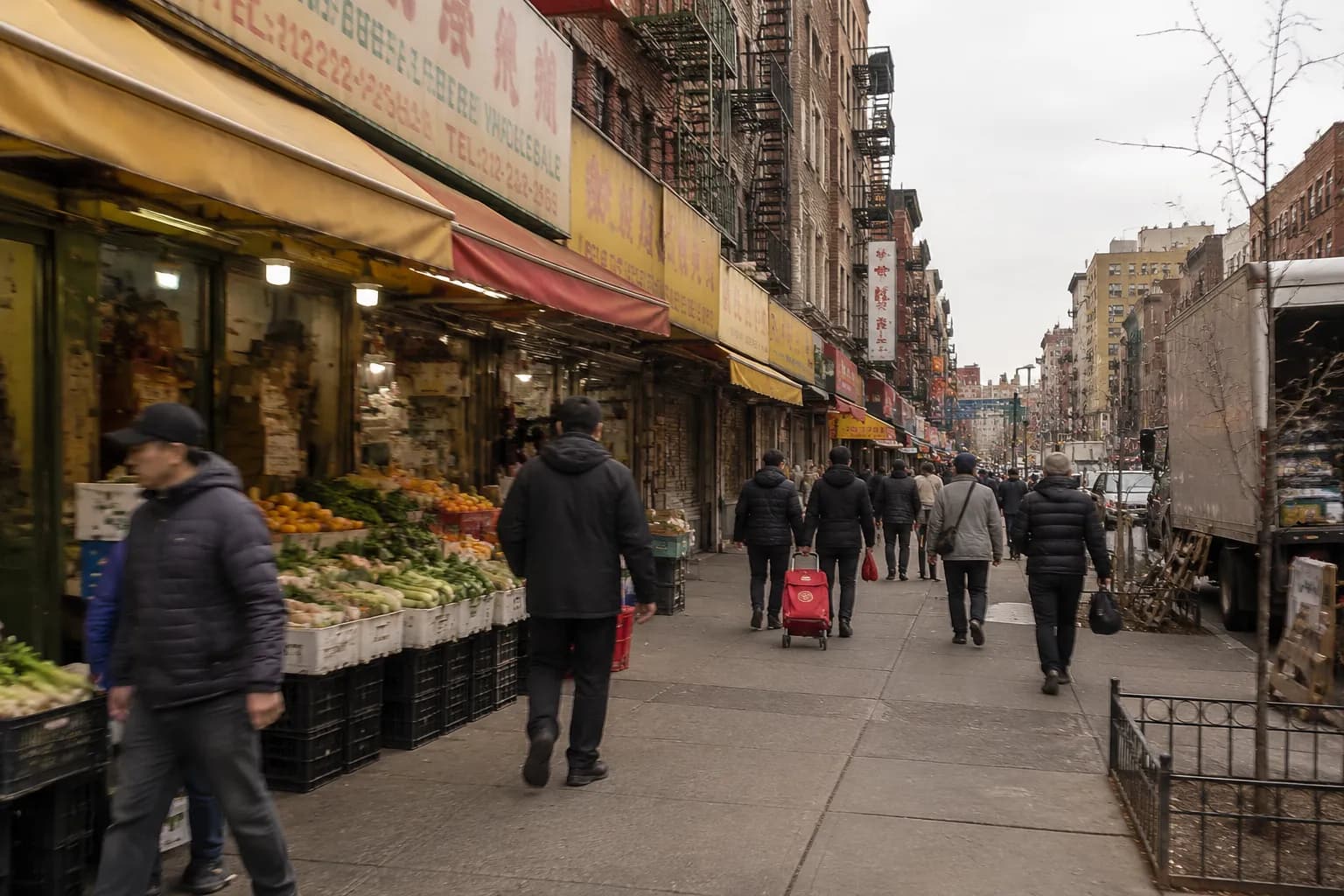
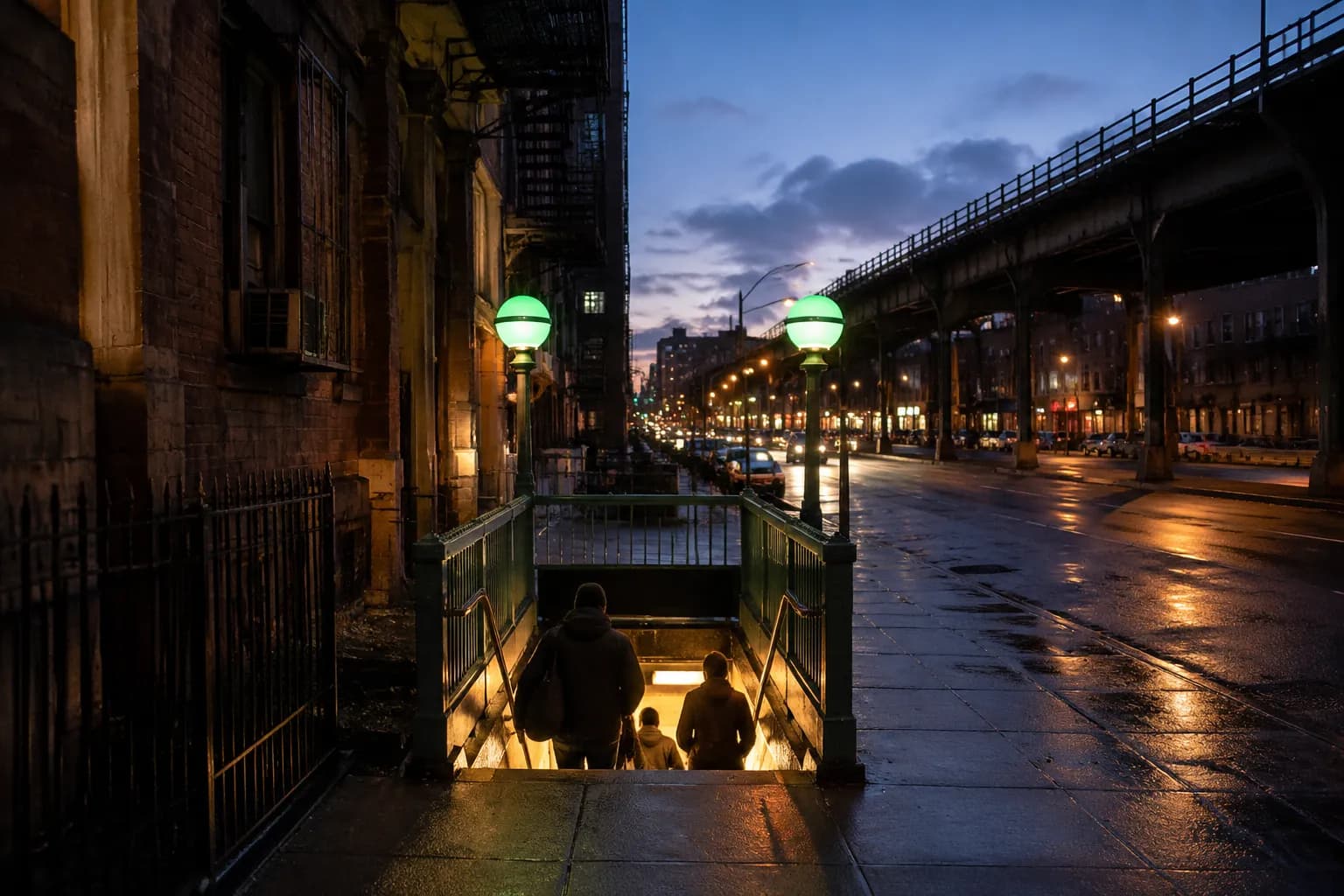
When selecting a park, consider accessibility via public transit. The MTA (new.mta.info) provides comprehensive schedules and route maps for subways and buses, which can be essential for reaching parks further afield without a car. Plan your return journey in advance, as late-night service may be less frequent. Choose well-lit routes to and from transit stops for safety.
Focus on open fields or waterfront areas within parks, as these typically provide wider views of the sky. Avoid areas with dense tree cover or tall buildings that might obstruct your line of sight. Always respect park property and fellow visitors, ensuring your presence does not disrupt the natural environment or other park users.
Weather Preparation and Comfort
August weather in New York City can be unpredictable, ranging from warm and humid to surprisingly cool in the late evening. Checking the weather forecast for temperature, humidity, and potential for rain is essential. Dress in layers to adapt to changing conditions throughout the night. Even on a clear night, temperatures can drop significantly after sunset, so bringing a light jacket or blanket is advisable.
Consider bringing a portable chair or blanket for comfortable viewing, as you may be spending an extended period looking upwards. Ground moisture can also be a factor, especially in grassy areas, so waterproof seating can enhance comfort. Hydration is also important; bring water, but avoid glass containers in parks where they might be prohibited.
In case of inclement weather, such as heavy cloud cover or rain, have a backup plan. The Perseid meteor shower is an annual event, and while the August 12 peak offers the highest meteor count, some activity can be observed in the days surrounding the peak. If the weather is uncooperative, consider alternative dates or explore online resources that may stream the event from clearer locations.
Low-Light Etiquette and Equipment
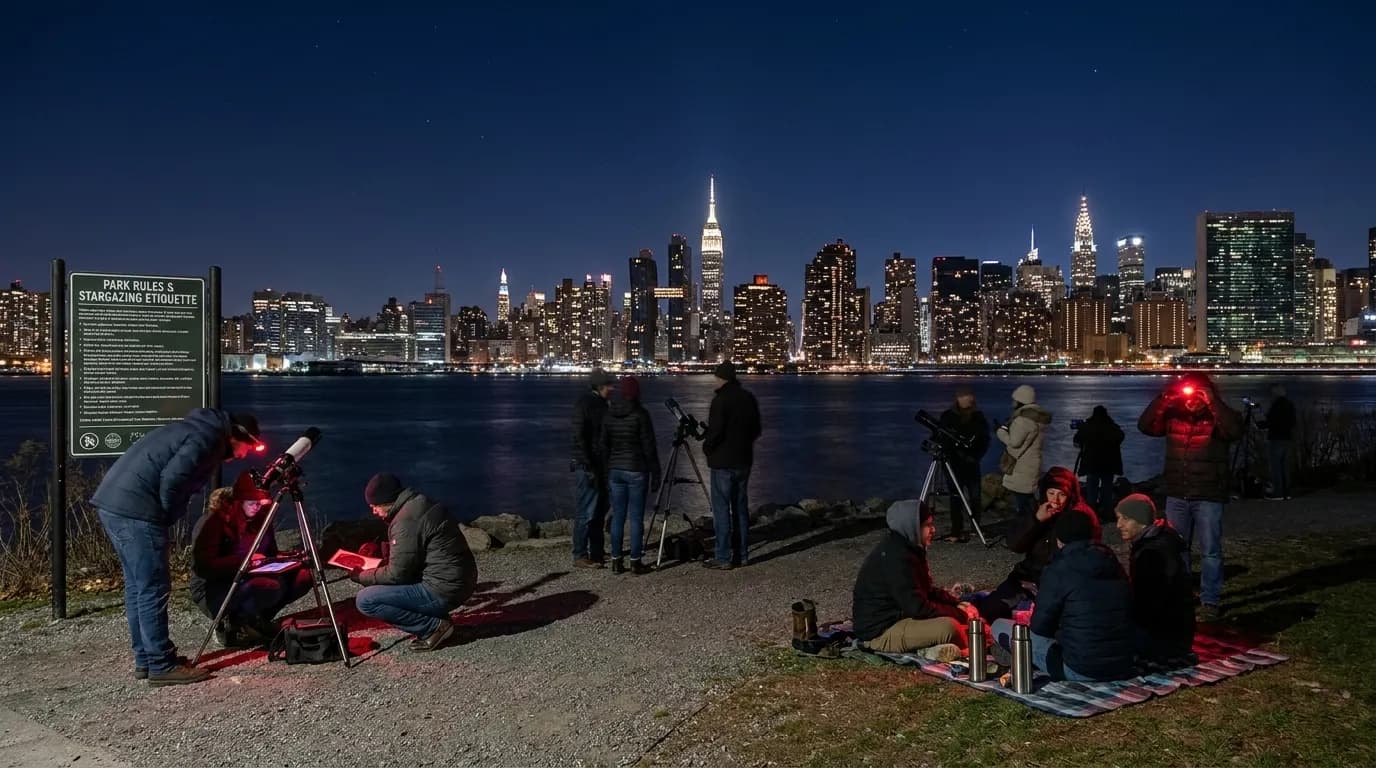
Practicing low-light etiquette is paramount for an enjoyable stargazing experience for everyone. Avoid using bright white flashlights or phone screens, as these can disrupt your own night vision and that of others. If illumination is necessary, use a flashlight with a red-light setting or cover a standard flashlight with red cellophane. Red light has less impact on night vision.
When using your phone, dim the screen brightness to its lowest setting and consider using a red-light filter app. Minimize screen time as much as possible. Be mindful of others around you; avoid loud conversations or disruptive noises that could detract from the peaceful atmosphere of stargazing. Remember that sound travels further in quiet, open spaces.
While specialized equipment is not necessary to see the Perseids, a pair of binoculars can enhance the view of brighter meteors and other celestial objects. If bringing equipment, ensure it is secure and does not obstruct pathways or pose a tripping hazard. Always pack out everything you bring in, leaving no trace behind.
Accessibility and Safety in Public Spaces
When planning your stargazing outing, consider accessibility for all participants. Many NYC parks have paved pathways and accessible entrances. Check the NYC Parks website for specific accessibility information regarding your chosen park. If you or someone in your group has mobility concerns, identifying accessible viewing spots in advance is crucial.
Personal safety is a top priority when spending time in public parks after dark. Travel with a companion or in a group whenever possible. Inform someone of your plans and expected return time. Stick to well-trafficked areas and avoid venturing into secluded or unlit sections of the park, even if they appear to offer darker skies.
Be aware of your surroundings and keep valuables out of sight. While NYC parks are generally safe, exercising caution is always advisable. If you encounter any issues or feel unsafe, contact park security or the NYPD immediately. NYC Tourism (nyctourism.com) also offers general safety tips for visitors to the city, which are applicable to residents as well.
Verifying Sky Conditions and Fallback Options
Before heading out, perform a final check of sky conditions. Websites like the National Weather Service provide real-time cloud cover maps and forecasts that are more accurate closer to the viewing time. Look for forecasts indicating minimal cloud cover and good atmospheric transparency. The clearer the sky, the more meteors you are likely to see.
If local conditions are unfavorable, consider online alternatives. Many astronomy organizations and observatories worldwide host live streams of meteor showers, often from locations with pristine dark skies. These virtual events can be an excellent fallback option, offering high-quality views without the need to contend with urban light pollution or adverse weather.
Remember that meteor showers are natural phenomena, and viewing success can vary. Even with perfect preparation, factors like sporadic cloud patches or unexpected light sources can impact visibility. Embrace the experience regardless, and appreciate the opportunity to connect with the night sky, even if the meteor count isn't as high as hoped for the meteor shower on August 12.

Practical notes
Always check official NYC Parks regulations for specific park hours and any restrictions on nighttime activities. Use the MTA website (new.mta.info) to plan public transportation routes to and from your chosen stargazing location, especially for late-night returns. Dress in layers and bring water for comfort. Use red-light flashlights or apps to preserve night vision. Prioritize personal safety by traveling with others and staying in well-trafficked areas. Verify weather and cloud cover forecasts closer to the viewing time. No special equipment is required, but binoculars can enhance the experience. Always pack out everything you bring in, leaving no trace.
Tags: #NYCStargazing #MeteorShower #Perseids #FreeNYC #NYCParks #August12 #StargazingTips #UrbanAstronomy #NightSky #PublicSpace #NYCGuide #FreeThingsToDo
Sources consulted: MTA · NYC Tourism · NYC Parks
All trademarks are the property of their respective owners.
Ask Karpo first
Do you have more questions about free activities or navigating public spaces in New York City? Our local experts are here to help you discover the best of NYC. Ask Karpo for tailored advice on exploring the city responsibly and safely.