 Where to Eat Near Penn Station That Isn't a Chain
US Open 2026
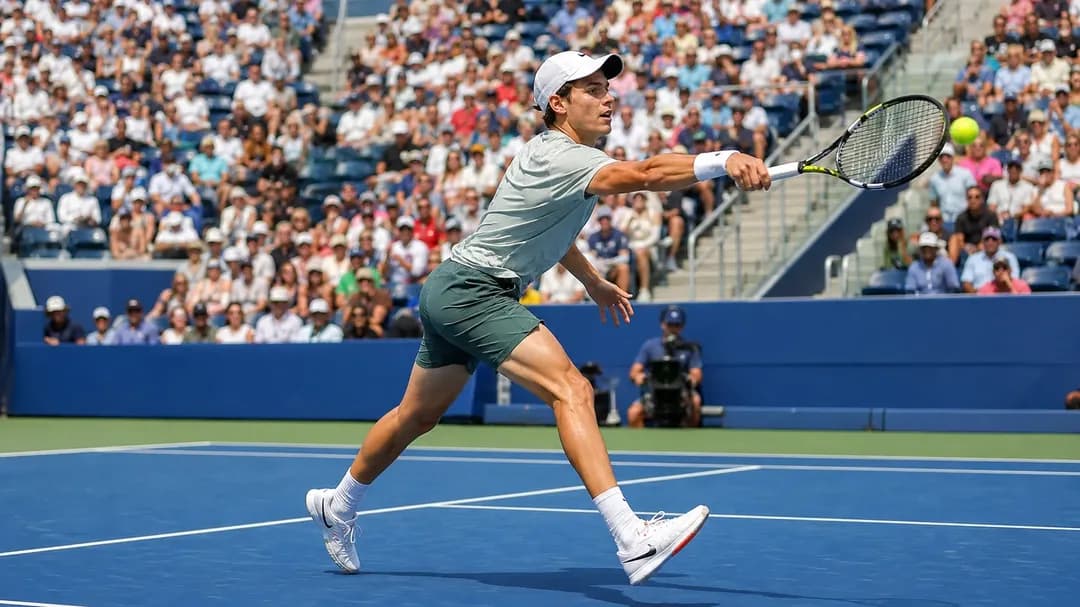
Men’s US Open Contenders Outside the Sinner-Alcaraz Spotlight
Beyond the two headline names, the men’s US Open picture is best read through serve patterns, court fit, pressure tolerance, and summer form clues.
The easiest way to discuss the men’s US Open is to start with Jannik Sinner and Carlos Alcaraz, then accidentally make everyone else sound like background noise. That misses how a hard-court major becomes complicated. The official US Open entry list, seedings, draw, and order of play should not be assumed before publication, so the smarter lens is conditional: if established contenders arrive entered, healthy enough to compete, and in rhythm, what type of problem do they create? New York rewards more than reputation. It rewards repeatable first-strike patterns, legs that survive heat and night-session humidity, return quality under scoreboard pressure, and the emotional skill to handle a crowd that can turn a routine hold into theater.
Text Karpo Now: Tell us what matters most for Men s US Open Contenders Outside, and Karpo can turn current US Open updates into a practical plan before you go.
Why Archetypes Matter
A Grand Slam draw is not a straight ladder of talent. It is a sequence of tactical exams. One player may be excellent against neutral baseliners but less comfortable when a left-hander drags him wide on serve. Another may look tidy in controlled conditions, then find that outdoor wind makes his toss and strike zone less reliable. At the US Open, those details matter because the courts generally reward players who can take initiative without becoming reckless.
That is why a contender landscape outside the Sinner-Alcaraz spotlight is best organized by tactical job description, not by premature predictions. Confirmed facts will come from the official tournament player list, draw, and daily schedule when they are released. Until then, the useful question is not who will meet whom, but which game styles usually travel well in New York.
Serve First Threats
The most obvious danger group is the serve-first power player: someone who can shorten sets, protect energy, and force tiebreaks against opponents who prefer long exchanges. If players with serving profiles like Daniil Medvedev, Alexander Zverev, Taylor Fritz, Ben Shelton, or Hubert Hurkacz are in the field and moving well, they do not need to dominate every rally to become a major problem. They need enough first serves, enough plus-one forehands or backhands, and enough return games that turn one loose service game into a set-changing opening.
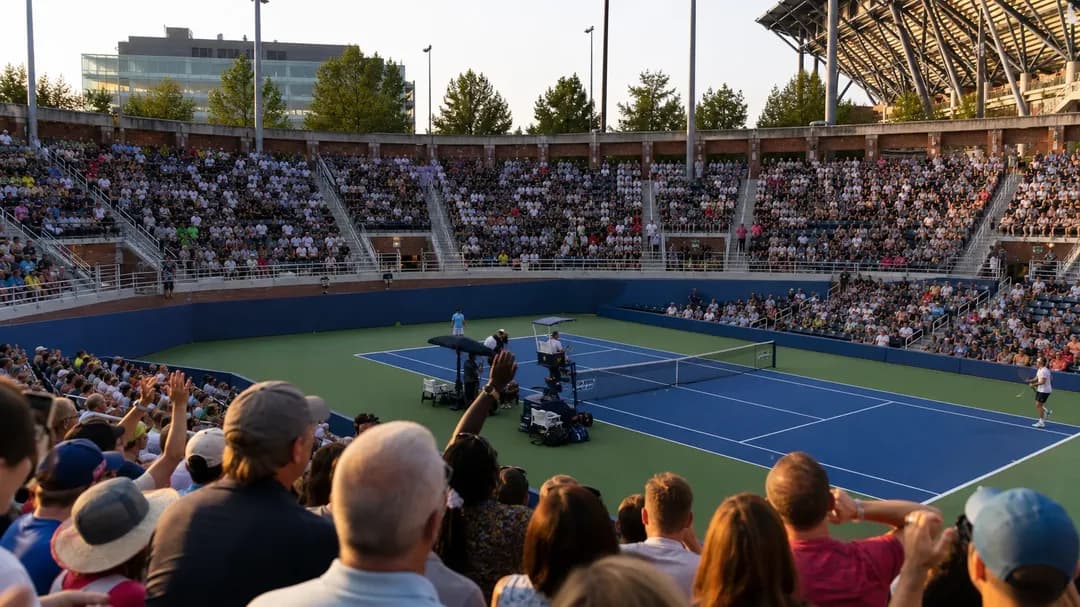
The hard-court fit is clear. A strong server can turn Arthur Ashe Stadium into a pressure chamber, especially when the crowd reacts loudly to aces and quick holds. But the US Open also exposes one-dimensional serving. A contender in this archetype must show he can reset after double faults, hit second-serve locations with conviction, and make enough returns from defensive positions. Watch whether he wins points behind the second serve without needing perfection.
- First-serve percentage when serving to stay in a set.
- Second-serve placement variety, not only pace.
- Return games that create repeated 30-all moments.
- Body language after a broken service game.
Baseline Pressure Builders
The second group is the baseline pressure builder, the player who does not simply rally but steadily takes time away. Think of contenders whose games are built on heavy depth, backhand reliability, and the ability to turn neutral balls into uncomfortable balls. If names such as Zverev, Andrey Rublev, Holger Rune, Casper Ruud, or Alex de Minaur are part of the tournament conversation, each would bring a different version of this idea. Some create pressure through weight of shot. Some through speed and redirection. Some through refusing to miss until the opponent overplays.
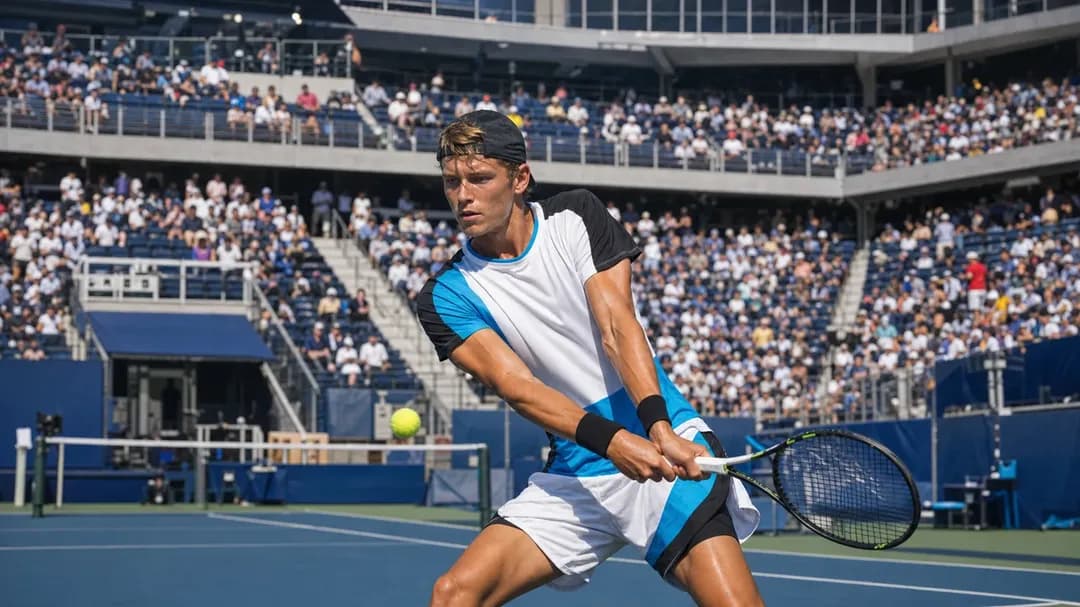
This archetype is easy to underrate because it can look less spectacular than a serving barrage. Over five sets, repeated depth can drain the legs and decision-making of a more explosive opponent. In New York, the key is whether that pressure holds when the ball gets heavy, the wind swirls, or the opponent mixes pace. A baseline builder must avoid becoming predictable crosscourt. The best version changes height, attacks the short ball decisively, and finishes at net when the court is open.
For fans watching the North American hard-court events before the US Open, the form signals are practical. Is the player earning short balls or merely waiting for errors? Is he protecting the backhand corner, or is he being pinned there? Is the forehand damaging enough on the run? Those clues are more useful than a single scoreline.
All Court Disruptors
The third category is the all-court disruptor, the player who changes the look of a match before the favorite settles into rhythm. This could include an aggressive returner who takes the ball early, a left-hander who opens unusual angles, a net rusher who steals time, or a veteran who reads patterns quickly. If players such as Novak Djokovic, Stefanos Tsitsipas, Frances Tiafoe, Grigor Dimitrov, Tommy Paul, or Shelton are relevant to the field discussion, the common thread is not identical style. It is the ability to make an opponent solve more than one problem.
Disruption matters at the US Open because momentum swings can be abrupt. A player who chips returns low, follows a forehand to net, or suddenly serves and volleys can make a rhythm baseliner feel rushed. The risk is execution. Variety only helps when it is attached to a reliable base. Drop shots, slices, and net approaches become liabilities if they are used to escape rather than to build points.
- Can he win points in more than one rally pattern?
- Does his net game finish points or merely add decoration?
- Can he absorb pace before changing direction?
- Does he choose variety before desperation sets in?
There is also a quieter profile: the endurance counterpuncher. This player may not be the first name on a marquee, but he can turn an attacking plan into a long physical argument. If someone with de Minaur’s speed, Paul’s athletic balance, or Ruud’s patience is in strong hard-court form, he can make an opponent hit extra winners in every service game. The warning sign is passivity. Defense becomes contention only when it creates offense, whether through a sudden backhand line, a quick forehand takeback, or a return that lands deep enough to neutralize the server’s first shot.
The takeaway is simple: do not treat the men’s field as a two-name movie with a supporting cast. Treat it as a set of tactical doors. A serve-first player can slam one shut in a tiebreak. A baseline pressure builder can make every rally feel slightly worse. An all-court disruptor can change rhythm before anyone gets comfortable. A counterpuncher can stretch a match until the cleaner hitter starts aiming too close to the lines. Once official tournament information is published, those archetypes can be mapped onto real opponents.
Practical Notes
For a New York tennis visit, use the official US Open player page to confirm the field once entries are posted, then check the tournament event schedule for session structure before making day-by-day plans. Do not build an itinerary around a presumed seed, court assignment, or night-session appearance before the order of play is released. For scouting, arrive early when grounds access allows you to watch practice rhythm: serve accuracy, return timing, and movement between points are easier to see up close. Day sessions can offer more matches across the grounds, while night sessions may deliver the biggest atmosphere. Bring patience for security lines, weather shifts, and long matches, because contender clues often appear before the famous names walk on court.
Tags: #USOpen2026 #Tennis #GrandSlam #NewYorkTennis #ArthurAsheStadium #FlushingMeadows #USOpenGuide #TennisFans #SportsTravel #HardCourt #NewYork #KarpoFinds
Sources consulted: usopen.org — Official reference · atptour.com — Official reference · usopen.org — Official reference
All trademarks are the property of their respective owners.
Ask Karpo first
Want to know what is confirmed, when to show up, and how to make men s us open contenders outside work for your day? Ask Karpo for current US Open updates, a respectful fan plan, and a live route around Flushing Meadows.
Ask Karpo for more information.
Keep reading
- Where to Eat Near Penn Station That Isn't a Chain
 Andytown Coffee in the Outer Sunset: The Snowy Plover Explained
- Best Things to Do in Chicago: What the City Gives Away