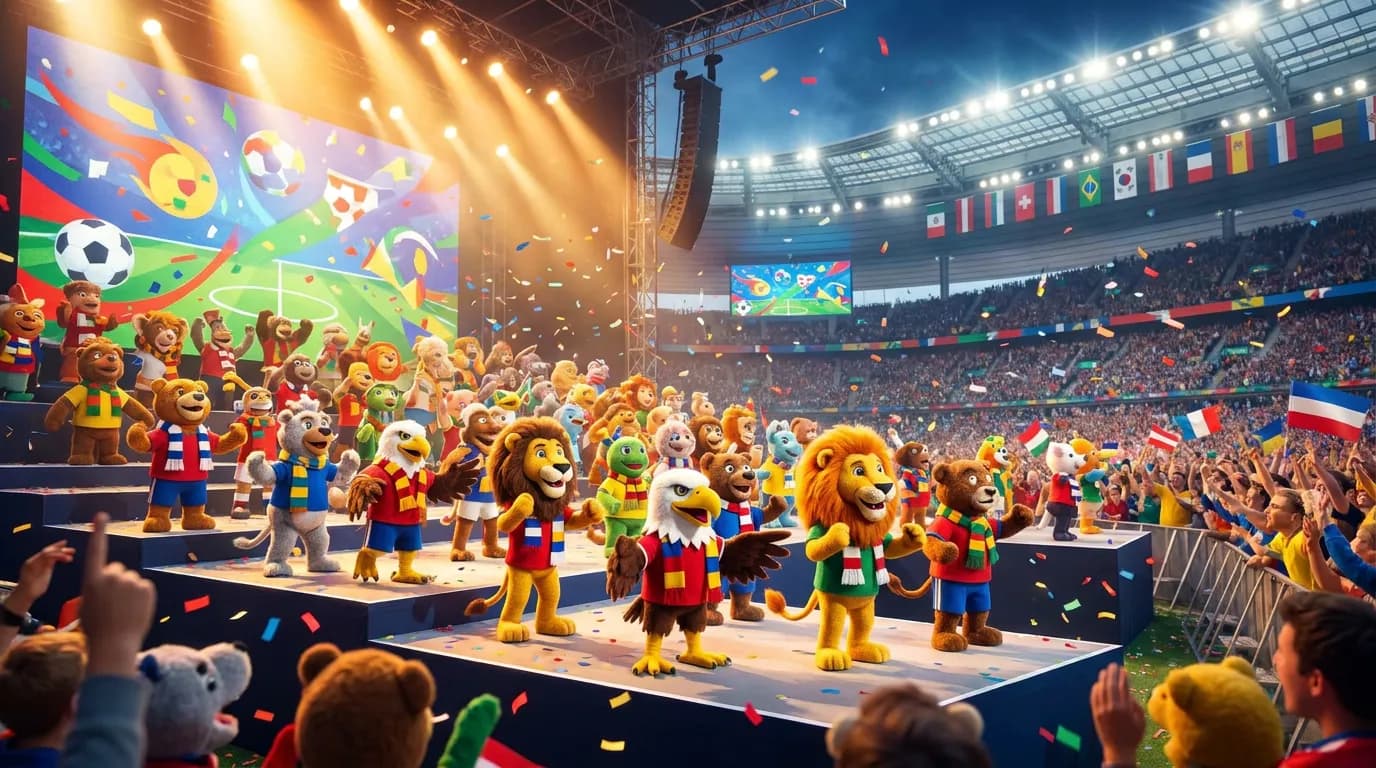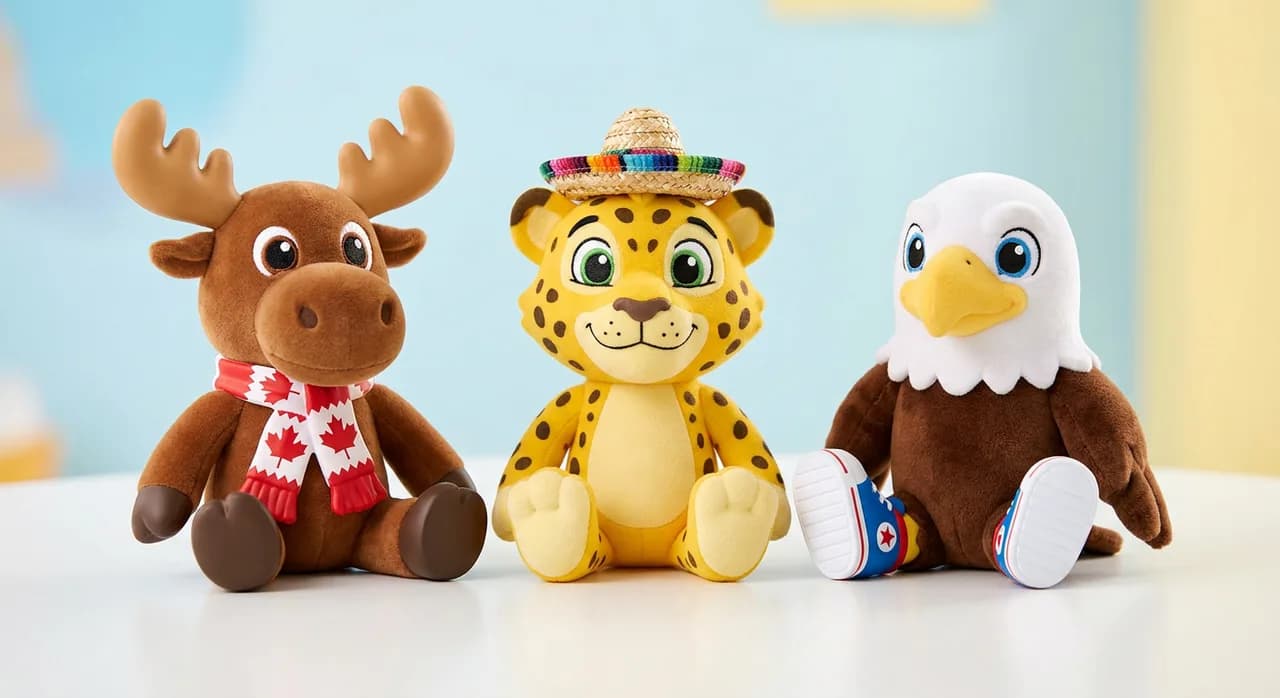
In a World Cup first, three mascots will represent three host nations when the 2026 tournament kicks off across North America. FIFA unveiled this unprecedented trio in 2022: Maple the moose from Canada, Zayu the jaguar from Mexico, and Clutch the bald eagle from the United States. Each mascot embodies their nation's spirit while symbolizing the unity required to stage football's biggest spectacle across 16 cities spanning three countries. As the tournament approaches, these characters have become more than promotional tools—they're cultural ambassadors bridging diverse fan bases from Vancouver to Mexico City to Miami, setting the stage for what promises to be the most geographically ambitious World Cup in history.
Three Nations, One Unified Vision
The decision to create three distinct mascots rather than a single unifying character reflects the complexity of the 2026 World Cup itself. This marks the first time since 2002's Japan-South Korea tournament that multiple countries will co-host, but never before have three nations shared hosting duties. FIFA's mascot selection committee faced the challenge of honoring each country's identity while maintaining tournament cohesion.
Maple, Zayu, and Clutch work as a collective unit in official marketing materials, often appearing together in promotional videos and merchandise. The design philosophy centered on creating characters that could stand alone in their respective countries while forming a recognizable trio internationally. Each mascot's color palette incorporates elements that complement the others, ensuring visual harmony across the tournament's branding.
Maple: Canada's Gentle Giant Takes Center Stage
Canada's mascot Maple draws inspiration from the country's most iconic animal while cleverly referencing its national symbol. The moose design features the distinctive red and white colors of the Canadian flag, with antlers shaped to subtly echo maple leaf patterns. Standing tall and approachable, Maple embodies the Canadian values of inclusivity and friendliness that organizers hope will welcome international visitors.
The choice of a moose carries deeper significance for Canadian football culture. Just as the moose represents strength and gentleness, Canada's national team has grown from underdog status to CONCACAF champions, qualifying for their first World Cup since 1986. Maple's design includes a soccer jersey bearing number 26, a nod to the tournament year, and the mascot frequently appears with a hockey stick in promotional materials, bridging Canada's sporting passions.
Zayu: The Jaguar's Ancient Power Meets Modern Football
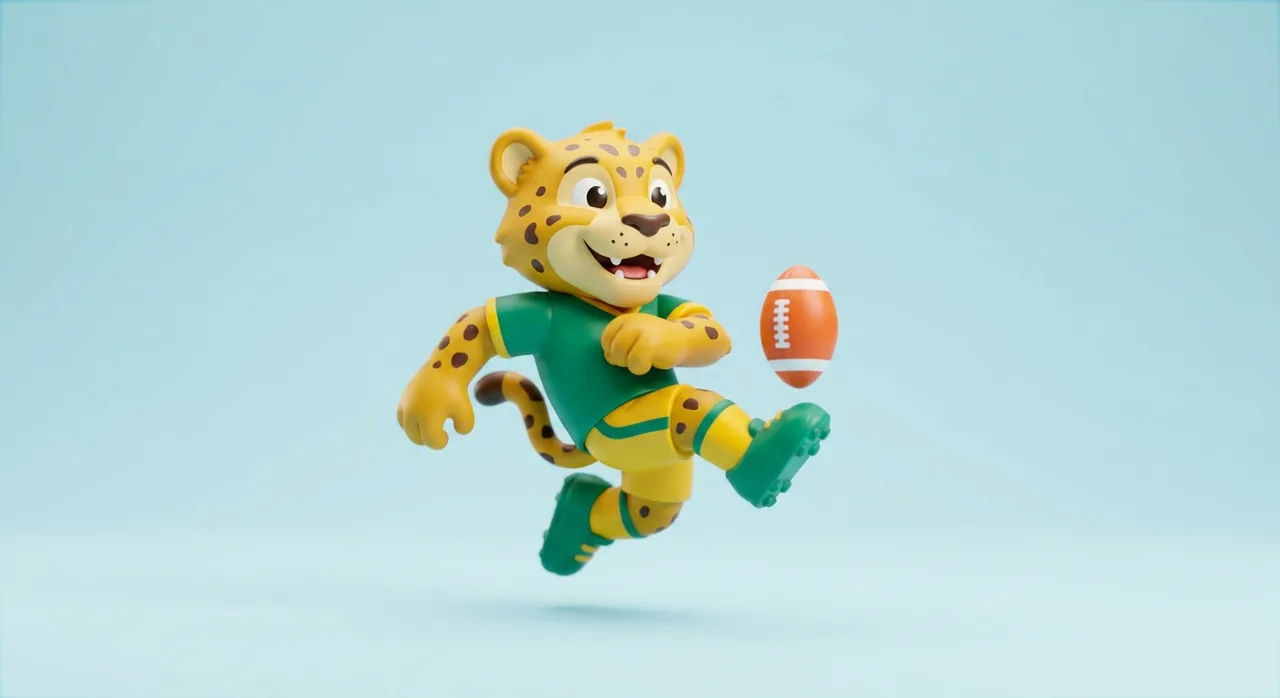
Mexico's jaguar mascot Zayu connects the tournament to the country's rich pre-Columbian heritage, where jaguars held sacred significance in Aztec and Maya cultures. The name "Zayu" derives from indigenous languages, honoring Mexico's cultural roots while the character's design incorporates traditional patterns and the vibrant greens and reds of the Mexican flag.
Zayu's muscular build and confident stance reflect Mexico's football prowess—El Tri has reached the World Cup Round of 16 in seven consecutive tournaments, a remarkable consistency that few nations can match. The jaguar's spots form subtle soccer ball patterns, while its jersey displays traditional Mexican artistic elements. In promotional appearances, Zayu often performs skills reminiscent of Mexico's technical playing style, embodying the creativity and flair that Mexican football fans cherish.
Clutch: American Ambition Soars on Eagle's Wings
The United States' bald eagle mascot Clutch represents American determination and the country's soaring football ambitions. Named for the "clutch moments" that define World Cup drama, this character wears the red, white, and blue with modern athletic styling that appeals to American sports culture. Clutch's design emphasizes dynamic movement, reflecting the high-tempo style that has characterized recent U.S. national team performances.
Clutch's marketing presence emphasizes the growing popularity of football in America, where MLS attendance has surged and the national team's young stars like Christian Pulisic and Weston McKennie have captured mainstream attention. The eagle's wingspan often displays messages about unity and competition, while its athletic build mirrors the physical, pressing style that defines American football under current coach Gregg Berhalter. The mascot's jersey number 1776 pays homage to American independence, connecting sporting achievement to national identity.
Cultural Impact Beyond the Pitch
The three mascots have generated significant merchandise revenue and social media engagement across all host nations. Maple leads in Canadian markets, where plush versions have become popular children's gifts, while Zayu dominates Mexican social media platforms with dance videos and skill demonstrations. Clutch has appeared at major American sporting events, from NFL games to NBA finals, building football awareness in traditional American sports strongholds.
Educational programs featuring the mascots have reached over 500,000 students across North America, teaching geography, culture, and football basics. The characters appear in multilingual content—English, French, and Spanish—reflecting the tournament's linguistic diversity. This cultural exchange extends beyond marketing, as each mascot has "visited" the other host countries in promotional campaigns, symbolizing the cross-border cooperation required for tournament success.
Practical Notes
Fans can find official mascot merchandise at FIFA's online store and at major sporting goods retailers across North America. Limited edition items featuring all three mascots together have become collector's items, particularly the friendship jersey series that combines design elements from each character. Mobile apps featuring mascot-themed games and augmented reality experiences are available for iOS and Android, allowing fans to interact with Maple, Zayu, and Clutch virtually. During the tournament, expect mascot appearances at fan festivals in all 16 host cities, with special events planned where borders meet, symbolizing the international cooperation that makes this unprecedented World Cup possible.
Tags: #WorldCup2026 #FIFA2026 #Maple #Zayu #Clutch #Canada #Mexico #USA #Soccer #Football #Mascots #NorthAmerica #WorldCupMascots #FIFA
Sources consulted: fifa.com · espn.com
All trademarks are the property of their respective owners.
Ask Karpo first
Want to keep following the World Cup 2026 story as it unfolds? Ask Karpo for a personalized bracket, live score alerts, and a match schedule tailored to your teams and your city.