Seven Goals and a Moral Stand
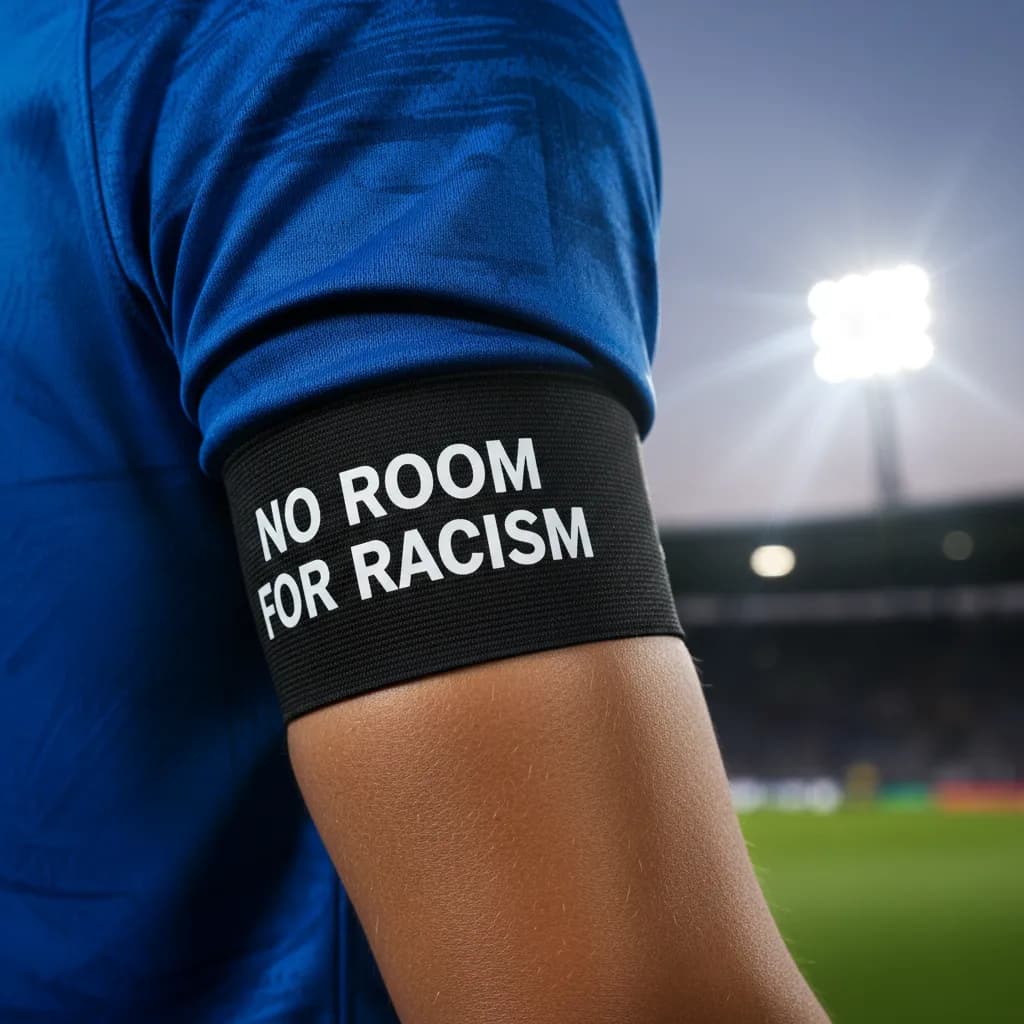
Kylian Mbappe's 2026 World Cup has been defined by two parallel narratives. On the pitch, he has scored seven goals in six matches — tying Haaland for second in the Golden Boot race behind Messi's eight. Off the pitch, he has confronted racism with a directness and moral clarity that has earned him admiration far beyond the footballing world. The two narratives have fed each other: Mbappe's on-field excellence has amplified his off-field platform, and his willingness to speak out has added emotional fuel to his performances.
Following Mbappe's tournament? Ask Karpo where to catch France's next match.
The Amarilla Incident
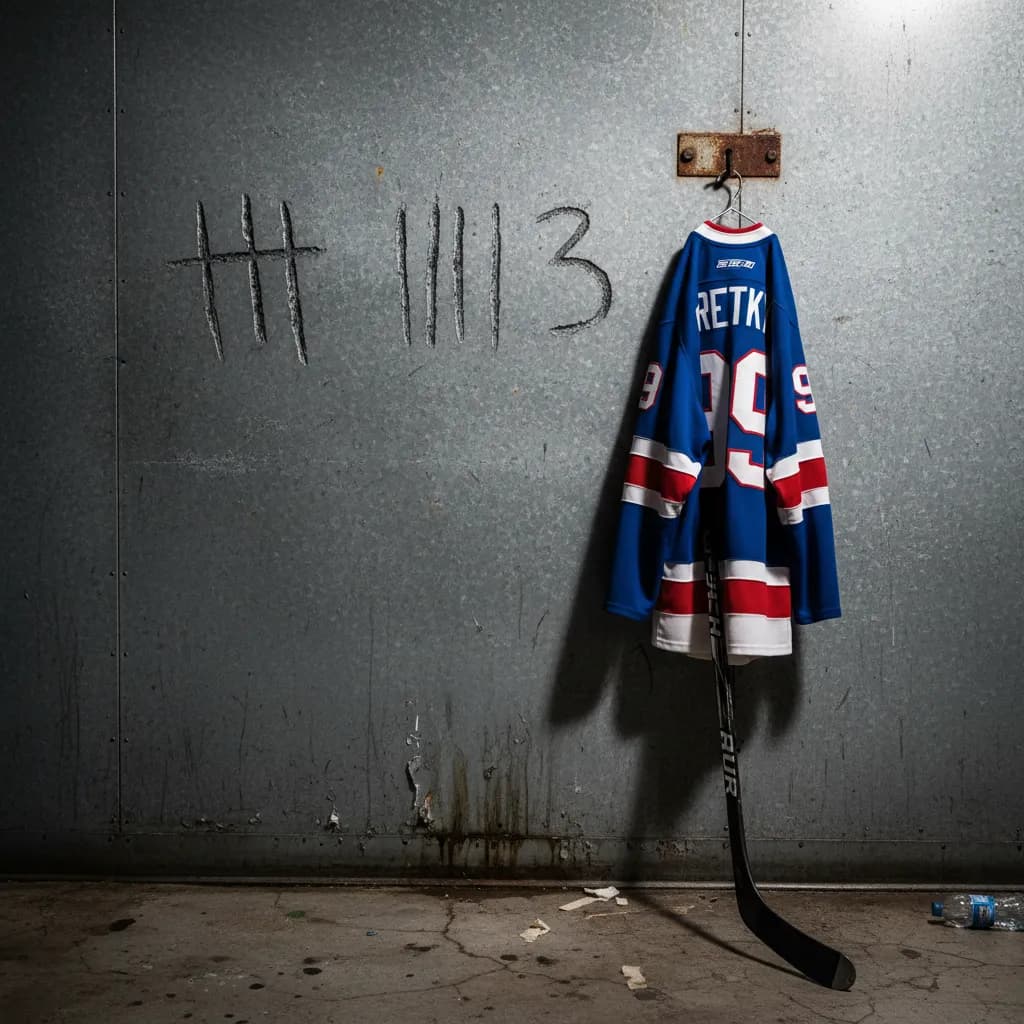
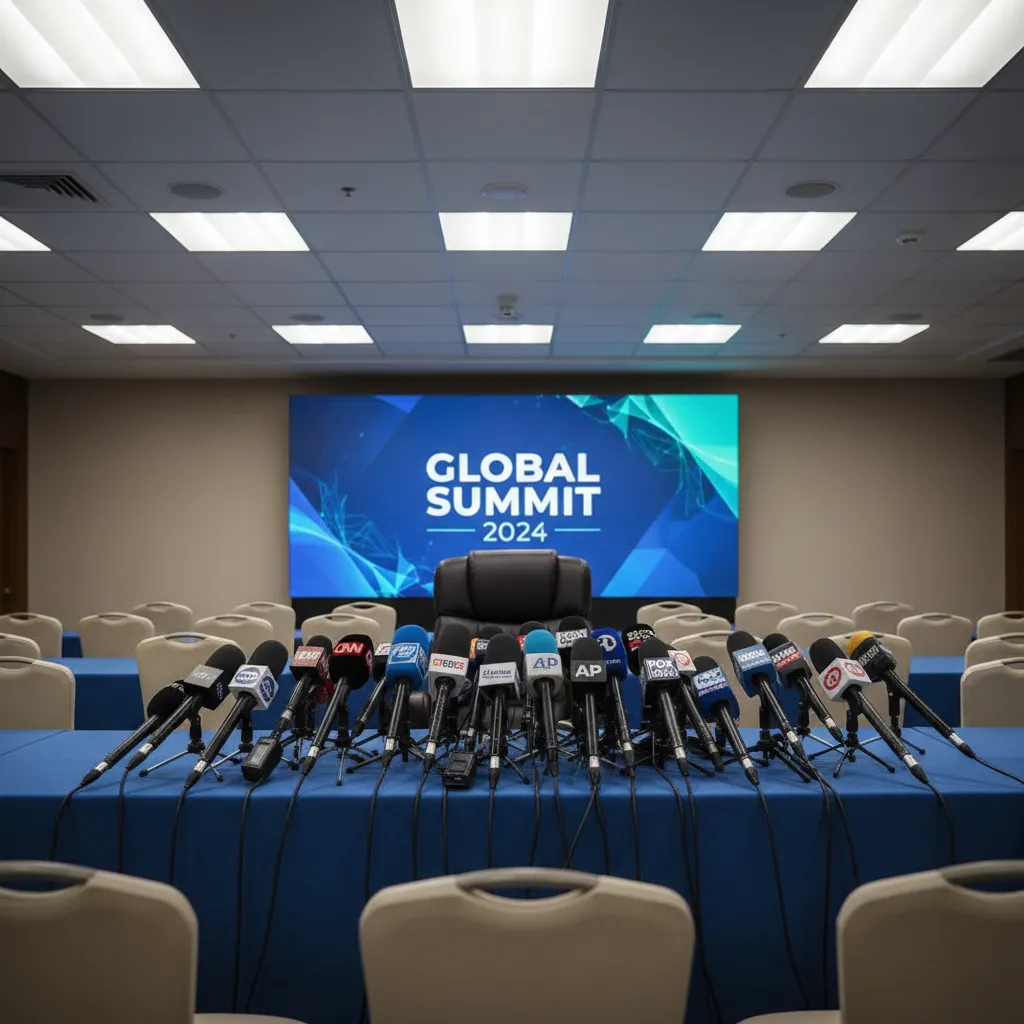
The controversy began after France's Round of 16 victory over Paraguay, when Paraguayan senator Lilian Amarilla posted remarks on social media that referenced Mbappe's race in derogatory terms. The post, which was deleted within hours but had already been screenshotted and shared millions of times, drew immediate condemnation from FIFA, the French Football Federation, and human rights organizations. Mbappe responded in his post-match press conference with controlled fury: "I will not repeat what was said. I will say this: in 2026, we should be beyond this. Football belongs to everyone. My skin color is not a topic for debate."
FIFA's Response and Beyond
FIFA issued a statement condemning "all forms of discrimination" and referred the matter to its disciplinary committee. The French government, through sports minister Amelie Oudea-Castera, announced that France would seek formal sanctions against Paraguay's football association. The incident prompted a broader conversation about racism in South American football — a topic that has surfaced repeatedly at the 2026 World Cup, including incidents involving Argentine fans directing racial abuse at Egyptian and Cape Verdean supporters.
The On-Field Response
Mbappe's response to the Amarilla incident was emphatic. In his first match after the controversy — the Round of 16 victory over Paraguay — he scored the winning penalty with the cold efficiency of a player channeling anger into excellence. His celebration was restrained: a finger to his lips, then a pointed look toward the camera. The gesture was interpreted as a direct message to his critics. Mbappe later confirmed that interpretation: "I let my football speak. That is the best response to hatred."
The Penalty Debate
While Mbappe's goal tally is impressive, critics have noted that four of his seven goals have come from penalties. The statistic has fueled a debate about whether Mbappe's tournament is as dominant as the raw numbers suggest. Supporters counter that penalties at World Cups are high-pressure situations that require mental strength and technical precision — qualities that Mbappe has demonstrated consistently. His open-play goals — a curling finish against Sweden, a solo effort against Australia in the group stage, and a volley against Algeria in the Round of 32 — have been of exceptional quality.
The Legacy Beyond Football
Mbappe's willingness to confront racism at the 2026 World Cup places him in a tradition of athletes who have used their platform for social justice. From Muhammad Ali's refusal to fight in Vietnam to Colin Kaepernick's kneeling protest to Marcus Rashford's free school meals campaign, the history of sport is enriched by athletes who recognize that their influence extends beyond the field of play. Mbappe, at 27, is the most recognizable footballer on the planet. His decision to use that recognition to fight discrimination may ultimately be remembered as his most important contribution to the 2026 World Cup.
Tags: Kylian Mbappe, racism, Paraguay senator, Amarilla, France, World Cup 2026, seven goals, anti-discrimination, Golden Boot, social justice
Sources consulted: ESPN · Al Jazeera · CBS Sports · FIFA
All trademarks, team names, league names, and player likenesses mentioned in this article are the property of their respective owners and are used here for informational and editorial purposes only.
Ask Karpo First
Want to follow Mbappe's goal tally or learn about anti-racism initiatives in football? Ask Karpo for the complete Golden Boot standings, FIFA's anti-discrimination policies, and France's quarterfinal preview against Morocco.