The Search Spike That Stopped a Continent
Within hours of France's quarterfinal victory in the Boston area, one phrase began climbing search charts faster than any result analysis or highlight reel: the fitness status of their most electric forward. It's a phenomenon that transcends sport—when a single player's name becomes shorthand for a nation's hopes, every training report, every warm-up jog, every ice pack becomes front-page news. The question isn't whether fans care; it's how deeply that care runs, and what it reveals about the modern tournament's narrative architecture.
Text Karpo Now: Get real-time match-day intel, tactical breakdowns, and the best watch-party spots in your host city—before kickoff.
France's path to the semifinals has been as much about tactical evolution as individual brilliance. Their quarterfinal win over Morocco showcased a side capable of adjusting shape mid-match, rotating pressing triggers, and exploiting width when central lanes closed. Yet the conversation keeps circling back to one position, one skill set, one explosive presence. That's the double edge of star power: it galvanizes belief and magnifies anxiety in equal measure.
As the squad prepares for either AT&T Stadium in Arlington or Mercedes-Benz Stadium in Atlanta—both venues purpose-built for scale and spectacle—the coaching staff faces a familiar calculus. Do you rest a key asset to guarantee availability for a potential final at MetLife Stadium on July 19, or do you lean on the player who can unlock a semifinal in a single moment? The answer lies somewhere between medical science and competitive instinct, and it's never as binary as the headlines suggest.
What Tactical Flexibility Actually Looks Like
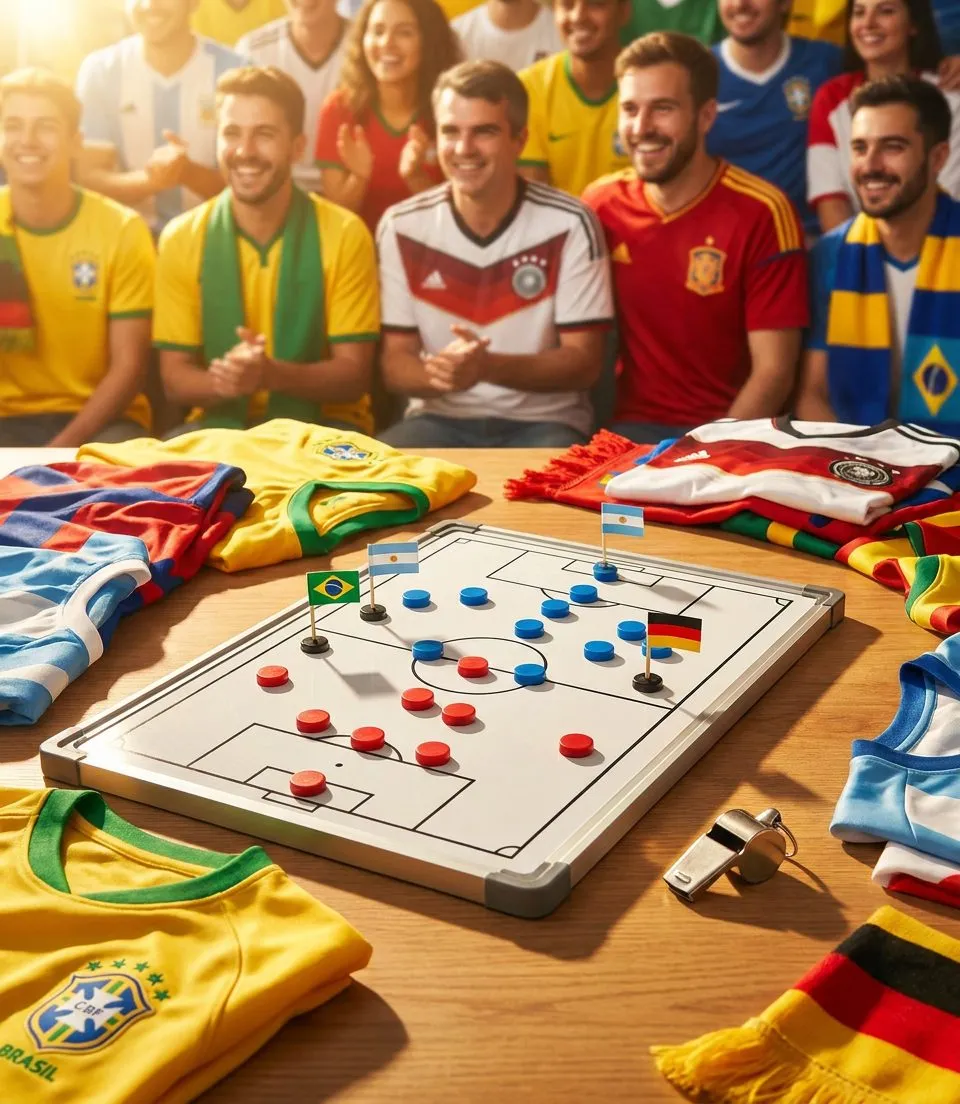
Strip away the drama and you're left with a practical question: how does a top-tier international side reconfigure when its primary attacking threat is unavailable or limited? France's depth chart offers more answers than most. Their forward rotation includes players comfortable drifting wide, dropping deep to link play, or running in behind high defensive lines. The system doesn't collapse without one name; it shifts emphasis, alters tempo, and redistributes creative responsibility.
In recent tournament cycles, we've seen France deploy a fluid 4-2-3-1 that morphs into a 4-3-3 in possession, with wingers inverting and fullbacks pushing high. If the headline forward is compromised, expect the coaching staff to lean harder on combination play through the half-spaces, using overlapping runs and quick switches to stretch opposition back lines. It's less about replacing speed with speed and more about replacing directness with intricate build-up—a trade-off that demands patience from fans accustomed to vertical attacks.
The semifinal venues themselves will influence these choices. AT&T Stadium's retractable roof and climate control create a fast, consistent playing surface that rewards technical precision, while Mercedes-Benz Stadium's intimate sightlines and acoustics amplify crowd energy, potentially favoring a more direct, high-tempo approach. Either way, France's technical staff will have mapped multiple scenarios, each with its own personnel matrix and positional tweaks. The beauty of elite tournament football is that no single injury—however prominent—renders a squad helpless. It simply forces a new set of questions.
The Depth Chart Beyond the Headlines
France's attacking reserves don't generate the same social-media frenzy, but they carry pedigree and big-match experience. Several have started Champions League knockout ties, scored in domestic cup finals, and thrived under pressure in hostile stadiums. The drop-off in raw pace might be real, but the drop-off in composure, positional intelligence, and finishing quality is narrower than casual observers assume.
One often-overlooked dimension is how squad rotation during the group stage and Round of 16 has kept legs fresh and egos managed. Players who might have chafed at limited minutes in previous tournaments now understand their role in a compressed, high-stakes schedule. That internal cohesion—built through transparent communication and genuine opportunity—becomes invaluable when the medical staff delivers uncertain news forty-eight hours before kickoff.
There's also the psychological variable: sometimes a perceived disadvantage galvanizes a group. When the spotlight shifts from individual brilliance to collective resolve, teams can discover new sources of energy. France has a track record of rising to these moments, of finding goals from unexpected sources, of grinding out results when the script seems to demand drama. The semifinal will test that resilience again, regardless of who starts up front.
How Fans Are Tracking Every Update
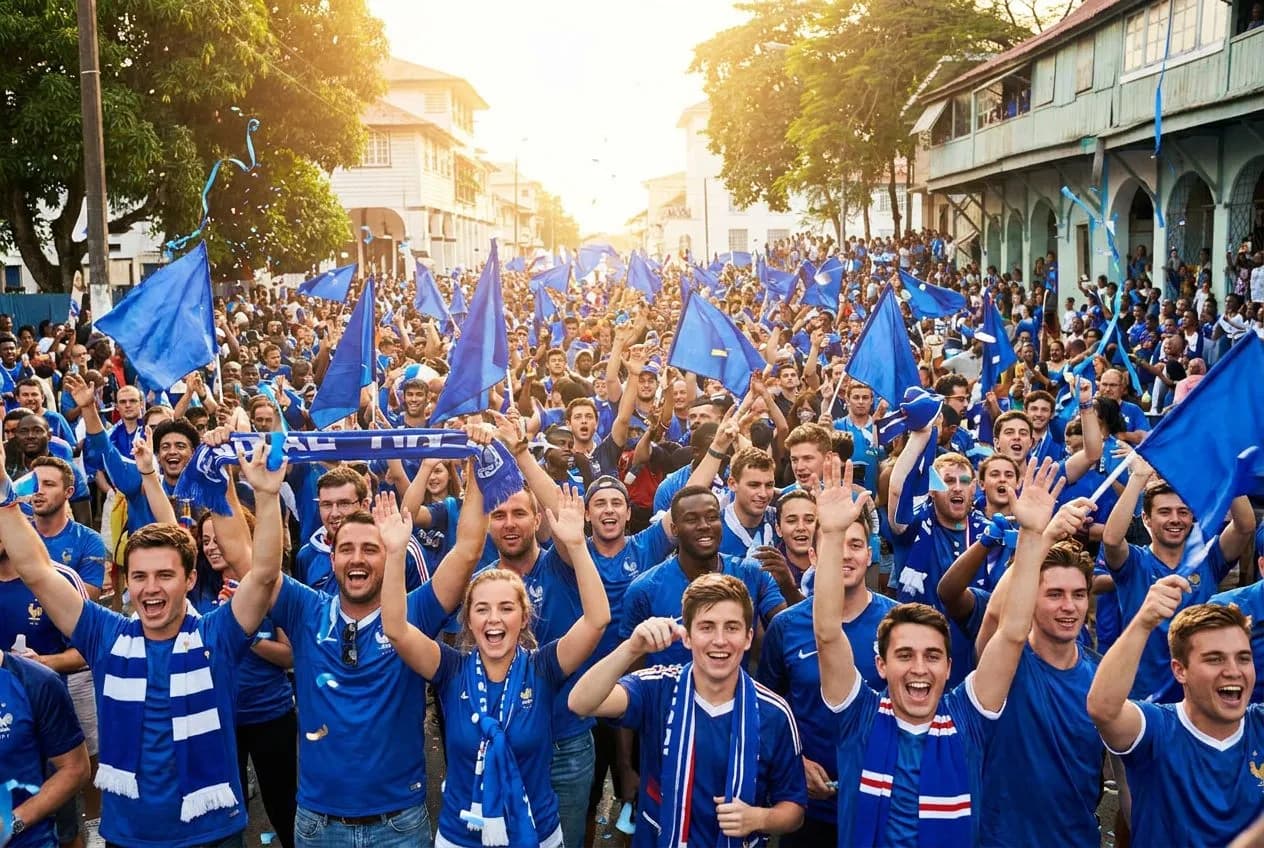
In host cities from Dallas to Atlanta, watch parties and fan zones have become real-time information hubs. Supporters gather not just to cheer but to parse every snippet of news, every leaked training photo, every ambiguous quote from a press conference. The 2026 tournament's scale—48 teams, three host nations, a month-long arc—has amplified this phenomenon. Fans treat injury updates like stock tickers, refreshing feeds between work meetings and dinner plans.
Local businesses have adapted. Sports bars near AT&T Stadium and Mercedes-Benz Stadium are offering pre-match tactical breakdowns on big screens, complete with lineup speculation and formation diagrams. Some venues have partnered with analytics platforms to display live data visualizations, turning the wait for team news into an interactive experience. It's a reminder that modern fandom is as much about the narrative between matches as the ninety minutes on the pitch.
The emotional investment is genuine. For French expats and neutrals alike, the prospect of a diminished attacking threat feels personal—not because it ruins a spectacle, but because it alters the story they've been following for weeks. That's the magic and the burden of World Cup football: every twist, every setback, every recovery becomes a shared experience across time zones and languages.
The Semifinal Venues and Their Influence
AT&T Stadium in Arlington is a marvel of engineering and scale, hosting nine matches this tournament—more than any other venue. Its massive video board and controlled environment create a theater-like atmosphere, where every tactical adjustment is visible to 80,000 spectators and millions watching globally. For a team navigating lineup uncertainty, the stadium's neutrality can be an asset: no extreme weather, no altitude, no surprise variables beyond the opponent's game plan.
Mercedes-Benz Stadium in Atlanta offers a different energy. Its retractable roof and downtown location make it a hub for spontaneous fan gatherings, with nearby parks and plazas filling with supporters hours before kickoff. The acoustics are famously intense, and the sightlines ensure that even subtle shifts in formation register with the crowd. If France plays here, expect the atmosphere to reward bold decisions and punish hesitation—a factor that might influence whether the coaching staff gambles on a less-than-fully-fit star or trusts a rested alternative.
Both venues are accessible via robust public transit and official shuttle networks, a necessity given the no-parking, no-tailgating policies at MetLife Stadium that have set the tone for fan logistics across all host cities. Supporters traveling from across North America have learned to build extra time into their match-day routines, turning the journey into part of the ritual. That patience and planning mirror the approach France's staff must take with their own roster decisions: no shortcuts, no panic, just disciplined preparation.
What the Final Whistle Will Reveal
When the semifinal ends—whether in Dallas or Atlanta—the post-match analysis will hinge less on who started and more on how the team adapted. Did they find goals through width or central overloads? Did the midfield step up to compensate for a missing attacking spark? Did the defense hold firm under sustained pressure? These are the questions that define tournament legacies, and they transcend any single name on the team sheet.
France's journey to this point has been built on tactical intelligence and squad harmony. If they advance to the final at MetLife Stadium on July 19, they'll do so knowing they've navigated one of the tournament's great uncertainties. If they fall short, the narrative will inevitably circle back to fitness and selection, but the reality will be more complex—a blend of opponent quality, in-game decisions, and the fine margins that separate semifinalists from champions.
For fans, the takeaway is simpler: trust the process, respect the depth, and remember that the best teams aren't defined by their stars alone. They're defined by how they respond when those stars are tested, when the easy answers disappear, and when the only option left is to compete with everything they have. That's the World Cup distilled to its essence, and it's why we keep watching, keep searching, keep caring long after the final whistle blows.
Practical notes
- Check official France Football Federation channels for verified injury updates, not social-media speculation.
- Semifinal venues: AT&T Stadium (Arlington/Dallas) and Mercedes-Benz Stadium (Atlanta); plan transit via official shuttles or local rail.
- MetLife Stadium final on July 19 features first-ever halftime show curated by Chris Martin with Madonna, Shakira, and BTS.
- No on-site parking or tailgating at MetLife; secure NJ Transit return wristbands early.
- Follow live tactical breakdowns at sports bars near semifinal venues for real-time formation analysis.
The beauty of tournament football is that it rewards preparation over panic, depth over dependence, and collective belief over individual heroics. Whether France's star forward starts, sits, or splits minutes, the semifinal will be decided by the eleven players on the pitch and the choices they make in real time. That's the story worth following, the drama worth savoring, and the reason millions will tune in regardless of the team sheet.
Tags: #MbappeInjury #FranceSemifinal #WorldCup2026 #ATTStadium #MercedesBenzStadium #FranceFootball #SemifinalTactics #WorldCupUpdates #DallasWorldCup #AtlantaWorldCup #MetLifeStadium #TacticalDepth #SquadRotation #TournamentFootball #WorldCupFans
All trademarks are the property of their respective owners.
Ask Karpo first
The best match-day experiences aren't found in last-minute scrambles—they're built on local insight, real-time updates, and knowing exactly where to be when the whistle blows. Whether you're tracking lineup news, hunting the perfect watch-party spot, or navigating transit to AT&T or Mercedes-Benz, Ask Karpo first. We live in these host cities, we know the rhythms, and we'll make sure you're exactly where you need to be when it matters most.