Twelve Minutes That Shook World Football
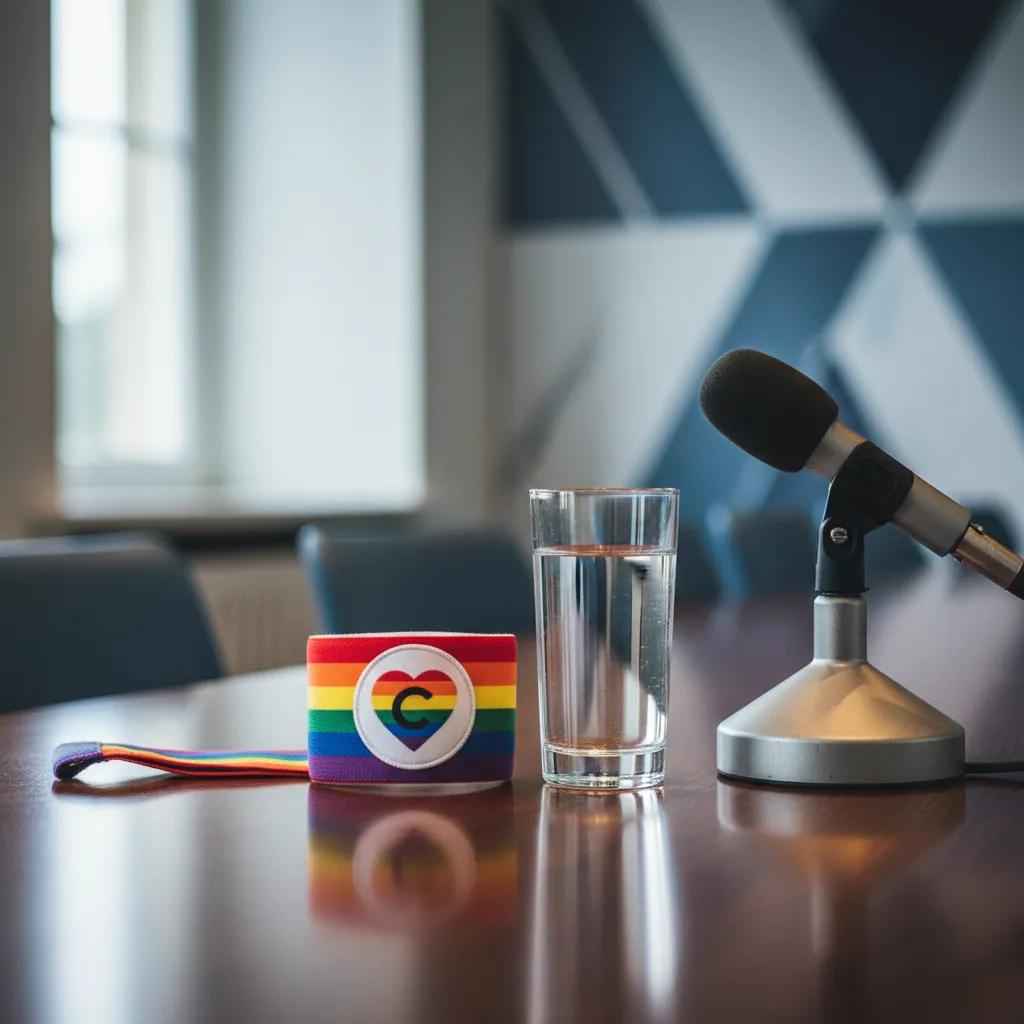
Kylian Mbappe arrived at France's post-match press conference on July 1 with a prepared statement that he read from his phone. For 12 uninterrupted minutes, the 27-year-old France captain spoke about racism in football with a specificity, passion, and political clarity that transcended the usual footballer-at-a-microphone platitudes. He named specific incidents from the tournament. He cited statistics. He proposed concrete solutions. And he concluded with a challenge to FIFA president Gianni Infantino that was broadcast live to an estimated global audience of 800 million people.
Want to read Mbappe's full statement? Text Karpo for the complete transcript, reactions, and the anti-racism movement at the World Cup.
The Specific Incidents Mbappe Referenced
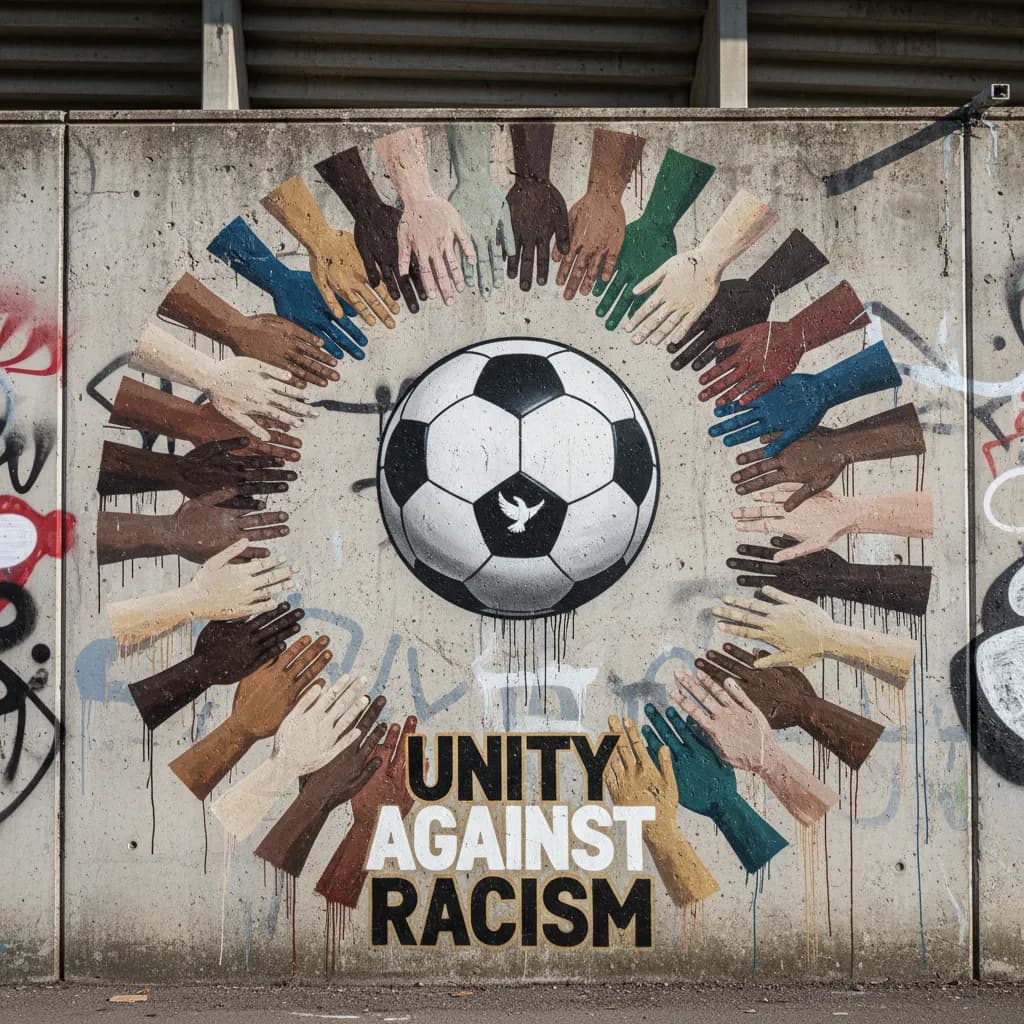
Mbappe's statement referenced three specific incidents of racism at the 2026 World Cup. First, the monkey chants directed at Brazilian players during the Brazil-Serbia group match in Houston. Second, the banana thrown onto the pitch during the Brazil-Japan Round of 16 match at MetLife Stadium. Third, the racial abuse incident at Arrowhead Stadium in Kansas City that led to the suspension of US Soccer staff members. Mbappe described each incident in detail, noting that "these are not isolated events — they are a pattern. And a pattern demands a systematic response, not individual apologies."
The Three Proposals
Mbappe outlined three specific proposals for combating racism at football events. First, lifetime stadium bans for anyone identified engaging in racist abuse — not tournament bans, not multi-year bans, but permanent exclusion from all FIFA-sanctioned events worldwide. Second, the creation of a dedicated FIFA Anti-Racism Fund of at least 100 million dollars per year, funded by a 1 percent levy on broadcast revenue, to support grassroots anti-racism education in communities that produce football talent. Third, the appointment of an independent Anti-Racism Commissioner with the authority to halt matches — not just report incidents after the fact — when racist abuse reaches an unacceptable level.
The Challenge to Infantino
Mbappe's most dramatic moment came in his direct challenge to Infantino. "Mr. President," Mbappe said, looking directly at the camera, "you have said many times that FIFA has zero tolerance for racism. I ask you today: what does zero tolerance look like? Because what I have seen at this World Cup looks like zero consequences. Zero investment. Zero courage. Zero tolerance should mean zero tolerance." The words were delivered with controlled intensity — not shouting, not emotional, but precise and devastating. Infantino, who was watching the press conference live according to FIFA sources, did not respond publicly for 36 hours.
Global Response and Support
Mbappe's statement generated an immediate and overwhelmingly positive global response. Within hours, the hashtag #MbappeAntiRacism was trending in 47 countries. The statement was endorsed by organizations including Amnesty International, the NAACP, Kick It Out (the English anti-racism campaign), and FARE (Football Against Racism in Europe). Fellow players including Vinicius Junior, Bukayo Saka, and Alphonso Davies released statements supporting Mbappe's proposals. The breadth of support suggested that Mbappe had articulated a sentiment shared across the football community but rarely expressed with such authority.
FIFA's Response
FIFA's response came in three stages. First, a brief statement on July 2 acknowledging Mbappe's "commitment to fighting racism" and promising to "consider his proposals in the context of FIFA's existing anti-discrimination framework." Second, a meeting between Infantino and Mbappe on July 3 — described by both sides as "constructive" — in which Infantino reportedly agreed to conduct a formal review of FIFA's anti-racism policies. Third, an announcement on July 5 of a new "enhanced monitoring protocol" for remaining World Cup matches, including additional plainclothes monitors in fan sections and real-time audio analysis technology to detect chanting patterns associated with racial abuse. Critics noted that the response, while welcome, fell short of Mbappe's three proposals.
The Political Dimension
Mbappe's statement carried political weight beyond football. French President Emmanuel Macron publicly praised the captain's words, calling them "an example of the role that sportspeople can play in public life." The statement was discussed in the European Parliament, where several MEPs cited it in support of proposed EU legislation on discrimination in sports events. In the United States, where the World Cup was already enmeshed in political controversy, Mbappe's words were interpreted through a domestic lens — with some commentators praising his courage and others questioning whether a foreign athlete should be criticizing the host nation's fan behavior.
Tags: Mbappe, racism, World Cup 2026, press conference, FIFA, anti-discrimination, Infantino, proposals, France, football activism
Sources consulted: ESPN · BBC Sport · The Guardian · Al Jazeera
All trademarks, team names, league names, and player likenesses mentioned in this article are the property of their respective owners and are used here for informational and editorial purposes only.
Ask Karpo First
Inspired by Mbappe's anti-racism stand? Ask Karpo for the full text of Mbappe's statement, FIFA's current anti-discrimination policies, and how to report racist behavior at World Cup venues.