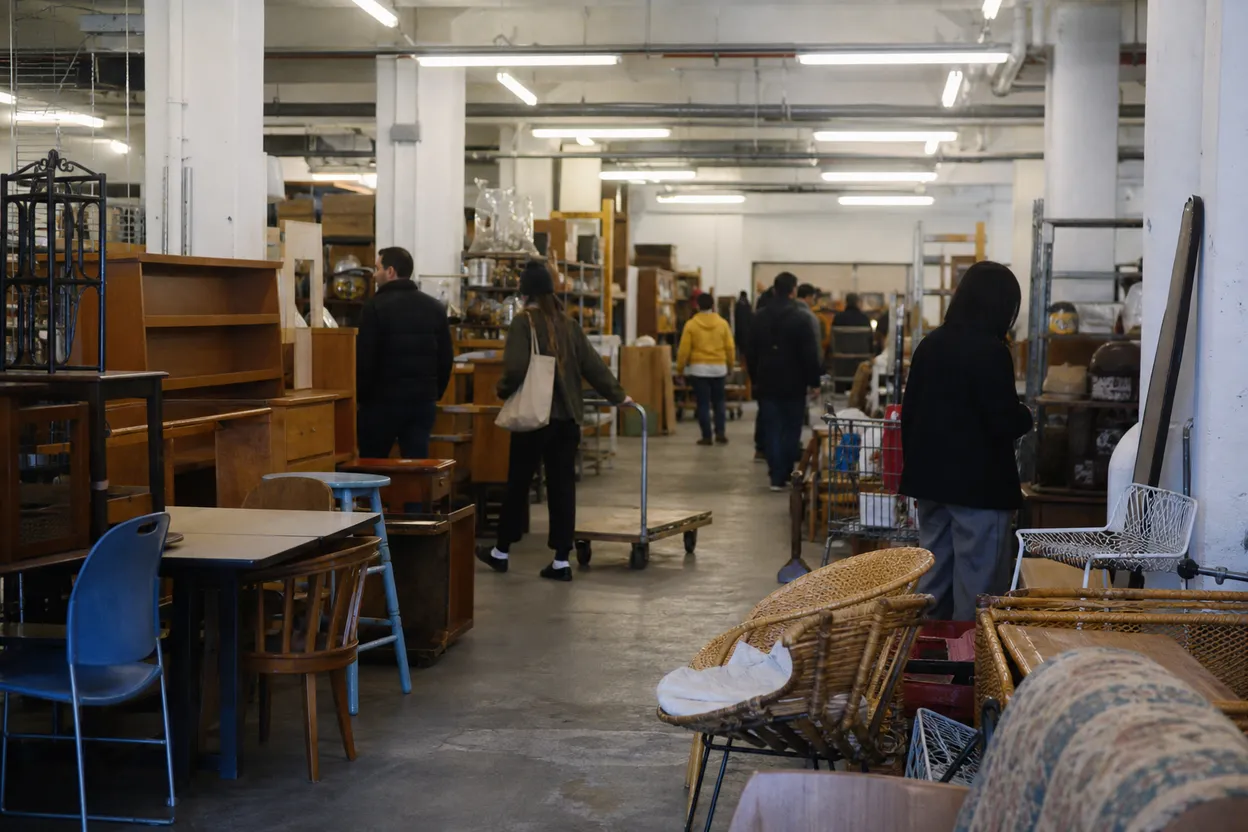
Materials for the Arts is not a normal school-supply store, which is exactly why a late-summer run can work for a NYC public school teacher trying to stretch a classroom budget. The Long Island City warehouse at 33-00 Northern Boulevard distributes donated reusable materials to eligible public schools, arts nonprofits, and city agencies, with shopping handled through registered membership and scheduled appointments rather than walk-in retail. That makes it powerful but not foolproof. Inventory changes, appointment access matters, and a hot, humid weekday with afternoon storms is a bad time to discover your cart plan is weak. Treat this as a targeted rescue mission, not a full September setup haul.
Want a faster read on whether this trip fits your classroom list today? Text Karpo with your grade, borough, supply needs, and appointment status before you spend a prep day crossing Queens.
Start With Eligibility, Not Hope
MFTA’s own site says registered organizations can schedule warehouse shopping appointments and use Direct Donations free of charge, and its mission language specifically includes NYC public schools. That does not mean every individual educator can simply arrive and browse. Before you plan a Long Island City run, confirm that your school or program has an active MFTA account, that you are authorized to shop for it, and that your appointment is actually booked under the correct organization name.
The failure mode is familiar: a teacher hears “free supplies,” builds a mental shopping list, then loses half a day because account access, staff authorization, or appointment timing was assumed. Put the administrative check first. If your school has a main office, arts lead, sustainability coordinator, or operations manager, ask who controls the MFTA account. If nobody knows, make verification the task for July, not the morning you need bins, fabric, paper, or display materials.
What The Warehouse Is Good For
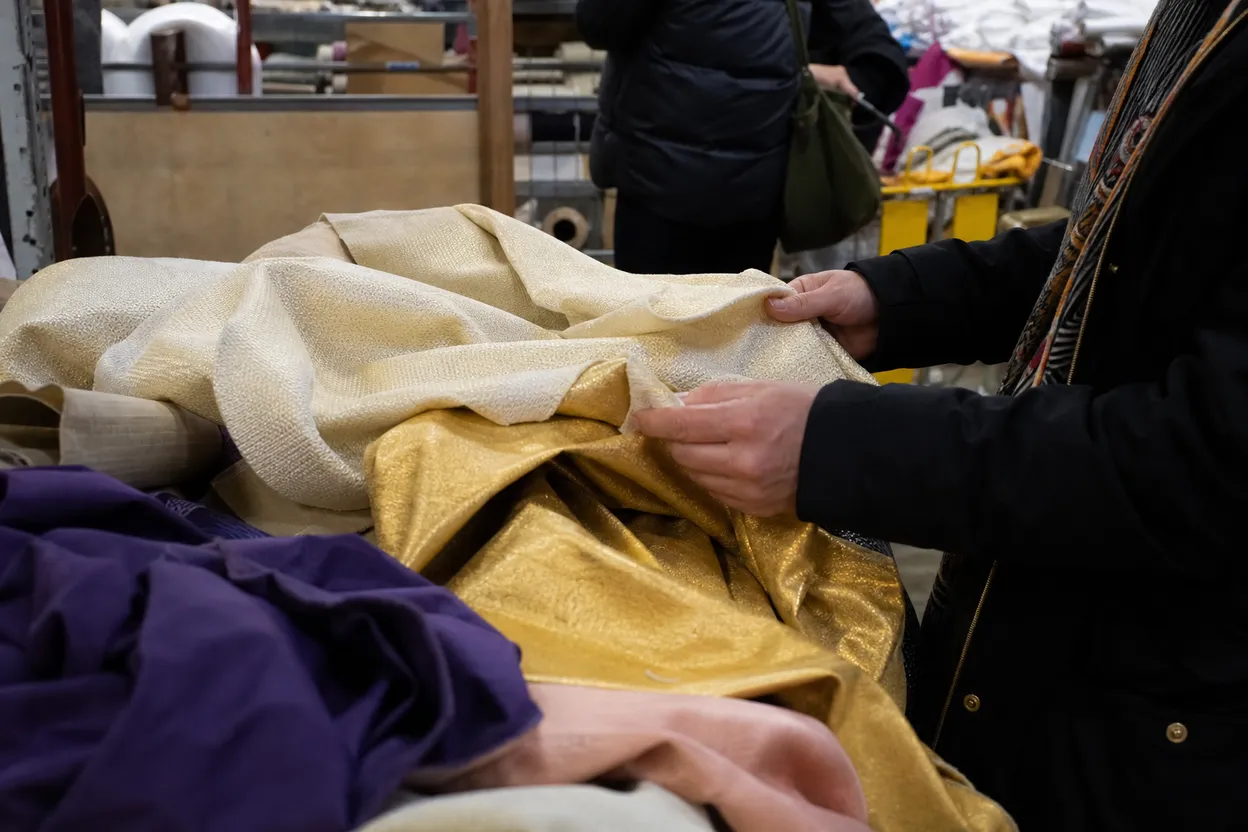
MFTA is strongest when your list can flex. Official language describes free materials, not guaranteed classroom staples, and recent coverage has emphasized the program’s mix of donated props, costumes, paint, textiles, furniture, and surplus goods from cultural and commercial sources. Go in looking for adaptable inputs: bulletin-board fabric, storage containers, collage material, manipulatives, display surfaces, costume pieces, set-building scraps, or odd objects that can become stations, labels, prototypes, or sensory supports.
It is weaker for locked quantities of identical items. If you need exactly thirty matching notebooks, a specific brand of dry-erase marker, compliant cleaning wipes, or mandated curriculum consumables, keep those on a normal procurement or retail list. The smart back-to-school strategy is to let MFTA replace the expensive decorative, exploratory, and project-based layer of your classroom, while preserving cash for items that must be uniform, sealed, district-approved, or available on a predictable date.
Book Around Heat, Storms, And Load
The locked scenario here is a late-morning appointment on a hot, humid weekday with possible afternoon storms. That is workable if you build the route around carrying, not sightseeing. Bring a sturdy rolling cart, straps or bungees, a few reusable bags, water, and a short list grouped by classroom zone. If your appointment window is late morning, avoid adding errands afterward unless your cart can stay dry and manageable in a sudden downpour.
Pacing matters because the trip has two forms of fatigue: decision fatigue inside the warehouse and physical fatigue afterward. Set a hard stop before you arrive. Choose three priority categories, then one bonus category if time and load allow. Photograph measurements of shelves or bulletin boards before leaving school. If storms are forecast, choose items that can be wrapped quickly, skip bulky porous pieces, and leave room in your plan for abandoning finds that cannot travel cleanly.
Transit And Cart Reality
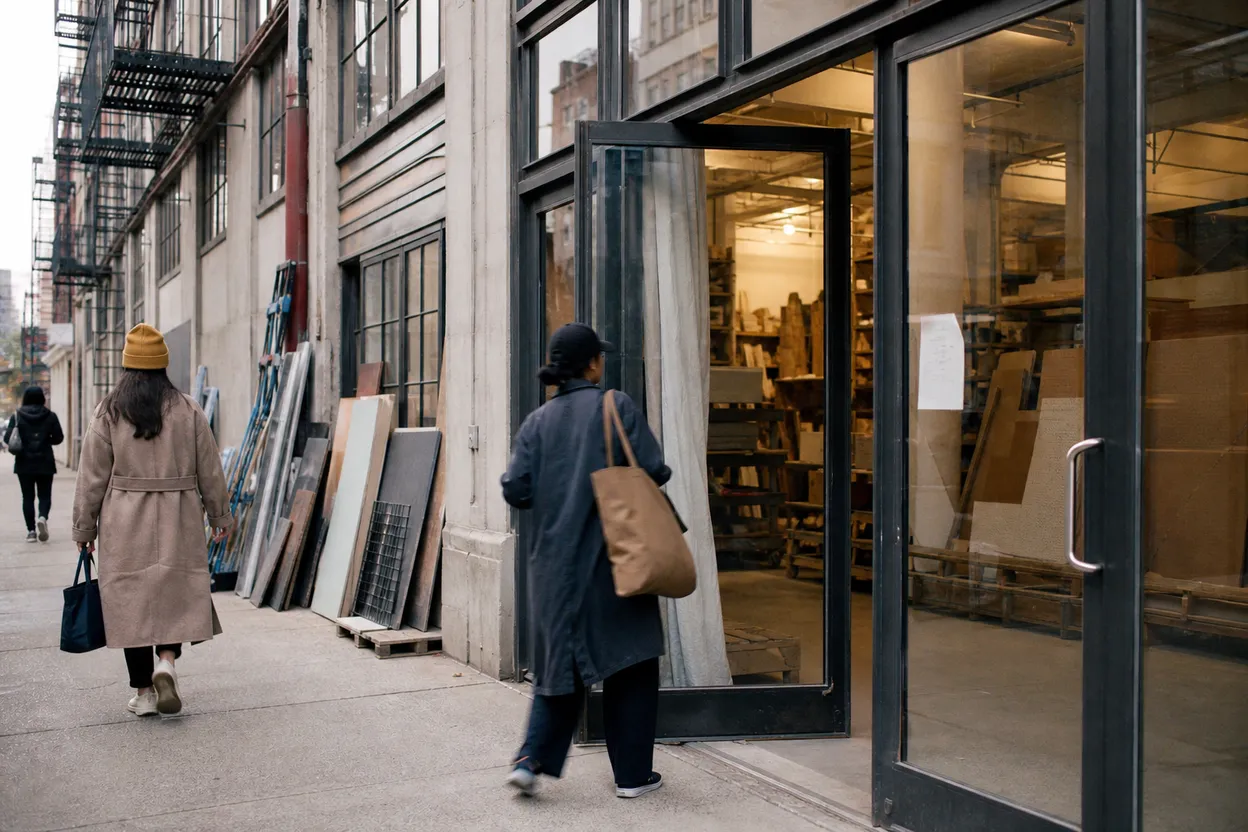
The venue address published by MFTA is 33-00 Northern Boulevard in Long Island City. The nearest practical subway reference is the 36 Street station on the Queens Boulevard Line at 36th Street and Northern Boulevard, served by local Queens Boulevard service patterns that can change by time of day and work. Check MTA service status before leaving, especially if you are timing a school-day prep window or carrying a cart that makes transfers slower.
Accessibility needs a separate check, not a guess. Subway elevator status, station choice, and curb conditions can decide whether this trip is realistic solo. If step-free access is essential, verify live MTA elevator information and consider car service, Access-A-Ride eligibility, or a co-teacher with a vehicle for the return. A cart that is fine on a platform can become a problem on stairs, wet pavement, or crowded midday trains.
Use A Classroom Triage List
Write your list as problems to solve, not products to buy. “Create a calm reading corner,” “make math centers durable,” “cover three bulletin boards,” and “organize take-home folders” are better MFTA prompts than brand names. The warehouse rewards substitution. Fabric can become a wall covering; trays can become supply stations; mat board can become signage; unusual containers can sort manipulatives. This mindset keeps you from missing useful materials because they do not look like school supplies at first glance.
Bring constraints with you. Note maximum dimensions, classroom color rules if your school has them, storage limits, allergy or scent concerns, and whether items must be wipeable. Avoid anything that creates a safety, sanitation, pest, or accessibility issue once students arrive. If you teach younger students or students with sensory needs, inspect texture, edges, small parts, and cleanability before claiming an item. Free is not useful if it creates another compliance task in September.
Know The Backup Plan
The backup plan begins before the appointment. If the MFTA calendar, membership login, or authorization path is unclear, do not treat the trip as confirmed. Use July to ask your school who can schedule, whether Direct Donations listings are active, and whether another staff member already has a warehouse appointment. If no appointment is available, shift the goal to monitoring listings, joining a future slot, or pooling needs with an authorized colleague.
Inventory can also miss your moment. Build a small paid-supply floor for essentials you cannot compromise on, then let MFTA lower the ceiling on optional spending. If you leave with only fabric, bins, or project materials, the trip can still be successful. If you leave with nothing, the useful outcome is information: confirmed account status, travel time, cart limits, and a sharper list for the next appointment before September pressure hardens.
What to verify for Materials for the Arts, Long Island City
Run this verification checklist on the same day you travel: MFTA account active, your name authorized, appointment confirmed, address checked, MTA service reviewed, elevator needs verified, weather reviewed, cart packed, school measurements saved, and priority categories limited. Also confirm any current pickup, warehouse, or Direct Donations rules on official MFTA or NYC pages, because access procedures are the kind of changing fact that should never be remembered from last year.
The trip is a fit if you are resourceful, time-pressed, and comfortable making classroom materials from what the city’s reuse stream offers that day. It is not a fit if your school needs guaranteed quantities, formal purchasing documentation for every item, or a fully accessible route you have not checked. The best version is a focused late-morning rescue run with one co-teacher or a solo cart, clear limits, and no assumption that free means effortless.
Tags: #MaterialsForTheArts #MFTA #LongIslandCity #NYCTeachers #NYCPublicSchools #ClassroomSupplies #BackToSchoolNYC #CreativeReuse #TeacherBudget #QueensNYC #SchoolSetup #SustainableSchools #AskKarpo #BeforeYouGo
All trademarks are the property of their respective owners.
Ask Karpo first
Tell Karpo your date, group size, budget, and starting neighborhood. We’ll check current access, timing, transit, and the cleanest plan for Materials for the Arts, Long Island City before you head out.