Six Minutes of Stoppage Time Changed Everything
Houston Stadium fell silent in the 29th minute when Sano fired Japan into the lead with a clinical finish that exposed Casemiro's momentary lapse in concentration. For the next 67 minutes, Brazil — five-time World Cup champions, pre-tournament favorites, a team with $1.2 billion worth of talent — faced elimination at the hands of the team that had won all three of their group games. Then Gabriel Martinelli, who had entered the match as a 72nd-minute substitute, received a slide-rule pass from Bruno Guimaraes in the sixth minute of stoppage time and slipped a left-footed shot past Zion Suzuki. The roar from the Brazilian section at Houston Stadium registered on nearby seismographs.
Zion Suzuki Nearly Stopped Brazil Single-Handedly
Before Martinelli's winner, the story of the match was Zion Suzuki. The 22-year-old Parma goalkeeper made nine saves — the most by any goalkeeper in a single World Cup knockout match since Tim Howard's 16-save performance against Belgium in 2014. Suzuki denied Vinicius Jr twice in the first half, pushed a Raphinha free kick onto the crossbar, and made a point-blank stop from Rodrygo that defied physics. His performance was so commanding that Japanese fans began chanting his name in the 80th minute, convinced he had done enough to send them through. Martinelli's goal did not diminish Suzuki's brilliance — it simply reminded the world that even the greatest individual performances cannot always prevent the cruelest outcomes.

Casemiro's Header Turned the Tide
Casemiro's equalizing header in the 56th minute was the moment the match pivoted. The 34-year-old midfielder, whose international career was widely assumed to be over after a difficult season at Manchester United, rose above two Japanese defenders to power a header from a Raphinha corner into the roof of the net. The goal was vintage Casemiro — arriving late in the box, timing his jump perfectly, directing the header with precision and power. It was his first international goal in 14 months, and it came at the most critical moment of Brazil's World Cup campaign.
Ancelotti's Substitutions Made the Difference
Carlo Ancelotti's decision to introduce Martinelli and Endrick in the 72nd minute was the tactical masterstroke that saved Brazil. Japan's defense, which had been imperious for 70 minutes, was visibly tiring. Martinelli's pace and directness stretched the Japanese back line, creating space that had not existed when Rodrygo occupied the left wing. Endrick's physical presence occupied Japan's center-backs, allowing Vinicius Jr to drift into pockets of space. The introduction was not a gamble — it was a calculated response to a game that was slipping away, and it worked with just seconds to spare.
Japan's Exit Doesn't Diminish Their Achievement
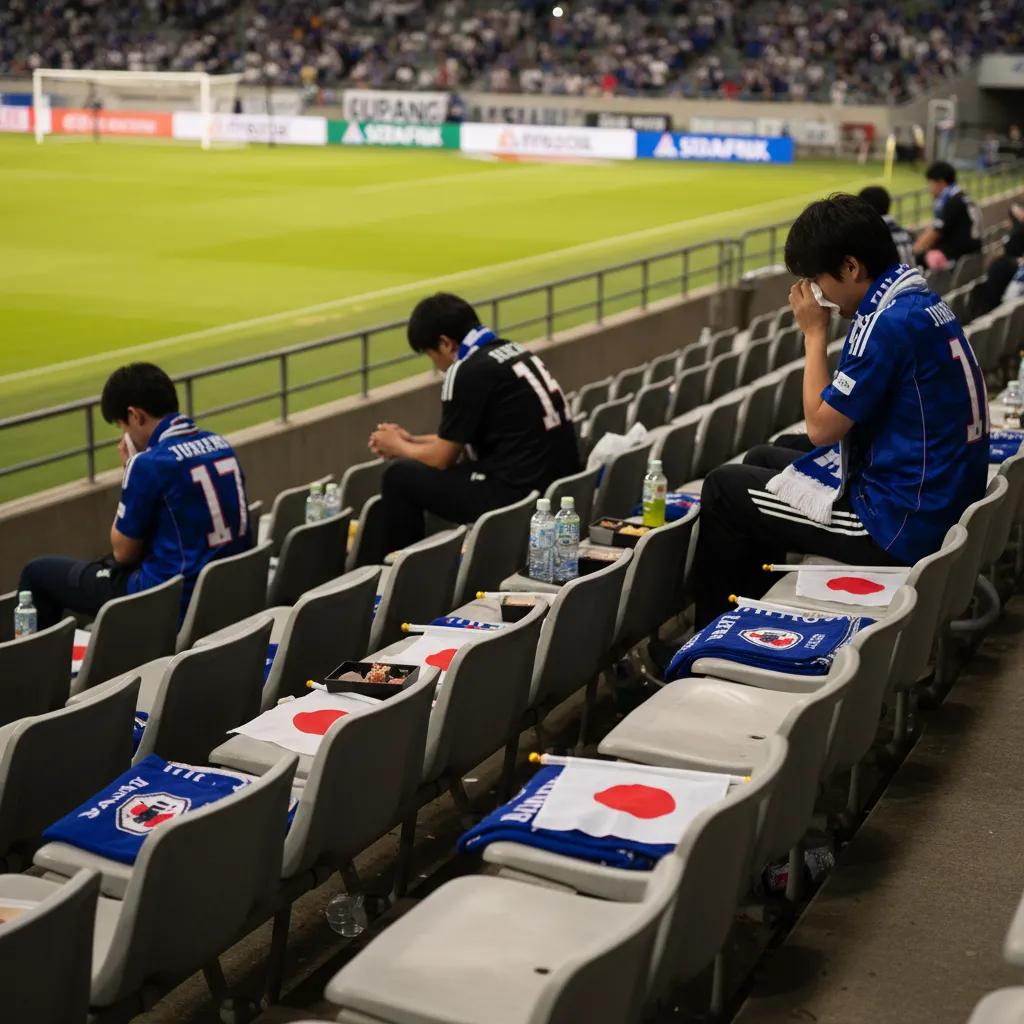
Japan's three group-stage wins — including a 3-1 demolition of Germany — established them as genuine contenders. Their exit to Brazil's last-gasp goal was cruel but not undeserved: they created chances, controlled passages of play, and showed the tactical flexibility that had overwhelmed every previous opponent. Manager Hajime Moriyasu embraced each player as they left the pitch, several of them in tears. The Japanese fans stayed in their seats for 15 minutes after the final whistle, applauding their team's effort. Some cleaned the area around their seats — continuing a tradition that has become synonymous with Japanese fan culture at World Cups.
What Brazil's Narrow Escape Reveals
Brazil's victory papered over significant cracks. They conceded first for the second time in three matches. Their midfield control — supposedly their greatest strength — was disrupted for long periods. Vinicius Jr, the tournament's joint top scorer, was largely anonymous until the final 20 minutes. If Brazil are to fulfill their pre-tournament billing as favorites, they will need to find consistency in the Round of 16 and beyond. The knockout rounds do not always offer six minutes of stoppage time for redemption.
Houston Stadium Earned Its Place in World Cup History
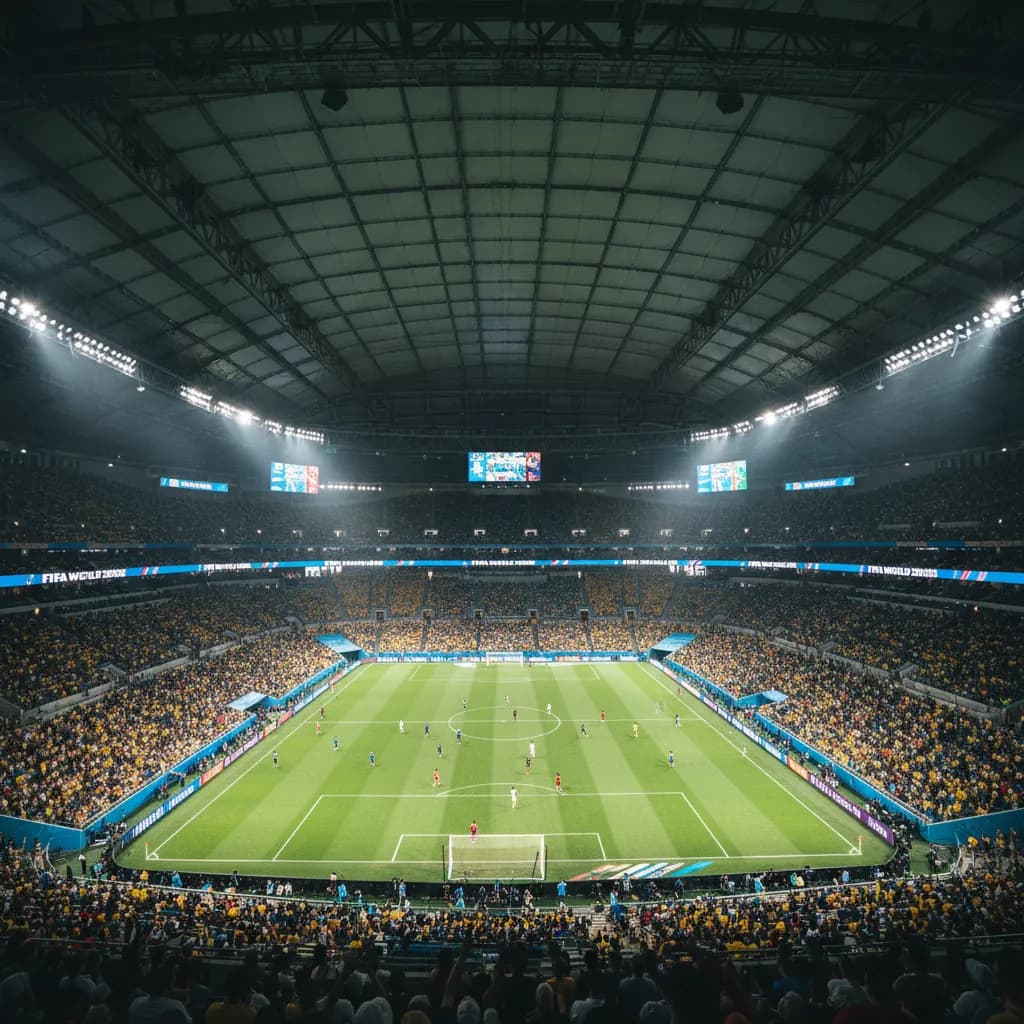
Houston Stadium — formerly NRG Stadium, home of the NFL's Houston Texans — has hosted World Cup matches before, but none like this. The 71,000 fans who witnessed Martinelli's winner experienced one of the most dramatic moments in the tournament's 96-year history. The venue's closed roof trapped the noise, creating an acoustic environment that both teams described as overwhelming. Houston's Brazilian community — estimated at 100,000 people in the Greater Houston area — turned the city into an impromptu carnival in the hours after the final whistle.
Tags: World Cup 2026, Brazil vs Japan, Martinelli 96th minute, Gabriel Martinelli, Zion Suzuki, Casemiro, Houston Stadium, Round of 32, Carlo Ancelotti, Brazil comeback, stoppage time goal
Sources consulted: ESPN · CBS Sports · FIFA
All trademarks, team names, league names, and player likenesses mentioned in this article are the property of their respective owners and are used here for informational and editorial purposes only.
Ask Karpo First
Want to know where to watch Brazil's next knockout match in Houston and celebrate with the local Brazilian community? Ask Karpo for the latest World Cup schedule, a guide to Houston's Brazilian restaurants on Westheimer Road, and the best churrascarias within driving distance of Houston Stadium.