 Where to Eat Near Penn Station That Isn't a Chain
US Open 2026
Martha Reeves Dance Class Studios Near 2026 US Open
How to pair evening Motown and soul dance workshops with US Open sessions, 7 train connections, and Flushing Meadows routines in Queens.
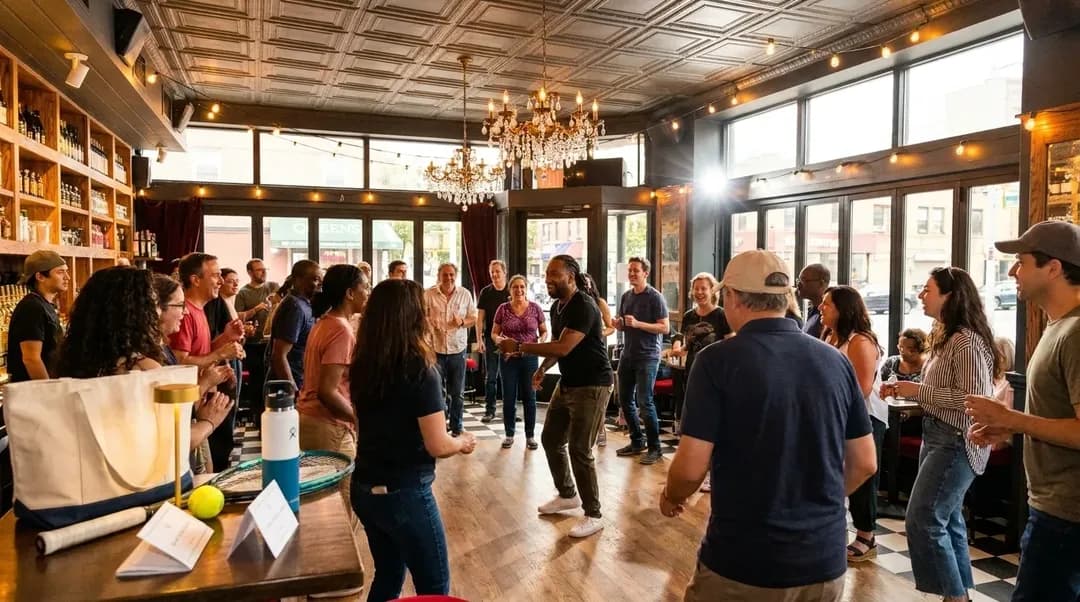
When you're planning a US Open visit to Flushing Meadows in late August or early September 2026, the rhythm of the day often follows a predictable arc: morning or afternoon tennis, a walk through the grounds, maybe a meal in downtown Flushing, then the question of what to do with the evening energy still humming in your legs. That's where the idea of pairing tournament sessions with drop-in Motown and soul dance workshops becomes surprisingly practical. Martha Reeves and the Vandellas helped define the sound that still moves bodies in community centers, dance studios, and cultural spaces across Queens, and the 7 train corridor—running from Flushing through Corona, Jackson Heights, and into Long Island City—hosts a rotating calendar of evening dance classes that welcome visitors, require no partner, and let you turn spectator stamina into participant joy. This article maps how to fold those workshops into a US Open trip, where to look for them, and how to time the shuttle-and-subway handoff so your evening feels like a natural extension of the day rather than a logistical puzzle.
Text Karpo with your US Open session time and Queens starting point, and we’ll turn this Drop-in Motown and soul dance workshops in Flushing for visitors seeking active evening entertainment into a practical local plan.
Why Motown and Soul Dance Fits the US Open Evening Window
The US Open schedule typically runs day sessions from 11 a.m. to roughly 5 or 6 p.m., and night sessions from 7 p.m. until late. If you attend a day session, you're often back at the Mets–Willets Point station by early evening, with enough daylight and energy to explore but not quite ready to settle into a restaurant booth for two hours. Drop-in dance workshops—especially those rooted in Motown, soul, and funk traditions—tend to start between the posted timeand 8 p.m., last sixty to ninety minutes, and require only comfortable clothes and a willingness to follow the beat. They're social without demanding conversation, structured without being rigid, and they let you move through the same physical space as strangers in a way that feels celebratory rather than awkward. For visitors staying in Flushing, Long Island City, or Astoria, the 7 train makes the trip from the tournament grounds to studio neighborhoods a matter of ten to twenty-five minutes, depending on your stop.
Where to Look for Drop-In Dance Workshops Along the 7 Train
Queens dance studios and community centers often list drop-in classes on their websites, social media, or printed calendars posted near the entrance. Flushing itself has cultural centers tied to the library system and arts organizations that occasionally host movement workshops with live or recorded soul and funk music. Corona, one stop west on the 7, has a strong tradition of Latin and Caribbean dance, but some studios also run Thursday or Friday soul line-dance nights that draw a mixed crowd. Jackson Heights, a few stops further, is home to independent dance instructors who rent studio space by the hour and advertise beginner-friendly Motown sessions on community boards and neighborhood Facebook groups. Long Island City and Astoria, at the western end of the 7 line, have newer studios in converted industrial buildings, some of which offer evening drop-in classes labeled as "soul grooves," "funk foundations," or "Motown movement." Checking studio websites or calling ahead a week before your visit is the most reliable way to confirm the current schedule, since drop-in offerings can shift seasonally or around holidays.
What to Expect in a Drop-In Motown or Soul Dance Class
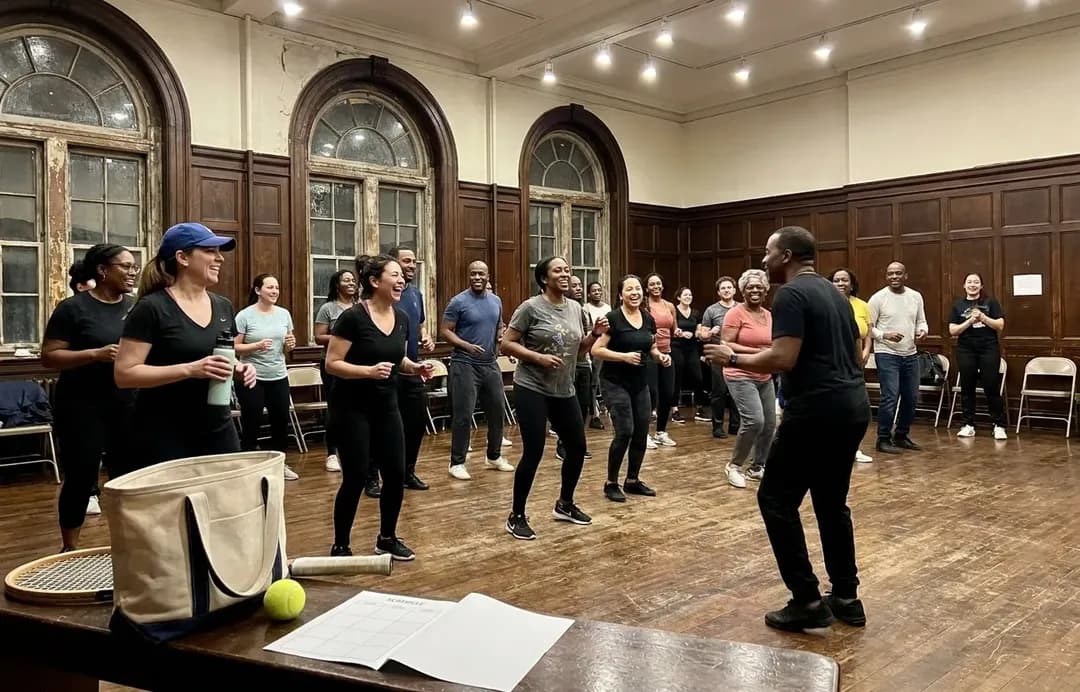
Most drop-in Motown and soul workshops begin with a warm-up that borrows from jazz, modern, or even aerobics traditions—shoulder rolls, hip isolations, grapevines, and step-touches set to a mid-tempo track. The instructor then breaks down a short choreographed sequence, often eight or sixteen counts, using songs from the Motown catalog or adjacent soul and funk artists. You'll hear Martha Reeves and the Vandellas, The Temptations, Marvin Gaye, Aretha Franklin, and James Brown. The teaching style is usually call-and-response: the instructor demonstrates, the class mirrors, and the sequence builds in layers until everyone is moving through the full combination. There's no partner work, no prior experience required, and no performance pressure. Some classes end with a freestyle circle where participants take turns in the center, but it's always optional. The vibe is closer to a block party than a recital. Wear sneakers or jazz shoes, bring water, and expect to sweat.
Timing the Shuttle, Subway, and Studio Arrival
The US Open runs a free shuttle between the Billie Jean King National Tennis Center and the Mets–Willets Point station on the 7 train, and the MTA provides extra service during tournament weeks. If your day session ends around 5 p.m., you can be on the 7 train by the posted timeand reach Flushing, Corona, or Jackson Heights by 6 p.m., leaving time to grab a snack, change clothes at your hotel or a public restroom, and arrive at a the posted timeor 7 p.m. class. If you're attending a night session, the reverse works: take an early-evening dance class in Long Island City or Astoria, then ride the 7 east to Mets–Willets Point and catch the shuttle to the grounds by 7 or the posted time The key is to check the MTA service status on the day of your trip, since weekend and evening schedules can vary, and to confirm the studio's start time so you're not rushing through the warm-up. Most instructors are used to drop-ins arriving a few minutes late, but showing up on time helps you catch the full sequence and feel less self-conscious.
What to Do Before or After the Workshop
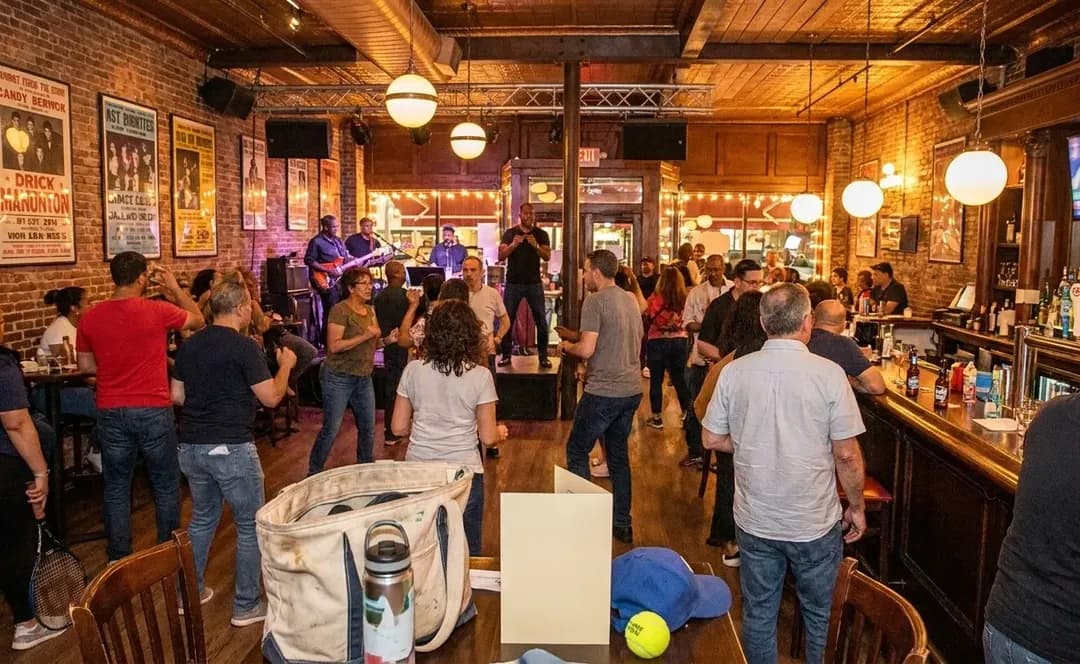
If you have an hour to spare before class, Flushing's downtown core offers bubble tea, hand-pulled noodles, and Korean bakeries within a few blocks of the Main Street station. Corona has Venezuelan arepas, Mexican tacos, and Italian ice stands near the 103rd Street–Corona Plaza stop. Jackson Heights is known for its South Asian sweets, Colombian empanadas, and Tibetan momos along Roosevelt Avenue. After class, if you're not too tired, Long Island City has waterfront bars and cafes near Gantry Plaza State Park, and Astoria has late-night Greek diners and bookstores that stay open past nine. The 7 train runs frequently enough that you can linger without worrying about the last train, though it's always smart to check the MTA schedule for your specific evening. Some visitors also pair the dance workshop with a stop at the Queens Museum or the New York Hall of Science in Flushing Meadows Corona Park earlier in the day, creating a full cultural loop that starts and ends near the tennis center.
Practical Notes for Visitors
- Check studio websites or call ahead one week before your visit to confirm drop-in class schedules, since offerings can change seasonally or around holidays.
- Bring cash or confirm that the studio accepts card payments; drop-in fees typically range from ten to twenty dollars, but policies vary.
- Wear comfortable sneakers or jazz shoes and bring a water bottle; most studios have cubbies or hooks for bags but no secure lockers.
- Allow at least forty-five minutes of travel time between the US Open grounds and your studio destination to account for shuttle waits and subway intervals.
- Review the MTA service status on the day of your trip, especially for evening and weekend schedules, at new.mta.info.
- If you're staying in Flushing, consider walking to nearby studios rather than taking the train, since many are within a fifteen-minute walk of the Main Street station.
- Respect studio etiquette: arrive on time if possible, follow the instructor's cues, and avoid filming other participants without permission.
Why This Pairing Works for Solo and Small-Group Visitors
One of the quiet advantages of drop-in dance workshops is that they're designed for people who arrive alone. You don't need a partner, you don't need to know anyone in the room, and the structure of the class—everyone facing the mirror, following the same steps—creates a shared focus that feels inclusive without requiring small talk. For solo travelers or small groups visiting the US Open, this makes the evening feel less like downtime and more like an extension of the day's energy. You've spent hours watching athletes move with precision and power; now you get to move with intention yourself, guided by music that's been making people dance for six decades. The Motown and soul catalog is also widely recognized, so even if you've never taken a dance class, the songs provide a familiar anchor. And because the 7 train connects so many neighborhoods, you can choose a studio based on where you're staying, where you want to eat, or simply which stop feels most convenient after a long day on your feet at the tennis center.
Tags: #USOpen2026 #Queens #FlushingMeadows #KarpoFinds #Karpo #marthareeves #NewYorkLocal #TennisTravel #NYCLocalLife #TennisTravel
Sources consulted: usopen.org — Official event schedule · usopen.org — Official visitor A-Z guide · usopen.org — Official transportation directions · usopen.org — Official prohibited-items guide · MTA — Official US Open transit guide · NYC Parks — Flushing Meadows Corona Park · NYC Tourism — Queens · MTA — Service status
All trademarks are the property of their respective owners.
Ask Karpo first
Want to know what is actually open, how to time the trip, and where to pause around Queens? Ask Karpo for the latest public US Open context, a respectful visitor plan, and a live route around Flushing Meadows before you head out.
Ask Karpo for more information.
Keep reading
- Where to Eat Near Penn Station That Isn't a Chain
 Andytown Coffee in the Outer Sunset: The Snowy Plover Explained
- Best Things to Do in Chicago: What the City Gives Away