 Nisei Week Events: Little Tokyo's Enduring Japanese American Heritage Festival
Free Things to Do
Mariners: LA Equipment Donation Drives and Youth League Volunteer Guide
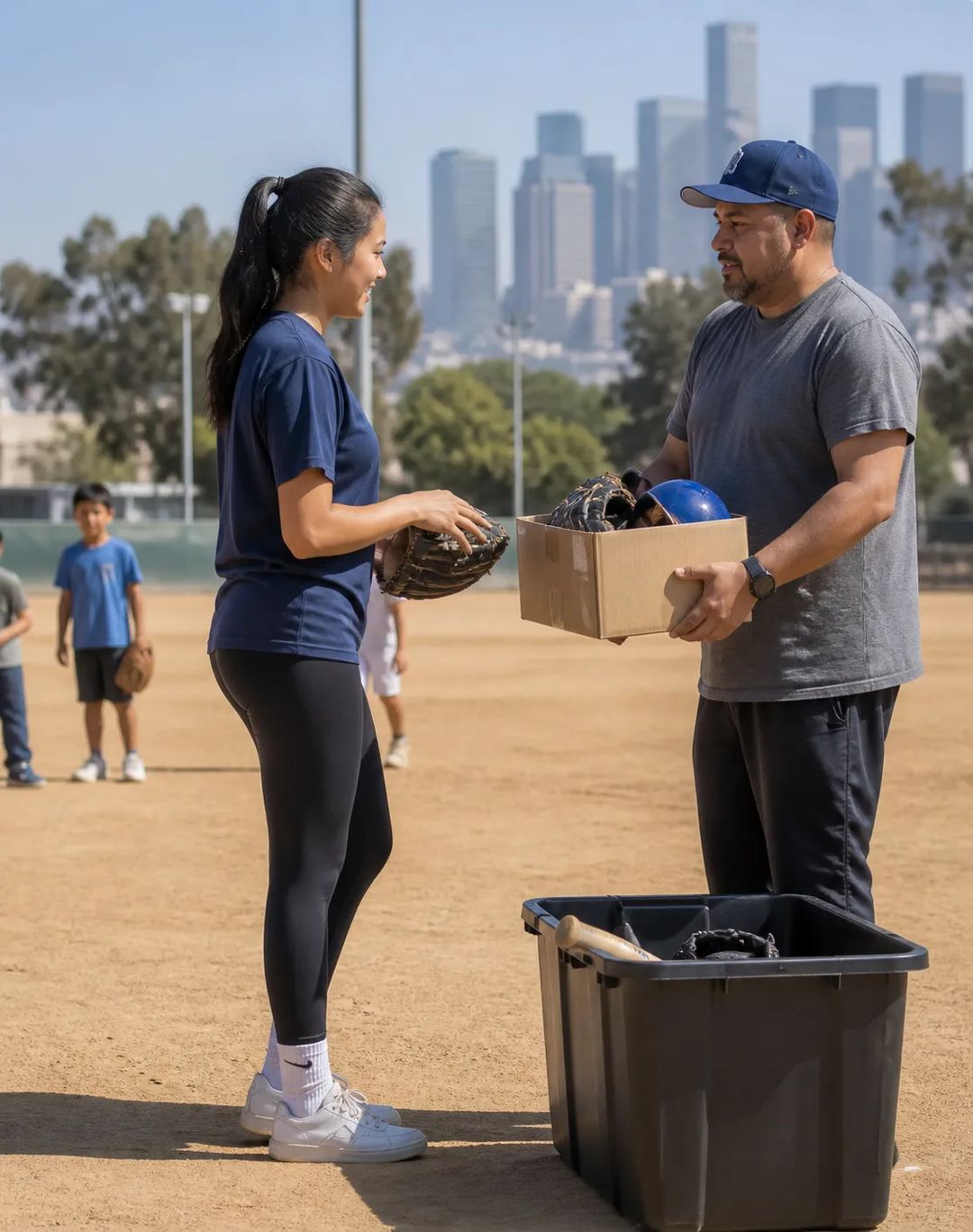
Turn Mariners-inspired baseball energy into hands-on service for Los Angeles youth. This guide helps volunteers verify equipment drives, choose beginner-friendly roles, and plan free or low-cost ways to show up.
The keyword mariners can pull fans toward scores, rosters, and highlights, but in Los Angeles it can also point to a more useful kind of baseball day: collecting bats, gloves, cleats, helmets, catcher’s gear, uniforms, and training supplies for young players who need a fair start. This guide is built for solo volunteers, friend groups, and workplace teams that want a free thing to do with real community value. Because the supplied official sources do not list a specific Los Angeles baseball equipment drive, the safest path is to use public calendars and civic channels as discovery tools, then confirm every detail directly with the organizer before donating or volunteering. Ask what gear is accepted, whether used items must be cleaned, what sizes are most needed, whether helmets or protective gear are accepted, the exact drop-off window, background-check requirements, age limits, parking or transit instructions, and whether group volunteers need advance approval.
Text Karpo your LA neighborhood, available gear, volunteer time, and transportation limits for a verified donation or youth-league option with one alternate drop-off.
Turn Baseball Interest Into Useful Local Action
A youth equipment drive works best when it starts with demand, not with whatever is sitting in a garage. Before collecting gear, contact a league, school partner, recreation group, nonprofit, or event organizer and ask for a current needs list. A glove in good condition may be useful; an expired helmet, damaged bat, or worn-out cleat may create more sorting work than value. The practical goal is to reduce barriers for young players, not to offload clutter under the cover of generosity.
For Mariners fans in LA, the emotional hook is simple: baseball loyalty becomes more meaningful when it supports kids who want to play. This fits people who want purpose without needing specialized coaching experience. It also works for offices because coworkers can contribute equipment, gift cards, or volunteer time, while one organizer handles verification. The tradeoff is coordination: a drive sounds casual, but it still needs a confirmed recipient, clear quality rules, and a delivery plan before anyone starts collecting.
Where To Look Before You Commit
Start with official public calendars because they reduce guesswork. Discover Los Angeles maintains an events calendar with categories such as Sports, Family, Outdoors, Educational, Festivals, Museums, and more, which can help you spot youth activity windows or nearby community events where outreach may be appropriate. The Los Angeles Public Library also states that it hosts free events every day, with filters by branch, audience, ZIP code, and date range. Those listings are not proof of an equipment drive, but they are useful places to identify community hubs and contact points.
Use civic institutions as orientation, then verify with the actual organizer. LA County Department of Arts and Culture describes work that includes services and support for nonprofit organizations, professional development, countywide arts education initiatives, free community programs, and cross-sector civic strategies. That does not make it a baseball drive source, but it shows why countywide public calendars and nonprofit networks matter in Los Angeles. If a listing or partner page does not explicitly say it accepts baseball gear, do not assume. Send a short email asking for accepted items, dates, volunteer eligibility, and whether the opportunity is still active.
What To Confirm About Gear
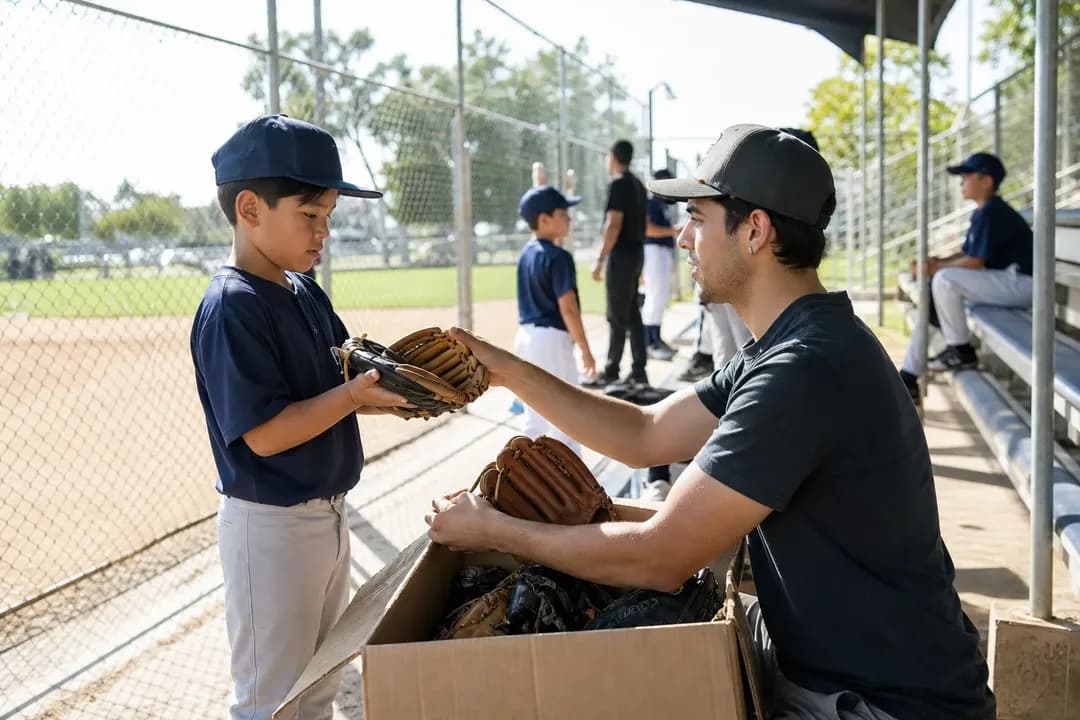
Equipment rules vary by organizer, league, and insurance policy, so treat every item as conditional until confirmed. Ask whether they accept new gear only or gently used gear, whether bats must meet a specific league standard, whether catcher’s equipment is accepted, whether helmets are allowed, and whether uniforms should be sorted by size. For shoes, confirm whether cleats are accepted, what condition is considered usable, and whether there are size gaps they are trying to fill. For balls, tees, cones, bags, and training aids, ask whether bulk donations are welcome or whether storage is limited.
Sorting is where beginner volunteers can add real value. A workplace group can create labeled bins for gloves, bats, footwear, apparel, protective gear, and miscellaneous training items, then separate items that need organizer review. Do not promise families that every item will be distributed. A grounded message is better: donations will be reviewed according to the recipient’s rules. If an organizer gives no clear answer after two contact attempts, mark that lead for manual follow-up instead of publishing it as verified.
Volunteer Roles Beyond Donation Boxes
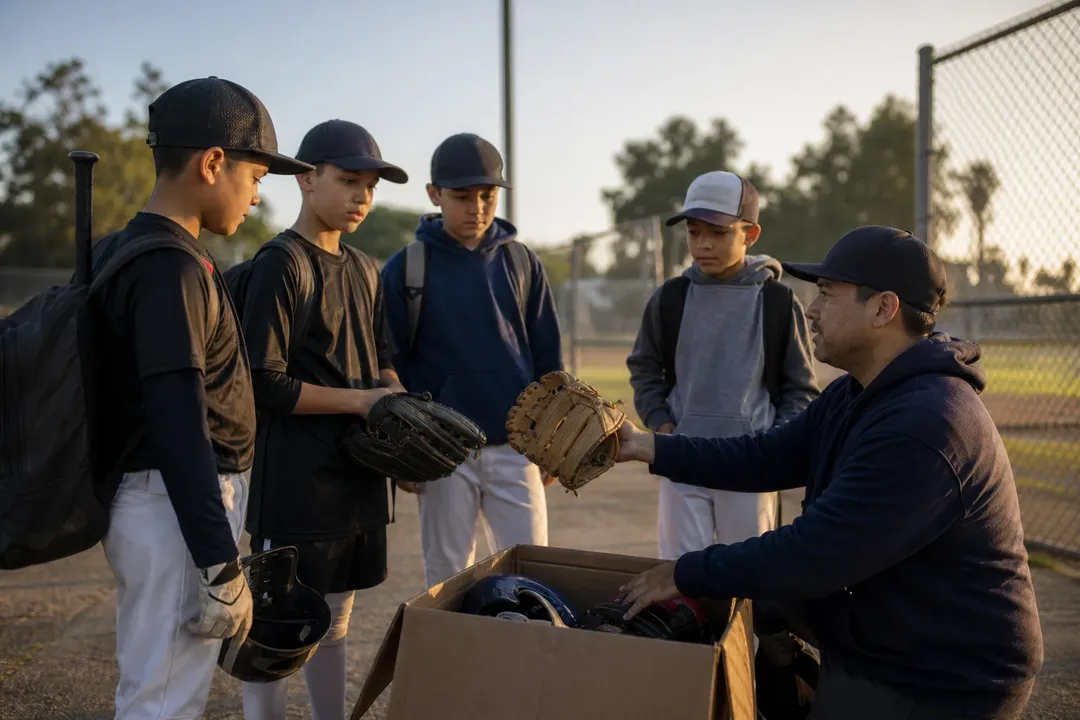
Not everyone needs to coach. Beginner-friendly roles may include sorting gear, checking inventory against a needs list, cleaning approved equipment, making pickup reminder calls, helping with check-in, moving boxes, taking basic counts, or organizing a workplace collection. Because the brief’s service slice includes physical sorting tasks, volunteers should expect some lifting, standing, and repetitive handling. Anyone with mobility limits should ask whether seated sorting, labeling, phone outreach, or admin support is available.
Youth-facing roles need extra care. Before volunteering around minors, confirm whether the organizer requires a background check, identity verification, training, minimum age, guardian consent for teen volunteers, or a code of conduct. Ask whether solo adults are paired with staff, whether group volunteers need a roster, and whether photos are allowed. These questions build trust quickly because they show you understand youth safety, not just baseball enthusiasm. If an opportunity cannot answer basic screening and supervision questions, choose a different role or limit participation to non-youth-facing donation logistics.
Moving Around LA Without Making It Expensive
A free service day can become costly if transportation is ignored. LA Metro states that it connects Los Angeles County by bus, rail, bike, van, and more, with trip planning tools, real-time arrivals, alerts, maps, and schedules. The regular fare is listed as $1.75, with a daily cap of $5 and a 7-day cap of $18; transfers are free within two hours when using TAP, credit, or debit. Children under age 6 may ride free with a fare-paying adult, and some students, seniors, riders with disabilities, and low-income riders may qualify for free or reduced rides.
For equipment drives, match the route to the load. A solo volunteer carrying a small bag of gloves can use transit more easily than a team transporting boxes of bats and cleats. If your group is collecting at work, consider one consolidated delivery rather than several individual drop-offs. Metro also notes that riders can check alerts before leaving and that bus stops, outdoor stations, and platforms can get hot, with heat safety guidance to review routes, reduce long outdoor waits, seek shade, and use cooling or hydration locations. That matters during spring and warmer shoulder-season drives.
Tags: #LosAngeles #FreeThingstoDo #YouthBaseball #Volunteering #EquipmentDonation #CommunityService #SportsFamilies
Sources consulted: Source 1: metro.net · Source 2: discoverlosangeles.com · Source 3: lapl.org · Source 4: lacountyarts.org
All trademarks are the property of their respective owners.
Ask Karpo first
Ask Karpo to turn this Los Angeles idea into a current plan for your date, budget, companion, transit preference, and energy level. Karpo can narrow the route and flag what to verify before you go.
Ask Karpo for more information.
Keep reading
- Nisei Week Events: Little Tokyo's Enduring Japanese American Heritage Festival
 Hollywood Forever Cemetery Events: Dia de los Muertos, Cinespia in Hollywood
 Unforgettable Free Summer Events: Grand Performances, California Plaza, Downtown LA